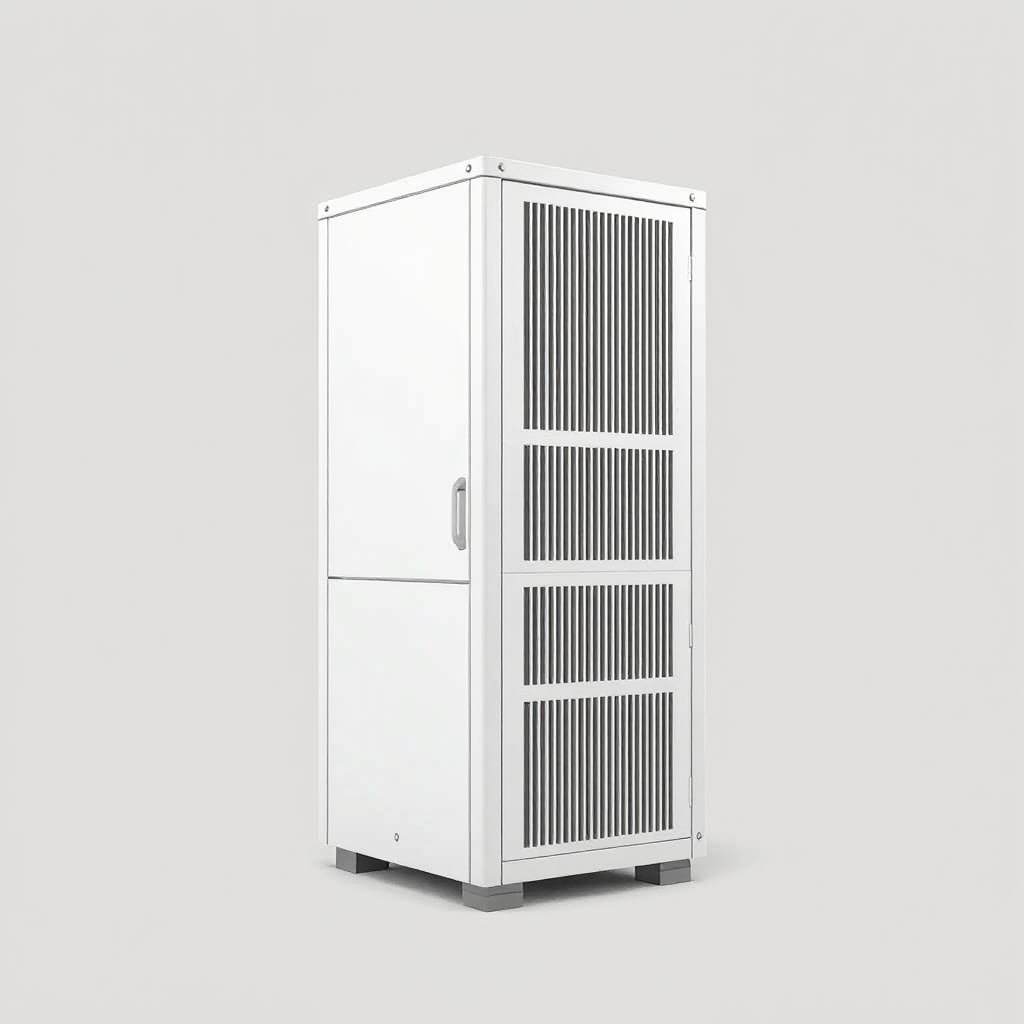
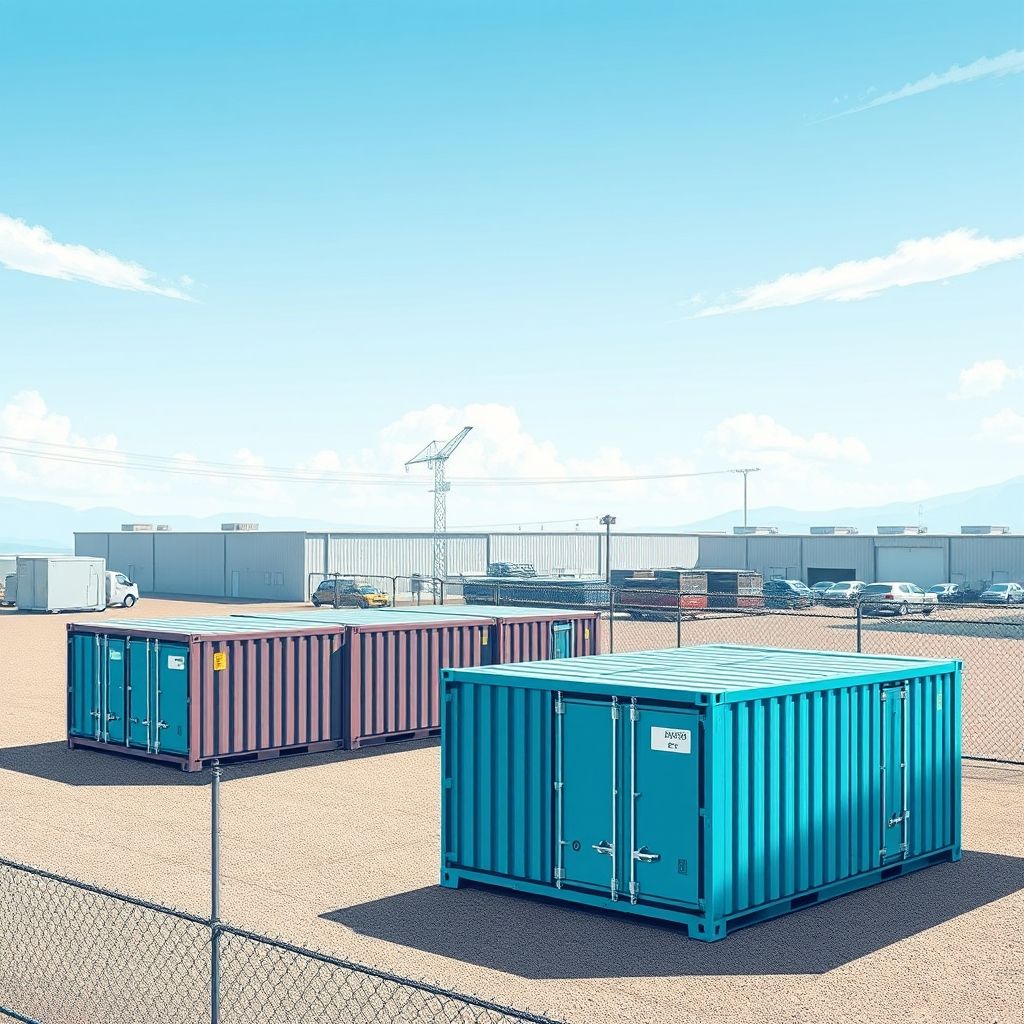
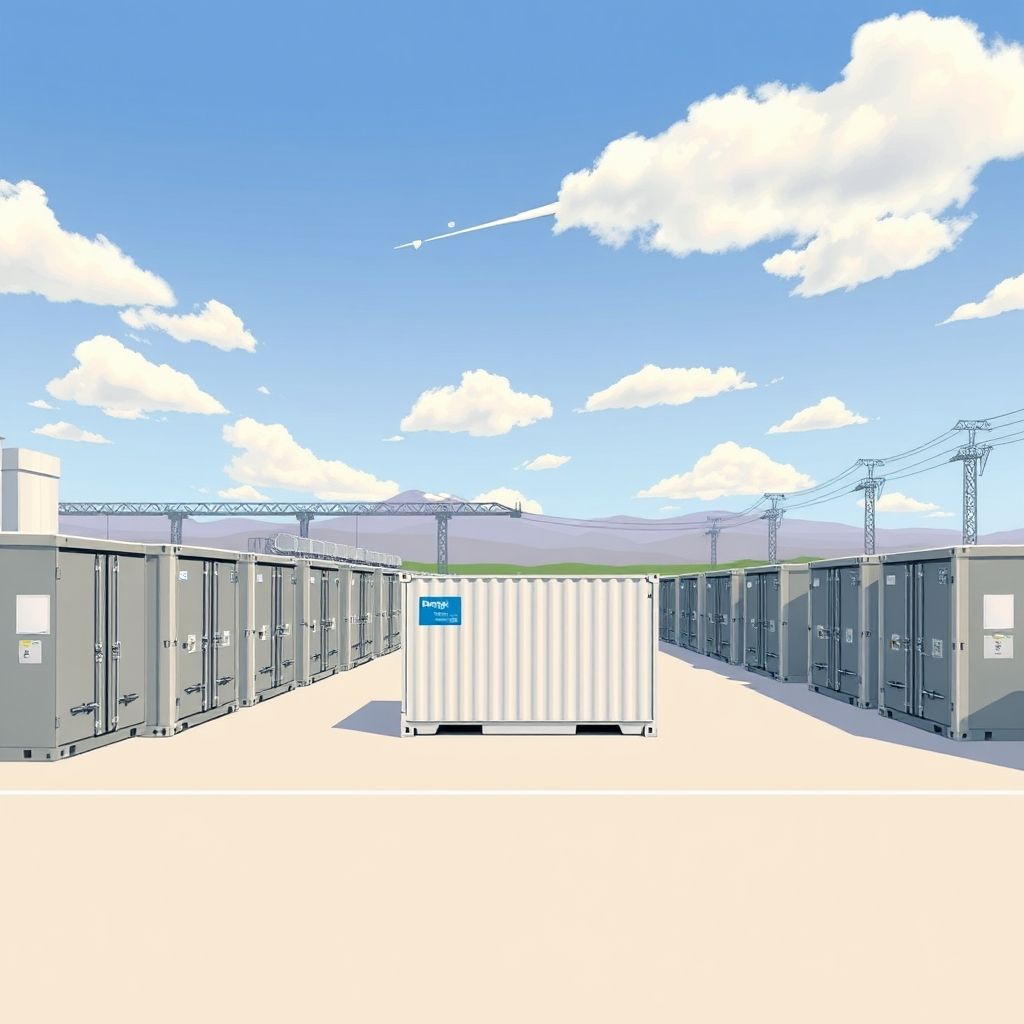
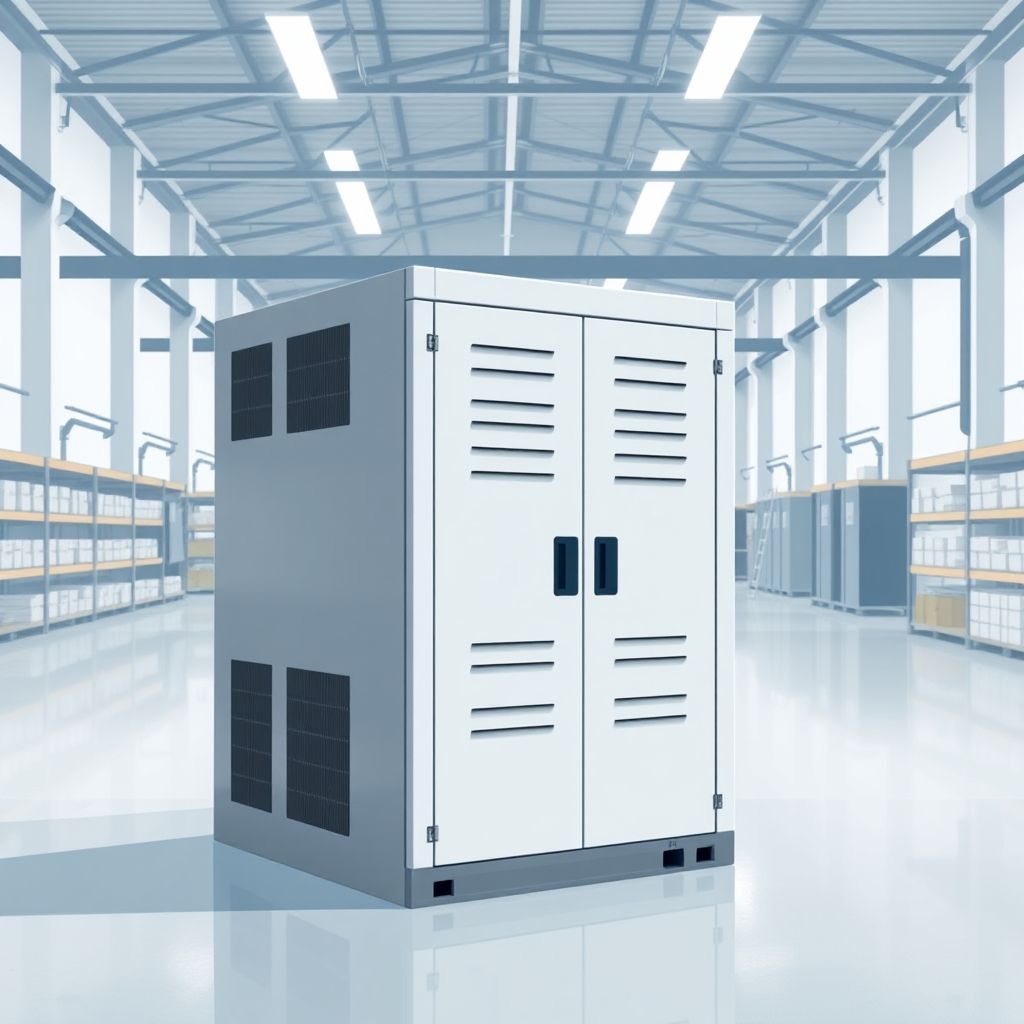
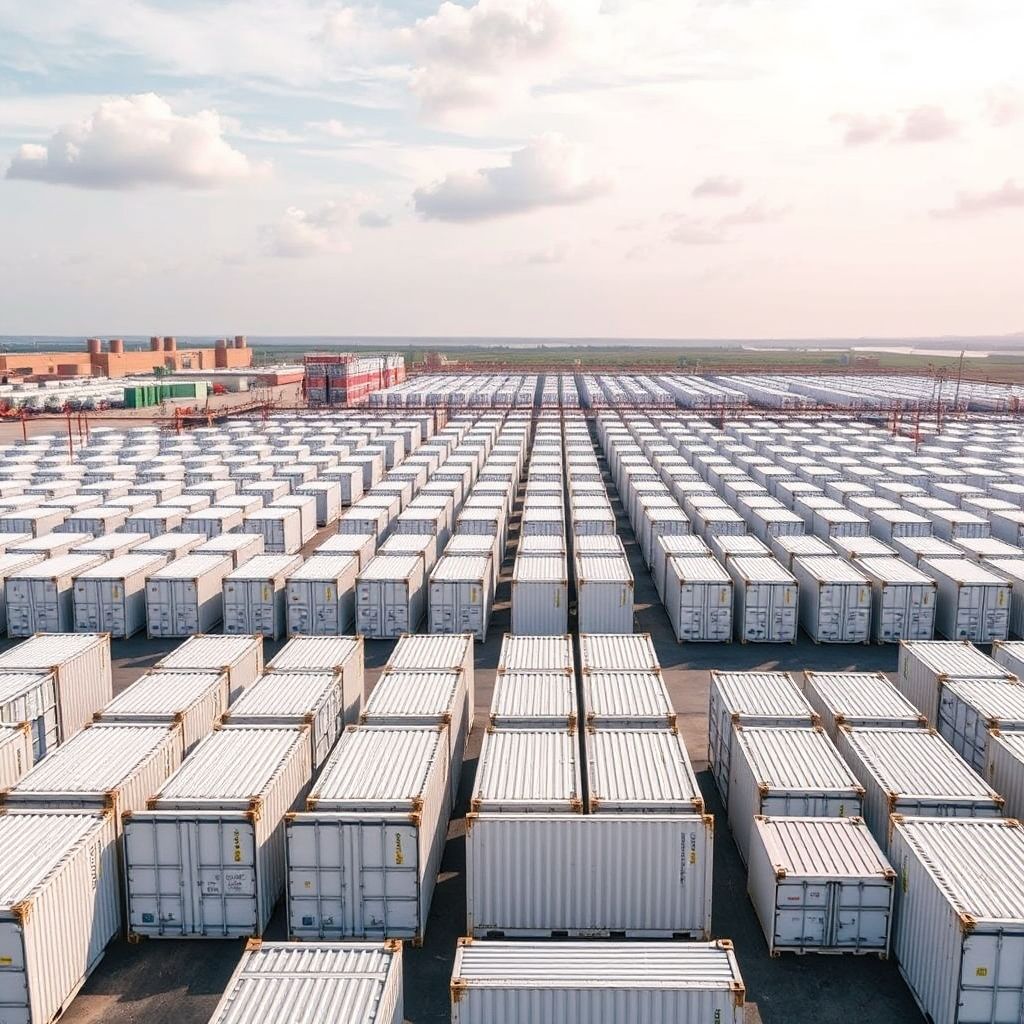
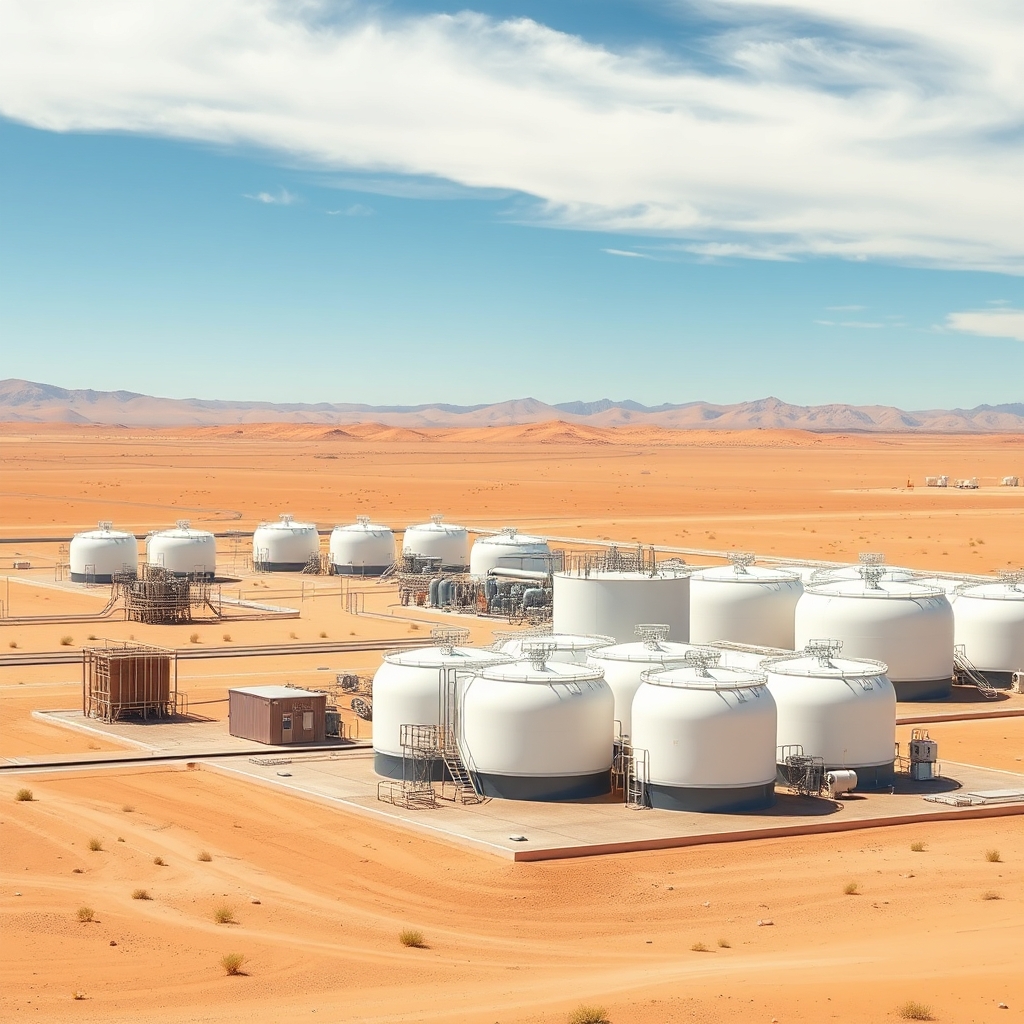
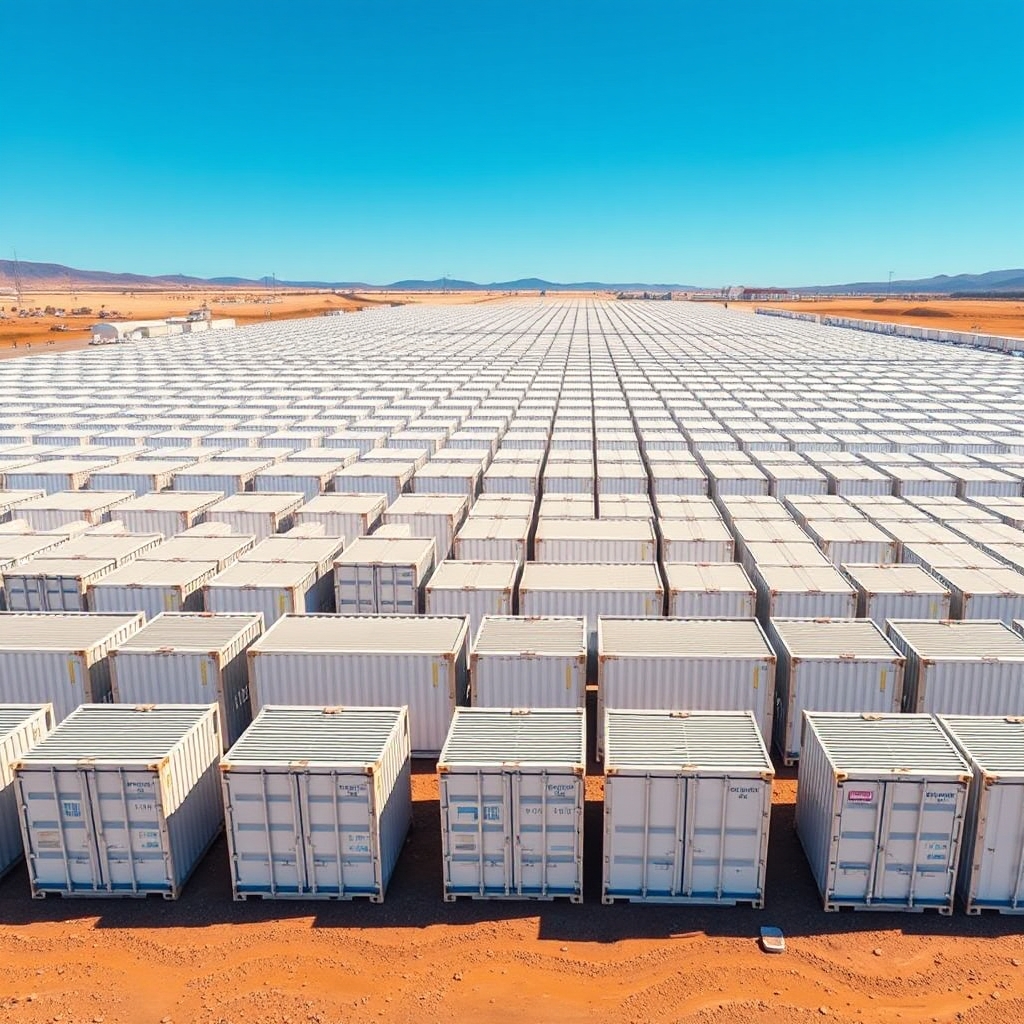
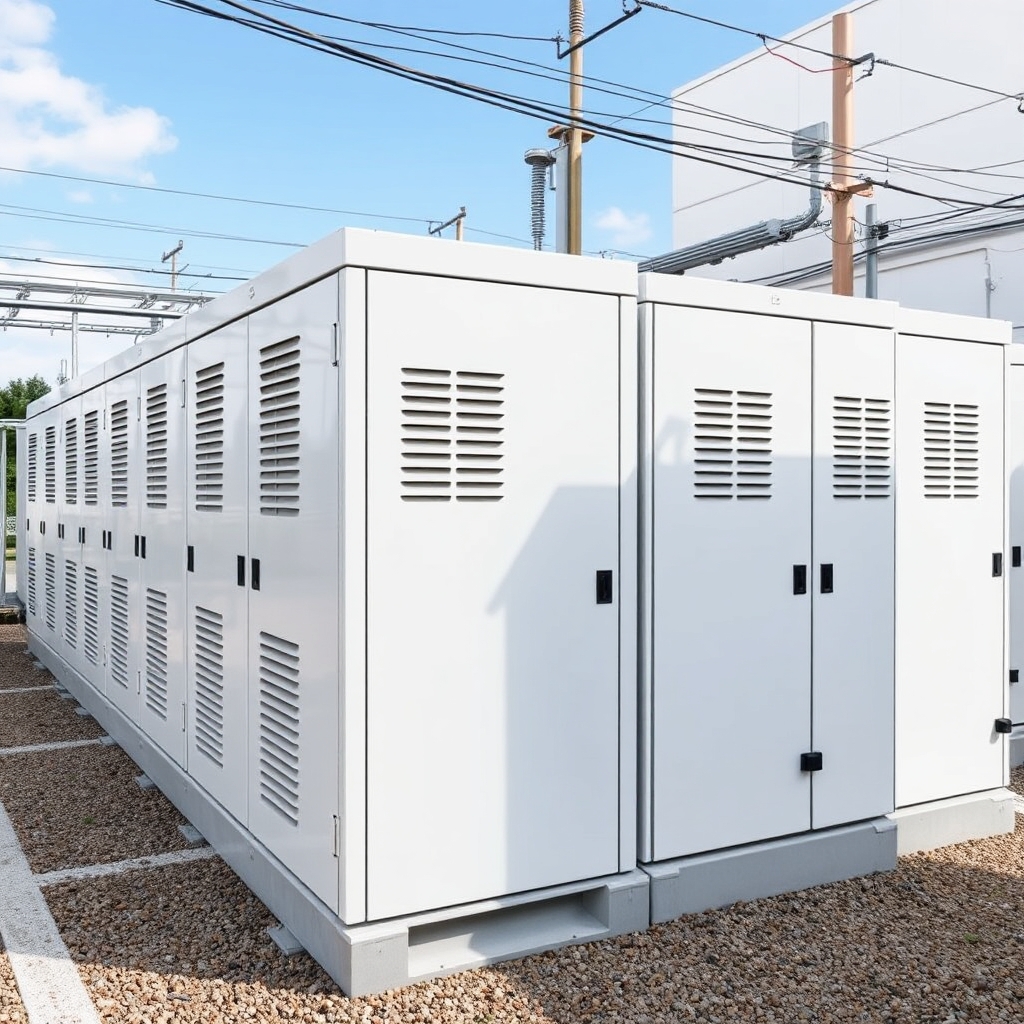
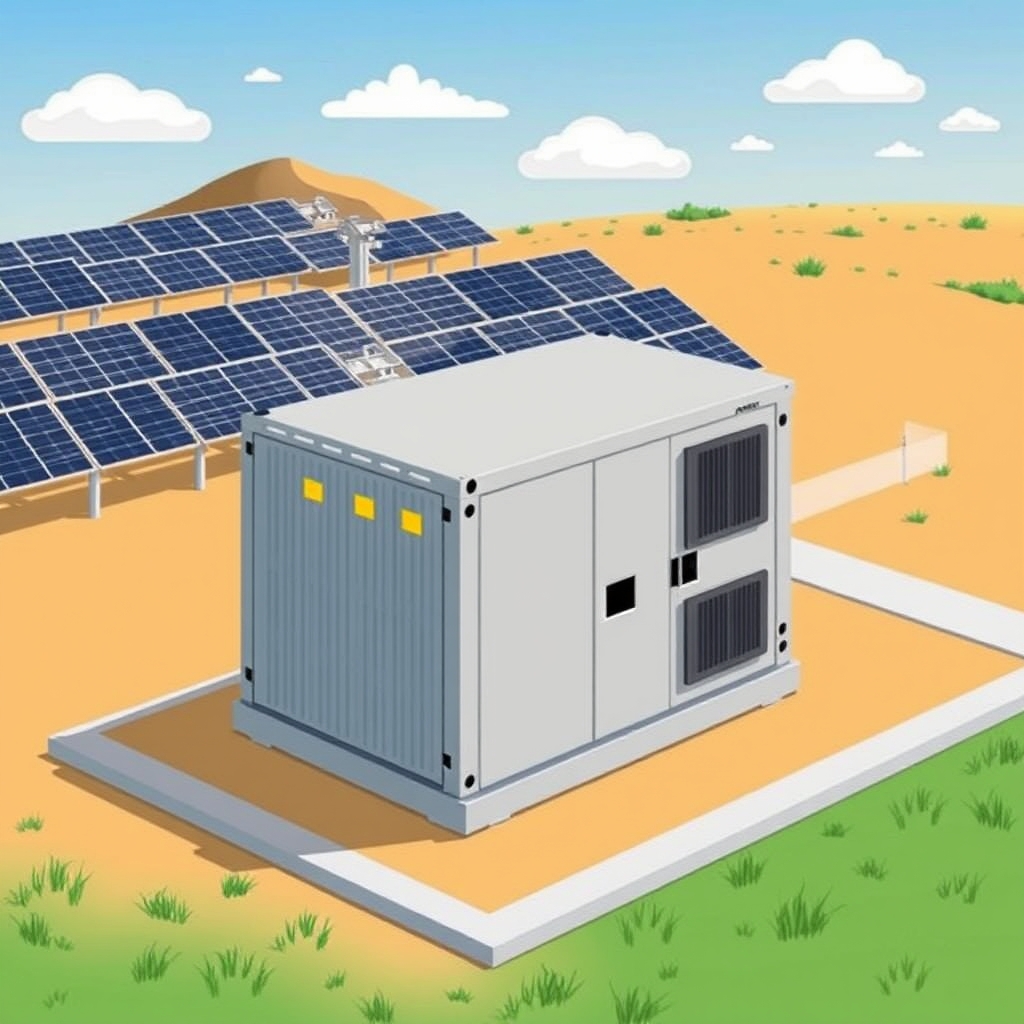
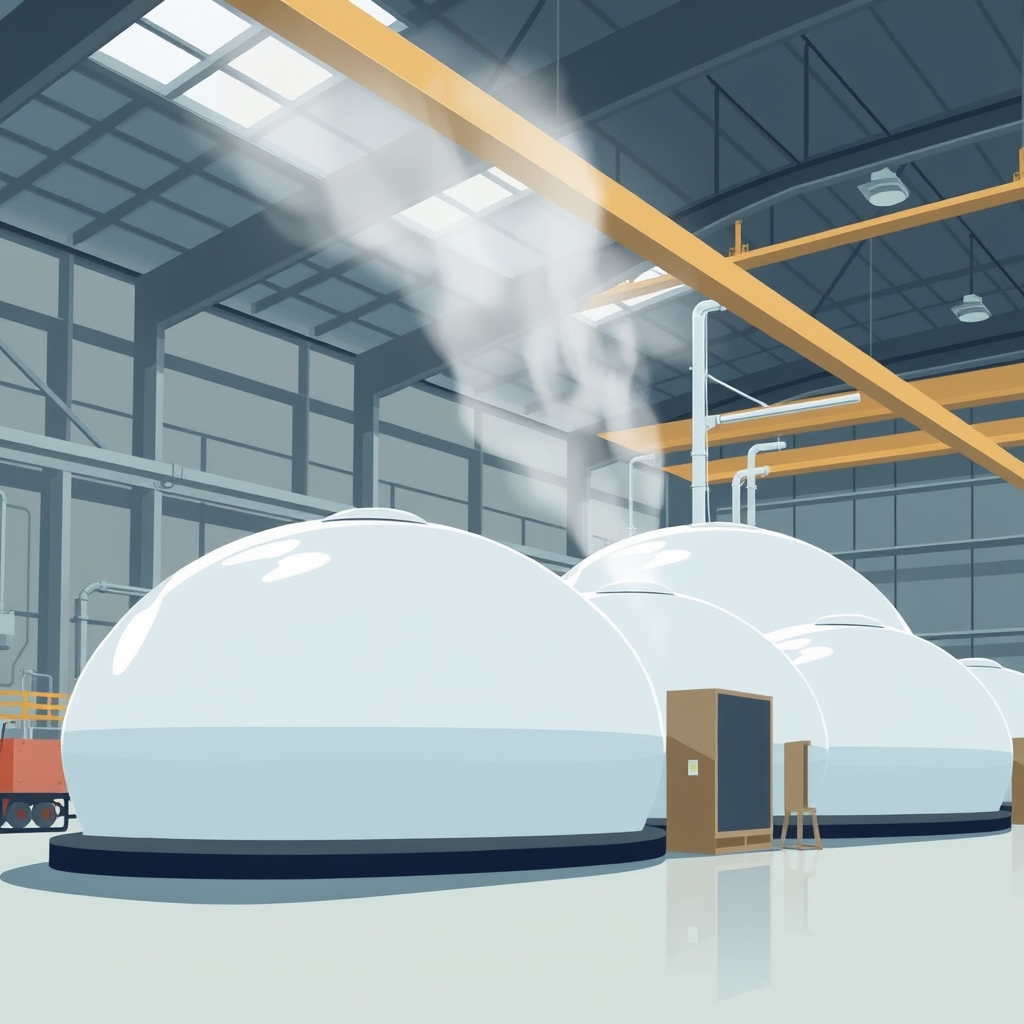
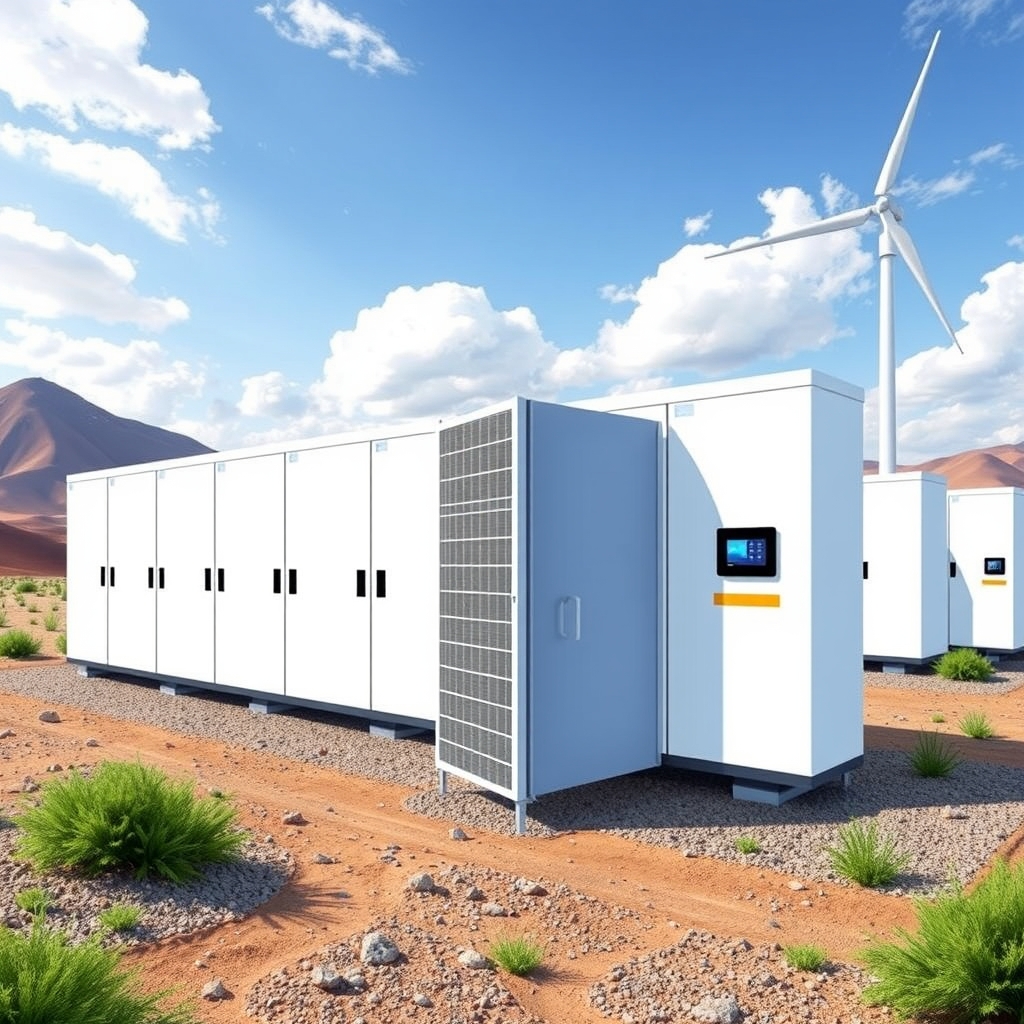
CATL has released detailed technical specifications for its Tener Sodium battery energy storage system, highlighting a 30+ MWh capacity per block and 95% round-trip efficiency. The company states that the sodium-ion design offers significant reductions in cooling requirements, noise, and footprint compared to its LFP EnerX line, with overseas deliveries scheduled for summer 2027.
Commercial sodium-ion cells now reach 175 Wh/kg, closing the performance gap with advanced LFP batteries for stationary applications. Silvia Bodoardo of the Polytechnic University of Turin highlights the convergence of safety, cycle life, and manufacturability as key drivers for this shift.
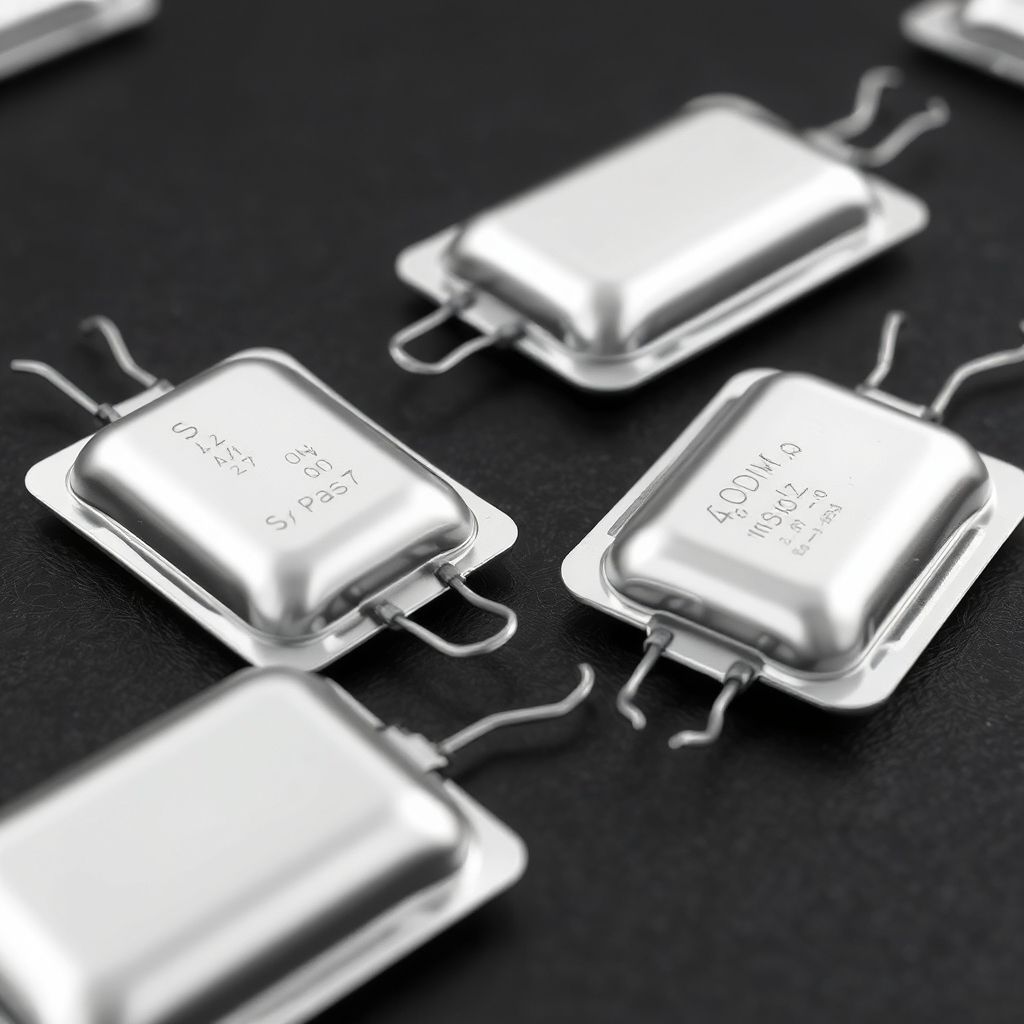
Shenzhen-based Grepow has launched a series of sodium-ion pouch cells designed for industrial equipment and cold-weather applications. The company reports that its development cell retained 94% capacity after 2,000 cycles, outperforming lithium iron phosphate in internal comparative tests.
Sodium-ion battery technology has entered commercial production with over 70 GWh of supply agreements, according to Saur Energy. A Wood Mackenzie report indicates that while current unit costs are higher than LFP, total ownership costs are lower over a 20-year period.
Anker Solix has launched its XE home battery in Australia, featuring a dual-cycle design that scales up to 42kWh. The company aims to capture demand for plug-in solar and storage, though regulatory timelines for these products remain uncertain.
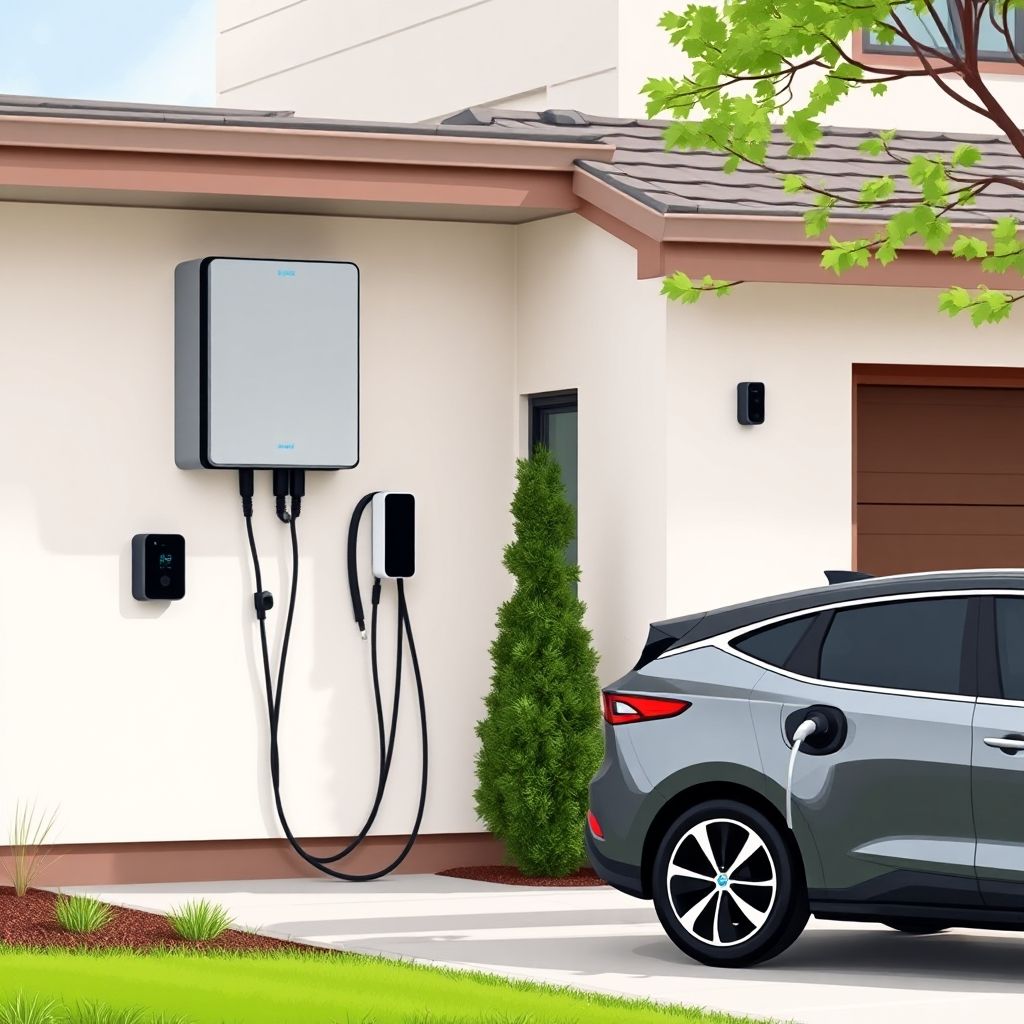
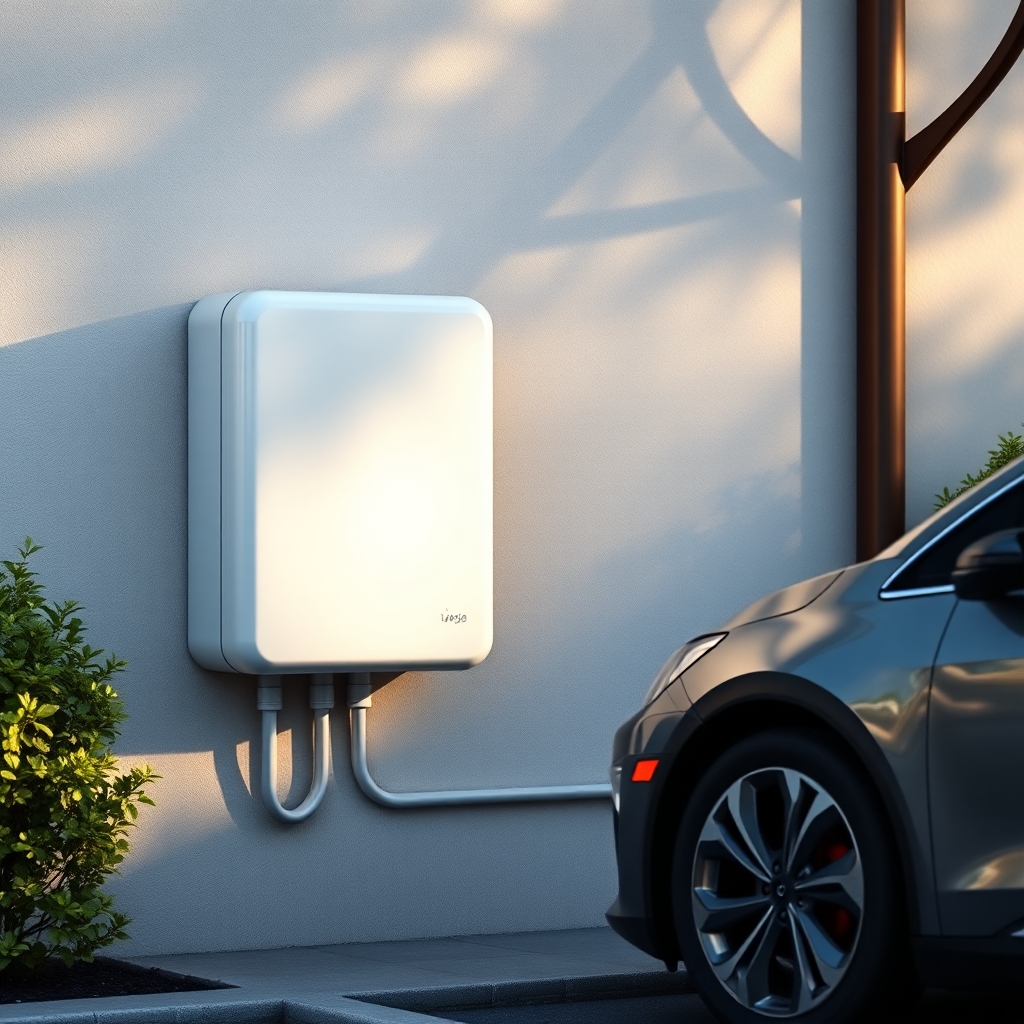
Lunar Energy has introduced its next-generation Lunar System, featuring a 30 kWh single-stack capacity and a bidirectional EV charger that adds 100 miles of range in an hour. The company plans to begin installations in early 2027, with the EV charger rolling out later that year.
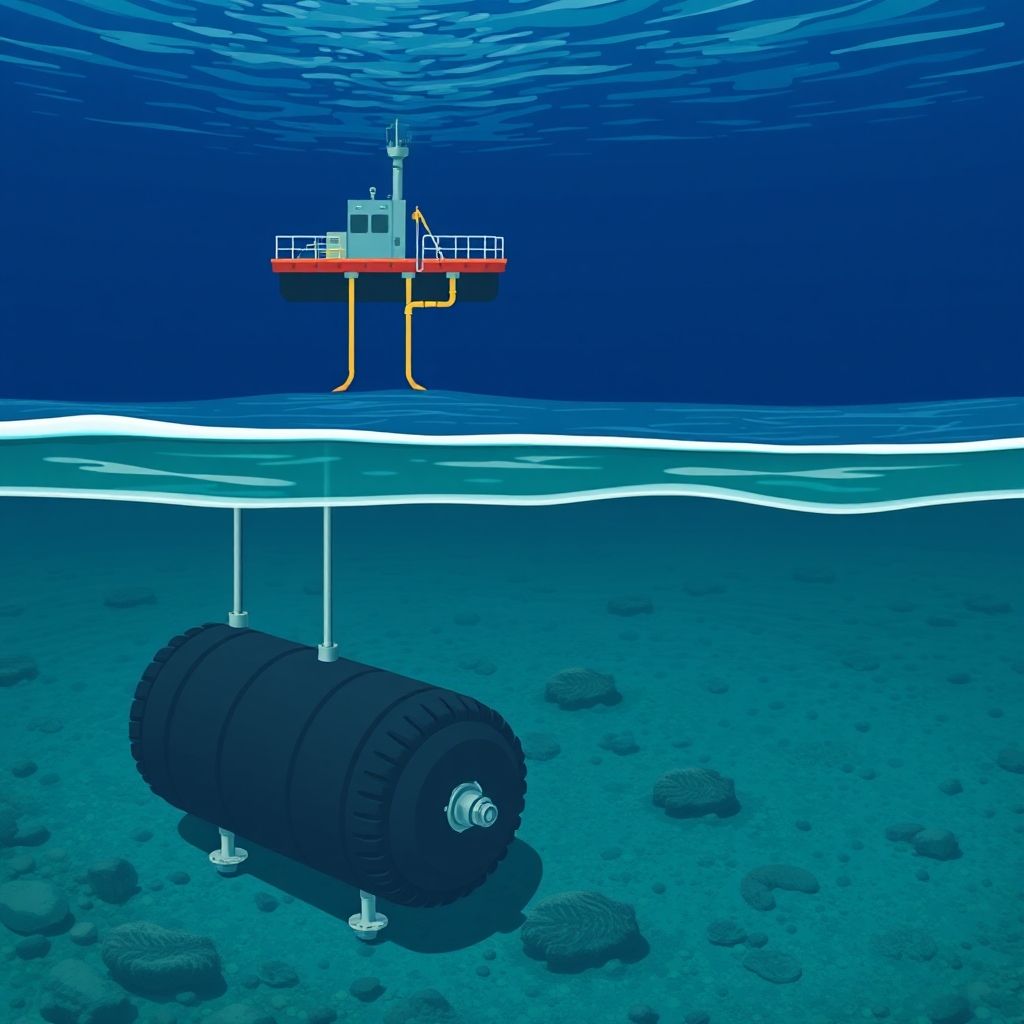
Italian startup Sizable Energy has moved from concept validation to active project development for its offshore gravity-based energy storage system. The company plans to deploy an integrated demonstrator with a Naples data center in the first half of 2027, following successful tests in Italy and the Netherlands.
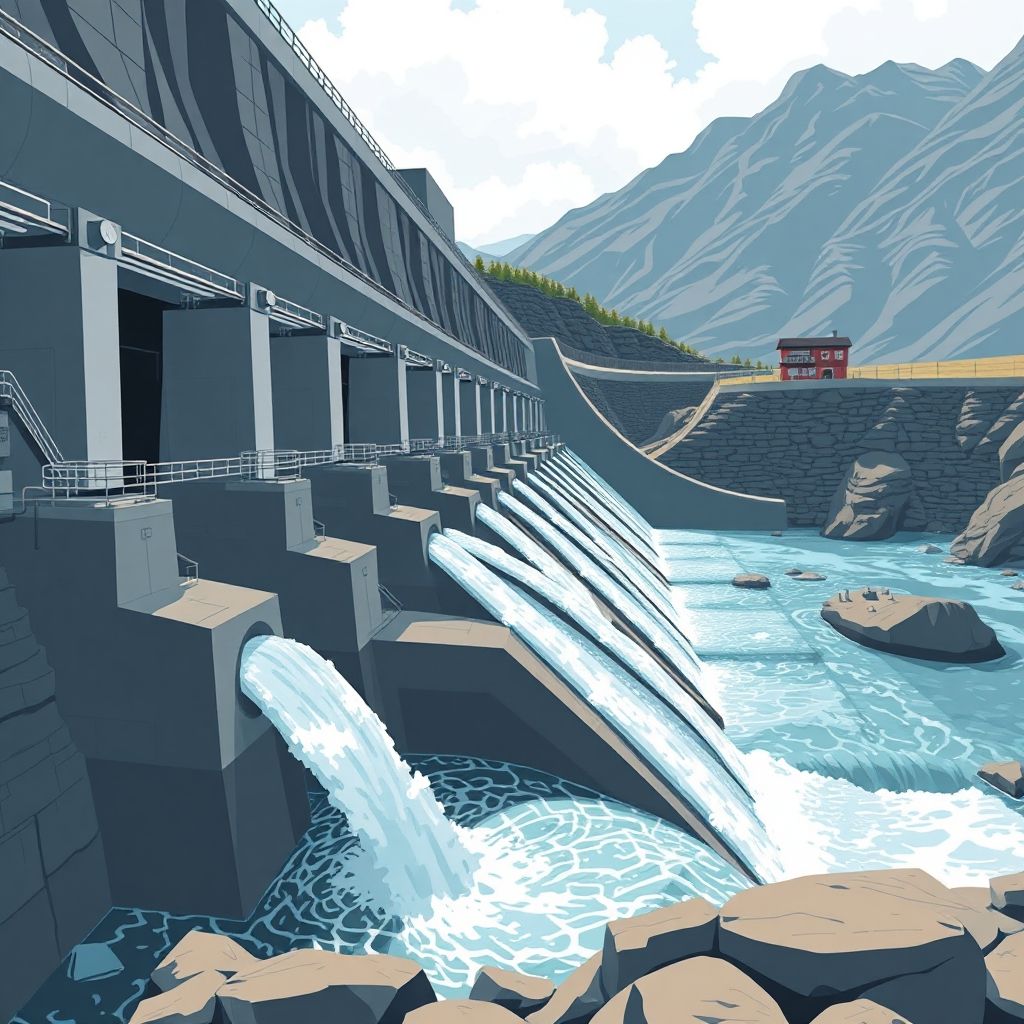
Snowy Hydro has confirmed that the Snowy 2.0 project will face a 10-month commissioning delay and increased costs, prompting AEMO to revise its annual Electricity Statement of Opportunities. The updated report, expected in early December, indicates no unserved energy before 2032-33 but flags potential blackout risks in NSW, SA, and Victoria.
Wood Mackenzie analysis indicates that sodium-ion battery supply agreements have exceeded 70 GWh, driven primarily by Chinese manufacturers. While cell-level cost parity with lithium iron phosphate is expected by late 2026, full system-level parity is projected to arrive only after 2030.
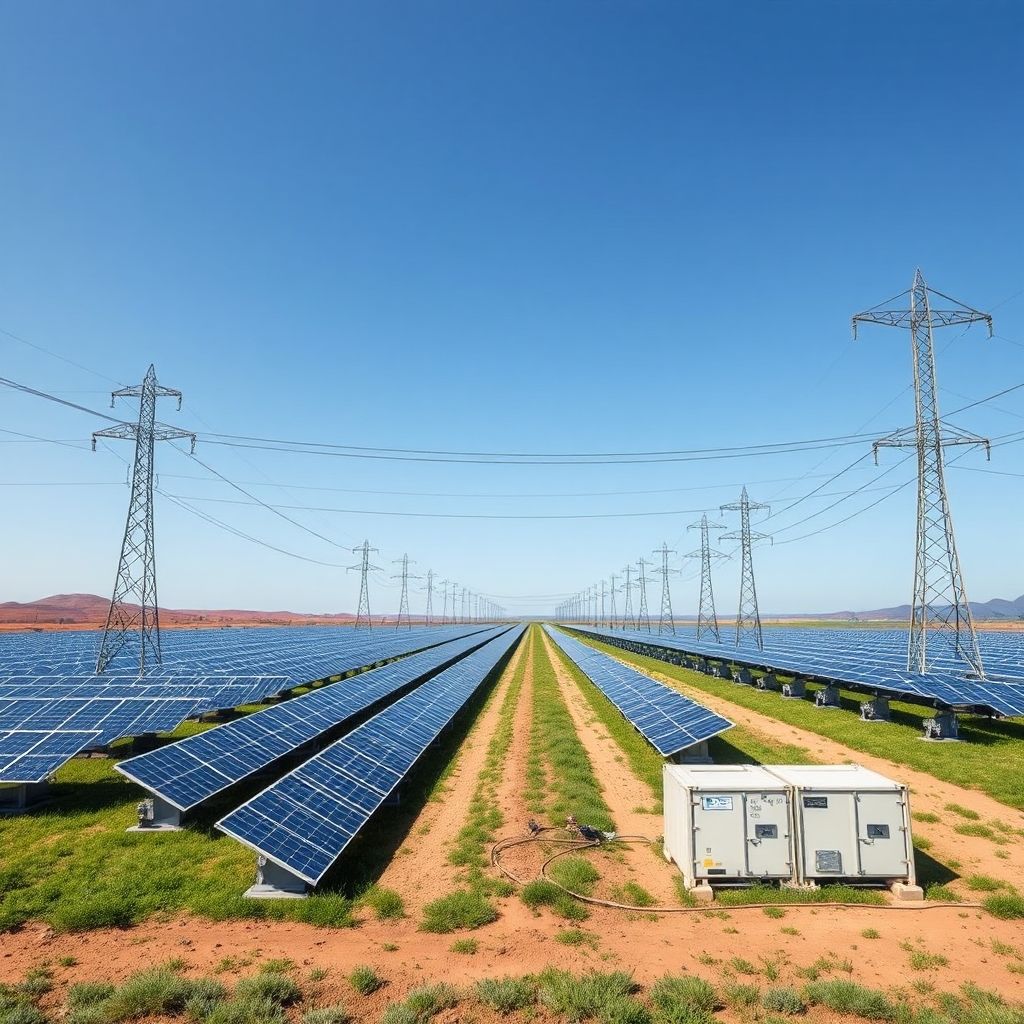
Solar-plus-storage now accounts for over 90% of new U.S. grid capacity, driven by data center expansions and rising demand. Developers are adapting through AC-coupled architectures, terrain-following trackers, and stricter construction deadlines.
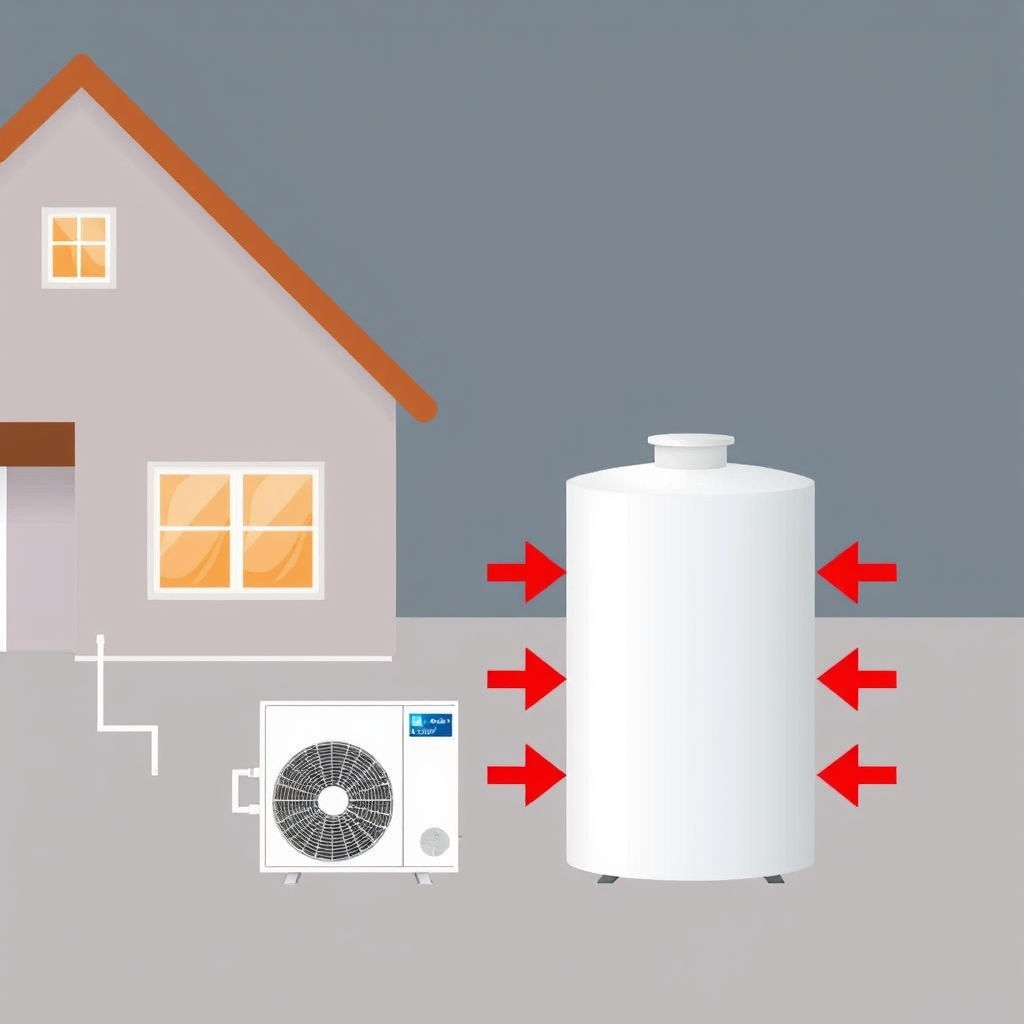
Researchers at Pennsylvania State University modelled a residential system pairing heat pumps with potassium carbonate thermochemical storage to manage cold-weather demand. The study identifies specific efficiency targets needed to make the technology viable for long-duration heating.
GridPoint is expanding its energy intelligence platform to include on-site battery storage, aiming for 2 GW of capacity across more than 20,000 commercial sites. The company will finance, install, and manage the systems to help customers optimize bills, provide grid services, and enhance resilience.
Noida Power Company Limited has issued a tender for an 80 MW/320 MWh standalone battery energy storage system in Greater Noida, Uttar Pradesh. The project will be developed under a build-own-operate-transfer model with bids due by December 9, 2026.
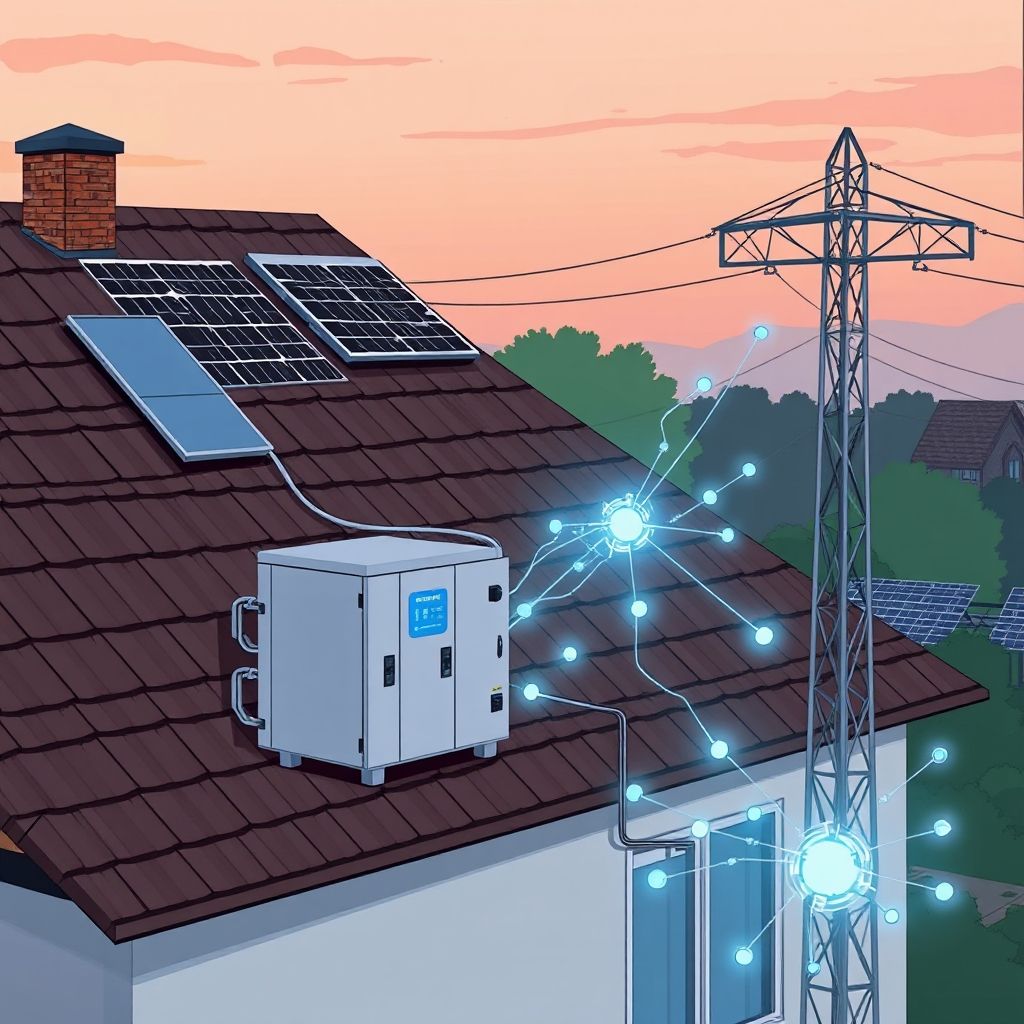
Ohm Analytics reports that residential battery deployments reached nearly 1 GWh in Q2 2026, offsetting a 19% year-over-year decline in solar installations. Tesla and other providers are leveraging VPP programs and state incentives to position batteries as standalone grid assets rather than solar add-ons.
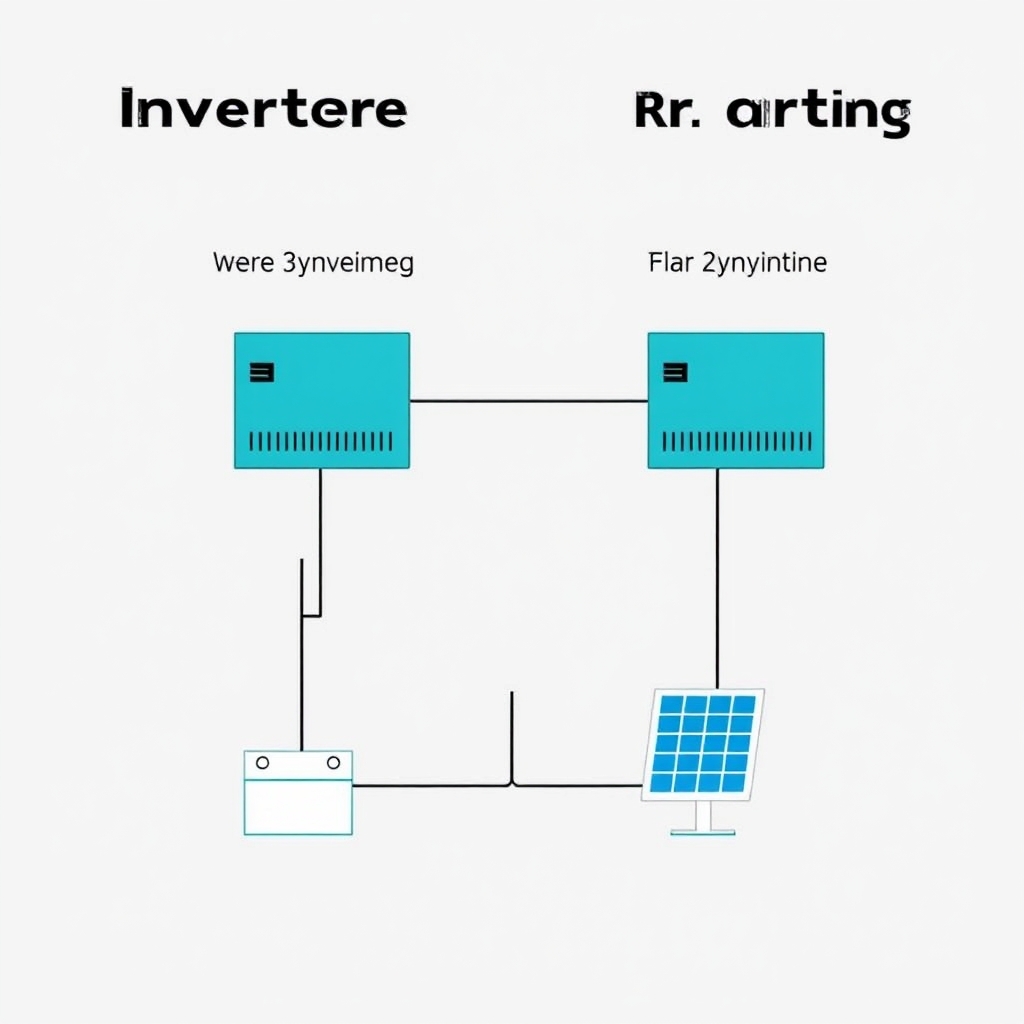
Bucharest University of Economic Studies researchers compared grid-forming and grid-following inverters in a 5 kW residential solar-plus-storage system. The analysis found that while grid-forming units cost more upfront, they offer superior stability and positive economic returns in Romania's emerging electricity market.
Australian grid batteries have gone from one hour at Hornsdale in 2017 to eight hours at Limondale, and are now moving towards 10 hours and beyond. CATL, Valo and EnerVenue are pitching sodium and nickel hydrogen for long-duration, off-grid and fire-sensitive sites.
The state aims to deploy 2.5 GW/10 GWh of battery energy storage, with TNPDCL procuring the first phase via competitive bidding. Existing renewable energy substations must add 10% BESS capacity with four-hour discharge by FY 2028–29.
A new RMI report quantifies the grid reliability benefits of utility-scale batteries in California and Texas, noting their significant output during peak demand periods. The study also projects that battery storage will generate over $440 million in annual local tax revenue by 2026 and yield substantial public health savings by displacing gas peaker plants.
Battery retrofits at existing Australian solar farms now roughly match new co-located builds, with RWE's 400 MWh Limondale battery and Sungrow's DC-coupled Warnertown upgrade among the examples. The federal DCAP program offers AUD 100 million in debt financing for retrofit, standalone and hybrid storage.
Lunar Energy announced that its California customers saved a median of $543 on electricity bills in August, with the company attributing $199 of that total to its AI optimization algorithms. The home battery provider is also preparing to participate in virtual power plant markets as California regulatory frameworks for grid services evolve.
Smartgrid Analytics has unveiled Solvyn AURA, an AI-powered platform designed to manage renewable energy dispatch and revenue. The company aims to support over 200 GW of capacity in India within five years, starting with a 1 GWh deployment for BluPine Energy.
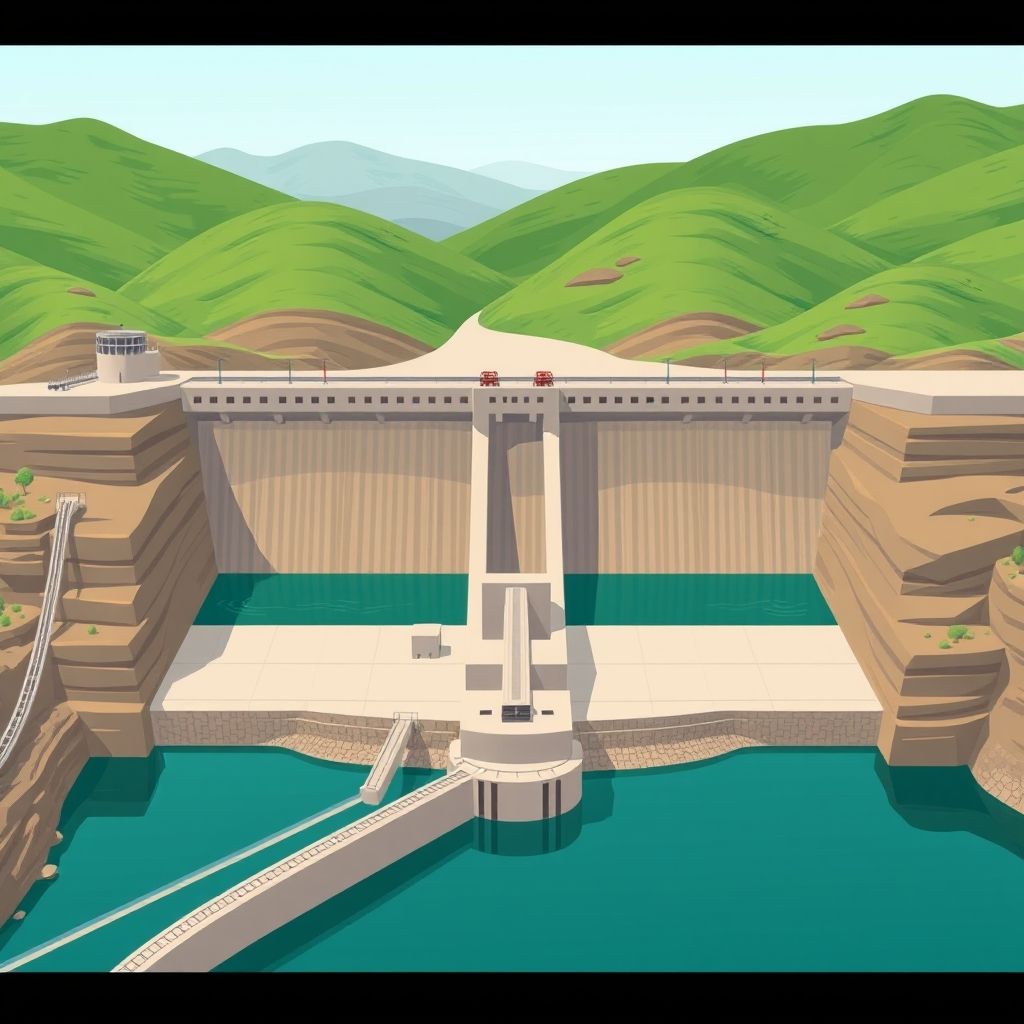
Torrent Power says its 3,000-MW Karjat pumped storage project in Maharashtra lies about 16 km from the Bhimashankar Wildlife Sanctuary, outside its eco-sensitive zone, after receiving environmental and forest clearances. The company estimates the 80-year project will avoid 5.85 million tonnes of CO2 a year.
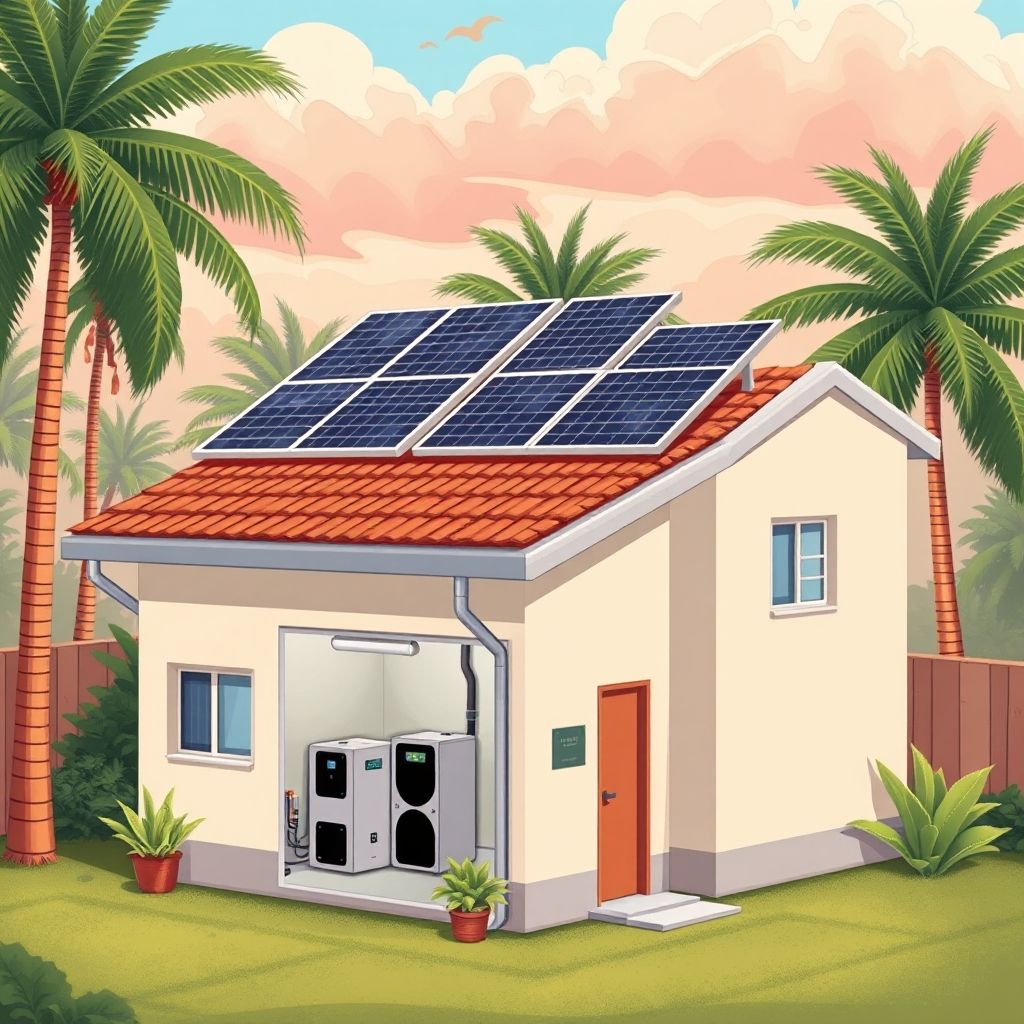
A two-unit building in Bayamón relies on three independent solar and battery systems to maintain power amid frequent grid outages. The installation, completed by Ingenious Solution Services, is currently operating in self-consumption mode while awaiting final certification from the local utility.
Economic offloading of Australian grid-scale solar fell 54% year on year in the September quarter, to 5.9% of availability, as battery charging and daytime demand rose, AEMO says. Network curtailment, however, doubled to a record 281 MW.
TCL SunPower has introduced the X5 hybrid energy storage cabinet, targeting the European commercial and industrial market with a base capacity of 50 kW/100 kWh. The company states the pre-assembled unit can reduce installation costs by up to 60% compared to on-site assembly.
Transaera is testing a rooftop heat pump system using metal-organic frameworks in a Washington D.C. multifamily building. The project, supported by a $125,000 grant, aims to prove independent data on energy efficiency and operating cost reductions.
An Ember report finds that pairing 3-kW rooftop solar with 5-kWh batteries could reduce daytime grid exports by 85-90%, shifting 1,600-1,800 units to evening use. The analysis highlights a payback period of 9 years without subsidies, which drops to 6.3 years with a proposed 50% battery subsidy.
Sodium-ion storage developer Peak Energy secured $108 million in Series B funding led by GM Ventures to expand domestic manufacturing and fulfill over $1 billion in orders. The company plans to begin production at a new Sacramento facility in early 2027, supporting a growing backlog of grid-scale deployments.
Alinta has cancelled its 900MW Oven Mountain pumped hydro project in northern NSW, citing economic and timing challenges. The decision ends a plan that was granted critical state significance in 2020 and aimed to serve over 600,000 homes.
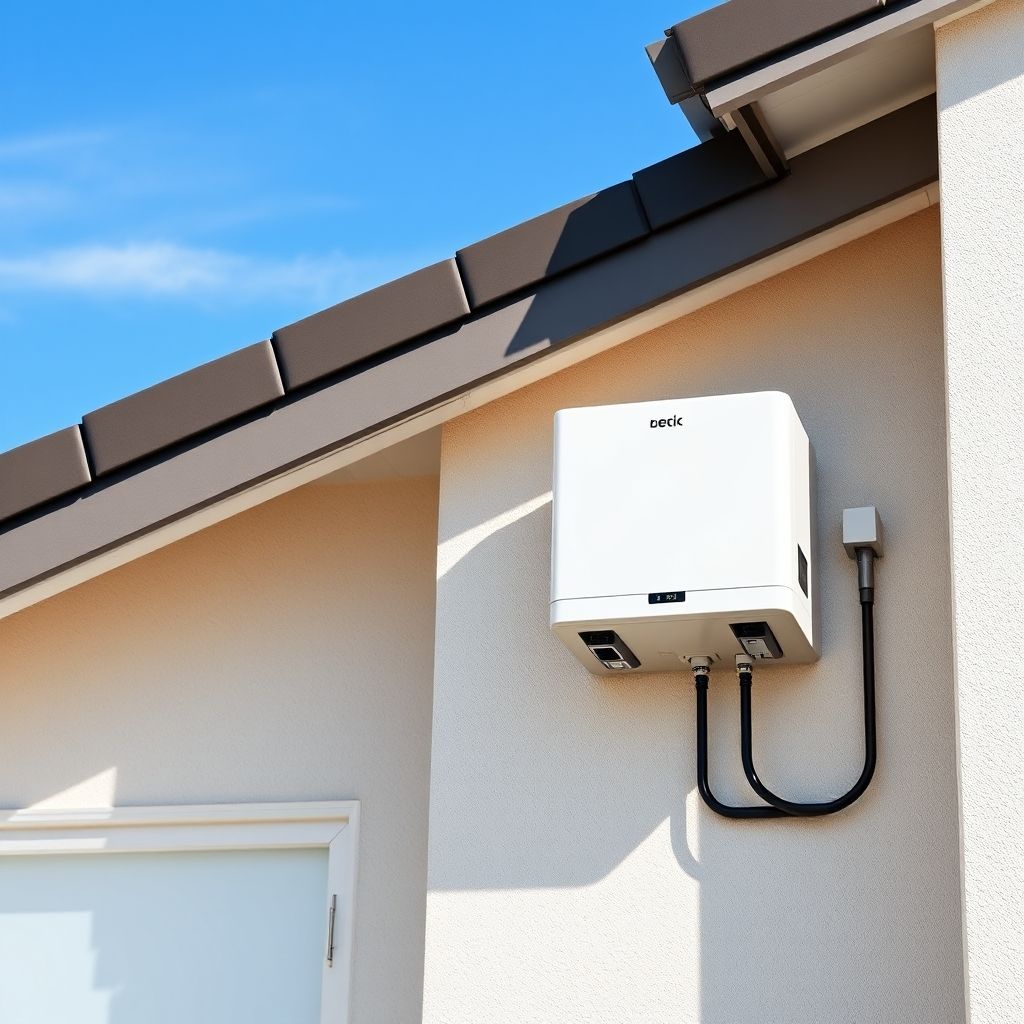
Fox ESS has introduced the Power Cube, a home battery system featuring integrated heating to maintain performance in cold Australian winters. The launch follows a period of rapid market growth, with installations tripling between February and April.
The National Electricity Market connection queue has grown to 80.9 GW, exceeding current capacity, with batteries comprising 55% of the pipeline. Recent approvals and commissioning milestones highlight a shift toward longer-duration storage to manage rising demand and retiring generation.
Budderfly has announced a $500 million initiative to build 150 MW of municipal virtual power plants across 100 U.S. cities. The program utilizes solar and storage to reduce energy costs without requiring upfront taxpayer capital.
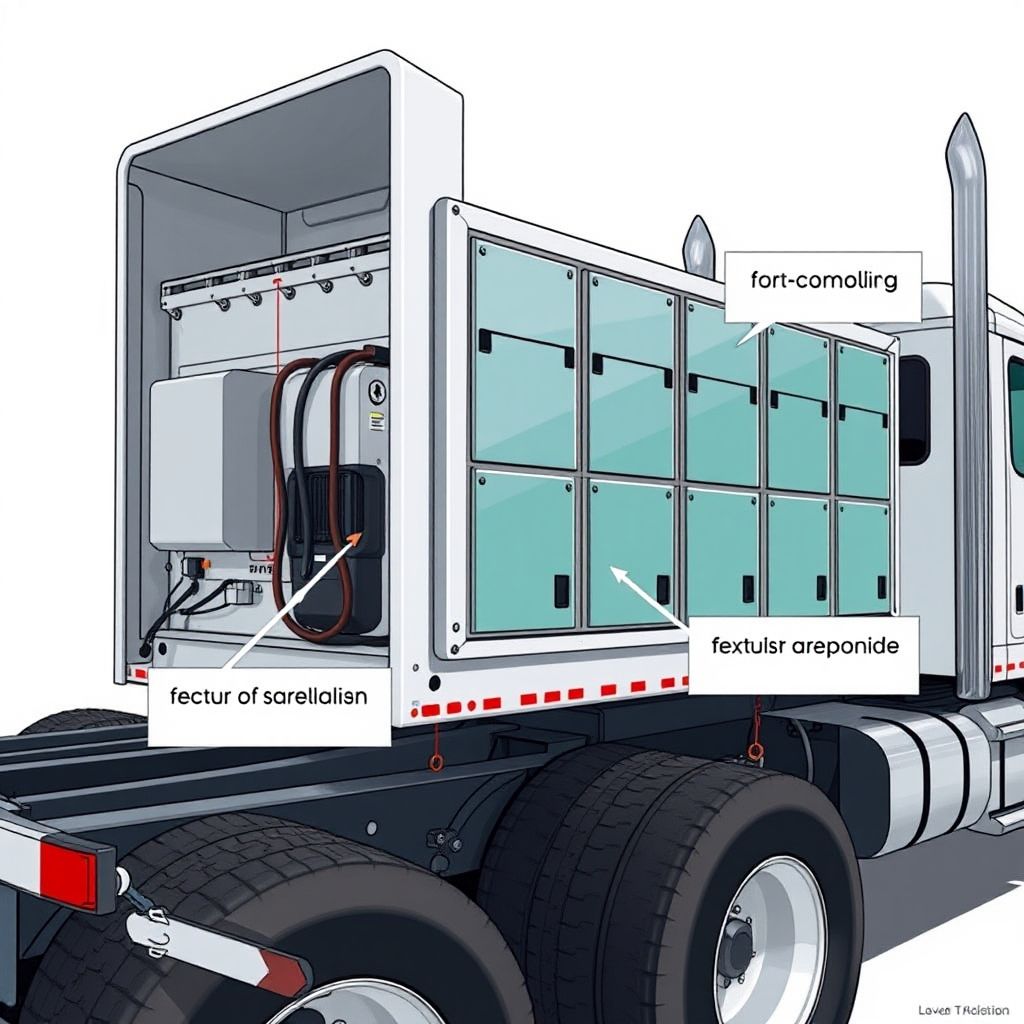
CATL has launched a dual-battery system for electric heavy trucks that pairs a swappable main pack with a 77 kWh backup battery, letting drivers use more than 95% of the main pack. Its QIJI Energy unit plans 900 truck swapping stations by the end of 2026 and 2,000 by 2027.
Arena is offering up to $75 million for a 30 MW / 360 MWh Rondo Energy heat battery at Rio Tinto’s Yarwun alumina refinery in Queensland: $3.6 million for a FEED study due in 2027, $38 million for deployment after a final investment decision, and $33.3 million in conditional contingency support.
GreenPoint Energy has announced it will hire 75 former Whyalla Steelworks employees for its Koolunga battery storage project near Brinkworth. The 200-megawatt facility, built by GenusPlus, is scheduled to begin operations in early 2028.
Good Carbon Co. has deployed a 3.75-MWh Viridi battery system indoors at a 105-unit affordable housing complex in Buffalo, New York. The project, supported by NYSERDA and National Grid, integrates storage with geothermal heating to manage peak demand and provide backup power.
Sacramento-based Qnetic has completed initial testing of its Pulsar flywheel energy storage system in Shanghai, achieving 100 continuous cycles without faults. The company plans to launch a pilot program with Sacramento Municipal Utility District in the first half of 2027.
Ember analysis shows current national storage targets total 822 GW by 2030, significantly lagging the 1,500 GW committed at COP29. While 2025 additions reached 118 GW, maintaining current rates would still leave the global goal unmet.
Illinois’ first battery storage incentive round secured 600 MW, less than two-thirds of its initial target, with just 80 MW in ComEd’s northern territory against 520 MW in Ameren’s. Developers cited PJM interconnection delays as the state collects feedback through Oct. 28.
Nightpeak Energy has brought the Bocanova 2 battery storage facility online in Brazoria County, Texas. The project adds 150 MW of capacity to the site, bringing the total installed capacity to 300 MW.
ArcActive has activated a lead-acid battery pilot system at Deakin University’s 7.25 MW microgrid testing site in Australia. The project, partnered with Origin Zero, aims to standardize commercial storage deployment using proprietary bipolar technology.
Premier Energies and Germany’s RCT Nexor have formalized a joint venture to manufacture battery energy storage systems in Seetharampur, Telangana. The venture plans a total capacity of 12 GWh, with the first phase targeting 6 GWh by FY2027-28.
Valo Energy, a Wärtsilä and RCT joint venture, expects to announce its first large-scale sodium-ion battery project in early 2027. The proposed system may feature a hybrid design with a sodium-ion component targeting at least 50 MW of connected power.
China Huadian has connected a 100 MW/1,000 MWh compressed CO2 energy storage facility to the grid in Xinjiang. The plant, developed by Xi’an Jiaotong University, aims to save 50,000 metric tons of coal annually.
Leader Energy has begun construction on a 100 MW/400 MWh battery storage project in Negeri Sembilan. The facility is part of Malaysia’s MyBeST programme aimed at reducing reliance on fossil-fuel peaking plants.
Mova has introduced the LumeGret S5000, a residential energy storage system that unifies solar generation, battery storage, and electric vehicle charging management. The device features an integrated inverter and app-based controls that optimize household power flows and EV charging priorities.
The Blackstone battery energy storage system has received final approval to proceed, with a capacity of up to 500 MW and 2,000 MWh. Located on former coal mining land near Ipswich, Queensland, the project targets commissioning in 2029 to support evening energy peaks.
The Summerfield battery energy storage system has started commissioning, marking the completion of a 20-month construction phase. Owned by Intera Renewables, the facility will store 960MWh of energy to support the South Australian grid.
POWERGRID is soliciting a pre-bid contractor for a 187.5 MW/750 MWh battery energy storage system in Telangana. The project will be developed under a build-own-operate model for TGGENCO with a 15-month completion timeline.
Exide Technologies has introduced the Solition Powerflex, a modular 125 kW/261 kWh battery energy storage system designed for commercial, industrial, and renewable sectors. The system utilizes LFP chemistry and a European-developed control system to support grid services and self-consumption.
The Andhra Pradesh Power Coordination Committee has invited bids for a 5 GWh battery energy storage system under a build-own-operate model. The tender includes strict local content mandates and financial security requirements for developers.
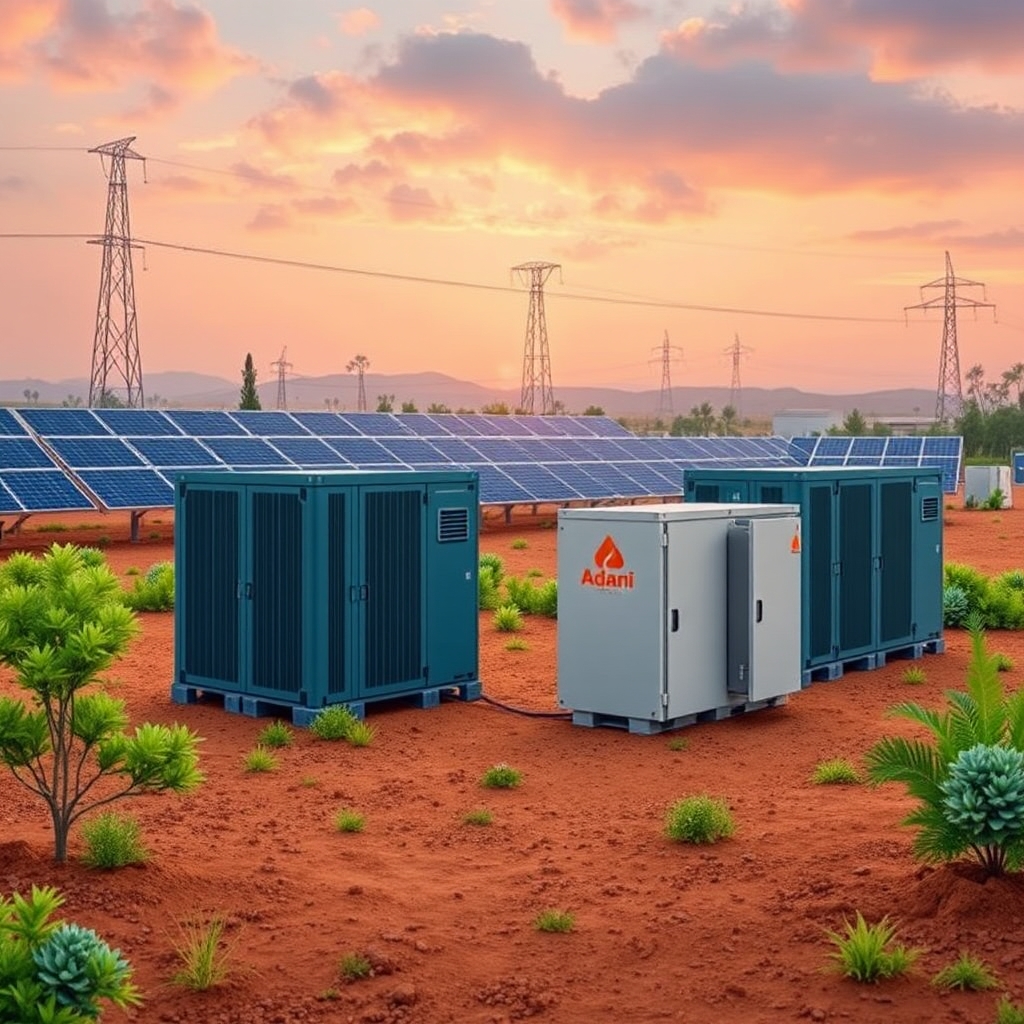
Adani Green Energy has operationalized 3,081 MWh of battery storage in Q2 FY 2027, bringing its total installed BESS capacity to 6,632 MWh. The company aims to exceed 10 GWh of BESS capacity by the end of the financial year, supporting its broader renewable portfolio which grew by 24% year-on-year.
Vikram Solar subsidiary VSL PowerHive has announced plans to construct a major battery energy storage facility near Chennai, Tamil Nadu. The project aims to support India's growing demand for round-the-clock clean power with localized manufacturing.
Energy Dome has opened a manufacturing plant in Piacenza, Italy, to produce its innovative compressed air energy storage systems. The company aims to ramp up production to support the growing demand for energy storage solutions.

 Storage