
Koolunga battery project offers 75 jobs to former Whyalla Steel workers
GreenPoint Energy has announced it will hire 75 former Whyalla Steelworks employees for its Koolunga battery storage project near Brinkworth. The 200-megawatt facility, built by GenusPlus, is scheduled to begin operations in early 2028.
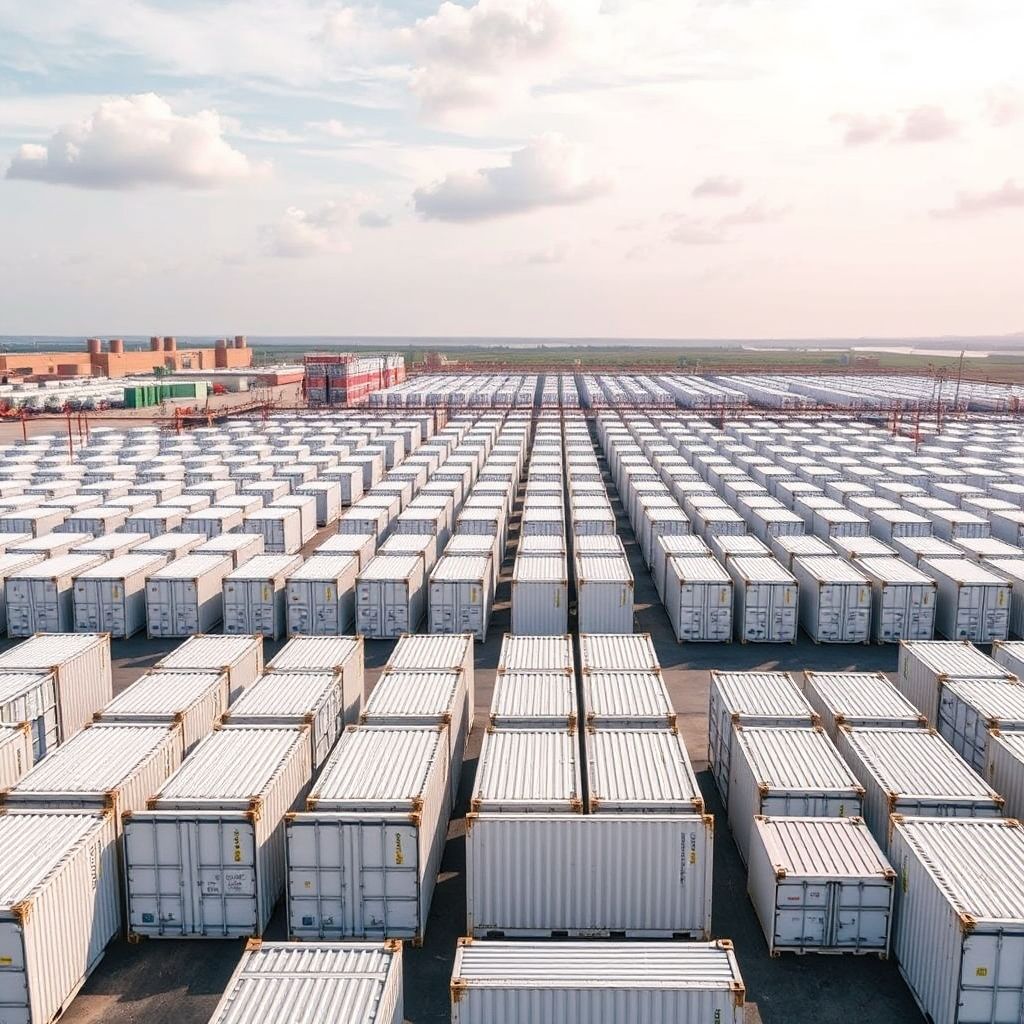
GreenPoint Energy has announced it is offering 75 jobs to former employees of the Whyalla Steelworks as part of its Koolunga battery storage project. The facility is located near Brinkworth in South Australia and is designed to provide grid-scale energy storage. According to the company, the project aims to support workforce transition in the region while expanding clean energy infrastructure.
The Koolunga project features a battery capacity of 200 megawatts and 800 megawatt-hours. This scale allows the system to deliver substantial power to the grid over extended periods, helping to balance supply and demand. The initiative represents a direct effort to repurpose industrial skills for the renewable energy sector, leveraging local talent for the construction and operation of the new facility.
Construction and Operations
GenusPlus has secured the contract to build the Koolunga battery facility, marking the transition from planning to physical development. The construction phase will focus on assembling the high-voltage infrastructure required for grid-scale storage. This build-out involves complex engineering tasks that demand specialized labor, particularly in handling electrical systems and industrial equipment. For projects of this magnitude, the construction timeline dictates the pace at which local supply chains engage, creating immediate demand for skilled tradespeople who can navigate the technical requirements of modern energy infrastructure.
Once construction concludes, the project is expected to begin operations in early 2028. This schedule aligns with the broader industry trend where large-scale storage projects face lengthy lead times for equipment procurement and installation. The operational start date signals when the facility will first interact with the grid, allowing it to begin managing energy flows. Until then, the site remains a construction zone, requiring continuous management of safety and logistics to ensure the facility meets regulatory standards before it goes live.
The workforce roles identified for the build and run phases include electrical technicians, technical supervisors, high-voltage industrial specialists, and general construction staff. These positions reflect the specific skill sets needed to maintain and operate a high-capacity battery system. Electrical and HV industrial roles are critical for ensuring the safe transfer of power between the storage units and the grid, while technical supervisors oversee daily operational procedures. Construction positions support the physical assembly of the site, ensuring that the infrastructure is built to specification before the operational team takes over.
Corporate Structure
GreenPoint Energy operates as a subsidiary of Equis Development, a company based in Singapore. This corporate arrangement places the Koolunga project within a broader international development framework, where capital and strategic oversight often flow from parent entities to local operating arms. For large-scale infrastructure ventures, such structural relationships are common, allowing specialized regional teams to execute construction and operational tasks under the guidance of a larger corporate parent. The Singaporean connection suggests a business model that integrates global investment resources with localized project management, a pattern frequently seen in the renewable energy sector as developers seek to diversify their portfolios across different markets.
Understanding the hierarchy between GreenPoint and Equis Development provides context for the decision-making processes behind the project’s announcements. While GreenPoint handles the day-to-day interactions with local stakeholders, including workforce transition initiatives and construction contracts, the ultimate financial backing and strategic direction likely reside with the Singaporean parent. This structure can influence how risks are managed and how long-term operational commitments are secured, as the parent company’s balance sheet and global reputation may underpin the subsidiary’s obligations. Investors and local partners often look to these corporate ties to gauge the stability and long-term viability of a project, particularly when significant capital expenditure is involved in building grid-scale storage facilities. The distinction between the operating entity and its parent is a standard feature of international energy development, ensuring clear lines of accountability while leveraging cross-border expertise.
Workforce Transition
- Roby Camagong stated, "We’re extremely pleased to be able to play a role"
- Camagong described the group as a "highly skilled workforce with the technical expertise needed"
- GreenPoint characterized the positions as "highly skilled, transferrable roles"
The comments from Roby Camagong highlight the specific value the project places on the existing talent pool. By emphasizing that the workforce possesses the necessary technical expertise, the statement suggests that the transition is not merely about filling vacancies but about integrating individuals who already command the complex industrial skills required for modern energy infrastructure. This approach reduces the time and cost typically associated with training new staff in high-risk environments, allowing the project to leverage established competence from the outset.
GreenPoint’s description of the positions as "highly skilled, transferrable roles" underscores the strategic nature of the hiring process. In the broader energy sector, such transferability is key because it allows workers to move between different types of industrial facilities without starting from zero. This portability is particularly important for regions undergoing economic shifts, as it provides a stable career path for employees whose previous industries are scaling back. For the project, securing staff with these adaptable skills ensures that the operational team can maintain the facility’s complex systems with minimal disruption, supporting long-term reliability and safety standards.
What to watch
With operations targeted for early 2028, the immediate focus shifts to executing the construction phase without delay. Stakeholders should monitor the pace of site assembly, as the timeline for large-scale storage facilities often hinges on equipment procurement and installation logistics. Any shifts in the schedule could ripple through local supply chains, affecting the rhythm of skilled trade engagement. The transition from a construction zone to an active grid asset requires rigorous safety and regulatory compliance, making the pre-commissioning period a critical checkpoint for project viability.
The integration of the former Whyalla Steel workforce represents a distinct milestone for the region’s economic pivot. Watching how these "highly skilled, transferrable roles" are filled and retained will test the practicality of the transition strategy. For the local labor market, the success of this hiring drive depends on whether the technical expertise previously applied to steel production translates smoothly into battery maintenance and high-voltage systems. This shift illustrates how industrial regions can repurpose specialized talent when legacy industries scale back.
Corporate oversight from Equis Development will also shape the project’s long-term stability. Investors and local partners typically look to parent company structures to gauge risk management and financial backing. As the project moves toward its operational start, the clarity of accountability between GreenPoint and its Singaporean parent becomes increasingly relevant. Observers should track how strategic decisions flow through this hierarchy, ensuring that local operational commitments remain aligned with broader international development goals. The interplay between local execution and global capital will define the project’s trajectory in the coming years.
Source: RenewEconomy. This article is an original Luminity report based on the linked source.