
South Australia’s 240MW Summerfield battery begins commissioning ahead of record status
The Summerfield battery energy storage system has started commissioning, marking the completion of a 20-month construction phase. Owned by Intera Renewables, the facility will store 960MWh of energy to support the South Australian grid.
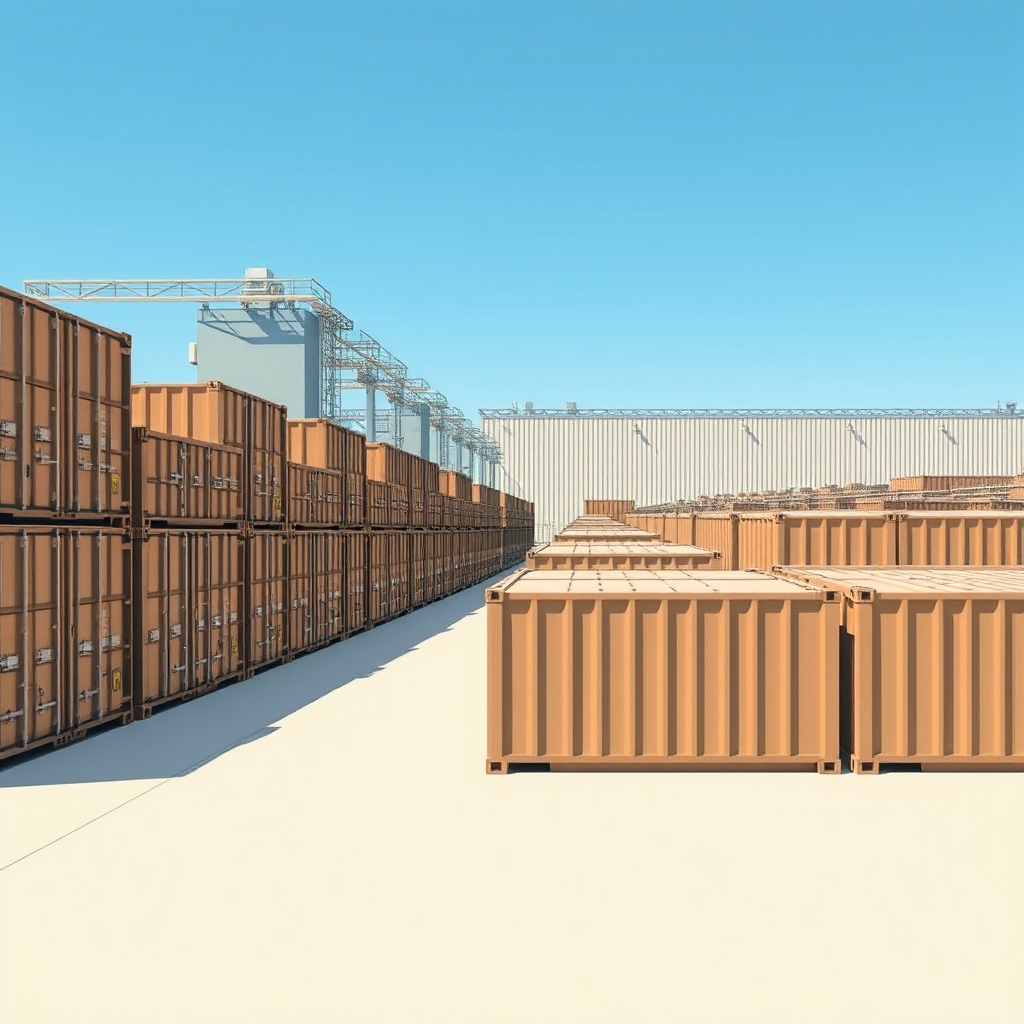
Commissioning has begun this week for the Summerfield battery energy storage system, a major new addition to the South Australian grid. According to RenewEconomy, the facility is designed to deliver a peak output of 240 megawatts. With a total energy storage capacity of 960 megawatt-hours, the project represents a step in local renewable energy infrastructure.
Location and Ownership
The Summerfield facility sits 55 kilometres east of Adelaide, a strategic placement for large-scale grid infrastructure. Proximity to the state capital reduces transmission losses, allowing stored energy to reach high-demand urban centers more efficiently. For developers, locating projects near major load centers is a standard practice to maximize the value of electricity discharged during peak hours. This geographic positioning also simplifies interconnection logistics, as it likely aligns with existing high-voltage transmission corridors that serve the metropolitan area.
Ownership of the asset currently rests with Intera Renewables, a subsidiary of Palisade Investment Partners. This arrangement highlights a common trend in the renewable energy sector where specialized developers partner with global infrastructure investors to finance large capital expenditures. Palisade is known for its focus on long-term, low-carbon infrastructure, suggesting a stable ownership structure intended to support the asset’s operational lifespan. Such partnerships often provide the capital depth required for complex engineering projects, while local or specialized operators handle day-to-day management and technical oversight.
The project’s lineage traces back to Copenhagen Infrastructure Partners, which originally developed the site. Transitioning ownership from an initial developer to a long-term infrastructure investor is a typical lifecycle stage for mature energy assets. This shift often signals that the project has moved past the construction and commissioning phases into its steady-state operational period. For investors, acquiring assets with proven grid connections and established regulatory approvals reduces early-stage risks, allowing them to focus on optimizing energy trading strategies and maintenance protocols over decades.
Infrastructure and Supplier
- Over 200 SolBank 3.0 battery containers form the core hardware of the facility
- The equipment is supplied by e-Storage, a subsidiary of Canadian Solar
The physical heart of the Summerfield project consists of more than 200 individual battery containers, specifically the SolBank 3.0 model. These modular units are the fundamental building blocks of modern utility-scale energy storage systems. Each container houses high-density lithium-ion cells, power conversion equipment, and thermal management systems in a standardized, factory-assembled package. This modular approach allows for scalable deployment, where the total capacity of a plant is determined by the number of containers installed on-site rather than by the construction of a single, monolithic structure. For engineers, this design simplifies installation and maintenance, as individual modules can be serviced or replaced without shutting down the entire facility.
The supplier for this hardware is e-Storage, which operates as a subsidiary of Canadian Solar. e-Storage specializes in providing integrated energy storage solutions, covering everything from the battery cells themselves to the surrounding infrastructure required to manage them. In the broader sector, reliance on specialized suppliers like e-Storage is standard for large-scale projects. These providers offer not just the physical components but also the technical expertise and software controls needed to manage the complex interactions between the batteries and the grid. By sourcing from an established subsidiary of a major solar manufacturer, the project benefits from supply chain integration and established quality control standards. This type of supplier relationship is critical for ensuring that the storage assets perform reliably over their intended operational life, as the consistency of the underlying hardware directly impacts the longevity and efficiency of the entire system.
Grid Impact and Duration
The Summerfield battery’s operational profile is defined by a four-hour discharge duration. This specific timeframe is a critical design parameter in the energy storage sector, as it dictates how long the facility can sustain its full power output after a complete charge. Typically, grid operators prioritize assets with durations ranging from two to four hours to manage the most volatile periods of daily electricity demand. A four-hour window aligns well with the evening peak, when solar generation declines rapidly and household consumption rises simultaneously. By holding a full charge for this period, the plant can bridge the gap between daytime renewable production and nighttime demand, effectively smoothing out the steep ramp-down of solar output. This capability is essential for maintaining frequency stability and preventing price spikes during high-stress hours on the network.
The scale of this impact is substantial. The facility has the potential to supply power to 70,000 homes for the full four-hour duration. For residential consumers, this translates to reliable backup capacity during peak evening hours, reducing the reliance on fossil-fuel-fired peaker plants that are often called upon to balance the grid when renewable sources are unavailable. From a market perspective, such a large volume of dispatchable energy provides significant liquidity. It allows traders to arbitrage between low-cost solar-rich periods and high-cost evening peaks, which helps stabilize wholesale electricity prices. For the broader South Australian grid, which already hosts a high penetration of variable renewable energy, assets with this specific duration profile act as a buffer. They absorb excess generation during the day and release it when supply tightens, enhancing the overall resilience of the system against sudden fluctuations in wind or solar output. This dual function supports both economic efficiency and technical reliability.
What to watch
With construction kicking off in early 2025, the project is now entering a prolonged build-out phase lasting over twenty months. For investors and grid analysts, this extended timeline marks the critical transition from paper assets to physical infrastructure. The primary focus shifts to monitoring supply chain resilience and labor availability, as delays in these areas are common hurdles for large-scale battery deployments. Readers should look for milestones related to the delivery and installation of the hardware, which will determine if the facility meets its original commissioning schedule.
Beyond physical construction, the regulatory and market integration process deserves attention. As the plant nears completion, stakeholders will watch how it navigates local grid connection requirements and market entry protocols. These administrative steps often dictate when an asset can actually begin trading electricity. Any shifts in policy or grid operator guidelines during this build period could influence the project’s final operational parameters.
Ultimately, the next two years will reveal whether the theoretical capacity translates into reliable grid support. Success here depends on seamless coordination between engineers, suppliers, and regulators. For the sector, this project serves as a real-time case study in executing complex energy storage projects at scale. Keeping an eye on these development stages provides insight into the broader challenges and opportunities facing the renewable energy transition.
Source: RenewEconomy. This article is an original Luminity report based on the linked source.