
Anker Solix XE battery targets 42kWh capacity with dual-cycle design
Anker Solix has launched its XE home battery in Australia, featuring a dual-cycle design that scales up to 42kWh. The company aims to capture demand for plug-in solar and storage, though regulatory timelines for these products remain uncertain.
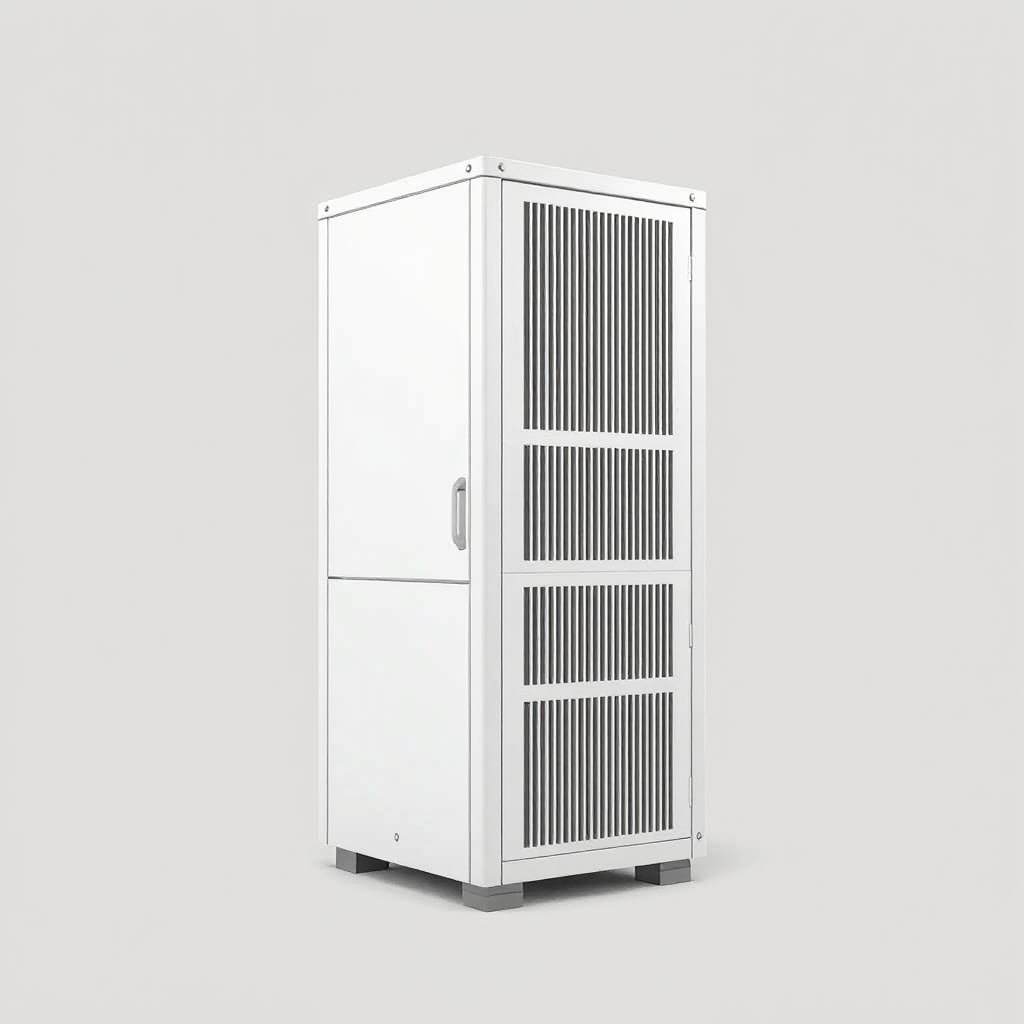
The new unit features a dual-cycle design intended to optimize energy usage throughout the day.
According to Anker, the XE battery starts with a 28kWh base capacity and can scale up to 42kWh in 7kWh increments. The dual-cycle mechanism allows the battery to charge during midday solar production, discharge during the evening peak, and top up overnight.
This launch follows Anker Solix’s official Australian debut in April 2025.
Initial Market Performance
Anker Solix entered the Australian market in April 2025, coinciding with the start of the federal home battery rebate. During that first year of the incentive, the company reported achieving more than 6,500 installations.
By August, Anker Solix had climbed to the number 2 position on the Solar Quotes top 10 home battery brands list. The earlier X1 battery range, however, was considered undersized against the prevailing market preference for systems in the 30-50 kWh range.
Technical Specifications and Design
- The XE unit stands 1.3 metres tall.
- Anker states that a single 7kWh module delivers up to 14kWh of usable energy daily through two full cycles.
- Installation time has been reduced from nearly a full day to just hours.
- Sachin Sardana, Anker Solix country head for Australia and NZ, noted that the system uses 5 kWh battery modules, with each stack limited to a maximum of 25 kWh.
Corporate Background and Strategy
Steven Yang, who previously worked as a software engineer at Google, established Anker Solix. The firm has broadened its presence across Europe, where it has distributed over 500,000 plug-in consumer energy items. As the brand scales its activities in Australia, Xie, the general manager for APAC, noted, "We’re still going to to consolidate that retailing channel structure."
On the subject of product evolution, Xie remarked, "Our product is always coming up with new features like this year, with XE, there are several [new] features the consumer will like."
Installation Hardware and Plug-in Market Context
The XE system features a gateway dock designed to fit within the switchboard, integrating a built-in meter and bypass into a four-breaker configuration. By eliminating the requirement for external CT wiring or an independent changeover switch, this design helps cut down on installation duration. Xie, Anker’s general manager for APAC, emphasized the company’s standing in the global plug-in sector, pointing out that the firm has distributed over 500,000 plug-in consumer energy products across Europe, including a substantial footprint in Germany. Xie described Anker as "leading in this industry, globally," while noting they are awaiting Australia’s official approval for the legal and safe deployment of plug-in solar and battery systems.
What to watch
Attention now turns to the possibility of the Australian government broadening subsidies to cover plug-in solar and storage units. Xie, the general manager for Anker’s APAC region, voiced optimism that such incentives are in development, remarking, "Are they also planning rebates for plug-in solar and storage? I hope so..." This ambiguity stands in stark contrast to the firm’s initial shock regarding the current home battery subsidy, a point confirmed by Sachin Sardana, the country head for Australia and NZ, who admitted they had not expected it.
Source: RenewEconomy. This article is an original Luminity report based on the linked source.