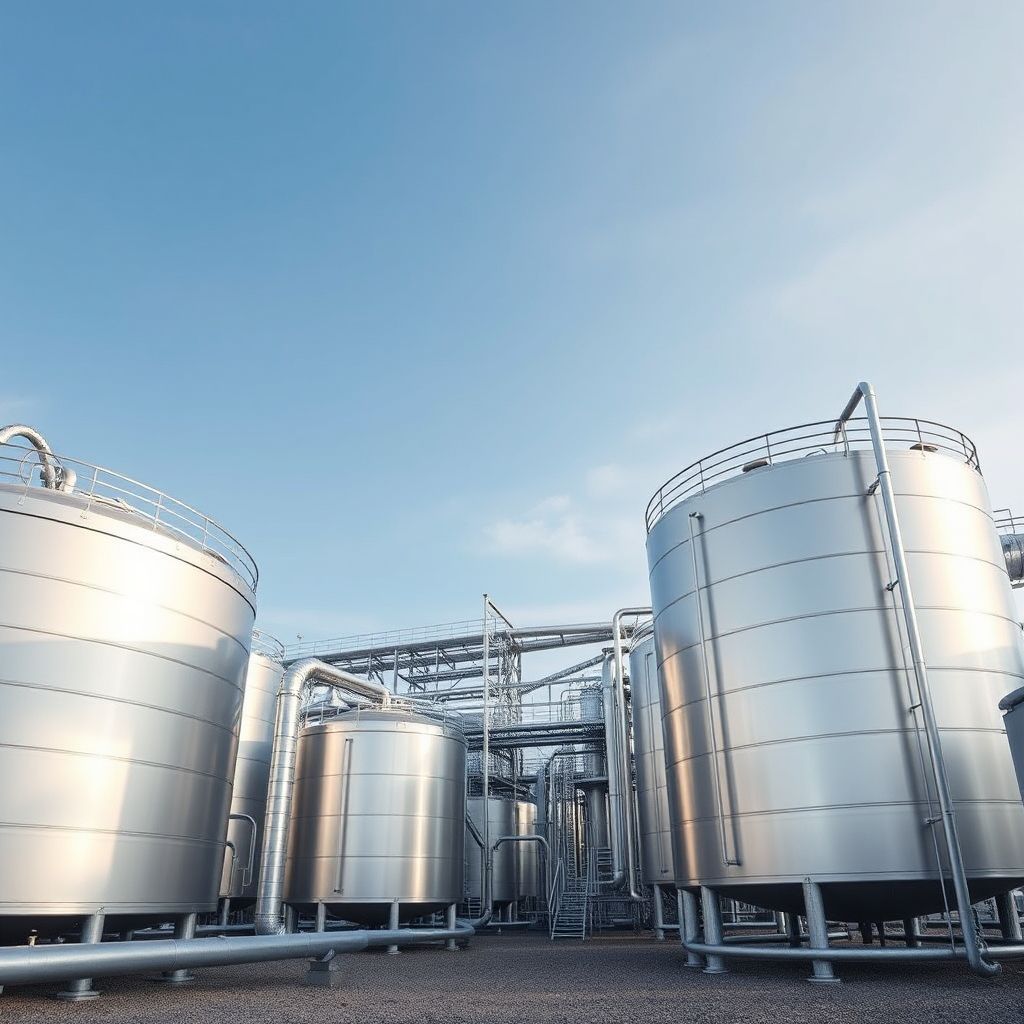
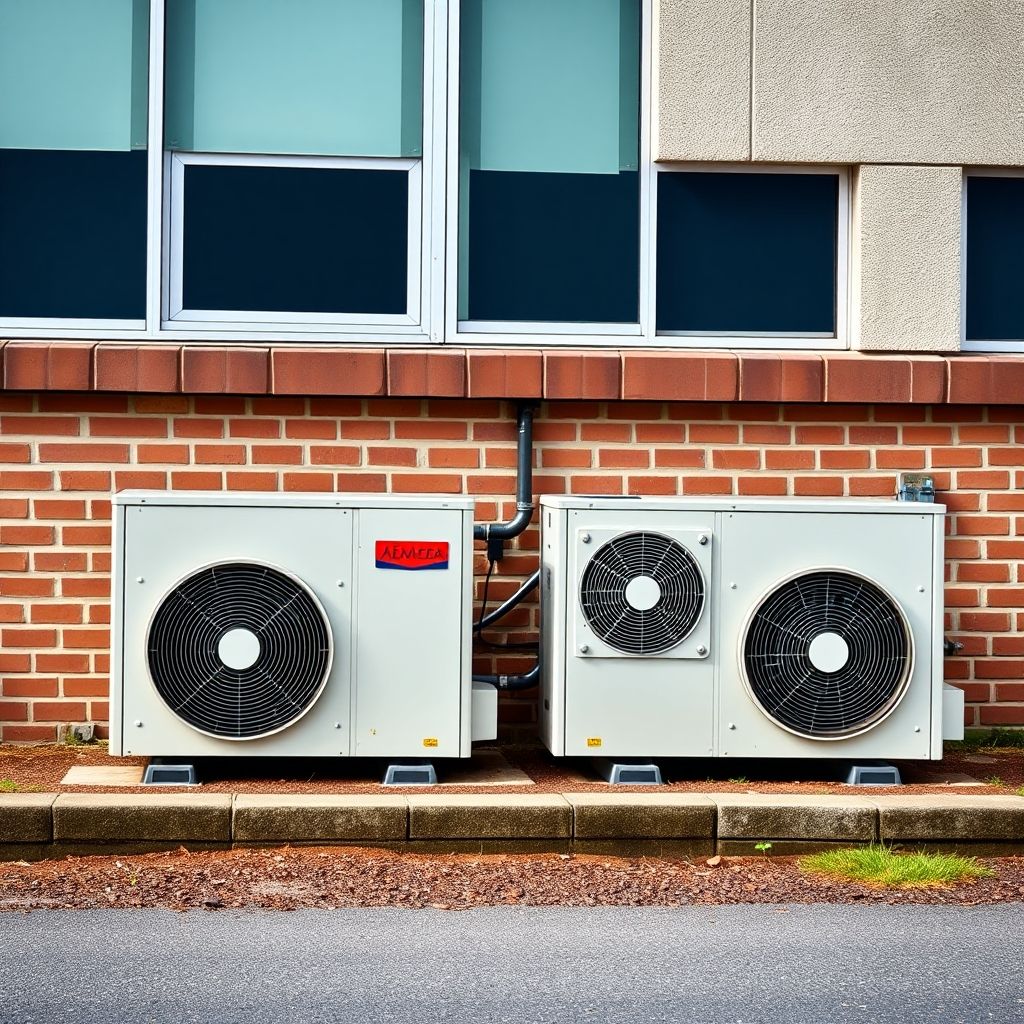
Advansor has deployed two 600 kW ValueBox units using CO2 refrigerant for an unnamed Swedish retailer. The system combines to deliver 1.2 MW of heating capacity with outdoor installation.
CREA reports that renewable capacity reached 243 GW, overtaking coal and lignite at 231 GW, while coal still supplied 66% of total electricity generation. The report highlights a widening gap between coal consumption and supply, noting that coal did not keep pace with high summer demand.
The International Energy Agency states that more than 90% of major Chinese solar PV manufacturers are reporting net losses, with cumulative industry losses reaching $4.4 billion in 2024. While module prices have risen compared to 2025 levels, the agency projects that global manufacturing capacity will remain highly concentrated in China through 2031.
Chinese polysilicon production dropped to 105,000 metric tons in October, down from 120,400 MT in September, according to industry data. Prices for polysilicon and downstream components have risen, while policy uncertainty continues to weigh on procurement decisions.
Rio Tinto’s aluminium and lithium chief states that the economic reality of coal-based electricity prevents competition, driving a shift to renewables. The company is committing billions to new renewable infrastructure and securing government support for its smelters in New South Wales, Queensland, and Tasmania.
Raana Semiconductors has signed a pre-order agreement with SWELECT HHV Solar Photovoltaics to supply CZ12 ingot growers for a proposed 1 GW facility. The deal includes process optimisation and technical training, supporting SWELECT's broader multi-year investment plan in solar manufacturing.
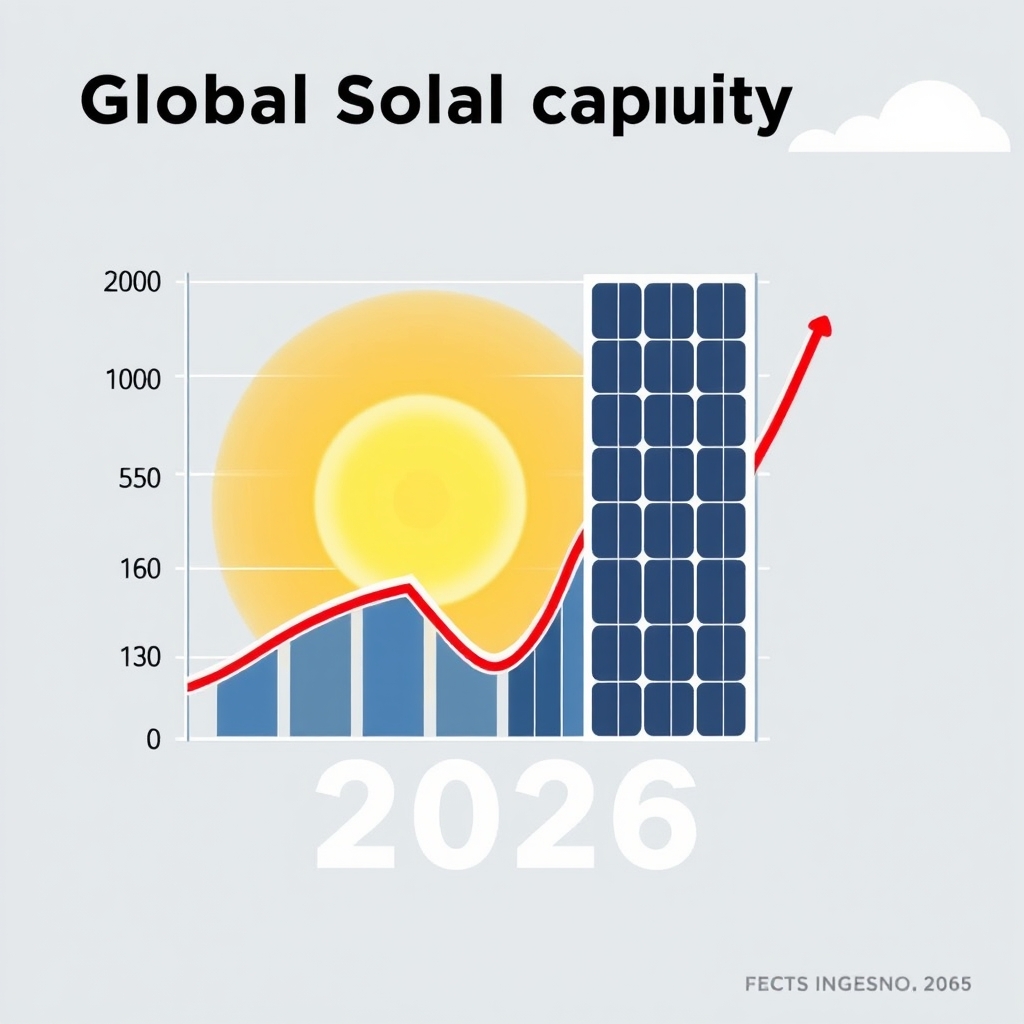
The International Energy Agency forecasts a 11% decline in global renewable capacity additions for 2026, driven by a sharp drop in Chinese solar installations. Despite this near-term dip, the agency projects 4,800 GW of new capacity between 2026 and 2031, with India and emerging markets expanding their global shares.
A Norwegian trial confirmed heavy electric trucks can handle winter maintenance on mountain highways, though with some operational limits. Meanwhile, Sweden is pursuing a hydrogen-fueled alternative, and Beijing has ordered a fleet of multifunction snow-removal vehicles.
A recent survey by New Energy Nexus Philippines indicates that price competition and system reliability have replaced supply issues as the primary challenges for rooftop solar installers. This shift follows a surge in demand triggered by a national energy crisis declared in March.
A Nankai University study projects that silver recovered from retired Chinese photovoltaic modules will peak at 739 metric tonnes annually in 2044, nine years before the peak in retired capacity. The research highlights that while silver intensity per watt has dropped significantly, the sheer volume of installed modules ensures substantial future secondary supply.
APGENCO has issued a tender for 1.65 MWp of solar PV modules to support a 400 MW solar power project in Anantapuramu district. The procurement offers two supply options with distinct technical specifications and payment structures, with bids due via the AP e-procurement portal in November 2026.
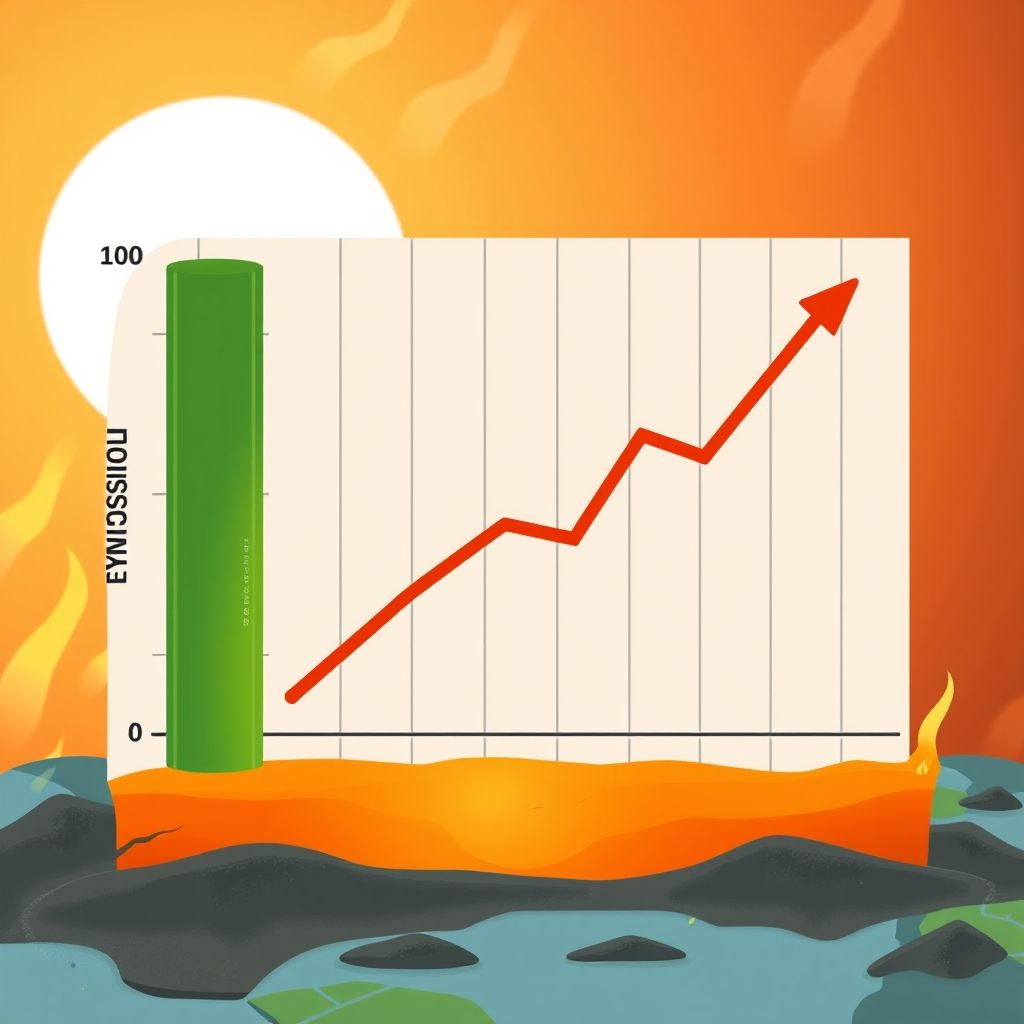
The Global Carbon Budget released at COP31 projects a slight decline in fossil fuel emissions for 2026, driven by renewable energy expansion and an oil supply shock. However, total global CO₂ emissions are expected to rise due to land-use changes, leaving less than four years of carbon budget for the 1.5°C target.
The Global Carbon Project projects India’s fossil fuel emissions will increase by 4.4% this year, outpacing its decade average, while global emissions are expected to dip by 0.4%. This divergence highlights India’s distinct trajectory against a backdrop of geopolitical shocks affecting other major economies.
New analysis shows battery electric vehicles now displace 1.2 million barrels of oil per day, a fivefold increase from 2021. The report highlights that BEVs account for 25% of new global car sales, though they still represent a small fraction of the total vehicle fleet.
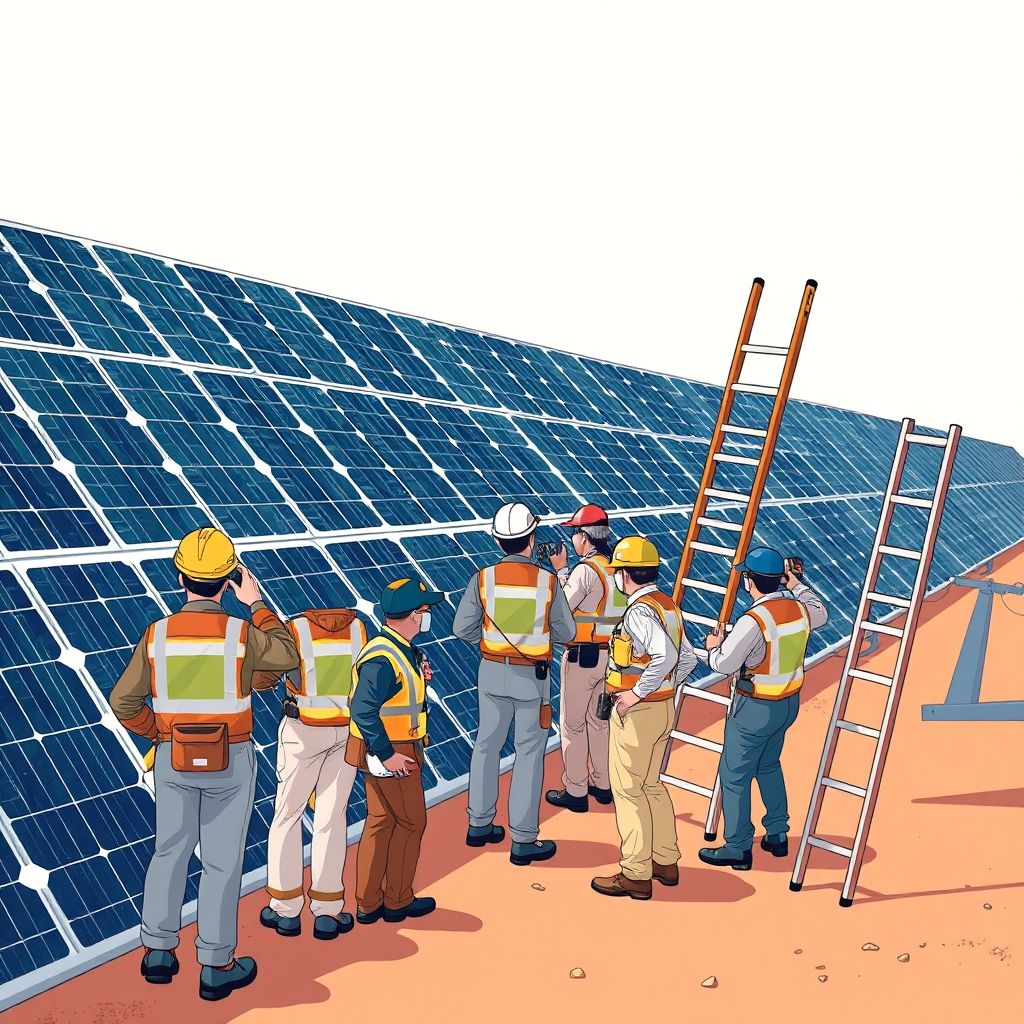
An analysis of 4,525 U.S. solar job listings shows that O&M roles increasingly require diverse technical skills across electrical, mechanical, and digital domains. Despite this complexity, only 9% of postings strictly mandate an electrician license, with most treating it as preferred or state-dependent.
US solar module imports fell 37.7% year-on-year in the first half of 2026, according to InfoLink data, with African sources becoming the largest import origin in July. Trade policy uncertainty and domestic capacity buffers are cited as primary drivers of the decline.
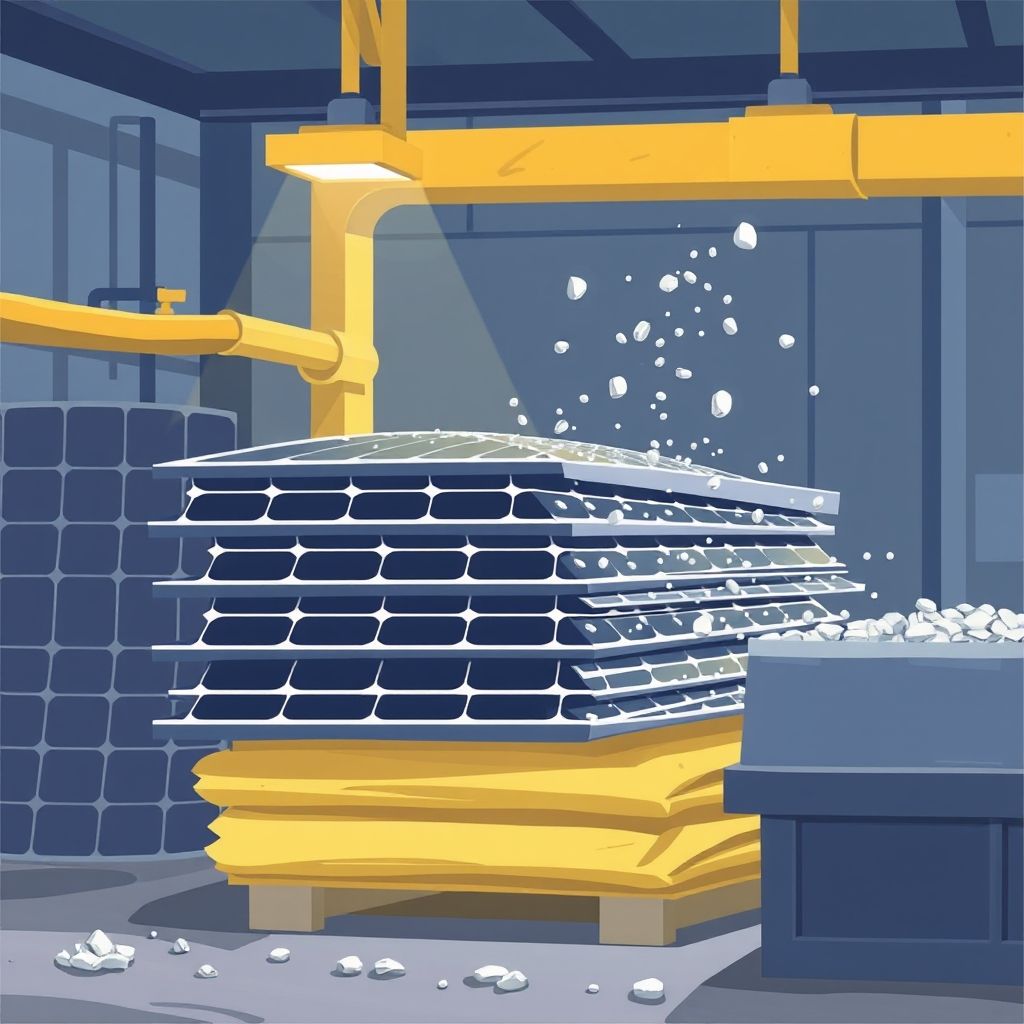
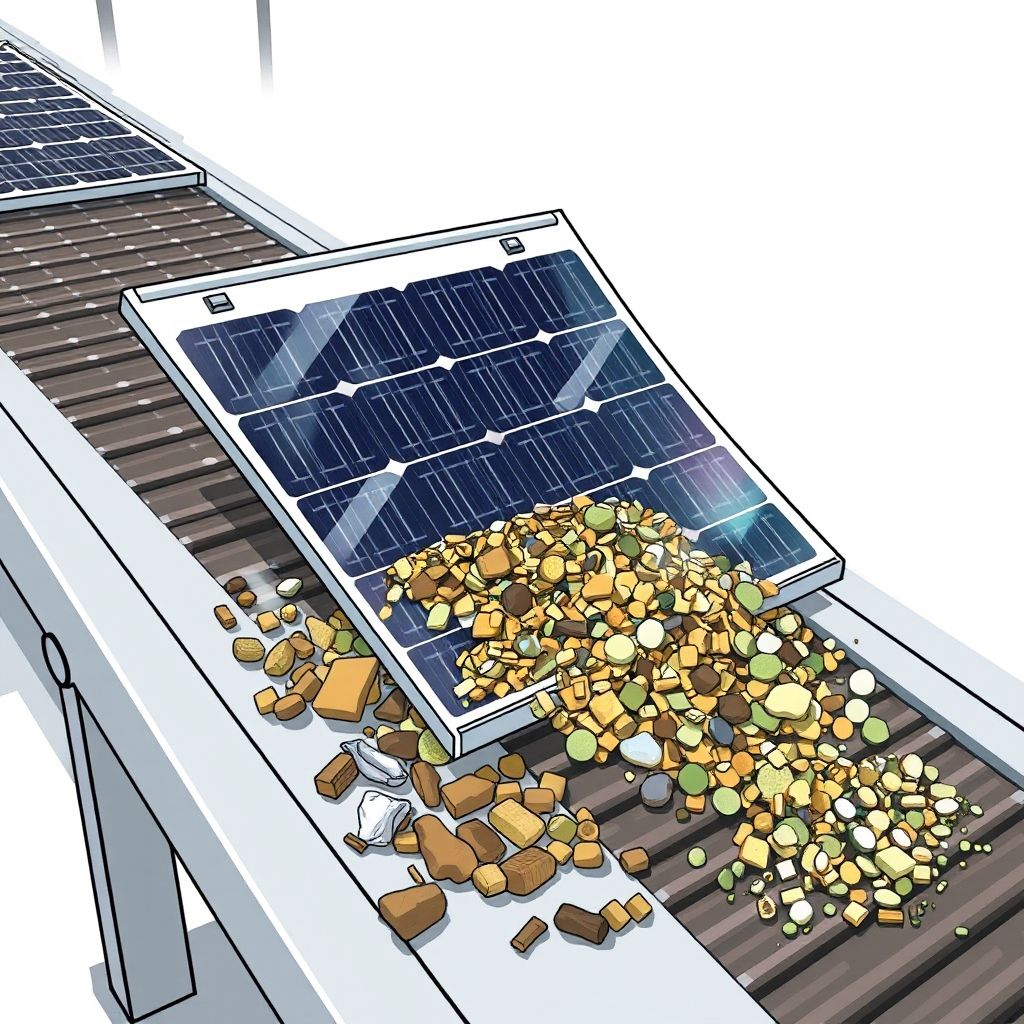
University of Glasgow researchers have demonstrated a laser-based recycling technique that selectively recovers more than 95% of silver from end-of-life crystalline silicon modules. The study, published in Communications Materials, shows that targeting the encapsulant-silicon interface with a fiber laser enables high-purity material separation without energy-intensive pyrolysis.
The IEA forecasts that global renewable capacity will add 4,800 GW between 2026 and 2031, a 57% increase over the previous six years. The report states that energy security, rather than climate goals, is the primary driver of this expansion, with solar PV accounting for over three-quarters of new capacity.
Industry experts presented at a Mumbai conference, detailing that green hydrogen currently costs $3.50-$4.50 per kg compared to $2 for grey hydrogen. They identified renewable power costs and electrolyser utilisation as key factors for improving project economics and securing financing.
The Council on Energy, Environment and Water projects India's solar panel component market to more than double to $7.8 billion by March 2028, up from $3.6 billion in September 2026. The study highlights varying timelines for domestic capacity to meet demand across six key components, with junction boxes already self-sufficient and solar glass lagging until 2028.
LevelTen Energy reports that North American solar PPA prices increased by 4.9% quarter over quarter in Q3 2026, while wind prices remained essentially flat. The report notes that Section 232 tariffs on imported polysilicon are set to take effect in December.
A new report by The Brattle Group estimates that scaling virtual power plants to 524 gigawatts by midcentury could prevent $614 billion in unnecessary grid investments. The study highlights that current uncertainty in load forecasts, driven by AI data centers, makes flexible distributed resources critical for cost avoidance.
Dutch grid operator Liander has placed new high-voltage connection applications in eastern Gelderland on a waiting list due to insufficient capacity. The decision affects 16 municipalities bordering Germany, with connections deferred until at least July 2027.
New data from Victorian gas distributors shows household gas consumption dropping significantly while the number of active connections rises. The divergence highlights a shift toward dormant usage rather than permanent disconnection.
An Ember analysis finds that on-site generation and storage can provide nearly five times more grid flexibility than shifting data center workloads. The study covers nine markets, noting that while load shifting is theoretically possible, its effective impact on peak demand is limited compared to local power production.
A government-commissioned study reveals that Indian advanced cell component makers face a significant cost disadvantage compared to Chinese benchmarks, ranging from 18% to 61%. The report highlights specific structural barriers, including high capital expenditure and borrowing rates, that hinder domestic competitiveness.
A new analysis by Ember indicates that hybrid renewable plants could meet up to 90% of Kazakhstan’s electricity needs at a delivered cost below $60/MWh. The study highlights that these systems are cheaper than new coal, which costs between $70 and $170/MWh, while addressing the aging of the country’s current coal fleet.
As Indian manufacturers ramp up production, balancing initial capital costs with long-term operational efficiency is critical for profitability. Experts advise that stable processes and integrated quality controls prevent costly defects and ensure reliable output at scale.
Utility-scale solar revenues in the National Electricity Market reached their highest level since December 2024, driven by tight midday supply and reduced gas generation. Analysts expect this trend to persist as the battery fleet doubles by 2028.
RenewSys India has signed a 12-month agreement to supply 1.2 GW of photovoltaic encapsulants and backsheets to Kosol Energie. The deal, which extends a previous partnership, supports the production of n-type TOPCon modules in Gujarat.
India has about 233 GW of module capacity against 30-40 GW of annual demand, with many lines at 35-40% utilisation. Executives debate market correction versus disciplined investment as ALMM moves to cells and wafers, and look to rooftop, floating solar and exports for demand.
Researchers from the University of New South Wales and Gdansk University of Technology assessed three recycling pathways for frameless glass-glass solar modules, finding that targeted fractionation reduces environmental burdens compared to whole-module treatment. While all scenarios yielded positive operational margins, the most intensive recycling method achieved the lowest processing burden, though it recovered less material value than simpler thermal and chemical approaches.
New analysis from Intertek CEA projects that US solar module prices could recover to between $0.34/W and $0.38/W following recent policy shifts. The firm estimates that current domestic inverter capacity aligns with projected 2028 demand for photovoltaic and battery storage systems.
Daqo New Energy plans to enter energy storage and power equipment by 2027 after Q3 revenue fell year-on-year. China’s solar additions dropped 54% in the first nine months of 2025, prompting industry forecasts of a global decline in 2026.
A new market update from Data Centres Australia forecasts that Australia’s data centre capacity will reach 3.9 GW by 2030, driven by 97 new planned facilities. The report notes that the total operational capacity forecast is 20% higher than figures released in April, reflecting a doubling of capacity currently under construction.
The ERM estimates that 62 TWh of renewable energy will be contracted by corporates, retailers, and data centres by 2032. Meanwhile, 2026 corporate PPA deals have reached 6 GW, with battery storage involved in the majority of transactions for the first time.
Standalone solar PPA prices in Spain dropped to €30.93/MWh in Q3 2026, a 7.7% decline year-on-year. Meanwhile, hybrid PPA prices rose 6.8% quarter-on-quarter as operational assets gained market share.
Waaree Renewable Technologies has secured a Letter of Award for a 450 MWp solar project in Bikaner, Rajasthan, for a domestic independent power producer. The company aims to commission the facility within FY2027-28, adding to its existing order book of over ₹5,500 crore.
Squadron Energy executives argue that organized community opposition, rather than government policy, poses the greatest commercial threat to renewable energy portfolios. Despite rising specific concerns in western Victoria, overall support for local wind projects has increased, while support for the company has grown significantly in New South Wales.
The EIA forecasts that renewable energy will account for 40.4% of total US generating capacity by August 2027. Current data shows renewables already contributing 28.1% of electrical generation in 2026, driven by significant growth in solar and wind output.
The Clean Energy Council reports that five generation projects totaling 1.4 GW were commissioned in Australia during the first half of 2026, valued at AUD 2.8 billion. Concurrently, nine battery storage projects with 2.3 GW of capacity came online, contributing to a national pipeline worth $32.5 billion.
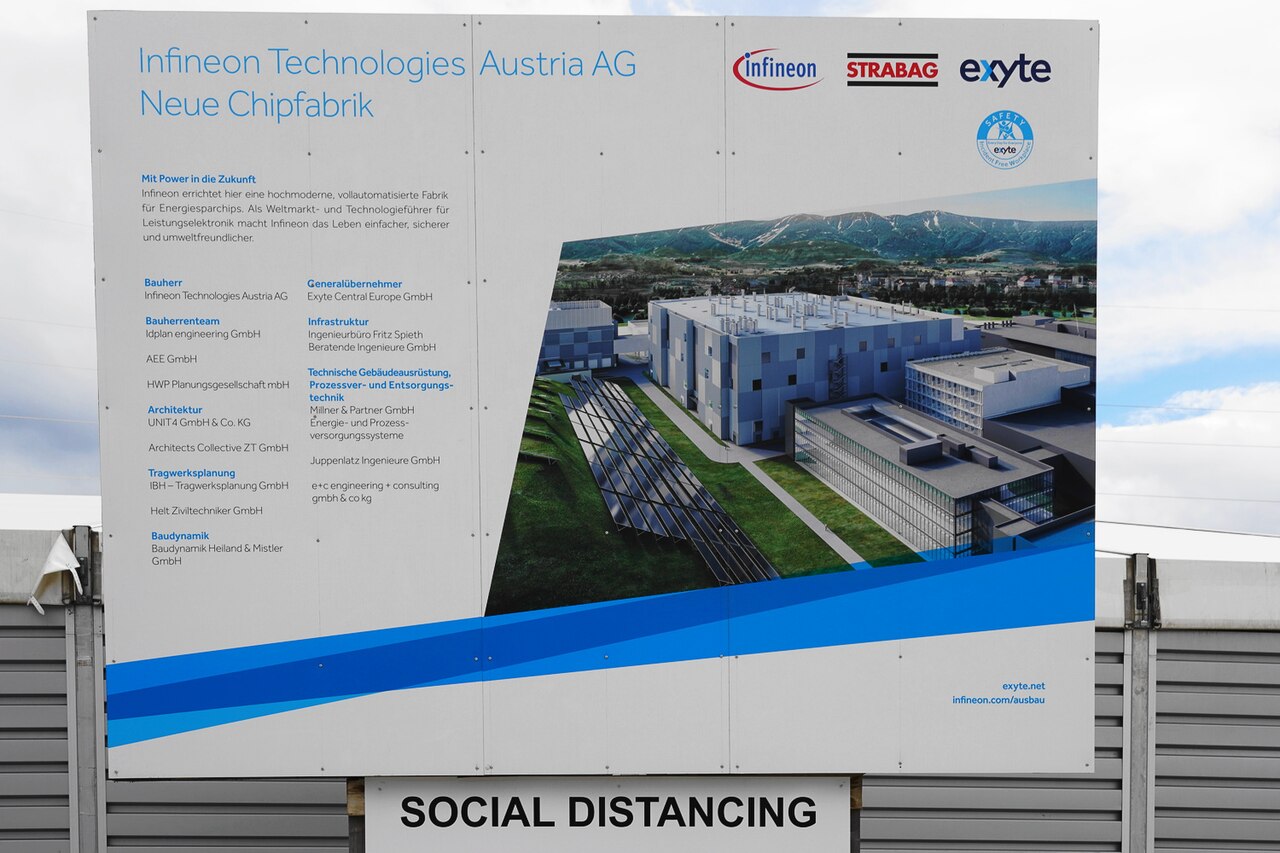
Infineon Technologies will invest €1.1 billion to construct the world's first high-volume 300-millimeter gallium nitride power semiconductor facility in Villach, Austria. Production is targeted to begin by the end of 2027, supported by €319 million in European state aid.
Operational projects now make up almost 40% of standalone European PPA offers on LevelTen's platform, and close to 60% of wind offers, as rising gas prices push buyers to secure power quickly. LevelTen says operational assets carry less development and permitting risk than new builds.
SP Energy has outlined a 4 gigawatt renewable energy project in Western Australia’s Pilbara region, designed to serve Element Zero and other industrial customers. The development is staged, with the first gigawatt targeted for construction in 2028.
Average NEM wholesale prices fell 27% to A$63/MWh in the September quarter, the lowest for the period since 2021, even as underlying demand hit a record 25,472 MW. AEMO says rooftop PV, home and grid batteries and more grid-scale solar drove the fall, with gas at its lowest Q3 output since 2000.
Google and Voltus are going after 1 GW of virtual-power-plant capacity in PJM, ten times their June target, with customers committing to cut demand or supply battery power at peaks through 2040. PJM's peak-capacity costs have risen more than eightfold as data centres add load.
InfoLink expects global solar demand to fall 13–26% in 2026 to 509–597 GWdc, almost entirely because China’s market drops about 40% after Document No. 136, while demand elsewhere holds near 2025 levels. Cell plants run below 50% utilisation and polysilicon stocks exceed six months of demand.
Waaree Renewable Technologies’ solar EPC revenue fell 42.2% to ₹444.98 crore in Q2 FY27 even as T&D lifted group revenue 36.5%. Sterling and Wilson’s revenue dropped 11.2% to ₹1,527 crore as overseas work wound down and Indian awards were delayed by pending PPAs and costly ALMM List-II compliant modules.
Grauer & Weil India and RENA Technologies have signed an MoU to establish a joint venture for manufacturing solar wet chemical equipment in India. The partnership aims to begin operations by early 2027, addressing the current reliance on imports from Germany and China.
Laura Sartore of Ecoprogetti argues that the era of small-scale solar manufacturing is ending, with 1 GW to 3 GW now the ideal capacity range for sustainable investment. She contrasts Europe's cluster-based model with India's aggressive industrial policy, noting that global supply chains are increasingly turning to protectionism.
Emerging economies have spent more than $235 billion on Chinese clean-energy and electrification imports since early 2024, Ember data shows, including $25.3 billion on grid equipment, more than the rest of the world, and nearly $47 billion on solar. Storage spending is rising but still trails developed economies.
A Seattle-based startup successfully generated a small amount of electricity from a submarine volcano off the Oregon coast. The test marks a preliminary step toward commercial subsea geothermal deployment, with a larger project planned for Tonga.
Verdox completed a two-month industrial trial at Hydro’s Sunndal smelter, capturing CO₂ from dilute exhaust in the presence of real-world contaminants. While the test validates the electrochemical approach, key commercial metrics like full-plant energy use and module lifespan remain unproven.
NTPC Renewable Energy Limited has launched an EPC tender for a 900 MW ground-mounted solar plant near Kurnool, Andhra Pradesh. The scope includes full execution, transmission line construction, and land acquisition for both solar and battery storage.
FOB China TOPCon cell prices edged lower in early October, remaining 13% below late-August peaks as industry executives met to discuss minimum pricing. The discussion follows significant year-on-year declines in Chinese solar capacity additions and upcoming efficiency standards.
New analysis indicates China can produce green hydrogen at $120/MWh, significantly cheaper than Germany or the US. This cost gap makes Chinese exports attractive to Japan despite high seaborne transport fees.
India added a record 51 GW of solar capacity in 2025, 55% more than in 2024, overtaking the US as the largest solar market outside China, according to BloombergNEF. Rooftop solar under PM Surya Ghar was the fastest-growing segment, with subsidies for decentralised agrivoltaic projects also contributing.
Terawatt PV Research projects that Texas will account for nearly 45% of domestic silicon solar module output in 2027, driven by manufacturing hubs in Dallas and Houston. The state’s strategy relies on retrofitting existing infrastructure and leveraging pro-business policies to attract major manufacturers.
PJM, ERCOT, and SWPP all recorded new peak hourly load highs during the summer of 2026, driven by extreme heat. Data from the EIA-930 form confirms these milestones across the nation's largest interconnections.
BloombergNEF now expects 584 GW of global solar installations in 2026, down 10.8% from 655 GW in 2025, as China falls 29% to 271 GW. Installations outside China are projected to grow to 313 GW.

 Markets