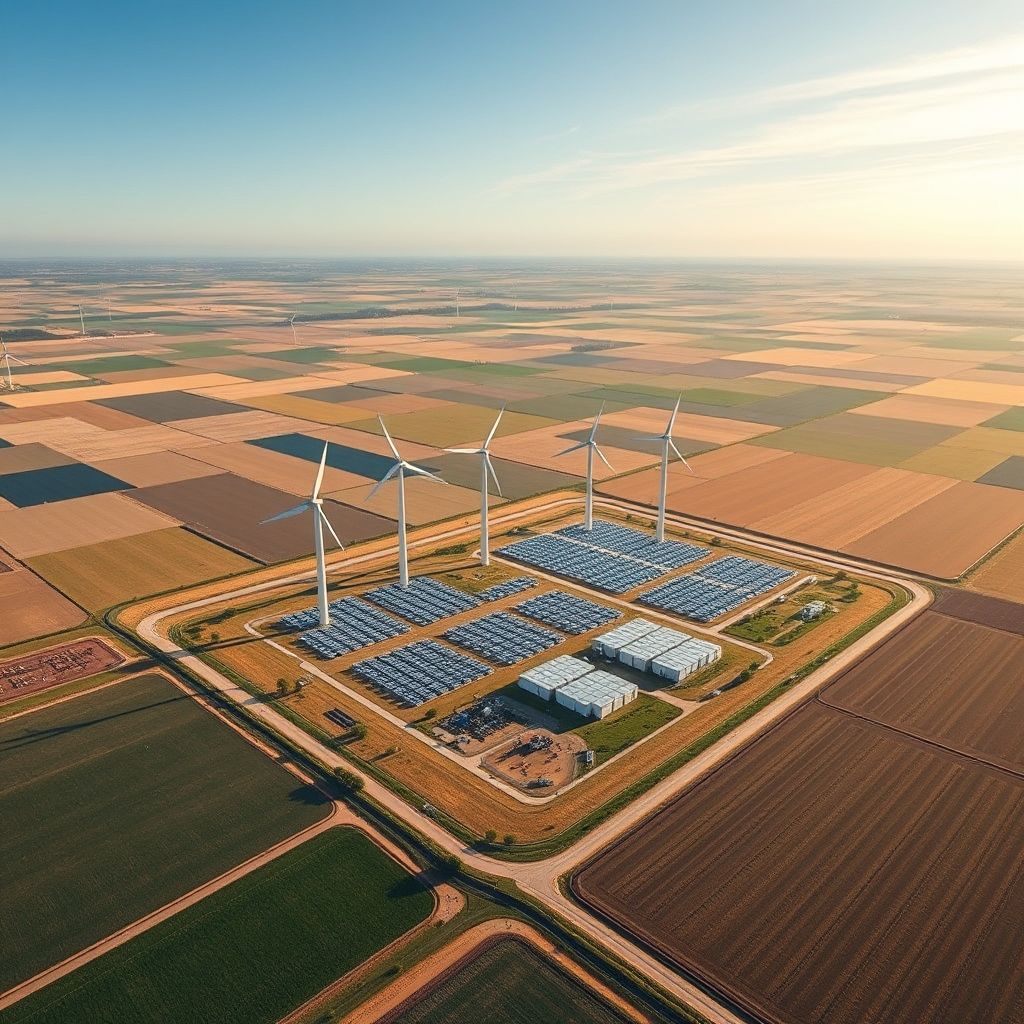
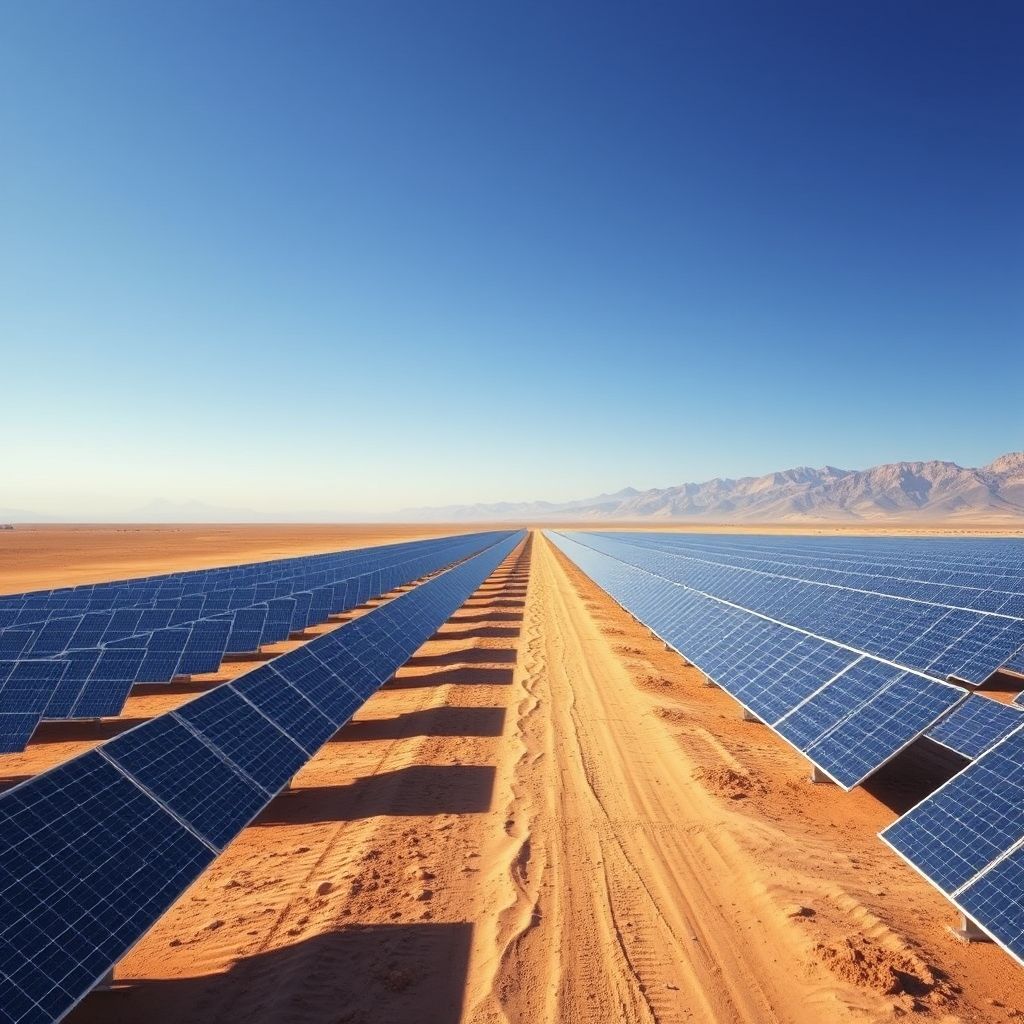
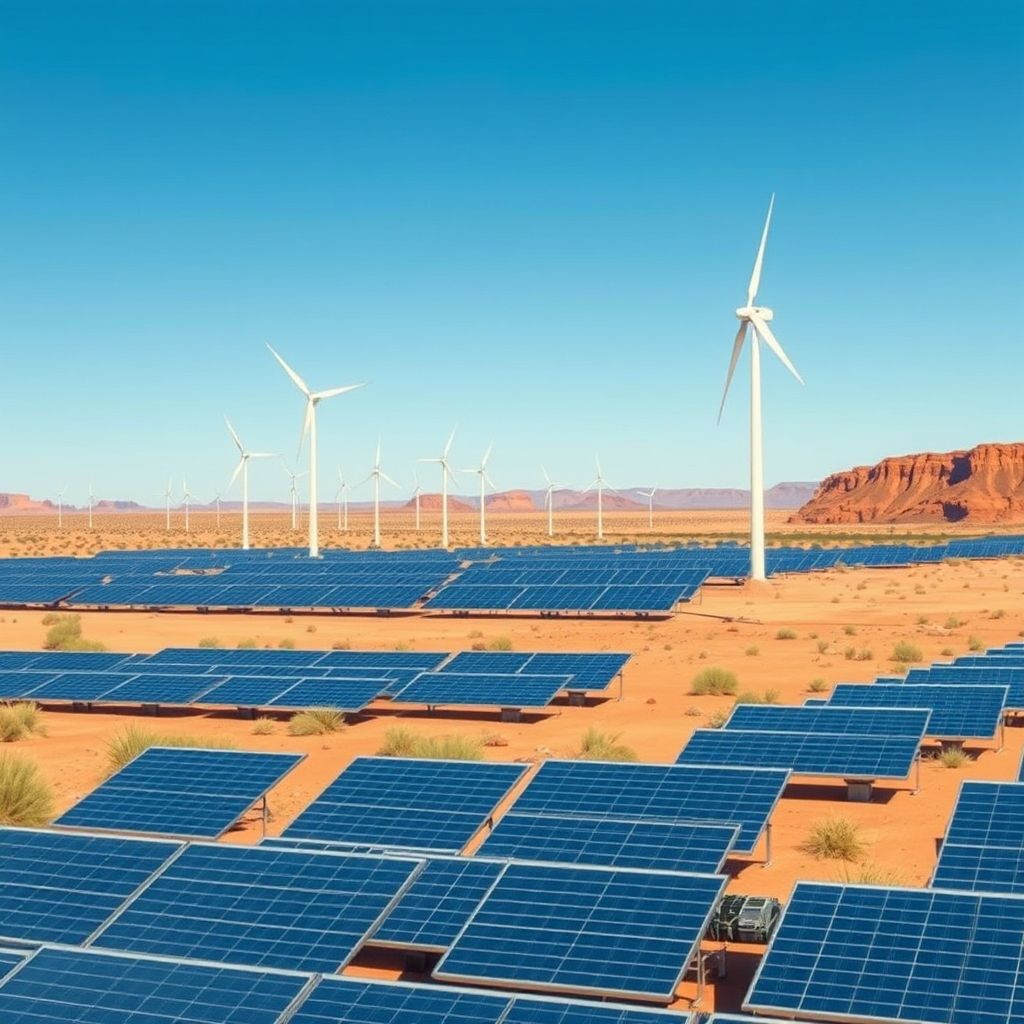
India has set a goal to triple its clean energy capacity to 900 gigawatts by 2035, up from a previous target of 500 gigawatts by 2030. The plan includes significant government funding for grid infrastructure, though experts warn that transmission and storage gaps remain significant hurdles.
Union Minister Pralhad Joshi stated that India is on track to achieve its target of 500 GW non-fossil energy capacity by 2030. At the 31st CII Partnership Summit, he highlighted recent agreements and government orders that have secured ₹43,871 crore in renewable energy investment.
The Central Electricity Regulatory Commission has amended connectivity rules to permit large battery storage projects to access transmission capacity during non-solar hours. The new regulations also streamline bank guarantee releases and relax deadlines for changing energy sources.
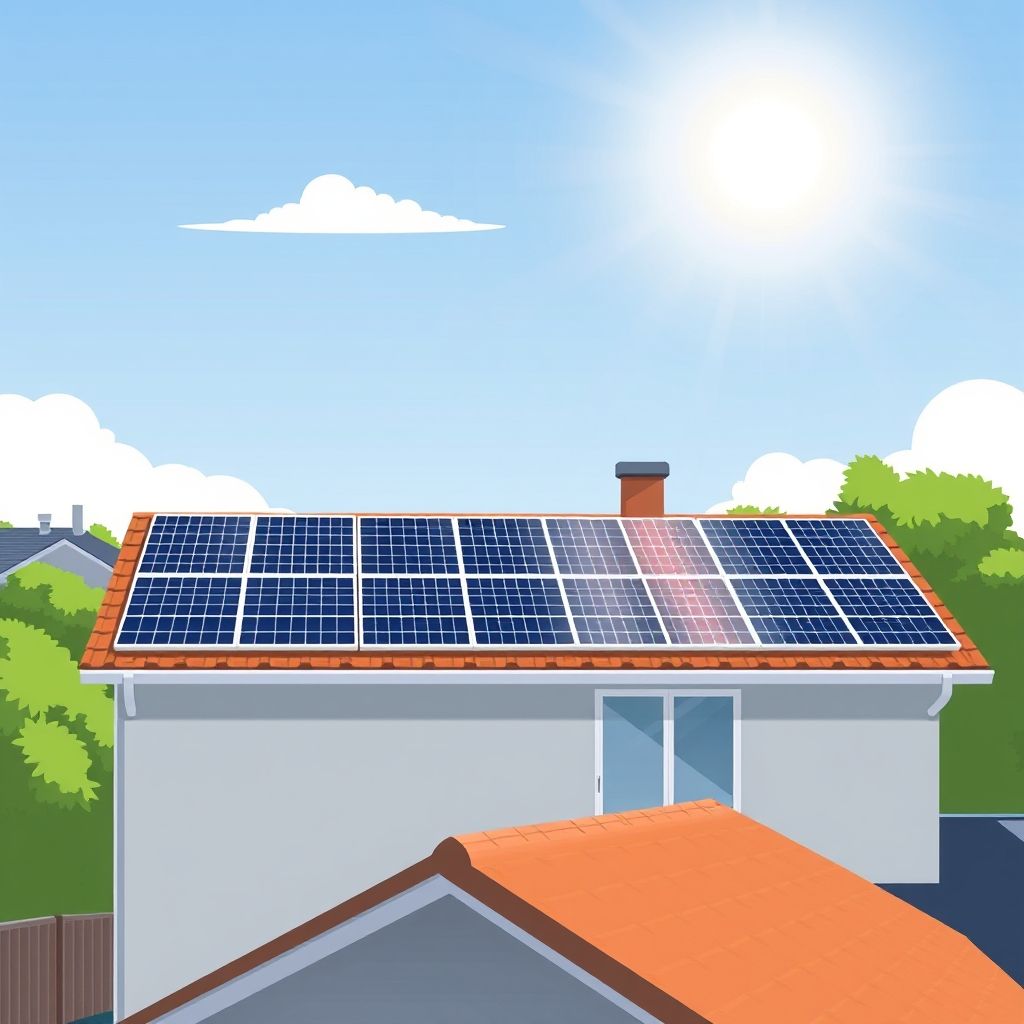
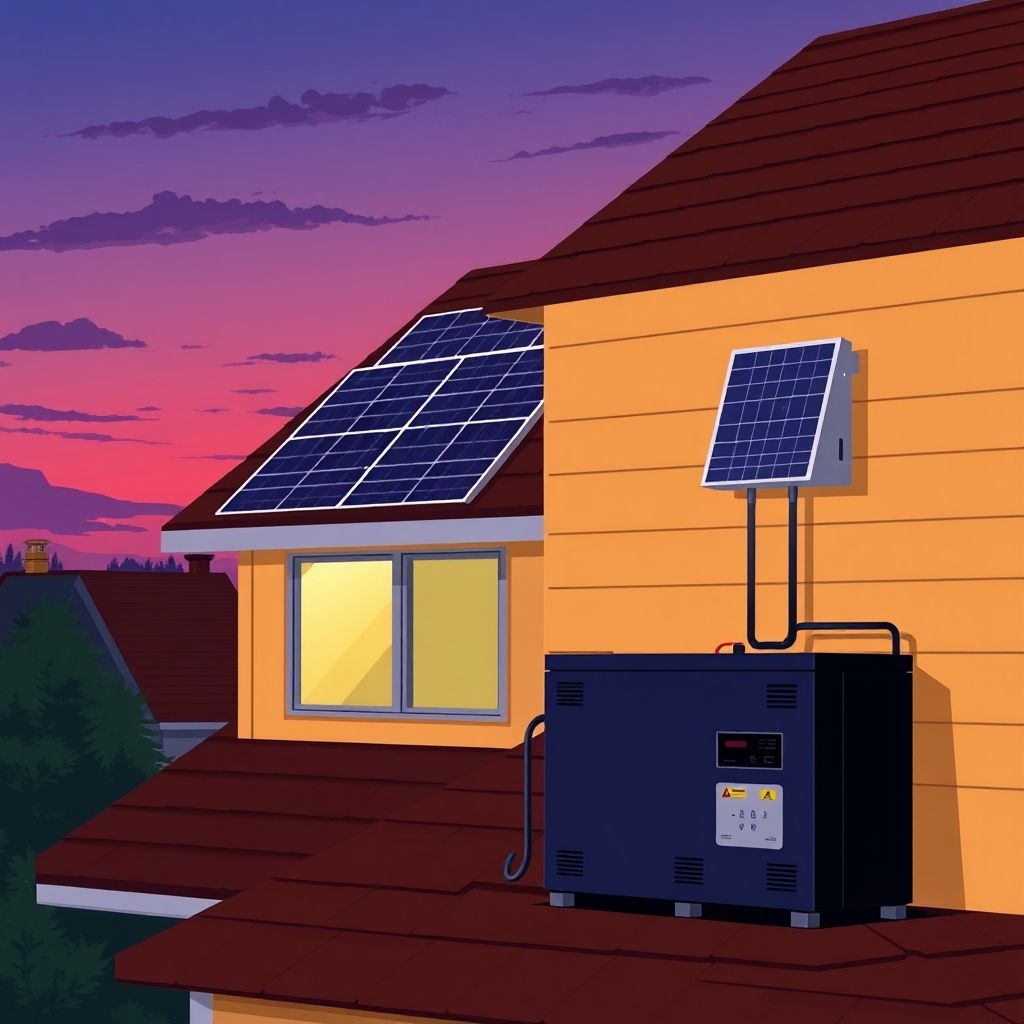
The Ministry of New and Renewable Energy reports that 50.06 lakh households have benefited from rooftop solar, crossing the halfway mark of the one-crore target. The ministry is considering a three-to-four month extension for the programme as it prepares a successor scheme.
Lacour Energy has referred the 736 MW West Arthur Energy project for assessment under the EPBC Act, following a state referral last month. The proposal includes a 500 MW battery and sits on the National Renewable Energy Priority List.
South Australia’s energy minister stated the state supports gas firming for data centres, a position critics call a "backflip" from previous policy. This stance contrasts with federal requirements that new data centres must tap only new renewable energy for approval.
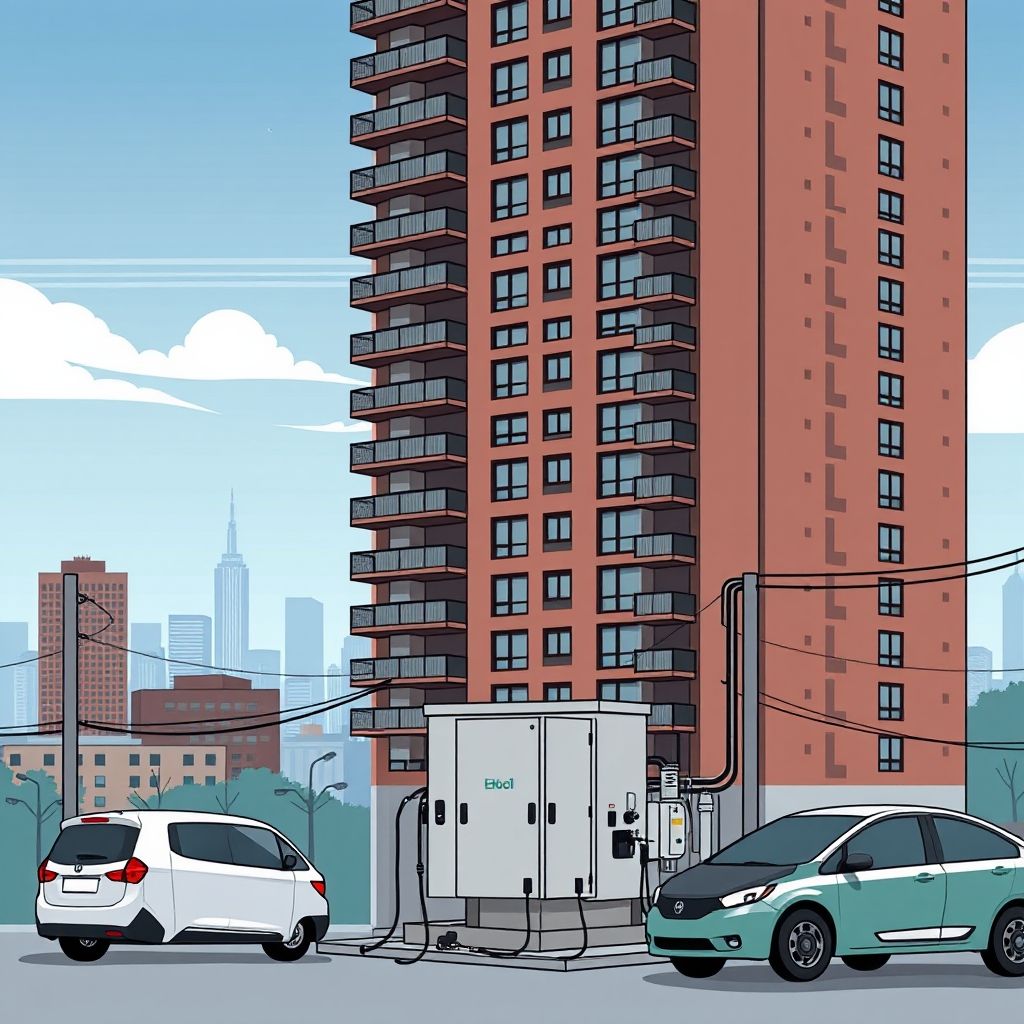
With most urban Indians living in apartments, existing bulk electricity connections leave minimal spare capacity for electric vehicle charging. Legal challenges are underway as courts push for guidelines to prevent arbitrary rejections of charger installations.
The Australian Energy Regulator has fined EnergyAustralia $750,000 for failing to provide essential frequency control services from its battery fleet. The penalties follow breaches identified after a major storm event in early 2024.
The California Solar & Storage Association has delivered a policy roadmap to Governor-elect Xavier Becerra, proposing expanded distributed energy and virtual power plants to address the state's energy affordability crisis. The plan includes establishing statewide virtual power plant programs by 2028 and implementing community storage projects to alleviate localized grid strain.
SolarBridge Technology has introduced its Golden Gate STC-P135, a 135 kW bidirectional power conversion system designed to meet emerging US regulatory requirements. The Dallas-based company plans to begin commercial production in early 2027, citing federal rules that restrict foreign-made equipment from accessing tax credits.
A Safer Foundation initiative on Chicago’s West Side uses a transitional center to prepare justice-involved individuals for solar installation careers. The program has certified over 100 people and placed 79 in jobs since its launch, supported by state and federal grants.
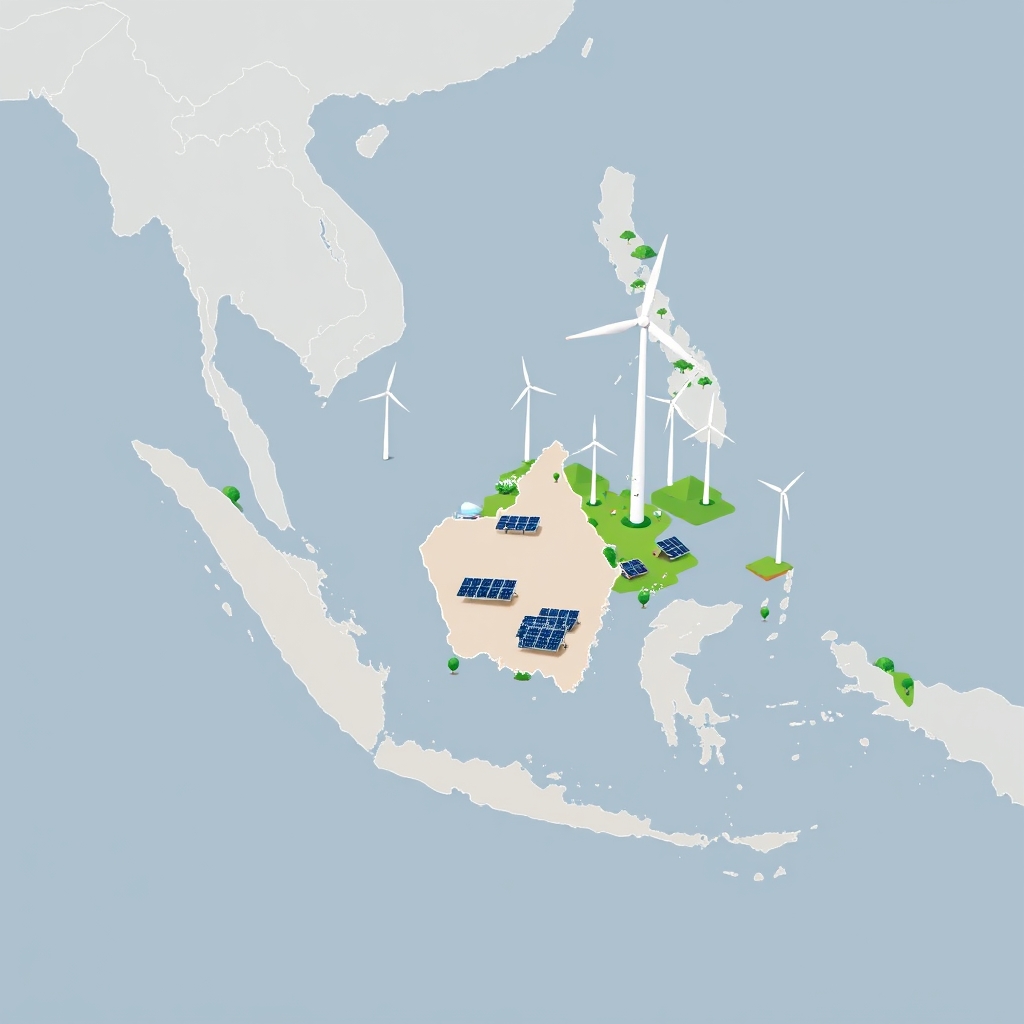
The International Energy Agency states that Southeast Asia needs to triple its renewable energy generation to support a projected 65% rise in electricity demand by 2035. The report highlights that current policies are insufficient, leaving the region reliant on coal and facing rising fossil fuel import costs.
China's Ministry of Commerce has proposed adding 12 photovoltaic manufacturing technologies to its export-control list, with the public consultation closing on 15 November. India, which has already faced curbs on solar-manufacturing technology exports from China, is now exposed to broader restrictions that could impact its plans for thin-wafer processes and fluidised-bed polysilicon.
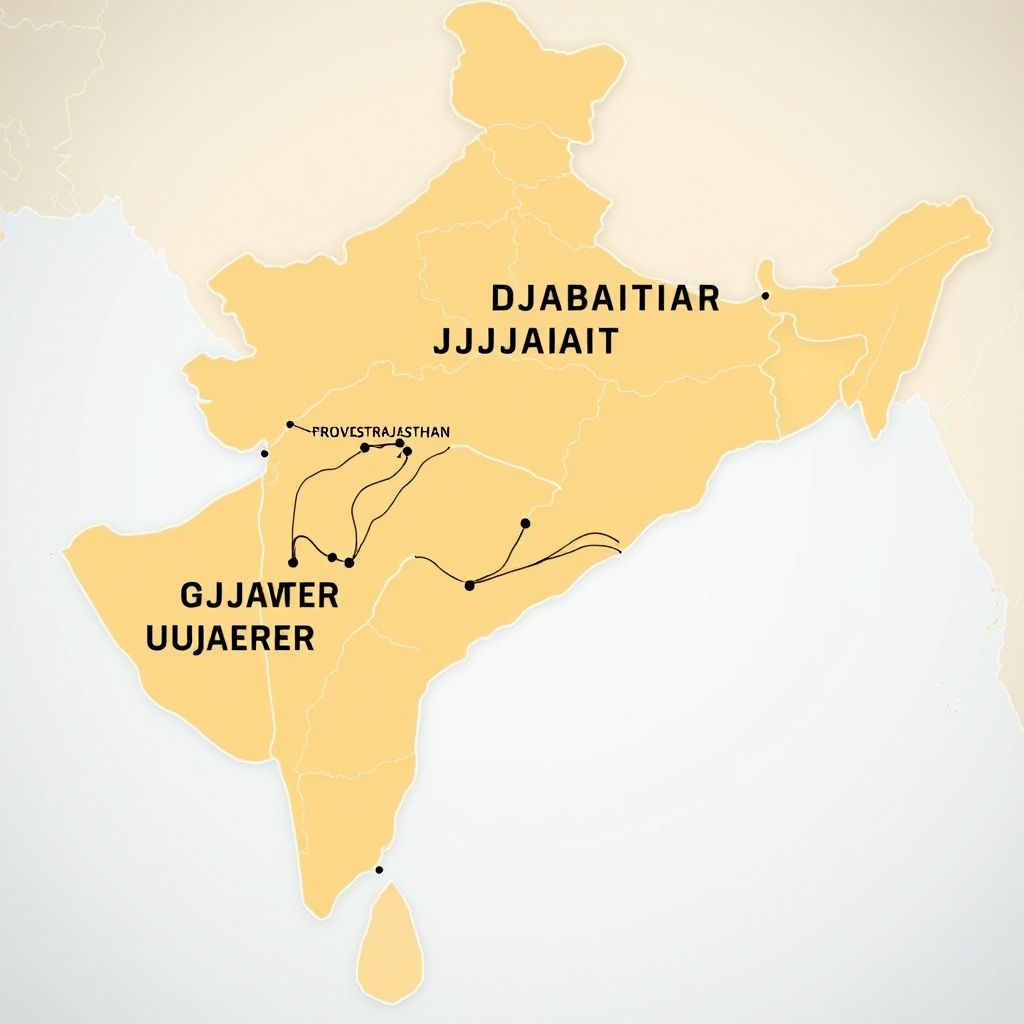
A series of severe weather events in 2026 damaged solar and wind infrastructure across Rajasthan, Gujarat, and other states, causing generation losses and project delays. The Ministry of Power’s Draft National Electricity Policy, 2026 now requires utilities to incorporate specific de-risking measures during the planning and construction phases.
MNRE’s 14th ALMM-II revision lists Reliance Industries with an annual capacity of 3,369 MW for its heterojunction technology cells. The company is currently the only HJT-based solar cell manufacturer in India, having commissioned its first production line in Jamnagar.
The Union Cabinet has approved a five-year capital expenditure support scheme to establish domestic processing capacity for lithium and nickel. The initiative aims to reduce India's dependence on imports of high-purity materials for sectors like electric mobility and defence.
The Australian government has formally revoked plans for new anti-dumping duties on imported steel used in solar projects. The decision follows an appeal by Nextpower Australia, which warned the measures would harm ongoing energy transition projects.
The 750 MW wind and 500 MW battery project near Eneabba received unanimous approval from state and local panels on Tuesday. Planners' requests to reduce turbines or change the project name were rejected, though the developer remains open to renaming.
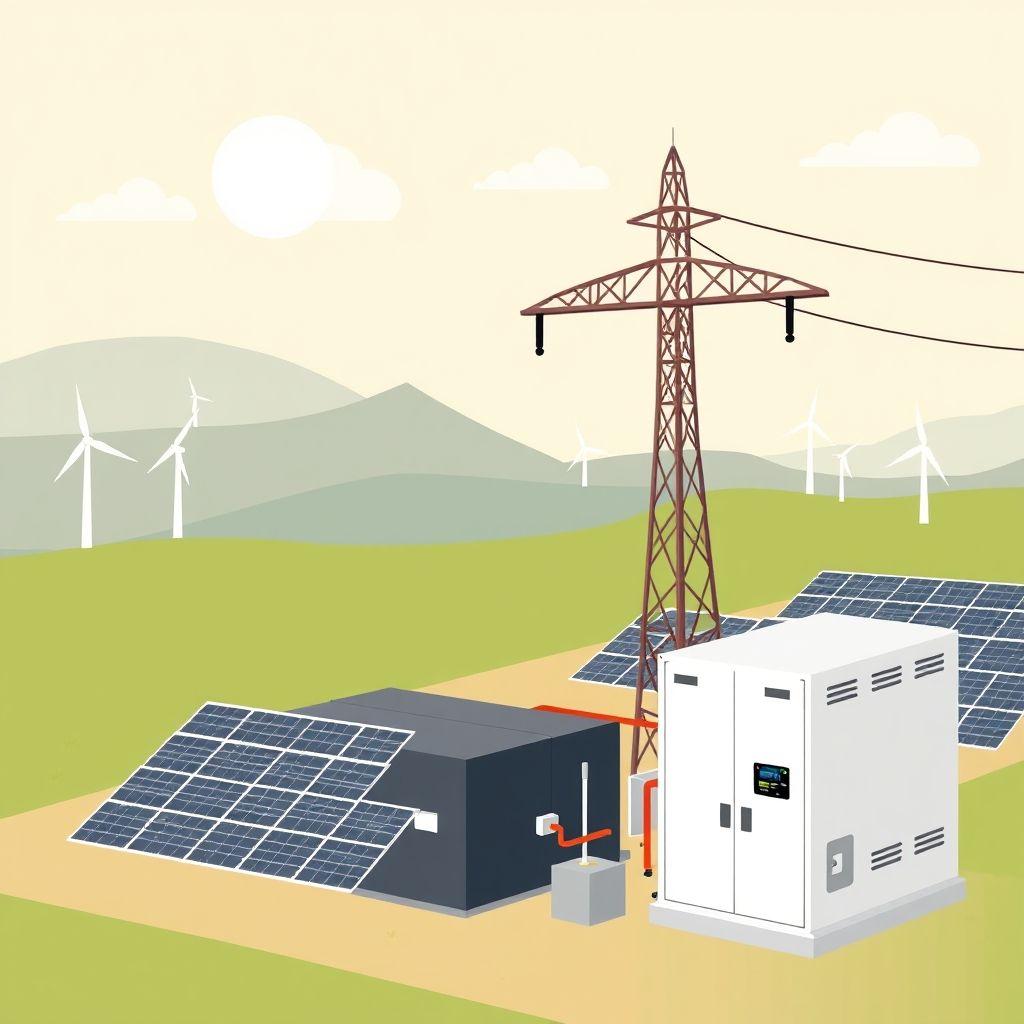
The Union Cabinet has approved a Rs 14,500 crore Viability Gap Funding scheme to support 92 GWh of new grid-scale energy storage capacity. The plan targets 30 GWh of battery systems, 60 GWh of pumped storage, and 2 GWh of emerging technologies between FY 2026-27 and FY 2030-31.
Victoria’s planning minister approved two wind farms and four batteries worth nearly $4 billion before the state entered caretaker mode. The move seeks to lock in generation ahead of the 2028 Yallourn coal closure, though political opponents propose gas alternatives.
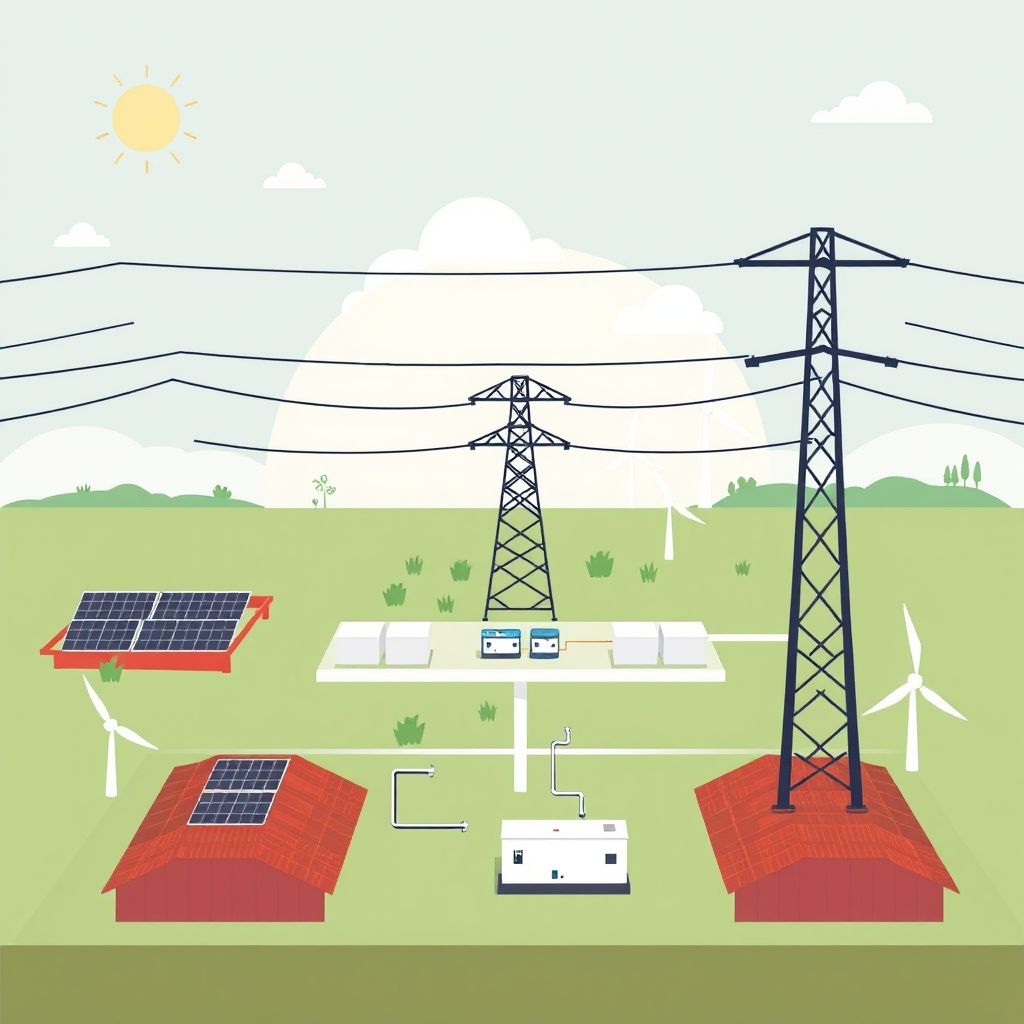
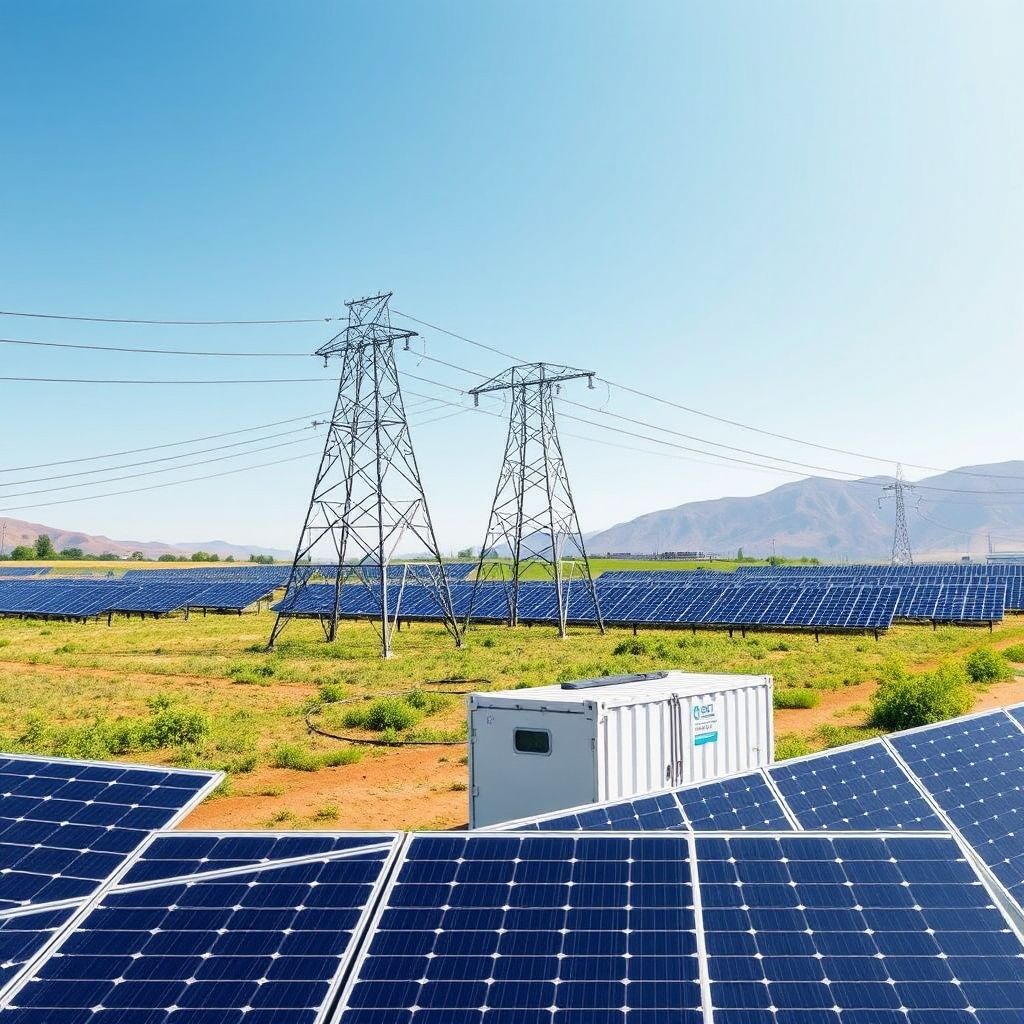
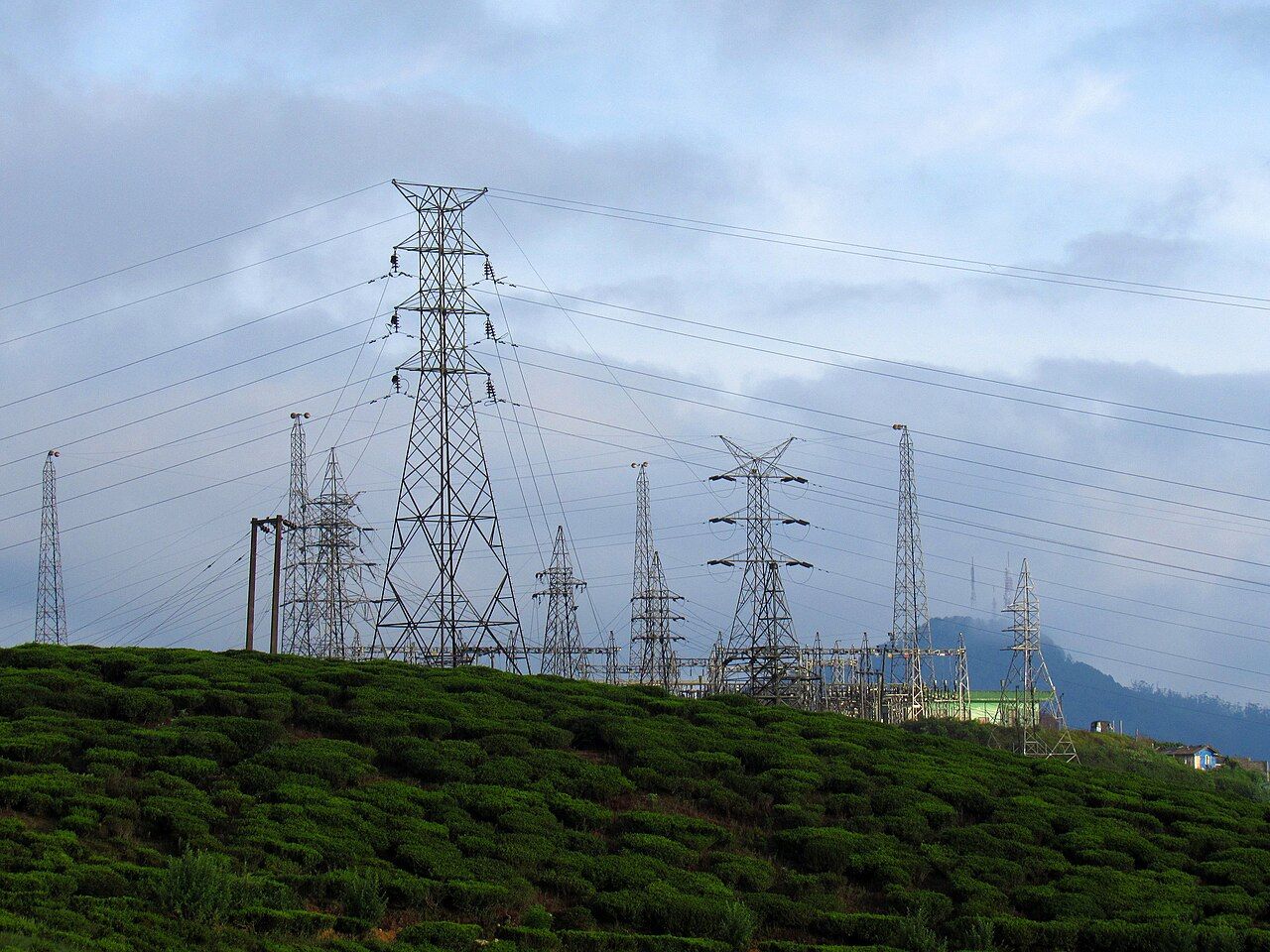
The government has approved Green Energy Corridor Phase III, a Rs 1,860 billion scheme to evacuate 135 GW of renewable energy and deploy 50 GWh of battery storage by FY 2032-33. This move aims to address transmission bottlenecks that have led to significant renewable curtailment in recent months.
The Renewable Energy Manufacturers Association of India is requesting a deadline extension to December 2027 for non-integrated module manufacturers to comply with domestic cell sourcing rules. The association cites a severe shortage of available TOPCon cells in the open market, with less than 2 per cent of module capacity being accessible.
India has no single forecasting specification for utility-scale solar: CERC and the national and regional load despatch centres set rules for interstate-connected plants, while state regulators and SLDCs govern intra-state projects, Reuniwatt's Hannah Bergler writes in pv magazine. Deviation settlement is the main commercial risk, and CERC lists a March 31, 2026 order setting the value of 'X' for wind and solar sellers from April 1, 2026.
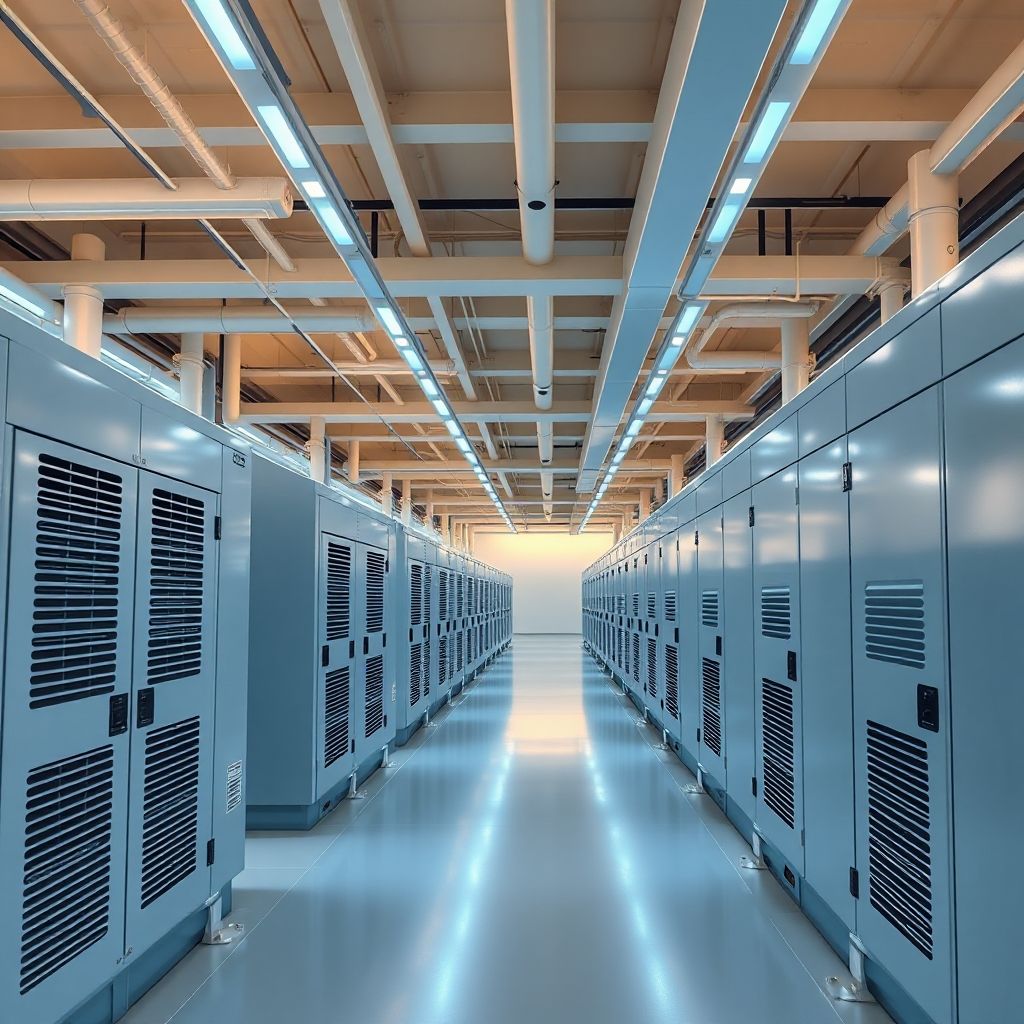
An IESA report states that India’s 500 GW renewable energy target depends on scaling long-duration energy storage (LDES) to manage grid constraints. The report highlights a significant gap between India’s current battery capacity and its FY2027 requirement, identifying viability gap funding as a key enabler.
Italy’s Council of Ministers rejected ten solar and agrivoltaic projects totaling 468 MW while approving five projects for 272 MW. The government stated that the protection of landscape and cultural heritage prevailed over increased renewable energy production.
Australia's appeal to global offshore wind investors is at a 'tipping point' even after Victoria opened its 2 GW Gippsland auction in August, Iberdrola Australia's Jim Rijks told the All Energy 2026 conference. Victoria is relying on the federal Electricity Services Entry Mechanism, due for ministerial approval by the end of this year.
U.S. Customs and Border Protection has released solar cell shipments from Toyo Co.’s Ethiopian facility, resolving a detention from late May. The release occurs as the Department of Commerce continues a country-wide inquiry into solar products using Chinese components.
The UK government has confirmed the continuation of the Boiler Upgrade Scheme despite a significant budget reduction, while introducing new loan mechanisms to support residential solar adoption. Additionally, a value-added tax on home solar and battery storage will take effect in 2027.
PJM Interconnection has launched a stakeholder process to reform Surplus Interconnection Service rules, which would allow existing power plants to add batteries using current grid connections. The move aims to accelerate storage deployment to address grid congestion and high electricity prices driven by data center demand.
The Developer Rating Scheme (DRS) went live Thursday, ranking renewable energy and transmission developers on seven criteria including community engagement. Five companies received initial scores, with three achieving top marks for community engagement.
Energy Minister Chris Bowen has asked the AEMC for rules requiring large data centres to hold firm electricity contracts matching their demand, backed by new generation and storage in the same region. The AER could fine non-compliant facilities and, if fines are not enough, order them to cut demand.
The U.S. Department of Energy-supported SolSmart program has assisted over 600 local governments in adopting solar energy since its launch in 2016. Independent research indicates that communities receiving SolSmart designation experienced an 18–19% monthly increase in solar capacity compared to non-designated areas.
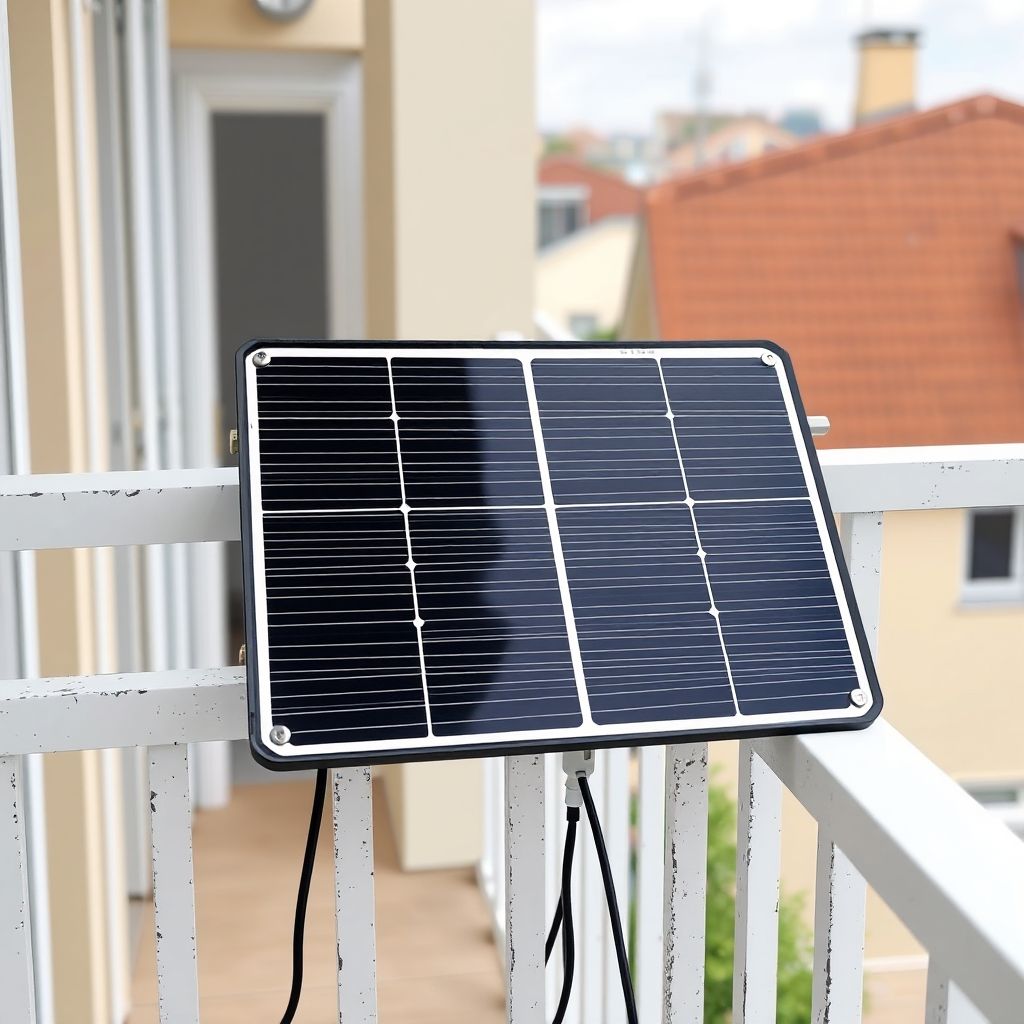
Ten U.S. states, including California, have legalized plug-in 'balcony' solar this year under a new UL 3700 certification framework. Systems are generally capped at 1.2 kW and cannot export to the grid; an Aurora Solar researcher sees them as an entry point for renters and a lead source for installers.
The European Commission has launched the T-MED Investment Platform, offering €4.5 billion in guarantee capacity to mobilize up to €25 billion for Mediterranean clean energy projects by 2035. The initiative, part of the Pact for the Mediterranean, targets renewable electricity, hydrogen, and grid infrastructure across the region.
Haryana Power Purchase Centre has invited bids for 500 MW of solar PV projects integrated with 250 MW/1,000 MWh of four-hour battery storage. The tender requires developers to build, own, and operate the assets under 25-year power purchase agreements.
The Western Australian government has allocated $10.8 million to assist 8,000 customers in Albany with the decommissioning of a 160 km LPG network. Residents can receive up to $2,000 for electric appliances, while the state covers costs for those switching to bottled gas.
Connecting 5 GW of data centres to the east coast grid without new generation could raise wholesale power costs by $40 billion across four states between 2029 and 2035, a Smart Energy Council report says. Industry minister Tim Ayres says legislation requiring data centres to procure new renewable generation is coming shortly.
Sixteen Norwegian organisations led by Fornybar Norge have asked parliament to use the 2027 budget to revive slowing solar deployment, proposing commercial-rooftop auctions, wider electricity sharing, a solar mandate for new buildings and Enova support for home solar with batteries.
India's grid curtailed 6,825 GWh of renewable energy in the first half of 2026, 1.8 times all of 2025. Aurora Energy Research's substation-level analysis shows transmission delays and uncompensated T-GNA curtailment can make the same project bankable at one Rajasthan node and not at another.
China’s NDRC has released revised electricity spot market rules that permit renewable energy plants and on-site storage to participate in the market as a single entity. The proposal, open for public comment until November 18, aims to unify national market operations and replace interim regulations from 2023.
T1 Energy has received a Department of Commerce waiver allowing the import of 1.725 GW of solar cells to support its Texas-based module assembly. The company states the waiver enables it to meet rising domestic demand without delays while its new cell production facility is under construction.
Sri Lanka's October 17 blackout began when a Norochcholai coal unit tripped on a grid already carrying heavy solar, and the system operator again told rooftop owners to disconnect. A March 2026 regulator report found under half of rooftop capacity had adopted updated ride-through settings.
South Korea’s installed renewable energy capacity has surpassed coal for the first time, reaching 41,040 MW as of October 21. The milestone was driven by consistent annual additions, with renewables growing at a rate four times faster than natural gas.
The future of Victoria's energy efficiency scheme is uncertain as the state election approaches, with the Liberal party offering no indication on its retention. Meanwhile, regulators report a shift in fraudulent activity toward AI-faked documents, prompting increased enforcement actions against accredited businesses.
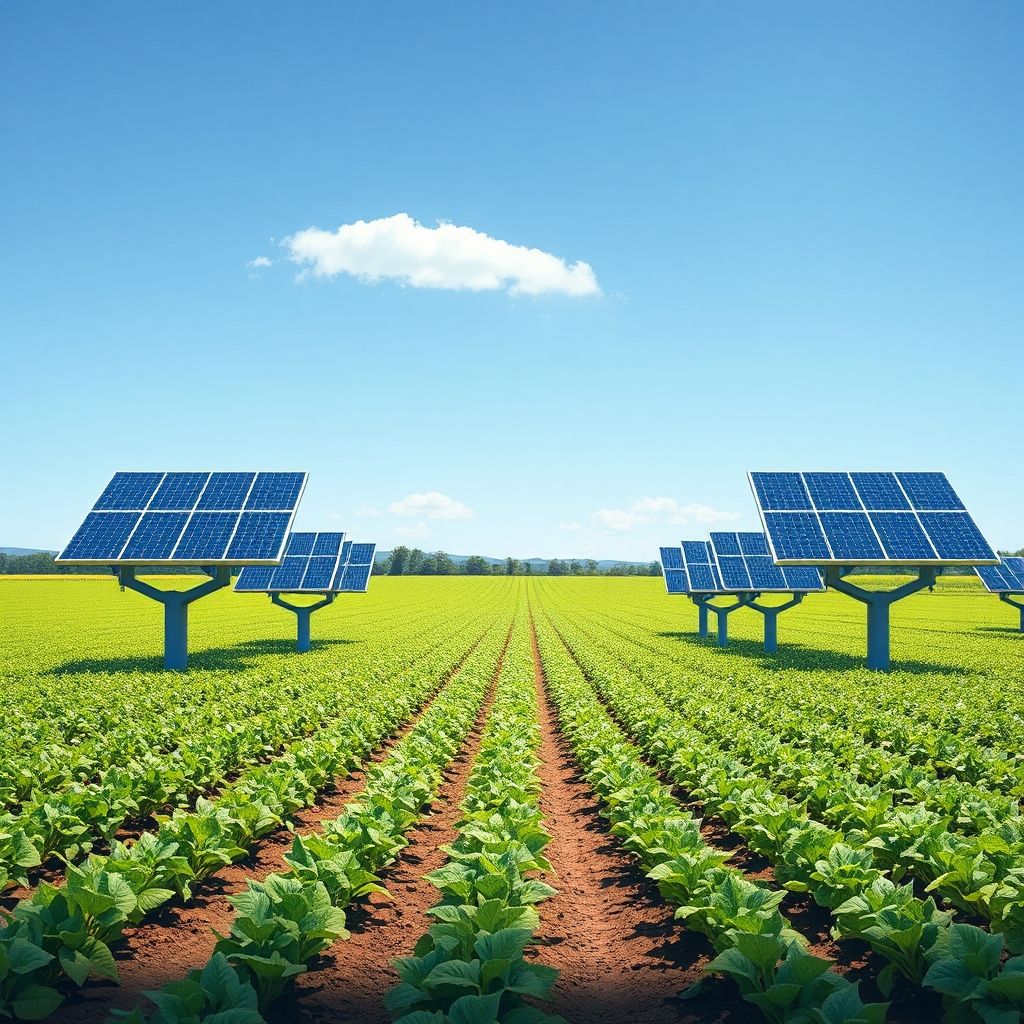
The Indian government is developing a policy to boost agrivoltaics adoption, aiming for 5 GW capacity in the coming years. Officials emphasize that solar generation must complement, not replace, agricultural cultivation on suitable cropland.
Ember says subsidising batteries for half of PM Surya Ghar’s 10-million-home target could add 15–25 GWh of distributed storage. A 5 kWh battery cuts a 3 kW system’s daytime exports by 85–90%, but lengthens payback from 3.3 to over nine years; a 50% battery subsidy brings it to 6.3 years.
UNEP’s Emissions Gap Report 2026 says current policies put the world on course for 2.8°C of warming this century, while India is one of only six G20 countries on track to meet its 2030 NDC. Emissions must fall 18% by 2030 and 45% by 2035 from 2025 levels; current pledges deliver 5-8% by 2030.
Rep. Rob Menendez introduced the Socket Full of Sunshine Act, mandating state utility commissions to evaluate plug-in solar rules. The bill pairs regulatory requirements with a $1,000 rebate for low-income households to boost affordable access.
European Energy has secured 30-year agreements with four First Nations groups to advance major solar and battery projects in Queensland. The deals cover Australia’s first gigawatt-scale solar farm, which includes a power purchase agreement with Rio Tinto.
The Justice Department has asked a federal court to send back the construction permit for the New England Wind project, joining a broader effort to reconsider approvals for East Coast wind farms. Critics argue the moves create uncertainty for operational and proposed projects, while developers defend the validity of existing permits.
Sumitomo Electric Industries has launched the UK’s first high-voltage direct current subsea cable manufacturing facility at the Port of Nigg. The £350 million investment creates over 200 direct jobs and positions Scotland as a key hub for offshore wind infrastructure.
The New York Public Service Commission greenlit two district heating projects worth $111.5 million, marking the state's first utility-scale thermal networks. While advocates praised the move as a blueprint for decarbonization, others criticized the rejection of nine additional proposals.
New Mexico achieved its 2030 renewable energy milestone in 2024, driven by utility-scale expansion and federal incentives. The state’s primary utility, PNM, is now moving to replace coal assets with wind, solar, and battery storage to meet rising demand.
The Snowy 2.0 hydroelectric project has seen its cost reset to $12 billion, with contractors citing adverse geological conditions that slowed tunnel boring. Critics argue the initial investigation relied on widely spaced boreholes, leaving engineers to navigate the unknown in rock conditions far more complex than standard urban tunnelling.
Stanwell has asked CEO Michael O’Rourke, a 28-year veteran who led the company since 2021, to step down, citing a need for a “fresh approach”. COO James Oliver is acting CEO. The move follows new CEOs at CS Energy, Powerlink and Energy Queensland under the LNP government.
The European Commission has allocated EUR 3.4 billion from ETS revenues to 77 selected net-zero projects, announced on 19 October. Among the recipients are initiatives focused on offshore charging, rare earth magnet production, HVDC manufacturing, and floating wind pilots.
Poland has amended its energy laws to exclude battery storage from micro-installation limits, allowing systems up to 2.2 times the power of the connected PV array. The changes, effective December 1, aim to boost domestic storage adoption without increasing grid feed-in beyond the solar system's rated capacity.
A research team from the University of Science and Technology of China and the University of Trieste developed a new assessment framework for building-integrated photovoltaic (BIPV) façades. The study, published in Applied Thermal Engineering, identifies 16 fire risk indicators and prioritizes rapid shutdown as the most critical safety measure.
Netze BW has automated the approval process for small-scale solar systems, reducing the average wait time from 12 days to five minutes. The system, which handles requests for installations up to 15 kW, has already processed thousands of applications since its launch in late July 2026.
UTE has launched a tender for three 33 MW solar projects in Uruguay, requiring 20-year power purchase agreements. The bid documents are scheduled for publication in late 2026, with a focus on local workforce integration and specific grid connection constraints.

 Policy