
AEMO to update grid outlook after Snowy 2.0 faces 10-month delay
Snowy Hydro has confirmed that the Snowy 2.0 project will face a 10-month commissioning delay and increased costs, prompting AEMO to revise its annual Electricity Statement of Opportunities. The updated report, expected in early December, indicates no unserved energy before 2032-33 but flags potential blackout risks in NSW, SA, and Victoria.
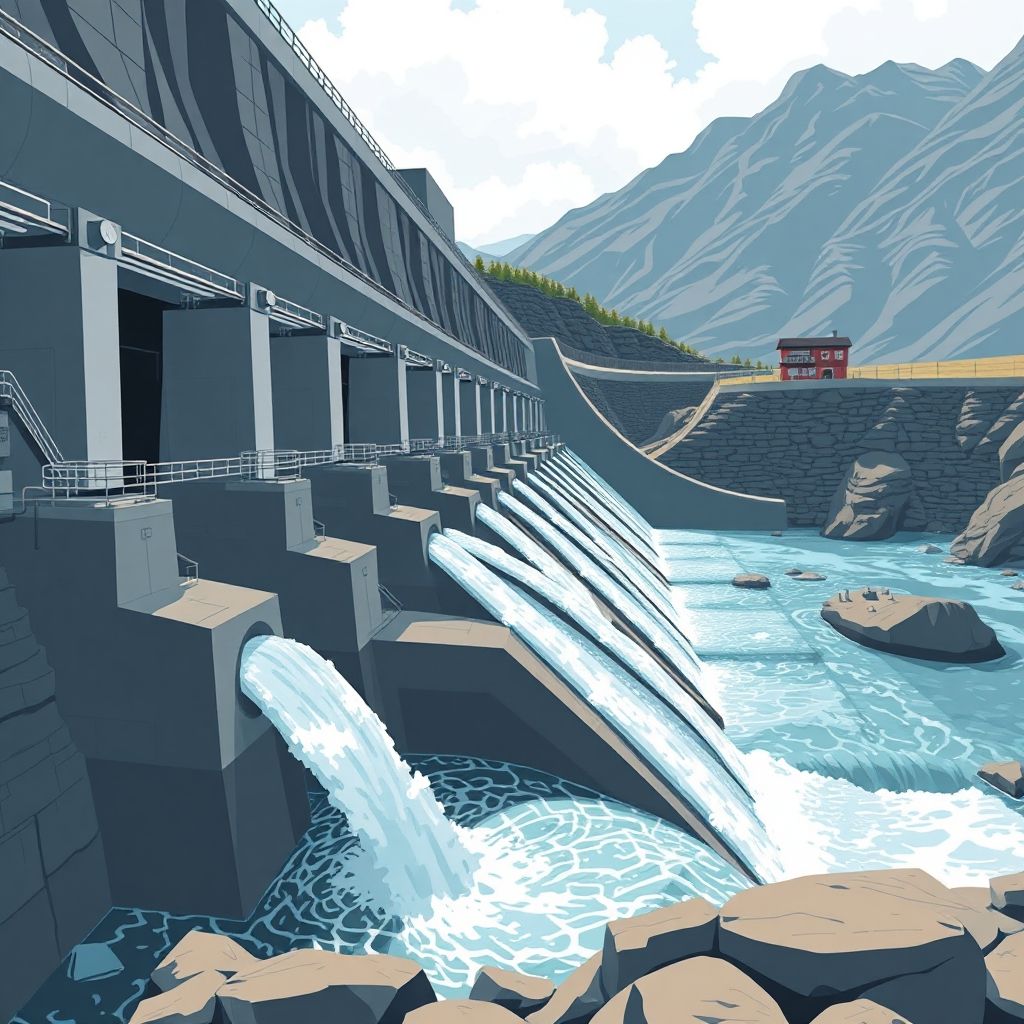
Snowy Hydro has acknowledged that its Snowy 2.0 project will face further delays and a higher budget. The company says the commissioning date has slipped by 10 months, pushing the target to October 2029.
In response to the revised timeline, the Australian Energy Market Operator (AEMO) is updating its annual Electricity Statement of Opportunities report.
Project Cost and Capacity
- Projected cost: $22.2–$25 billion
- Total capacity: 2.2 gigawatts
- Energy storage: 350 gigawatt-hours
- Turbine units: six
On 23 October, Luminity disclosed that Snowy Hydro’s EBITDA increased by 6% to A$756.8 million for the 2025-26 fiscal year. The company is currently collaborating with the federal government to devise a capital structure that underpins Snowy 2.0 expenditures while preserving its BBB+ credit rating, as detailed in this report. A previous Luminity report highlighted that the 660-megawatt Kurri Kurri gas facility represents a separate asset category from the pumped hydro initiative.
AEMO Modelling and Reliability
AEMO’s current projections posit that two Snowy 2.0 turbine units will come online in December 2028, while the final four are scheduled for June 2029. This timeline aligns with the regulator’s customary approach of adding a six-month buffer to developer-confirmed commissioning dates for secured projects. An AEMO representative noted that substantial, long-duration storage initiatives such as Snowy 2.0 are set to serve a crucial function within the National Electricity Market. Even with the postponement, AEMO forecasts no unserved energy prior to the 2032-33 financial year. Nevertheless, the outlook flags possible blackout dangers in New South Wales, South Australia, and Victoria during that identical 2032-33 timeframe. Contextual information from Luminity’s 23 October report indicates that Snowy Hydro’s contracted wind and solar portfolio has attained 1,980 megawatts.
Historical ESOO Updates
| Year | Key Adjustment |
|---|---|
| 2025 | Torrens Island B retirement delayed; Gladstone closure set for 31 March 2029 |
| 2023 | Interim Reliability Measure extended to 30 June 2028 |
| 2022 | Torrens Island early closure; Snowy 2.0 delayed one year; Osborne extension |
| 2021 | Eraring closure moved from 2032 to 2025-26; Bayswater mentioned |
| 2020 | Yallourn retirement moved from 2032 to mid-2028 |
AEMO notes these revisions occurred in five of the past six reporting cycles.
Policy Context
The NSW government is weighing whether to keep two 720-megawatt Eraring units running past mid-2029, despite the April 2029 closure date set by owner Origin Energy. Previous assessments supported an extension of up to 44 months. The Bureau of Meteorology reports temperatures have risen more than a degree Celsius over the past century.
[BACKGROUND] Alinta cancelled its 900-megawatt Oven Mountain pumped hydro project in New South Wales on 22 October 2026, citing economic and timing challenges, per an earlier report.
What to watch
AEMO is expected to release the updated Electricity Statement of Opportunities in early December. The report will reflect the revised commissioning schedule for Snowy 2.0, specifically the assumption that two turbine units become available in December 2028 and the remaining four in June 2029. This update will clarify how the delay impacts long-term grid reliability projections, including the assessment of potential blackout risks in New South Wales, South Australia, and Victoria during the 2032-33 financial year.
Source: RenewEconomy. This article is an original Luminity report based on the linked source.