Haryana Power Purchase Centre has invited bids for 500 MW of solar PV projects integrated with 250 MW/1,000 MWh of four-hour battery storage. The tender requires developers to build, own, and operate the assets under 25-year power purchase agreements.
The Western Australian government has allocated $10.8 million to assist 8,000 customers in Albany with the decommissioning of a 160 km LPG network. Residents can receive up to $2,000 for electric appliances, while the state covers costs for those switching to bottled gas.
Operational renewable projects now comprise nearly 40% of standalone European PPA offers, with wind assets accounting for nearly 60% of wind-specific deals. LevelTen Energy attributes this shift to the lower risk and faster execution associated with existing infrastructure compared to new builds.
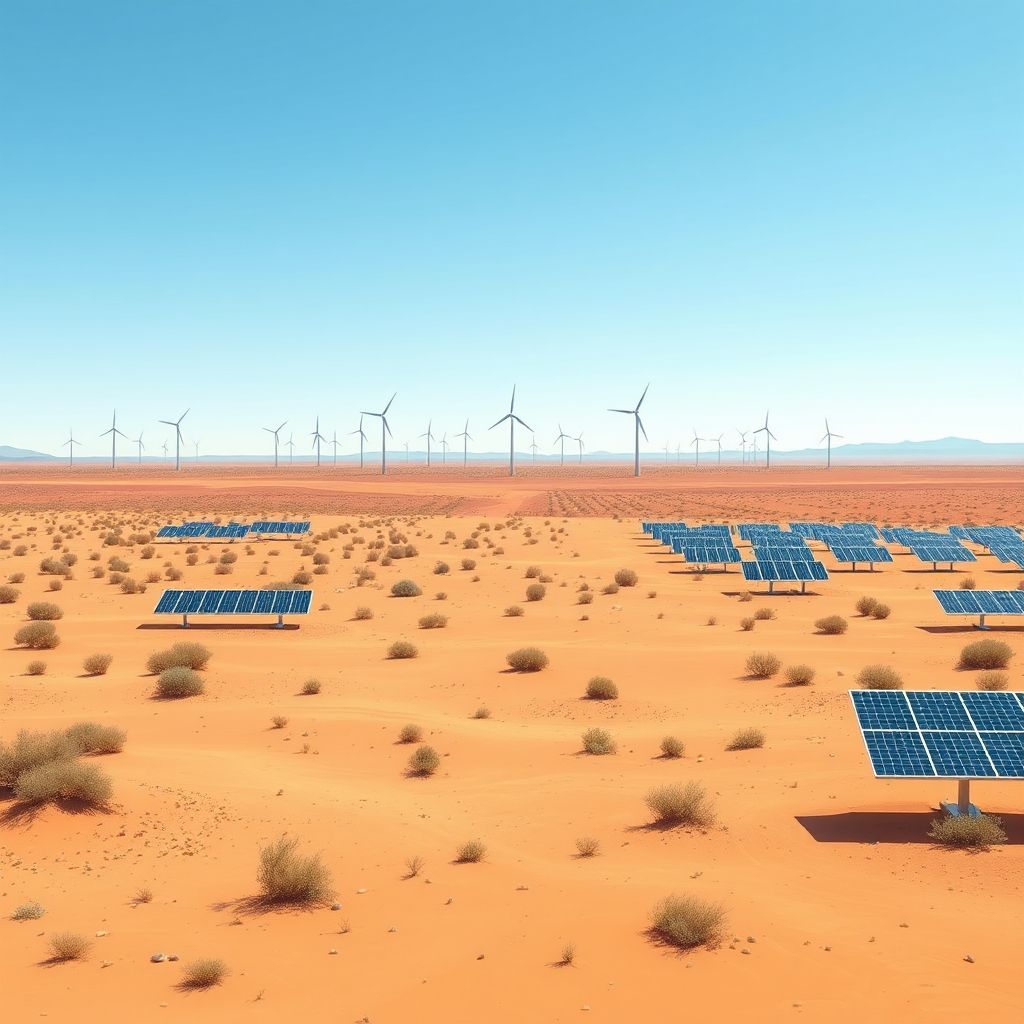
SP Energy has outlined a 4 gigawatt renewable energy project in Western Australia’s Pilbara region, designed to serve Element Zero and other industrial customers. The development is staged, with the first gigawatt targeted for construction in 2028.
Connecting 5 GW of data centres without new generation increases wholesale power costs by $40 billion across four states by 2035. Industry minister Tim Ayres is introducing legislation to mandate that data centres procure new renewable generation to prevent these costs from falling on consumers.
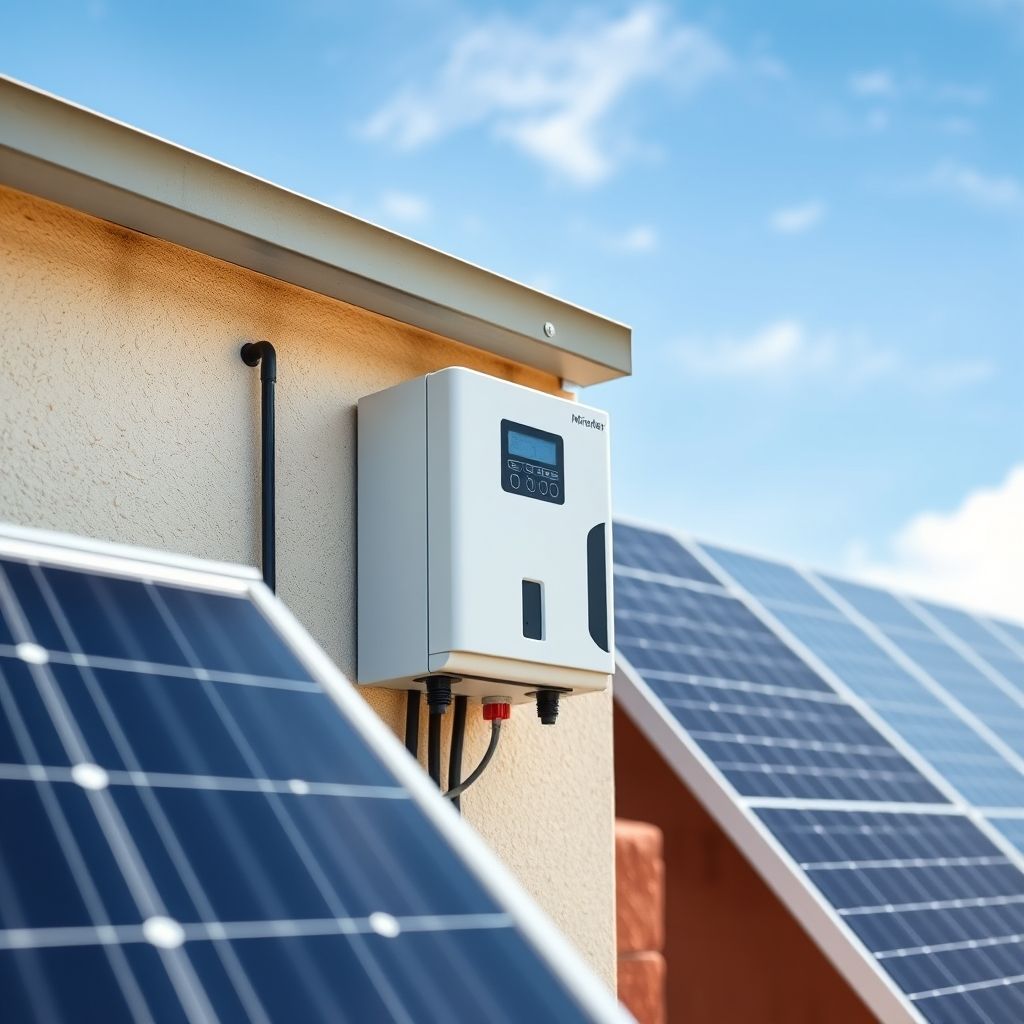
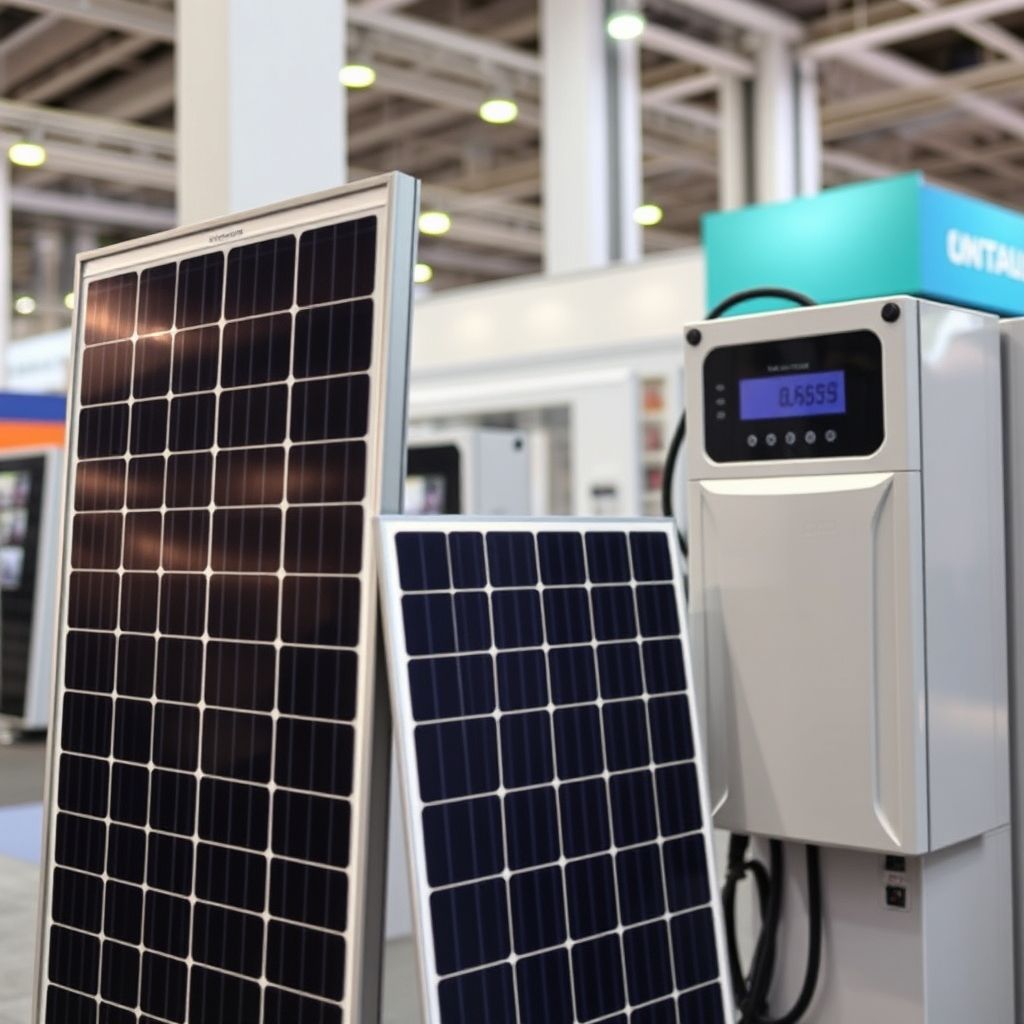
Hoymiles introduced its new MIS 6-in-1 microinverter at REI Expo 2026 in Greater Noida, featuring support for up to six high-power modules. The company aims to expand its distribution and service network in India following extensive local market research.
Torrent Power has secured environmental and forest clearances for a 3,000-MW pumped storage facility in Karjat, Maharashtra, located 16 km from the Bhimashankar Wildlife Sanctuary. The project, with an 80-year life, is designed to displace coal-based generation and prevent significant carbon emissions over its operational period.
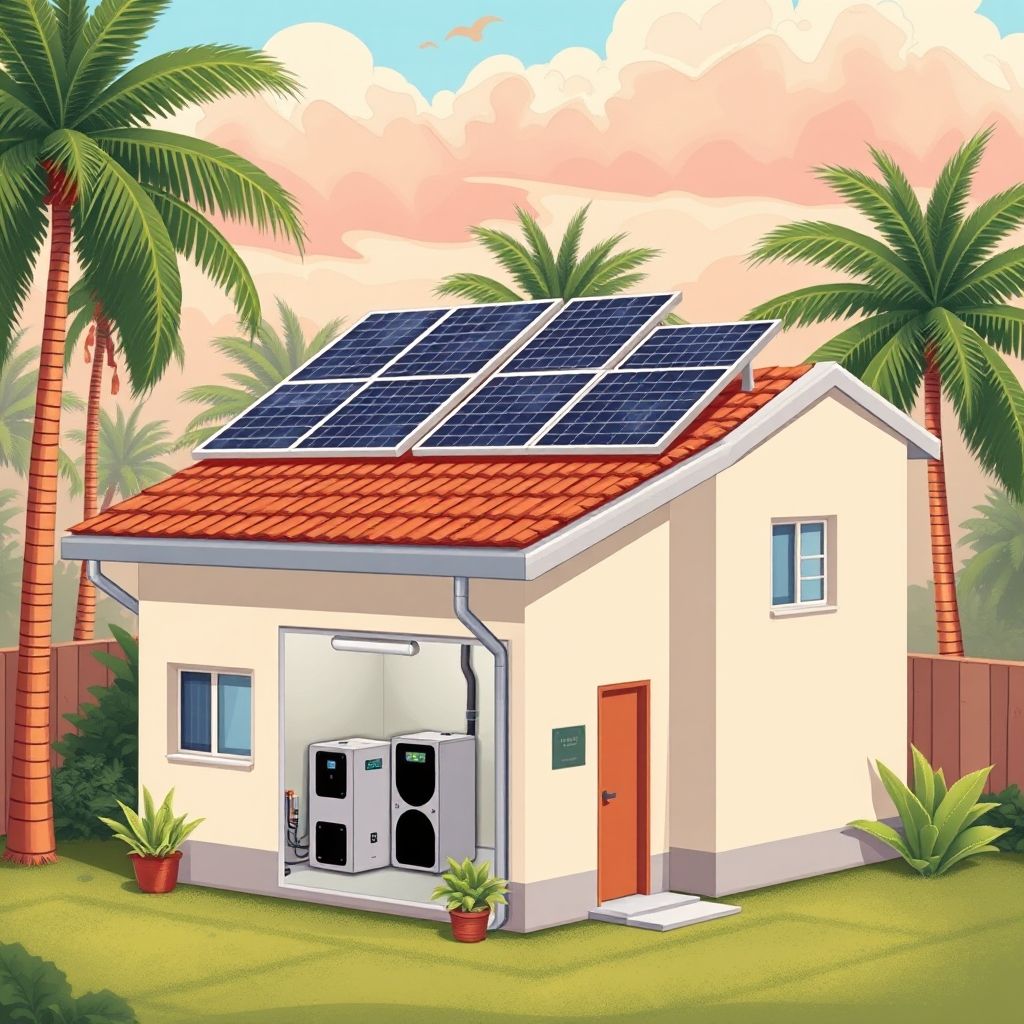
A two-unit building in Bayamón relies on three independent solar and battery systems to maintain power amid frequent grid outages. The installation, completed by Ingenious Solution Services, is currently operating in self-consumption mode while awaiting final certification from the local utility.
Sixteen Norwegian organisations led by Fornybar Norge have asked parliament to use the 2027 budget to revive slowing solar deployment, proposing commercial-rooftop auctions, wider electricity sharing, a solar mandate for new buildings and Enova support for home solar with batteries.
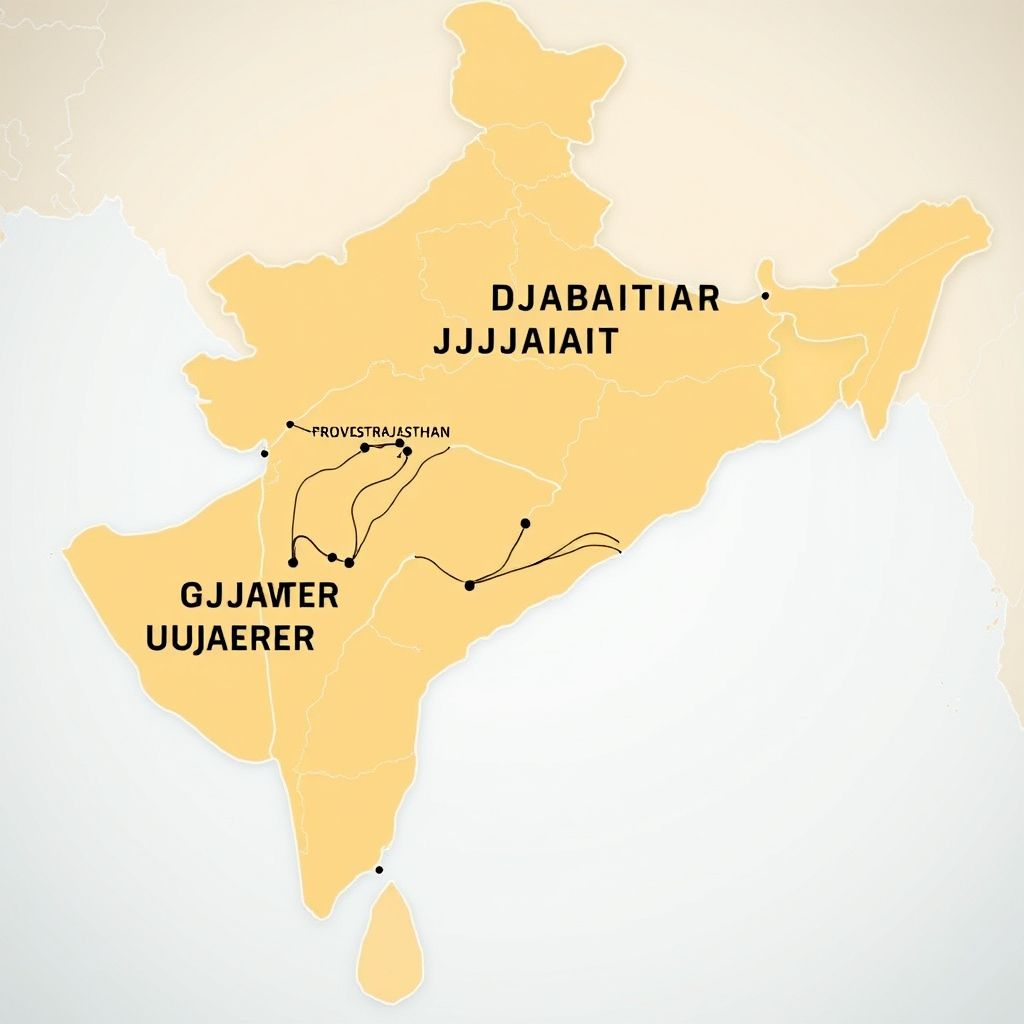
India's grid curtailed 6,825 GWh of renewable energy in the first half of 2026, 1.8 times all of 2025. Aurora Energy Research's substation-level analysis shows transmission delays and uncompensated T-GNA curtailment can make the same project bankable at one Rajasthan node and not at another.
Shakti Pumps launched a new range of high-power bifacial solar modules and an AI-powered inverter at REI Expo 2026. The products are manufactured at its Pithampur facility, with BIS and ALMM certifications currently under review.
Insolation Energy and Caelux have signed a five-year strategic partnership to commercialize 3 GW of hybrid-tandem solar modules. The companies target commercial production and 29% module efficiencies by 2028, focusing on Indian regulatory compliance.
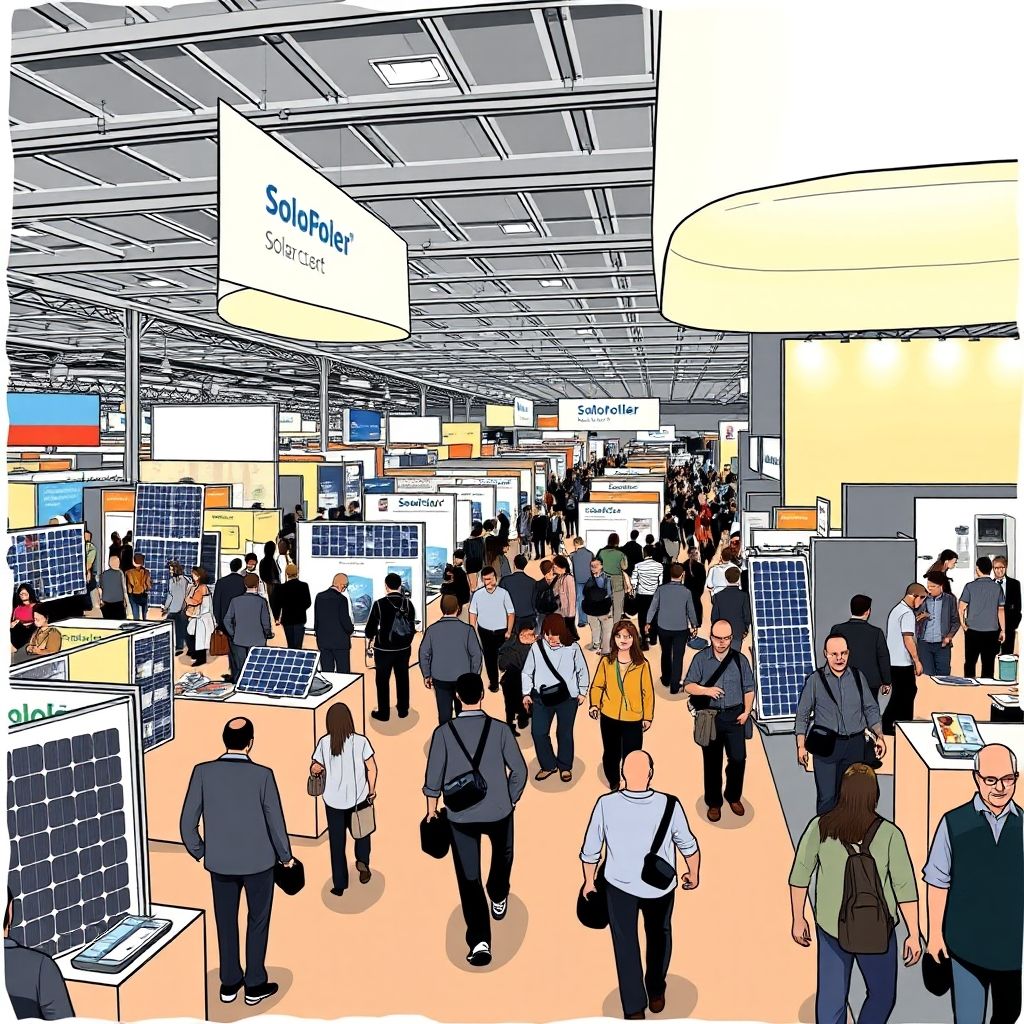
More than 54,000 visitors and 1,000 exhibitors packed REI 2026 in Greater Noida. The bigger story was overcapacity: over 200 GW of module lines against 50-60 GW of yearly demand, a cell DCR already in force and wafer rules due in 2028.
California's Gritt Robotics is retrofitting standard construction machines with AI control and says it will help three top-10 US solar EPCs install six million panels, about 2.8 GW, in two years, as the industry faces a reported 53,000-worker shortfall.
Economic offloading of Australian grid-scale solar fell 54% year on year in the September quarter, to 5.9% of availability, as battery charging and daytime demand rose, AEMO says. Network curtailment, however, doubled to a record 281 MW.
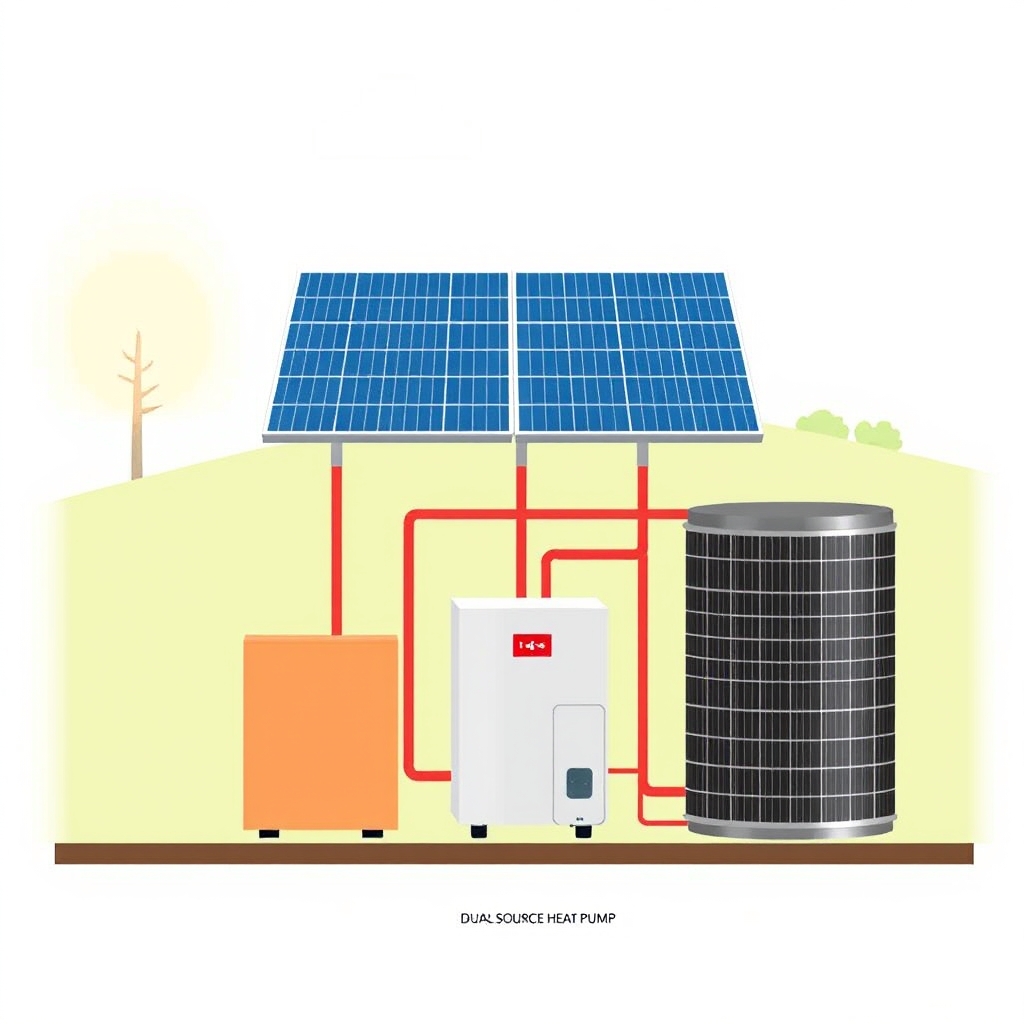
An Italian research team tested a 10 kW CO2 heat pump prototype in Rome, finding that higher solar irradiance improved efficiency and heating capacity. The study, published in Applied Thermal Engineering, also developed neural networks to predict performance and assess economic viability across different climates.
China’s NDRC has released revised electricity spot market rules that permit renewable energy plants and on-site storage to participate in the market as a single entity. The proposal, open for public comment until November 18, aims to unify national market operations and replace interim regulations from 2023.
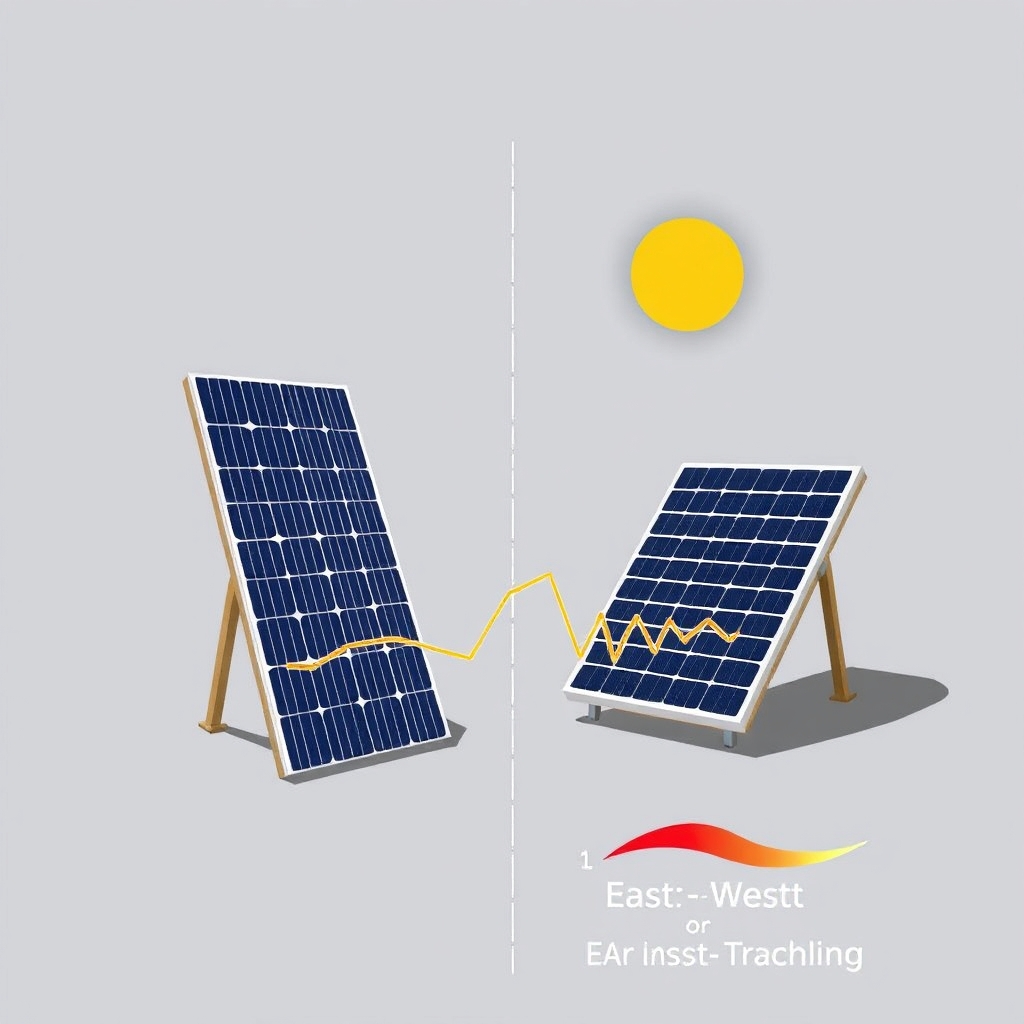
A study by UNSW researchers indicates that east-west ground-mounted solar systems experience up to 40% lower rates of certain degradation mechanisms compared to single-axis trackers. The findings suggest that mounting configuration directly influences module reliability, with thermal effects being most pronounced in southern Australia.
Aiko Solar has approved a CNY 1.15 billion investment to convert its Tianjin PERC facility into a 6 GW All Back Contact cell production line. The upgrade begins in the fourth quarter of this year, with full production targeted for the third quarter of 2027.
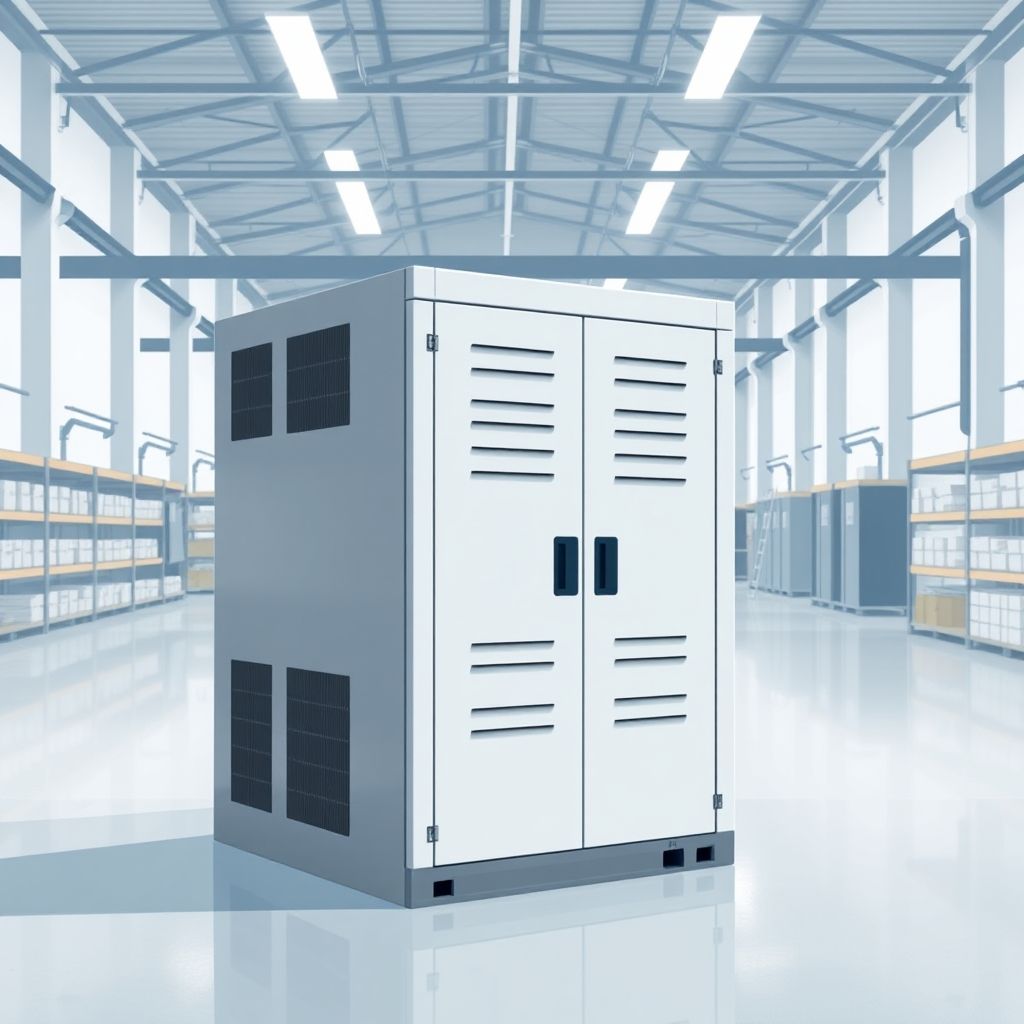
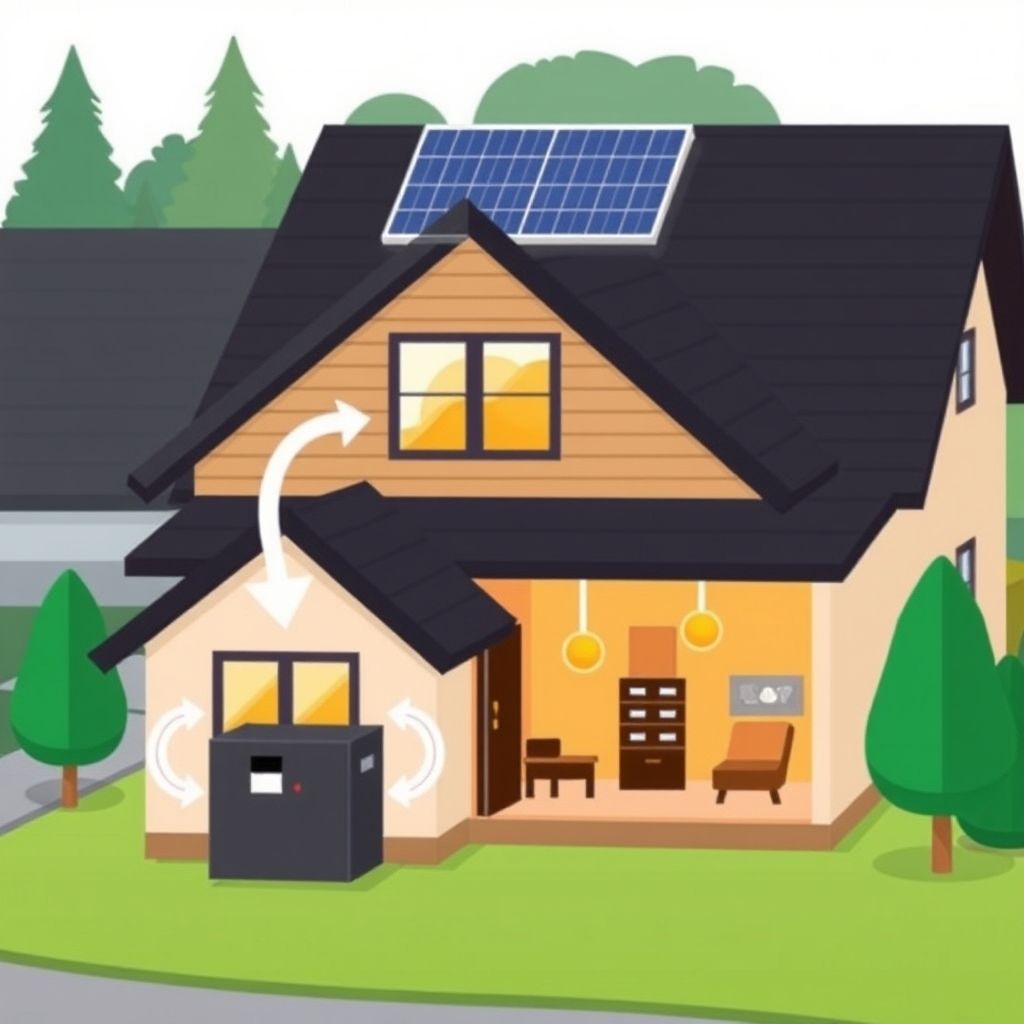
TCL SunPower has introduced the X5 hybrid energy storage cabinet, targeting the European commercial and industrial market with a base capacity of 50 kW/100 kWh. The company states the pre-assembled unit can reduce installation costs by up to 60% compared to on-site assembly.
Transaera is testing a rooftop heat pump system using metal-organic frameworks in a Washington D.C. multifamily building. The project, supported by a $125,000 grant, aims to prove independent data on energy efficiency and operating cost reductions.
T1 Energy has received a Department of Commerce waiver allowing the import of 1.725 GW of solar cells to support its Texas-based module assembly. The company states the waiver enables it to meet rising domestic demand without delays while its new cell production facility is under construction.
Average NEM wholesale prices fell 27% to A$63/MWh in the September quarter, the lowest for the period since 2021, even as underlying demand hit a record 25,472 MW. AEMO says rooftop PV, home and grid batteries and more grid-scale solar drove the fall, with gas at its lowest Q3 output since 2000.
Renewable and storage generation supplied a record 80.4% of the NEM in one half hour on 19 September 2026, driven by solar, AEMO data shows. In the Q3 evening peak, grid-scale batteries supplied 8% of generation, beating gas (5.1%) for the first time in any quarter.
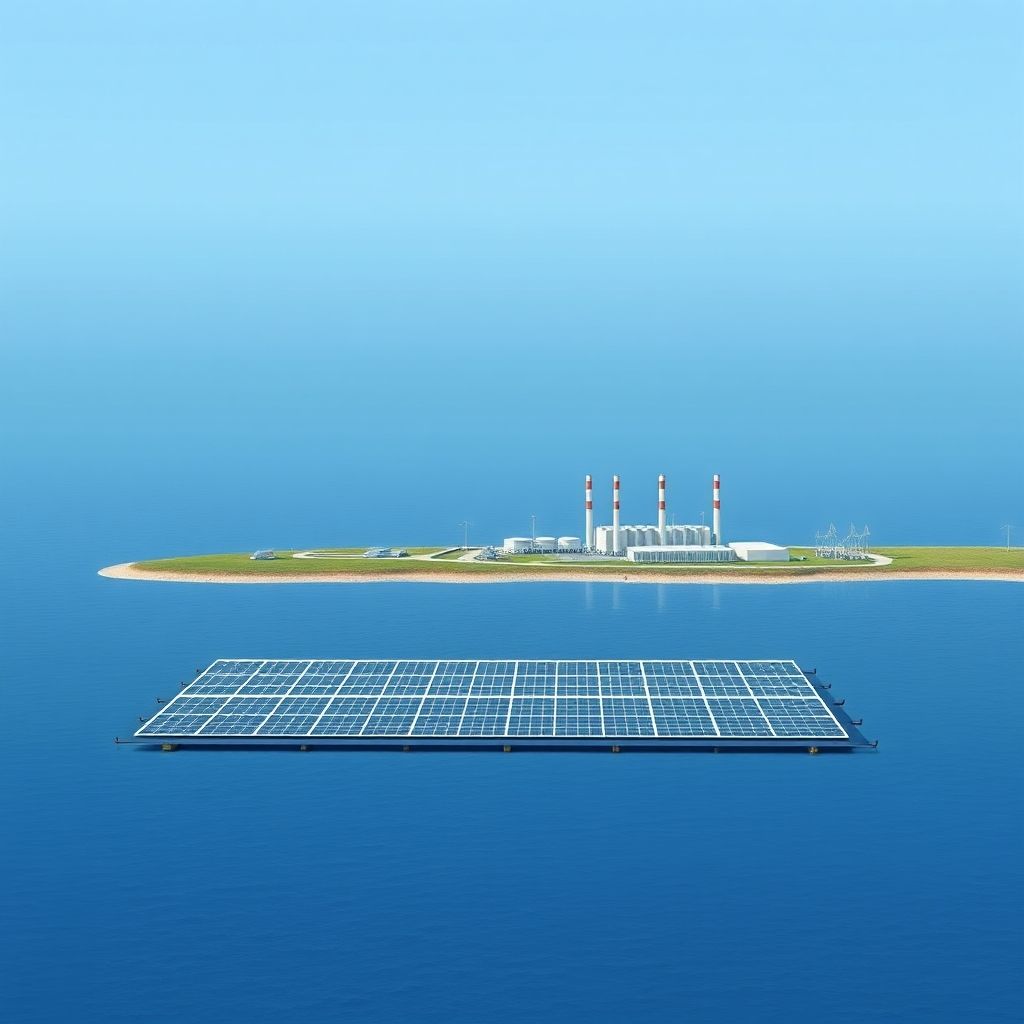
Rwanda Energy Group has launched prequalification for a 200 MW floating solar plant on Lake Sake, paired with 800 MWh of battery storage. The project will be developed by an independent power producer under a 25-year power purchase agreement.
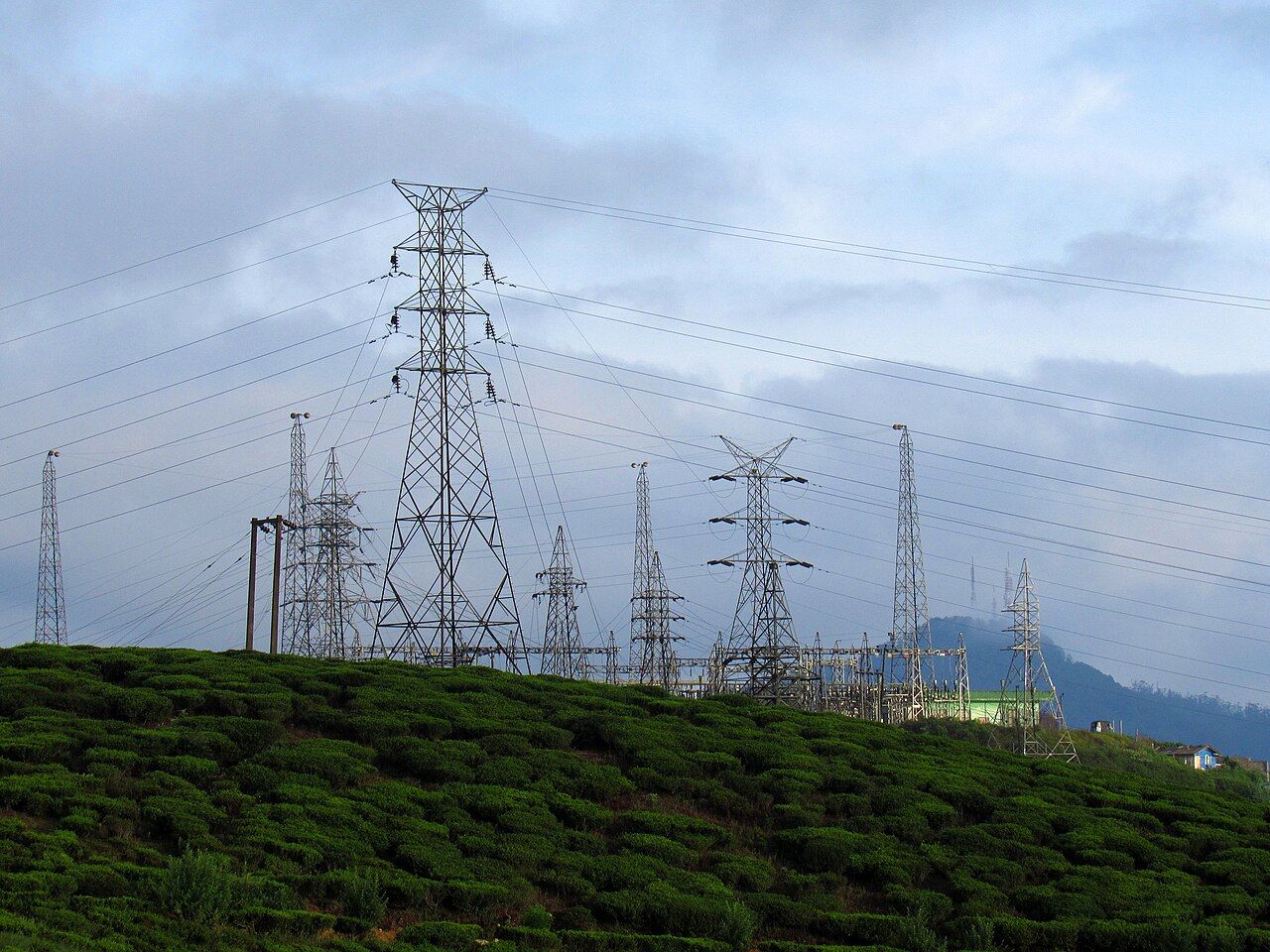
Sri Lanka's October 17 blackout began when a Norochcholai coal unit tripped on a grid already carrying heavy solar, and the system operator again told rooftop owners to disconnect. A March 2026 regulator report found under half of rooftop capacity had adopted updated ride-through settings.
An Ember report finds that pairing 3-kW rooftop solar with 5-kWh batteries could reduce daytime grid exports by 85-90%, shifting 1,600-1,800 units to evening use. The analysis highlights a payback period of 9 years without subsidies, which drops to 6.3 years with a proposed 50% battery subsidy.
South Korea’s installed renewable energy capacity has surpassed coal for the first time, reaching 41,040 MW as of October 21. The milestone was driven by consistent annual additions, with renewables growing at a rate four times faster than natural gas.
The future of Victoria's energy efficiency scheme is uncertain as the state election approaches, with the Liberal party offering no indication on its retention. Meanwhile, regulators report a shift in fraudulent activity toward AI-faked documents, prompting increased enforcement actions against accredited businesses.
Panasonic Holdings has advanced its full-scale mass production schedule for glass-based perovskite solar panels from fiscal year 2030 to April 2029. The company began commercial sales of pre-production modules in September 2026, with future manufacturing planned for its Nagahama facility.
Navitas Solar has secured up to $20 million in growth capital from responsAbility’s Asia Climate Fund. The funding supports the first 2.4 GW phase of a planned 3.6 GW solar cell manufacturing expansion.

 Policy