
Illinois battery auction yields 600 MW, far short of 2030 target
A new Illinois incentive program secured 600 megawatts of battery storage, significantly below the state’s 3 gigawatt mandate for 2030. Developers cited grid connection delays and revenue uncertainty as key hurdles in the initial auction round.
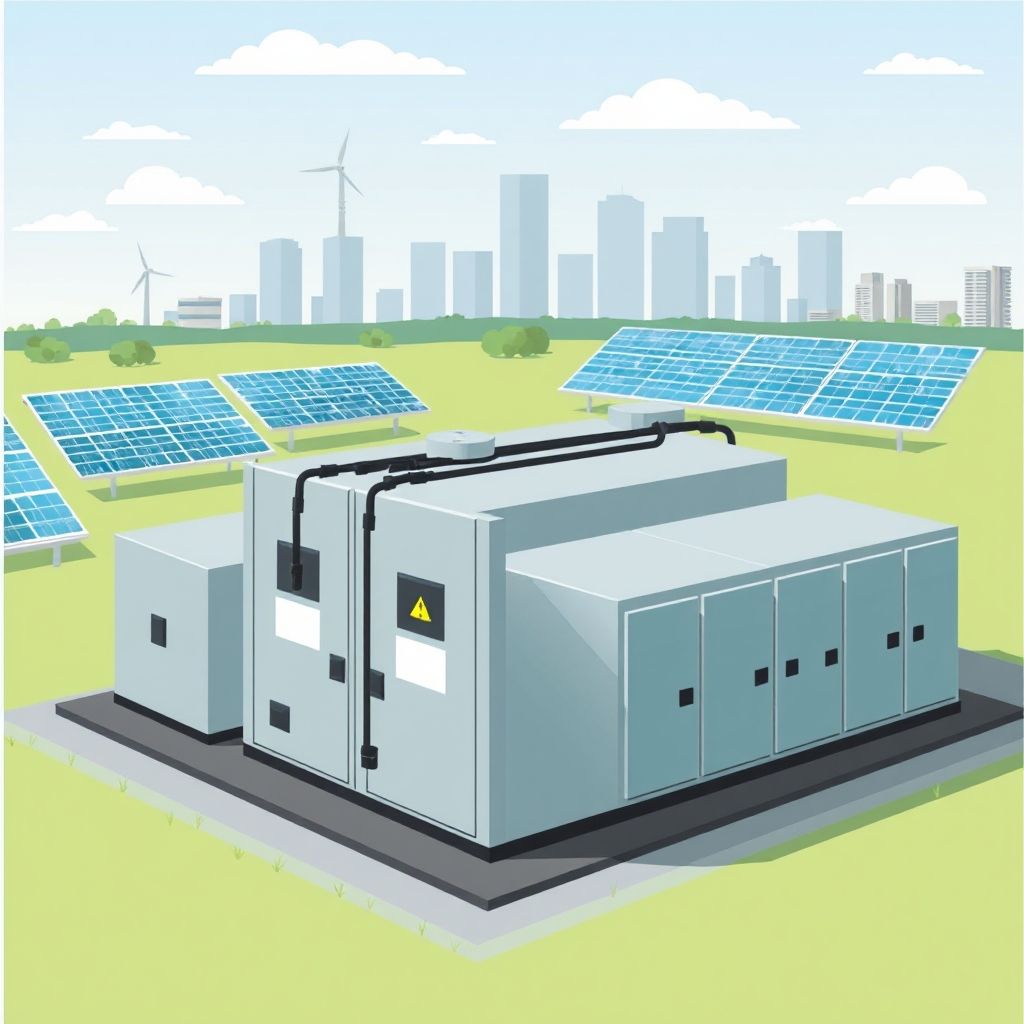
Illinois Power Agency officials announced that the state’s recent battery storage incentive auction, held in August, resulted in 600 megawatts of new capacity. The outcome stands in stark contrast to the state’s legislative mandate, which requires 3 gigawatts of battery storage to be online by the end of 2030.
The 600-megawatt total represents a substantial gap relative to the statutory goal. While the auction concluded with these specific deals, the volume secured falls well short of the multi-gigawatt target set by state law. This discrepancy highlights the distance between current procurement results and the long-term infrastructure requirements outlined in Illinois energy policy.
The agency’s data confirms the final deal size from the August auction. The reported 600 megawatts remains the definitive total from this specific incentive event, leaving the bulk of the 2030 requirement unaddressed in this cycle.
Regional disparities in project awards
The distribution of capacity across Illinois’ two major utility service territories reveals a striking imbalance in the recent procurement results. That project has a capacity of 80 megawatts, leaving a substantial portion of the regional goal unmet. This outcome suggests that developer interest or project readiness in this part of the state may have been limited during this specific auction cycle, creating a localized shortfall that contrasts sharply with the broader state-level figures reported by the agency.
Conversely, the Ameren Illinois territory saw a much more robust response from the market. This concentration of projects indicates a higher level of commercial activity or project maturity within Ameren’s service boundaries compared to the ComEd area. For state planners, these uneven results underscore the complexity of meeting uniform statutory targets across diverse geographic and commercial environments.
Mechanisms and current capacity baseline
The state’s long-term trajectory is anchored in a mandate to reach 100% clean energy by 2050, a goal that necessitates substantial grid flexibility. To bridge the gap between current infrastructure and this future requirement, Illinois currently operates with only 102 megawatts of storage capacity. This modest baseline underscores the scale of the buildout required to support variable renewable generation and maintain grid stability over the coming decades. The recent auction operates within a specific regulatory framework designed to attract private capital into this underdeveloped sector.
The program relies on indexed storage credits to guarantee developer revenue. This mechanism functions as a financial backstop, reducing the market risk associated with building large-scale battery facilities. By securing a predictable income stream, the policy aims to make projects bankable for lenders and attractive to investors who might otherwise hesitate due to volatile electricity prices. Such revenue guarantees are common in emerging energy markets where price signals alone may not provide sufficient certainty for high upfront capital investments. The Clean and Reliable Grid Affordability Act, signed in January, provides the statutory authority for these incentives. For developers, the presence of a guaranteed credit structure often determines whether a project reaches the permitted stage, as it mitigates the financial exposure inherent in long-term infrastructure commitments. This regulatory support is intended to accelerate deployment, though the recent auction results suggest that financial guarantees alone may not be enough to drive the volume needed to meet near-term statutory targets.
Developer concerns and regulatory feedback
- James Gignac described the auction outcome as "a strong start" and noted "there is interest in developing energy storage."
- Illinois Power Agency is collecting developer feedback until Oct. 28.
- PJM Interconnection grid connection delays create developer uncertainty.
- Brett Sproul stated that "uncertainty led to some cold feet."
The response to the recent procurement round reflects a mix of cautious optimism and operational friction. While agency officials acknowledged the initial momentum, the limited volume of secured capacity points to specific hurdles in the development pipeline. The current feedback collection period, running through late October, serves as a direct channel for the agency to address these structural issues before subsequent policy adjustments or auction cycles are finalized.
Grid interconnection timelines often dictate project feasibility, as developers must commit capital well before physical connections are approved. When transmission operators experience delays in processing these requests, it introduces a layer of risk that can stall financing and construction schedules. In this context, the reported hesitation among bidders appears linked to these logistical bottlenecks rather than a lack of fundamental market appetite. By soliciting direct input from the industry, the agency aims to refine the regulatory framework to better accommodate these real-world constraints, potentially adjusting eligibility criteria or timeline expectations to align with actual grid capacity availability.
What to watch
The immediate next step involves the Illinois Power Agency’s review of developer feedback collected through late October. This input will likely shape how regulators address the grid interconnection delays that contributed to the recent hesitation among bidders. Since transmission connection timelines often dictate project feasibility, resolving these logistical bottlenecks is essential for restoring confidence in future procurement rounds. Readers should monitor whether the agency adjusts eligibility criteria or timeline expectations to better align with actual grid capacity availability.
Beyond specific regulatory tweaks, the broader market response to the indexed storage credits will determine if the current financial backstop remains attractive enough to drive the necessary buildout. As the state moves toward its long-term clean energy mandate, the gap between current infrastructure and future requirements remains substantial. The outcome of the feedback process will reveal if developers need additional certainty regarding revenue streams or interconnection scheduling before committing capital to new facilities. This period of evaluation sets the stage for subsequent policy adjustments aimed at accelerating deployment.
Source: Canary Media. This article is an original Luminity report based on the linked source.