
Qnetic Tests 200 kWh Flywheel System in Shanghai Ahead of 2027 Pilot
Sacramento-based Qnetic has completed initial testing of its Pulsar flywheel energy storage system in Shanghai, achieving 100 continuous cycles without faults. The company plans to launch a pilot program with Sacramento Municipal Utility District in the first half of 2027.
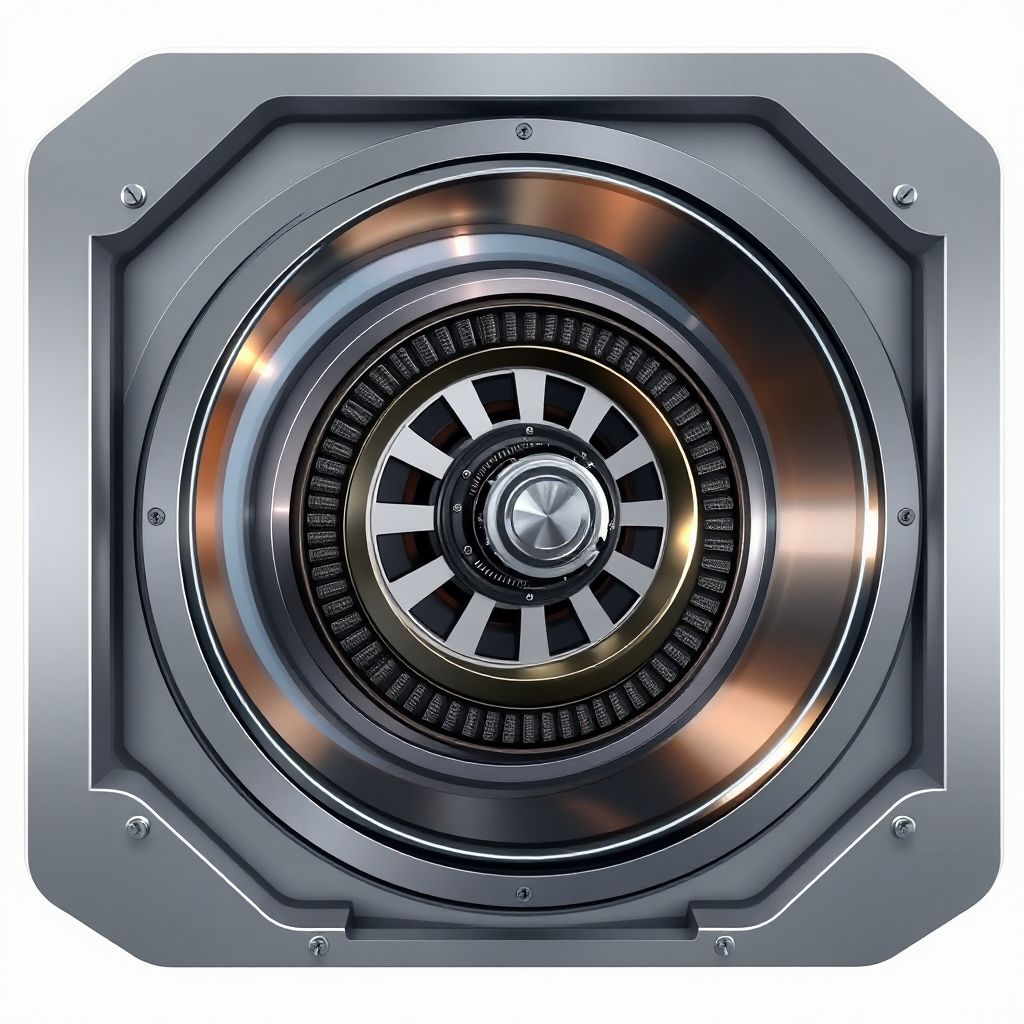
Sacramento-based startup Qnetic is currently testing its Pulsar flywheel energy storage system at a technology center in Shanghai, China. The company says the 200 kWh unit is being evaluated ahead of a planned pilot in 2027. According to the company, the Shanghai facility provides the necessary infrastructure for rigorous performance validation of the flywheel technology.
pv magazine reports that Qnetic is conducting these trials to assess the system's reliability and efficiency in a controlled environment. The startup emphasizes that the current phase is focused on gathering preliminary data to inform the upcoming pilot deployment. No independent third-party verification of the test results has been released yet.
The move underscores Qnetic’s strategy to validate its energy storage solutions in a major Asian market before broader commercial rollout. The company states that the Shanghai tests are a key component of its development timeline, though specific performance metrics from the current phase have not been disclosed.
Technical Specifications and Performance
Qnetic’s Pulsar flywheel system is designed for modular scalability, with a capacity expandable to 500 kWh. In its current configuration, the unit facilitates four hours of storage at a discharge rate of 125 kW. Tests by the company indicate robust mechanical durability, with the system completing 100 continuous charge-discharge cycles without registering any faults. The internal motor generated 130 kW of output while maintaining an efficiency rating of 97.3%. During these trials, rotational speeds exceeded 11,000 rpm. The table below summarizes these comparable performance figures.
| Metric | Value |
|---|---|
| Maximum Expandable Capacity | 500 kWh |
| Storage Duration | Four hours |
| Discharge Rate | 125 kW |
| Continuous Cycles Tested | 100 |
| Motor Output | 130 kW |
| Motor Efficiency | 97.3% |
| Rotational Speed | Over 11,000 rpm |
These figures highlight the kinetic energy storage approach, which relies on spinning mass rather than electrochemical reactions to hold power. High rotational speeds allow for dense energy packing, while the zero-fault record across a hundred cycles suggests the mechanical components are handling repeated stress effectively. A 125 kW discharge rate over four hours positions the unit for sustained load management rather than short-duration grid stabilization. Achieving 97.3% efficiency means minimal energy loss during conversion, a critical factor for the economic viability of storage assets. For grid operators, such high-efficiency, durable systems can provide reliable backup power without the degradation concerns often associated with battery chemistries. The ability to scale to 500 kWh allows developers to tailor installation size to specific site requirements, balancing capital expenditure against energy delivery capacity.
Engineering Design and Rationale
The core of the Pulsar system replaces traditional mechanical contact points with a carbon fiber rotor suspended on no-contact magnetic bearings inside a vacuum chamber. This architecture eliminates physical friction, a primary cause of wear in conventional rotating machinery. By removing contact surfaces, the design aims to extend operational lifespan while maintaining the high rotational speeds necessary for dense energy storage. The vacuum environment further reduces aerodynamic drag, allowing the rotor to spin with minimal resistance. This physical setup is critical for achieving the high efficiency rates observed in recent trials, as it minimizes the energy lost to heat and sound during operation. Such mechanical engineering choices directly influence the system's ability to withstand repeated stress without degradation, a key concern for long-term grid applications.
Michael Pratt, co-founder and CEO of Qnetic, explains the strategic pivot behind this technology. “It was pretty clear at the time that batteries were too expensive,” Pratt stated, highlighting the economic drivers that led the team away from electrochemical solutions. The team recognized that kinetic storage offered a distinct advantage in durability and cost-effectiveness over time. “We knew that flywheels had the characteristics to cycle repeatedly on the grid,” Pratt added, emphasizing the technology's suitability for frequent use. Unlike batteries, which can suffer from capacity fade after thousands of cycles, flywheels rely on mechanical integrity that does not degrade in the same chemical manner. This characteristic makes them particularly attractive for applications requiring high cycle counts, such as peak shaving or frequency regulation, where consistent performance is essential for economic viability.
Deployment Timeline
- Pilot program planned with Sacramento Municipal Utility District.
- Pilot program launch targeted for first half of 2027.
- Pulsar prototype has an initial capacity of 200 kWh.
The transition from controlled laboratory testing to field deployment marks a critical phase for emerging storage technologies. Qnetic has identified the Sacramento Municipal Utility District as the partner for this upcoming pilot program, which is currently targeted for launch in the first half of 2027. This schedule follows the completion of rigorous performance validation at the Shanghai facility, allowing the company to move from preliminary data collection to real-world operational assessment.
For grid operators and developers, the move to a municipal utility environment provides a distinct testing ground compared to isolated laboratory conditions. Field trials expose the system to variable grid loads, environmental factors, and standard operational protocols that cannot be fully replicated in a controlled center. The initial capacity of the Pulsar prototype stands at 200 kWh, a size that aligns with the specifications used during the recent mechanical durability tests. Successfully integrating this unit into the utility’s infrastructure will help determine how the flywheel’s mechanical durability translates into practical grid service, offering a tangible benchmark for the technology’s readiness before any broader commercial rollout is considered.
What to watch
The immediate focus shifts to the physical integration of the Pulsar prototype into the Sacramento Municipal Utility District’s infrastructure. Readers should monitor how the unit behaves under variable grid loads and environmental conditions that differ from the controlled Shanghai facility. This field trial will reveal whether the mechanical durability observed in laboratory settings holds up against the unpredictability of real-world utility operations.
Key questions remain regarding long-term maintenance requirements and the system’s response to sustained operational stress over time. While the initial prototype capacity was established during earlier testing, the pilot’s success will depend on seamless coordination between the flywheel’s control systems and existing grid protocols. The outcome of this first-half 2027 deployment will serve as a practical benchmark for the technology’s readiness, indicating if the kinetic storage approach can reliably support municipal power needs before any discussion of broader commercial scaling becomes relevant.
Source: pv magazine. This article is an original Luminity report based on the linked source.