
Premier Energies, RCT Nexor Launch 12 GWh Battery Storage JV in Telangana
Premier Energies and Germany’s RCT Nexor have formalized a joint venture to manufacture battery energy storage systems in Seetharampur, Telangana. The venture plans a total capacity of 12 GWh, with the first phase targeting 6 GWh by FY2027-28.
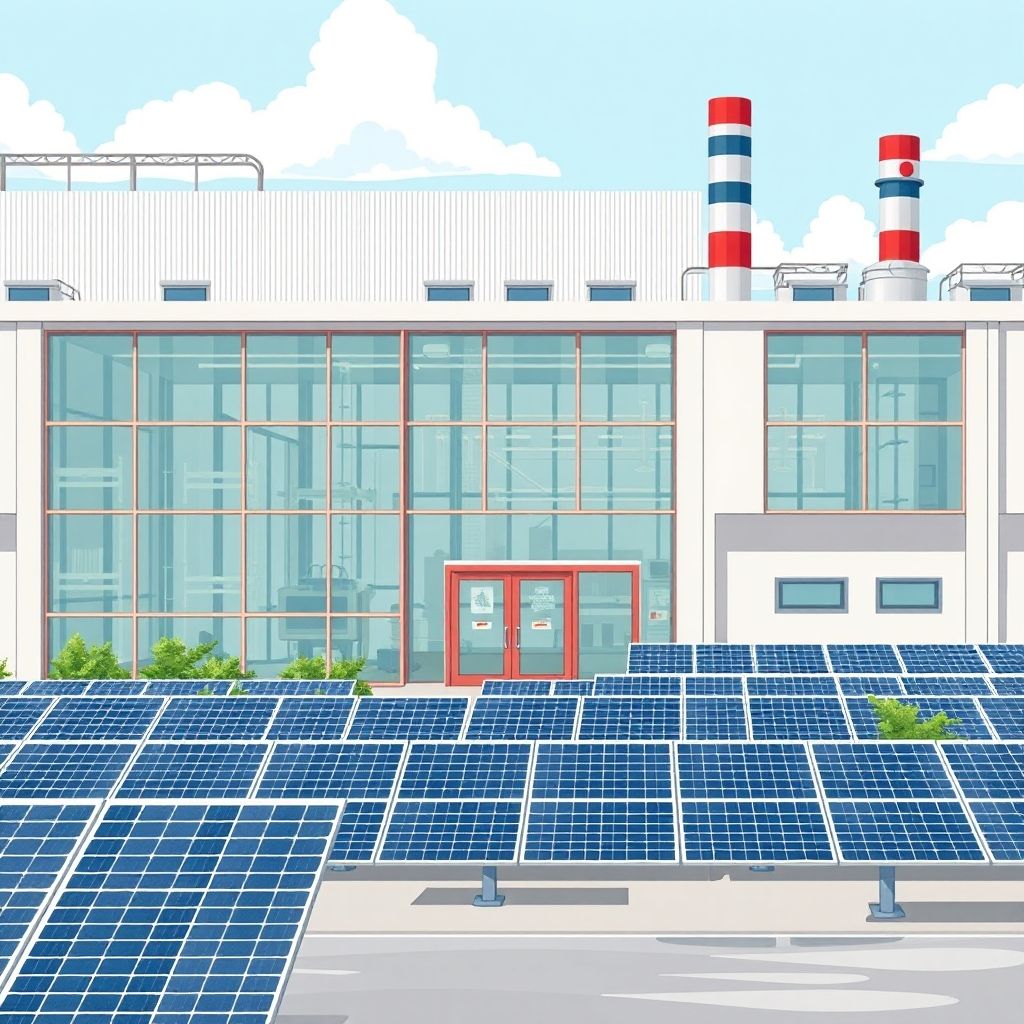
Premier Energies and RCT Group have formalized a joint venture for battery energy storage system (BESS) manufacturing, according to Saur Energy. The agreement was signed on October 15, 2026, establishing a new entity named Premier Energies Storage Solutions Pvt Ltd (PESSPL). This partnership combines the two companies’ resources to develop manufacturing capabilities in the sector.
The joint venture structure allows both entities to pool their operational strengths under a single corporate umbrella, PESSPL. By formalizing this arrangement, the partners aim to streamline production processes and market access for their storage solutions. Saur Energy reports that the deal marks a concrete step in their collaborative efforts, moving from preliminary discussions to a legally binding framework.
The new company will serve as the dedicated vehicle for their BESS manufacturing initiatives. Such joint ventures often aim to leverage complementary expertise, though the specific strategic motives remain internal to the partners. The launch of PESSPL signals a focused approach to scaling storage manufacturing capabilities.
Production Roadmap
The new joint venture has anchored its manufacturing operations in Seetharampur, Telangana, selecting a location that benefits from the state’s established industrial infrastructure and connectivity to major logistics hubs. This site serves as the physical foundation for the partnership’s industrial ambitions, moving the project from a corporate agreement to a tangible build-out. The choice of Telangana aligns with broader trends in Indian manufacturing, where states often offer specific policy incentives to attract heavy industry and reduce supply chain bottlenecks for domestic producers.
The total planned manufacturing capacity for the facility stands at 12 GWh, a scale that positions the plant as a significant contributor to the domestic supply of battery energy storage systems. Such large-scale capacity is designed to meet the growing demand from utility-scale projects and commercial installations, which increasingly rely on locally sourced equipment to manage grid variability and reduce import dependencies. For the broader market, this volume indicates a shift toward self-sufficiency in critical grid infrastructure components.
The rollout follows a phased approach, with the first phase of 6 GWh expected to become operational during the FY2027-28 fiscal year. This staggered deployment allows the partners to manage capital expenditure and operational risks while ensuring that initial output aligns with immediate market requirements. By splitting the total capacity into distinct phases, the project structure provides a clear milestone for investors and stakeholders to track progress, offering a defined timeline for when the first batch of storage units will enter the supply chain.
Market Scope and Ownership
- Products target residential, small-business, commercial, industrial, and utility-scale applications.
- RCT Nexor Energy can acquire 15% equity in four milestone-linked tranches.
- RCT Nexor Energy has an option for an additional 5% equity after Phase I.
The venture’s product portfolio spans the full spectrum of energy storage needs, from individual homes to large-scale grid infrastructure. By targeting residential, small-business, commercial, industrial, and utility-scale segments, the new entity addresses diverse market niches simultaneously. This breadth allows the company to serve customers with varying power requirements and integration complexities, rather than limiting focus to a single sector. Such multi-segment strategies help smooth revenue streams, as demand cycles often differ between residential upgrades and utility procurement schedules.
Ownership dynamics introduce a conditional equity structure for RCT Nexor Energy. The partner holds the right to acquire 15% equity through four milestone-linked tranches, tying capital investment to specific operational achievements. This arrangement aligns financial commitment with tangible progress, reducing upfront risk while ensuring partners remain engaged throughout the build-out. RCT Nexor Energy retains an option for an additional 5% equity stake after Phase I completion. This tiered approach provides flexibility for both sides, allowing the equity split to evolve as the facility scales and operational targets are met.
Governance Structure
Control over the new manufacturing entity rests with a compact board of directors, reflecting the distinct ownership positions of the partners. The governing body comprises two nominees from PBTPL and a single nominee from RCT Nexor. This 2:1 composition grants the Premier Energies side a decisive majority in board-level decision-making, a structural advantage that typically influences strategic direction, capital allocation, and operational oversight. PBTPL, which serves as the Premier Energies representative on the board, is a wholly owned subsidiary of the parent company. This corporate layering allows the parent to exercise direct control over the joint venture’s actions through its dedicated holding vehicle, ensuring that the subsidiary’s interests remain aligned with broader group objectives without diluting the parent’s direct equity stake.
The current governance framework was formalized through a binding term sheet signed on September 10, 2026. This document predates the subsequent incorporation of the operating entity, establishing the foundational rules for board representation and operational authority before the commercial launch. For investors and stakeholders, the clarity of this pre-existing agreement provides a stable baseline for how decisions will be made as the facility ramps up. While the board structure currently favors one partner, the earlier equity milestones may eventually shift the balance of power, though the immediate operational control remains firmly with the PBTPL-appointed directors. This setup ensures that the initial build-out phase proceeds with unified command, minimizing potential delays that can arise from split decision-making in early-stage industrial projects.
What to watch
The immediate focal point is the execution of the first production phase. As the facility approaches its operational target, attention will turn to whether the supply chain can sustain the required volume of raw materials and components. Consistent output during this initial ramp-up period serves as a critical stress test for the manufacturing process, validating the technical readiness of the line before scaling to full capacity.
Simultaneously, the milestone-linked equity tranches present a distinct area of interest. Each operational achievement unlocks a specific financial commitment from the partner, creating a direct link between physical progress and capital injection. Observers should monitor how these milestones are defined and verified, as they dictate the pace of the partnership’s deepening financial integration. The transition from a binding term sheet to active operations will also reveal how the board manages the transition from strategic planning to day-to-day industrial management.
Finally, the market response to the new product portfolio will be telling. Success in the utility segment often depends on long-term procurement contracts, while residential uptake hinges on cost competitiveness. Tracking early customer engagements and order books will provide concrete signals on whether the multi-segment strategy is gaining traction. Any delays in hitting production targets could ripple through the equity timeline, potentially altering the governance balance later in the project’s life.
Source: Saur Energy. This article is an original Luminity report based on the linked source.