Ember suggests subsidizing half of India's 10-million household solar target to add 15–25 GWh of distributed battery storage. The proposal aims to reduce daytime exports and improve payback periods for residential solar-plus-battery systems.
India is on track to meet its 2030 and 2035 climate goals, joining a small group of G20 nations likely to succeed. However, the UN warns that global warming could still reach 2.8°C this century under current policies, highlighting a significant leadership gap.
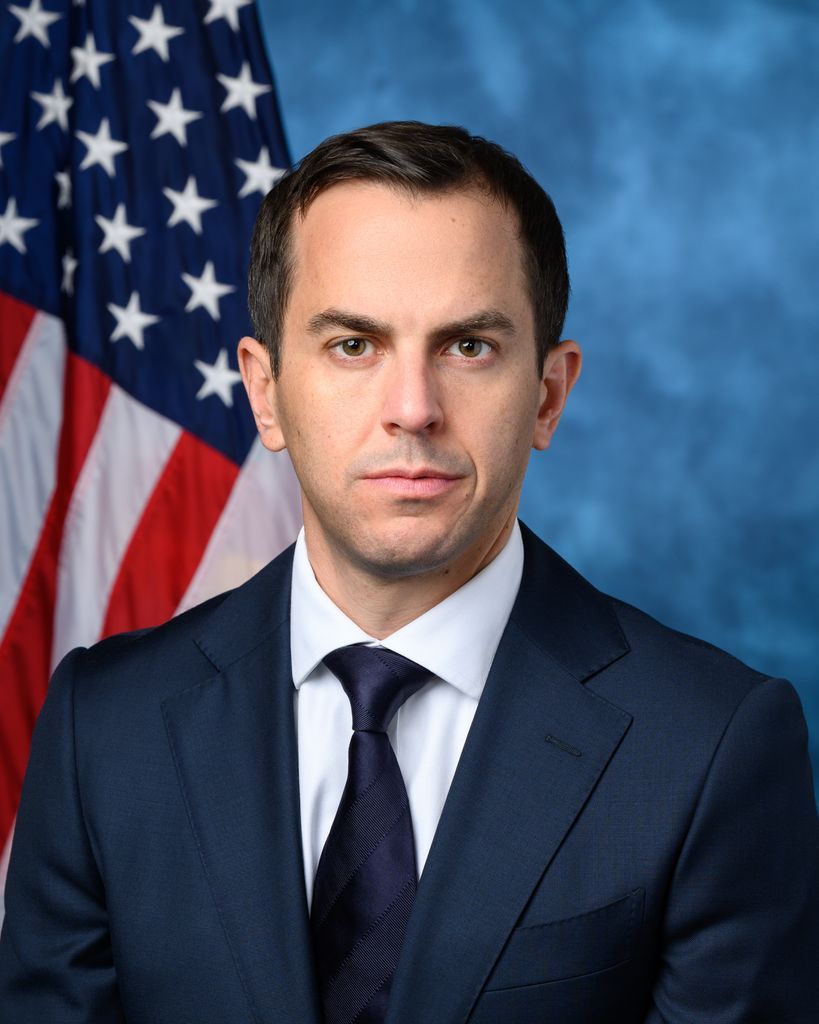
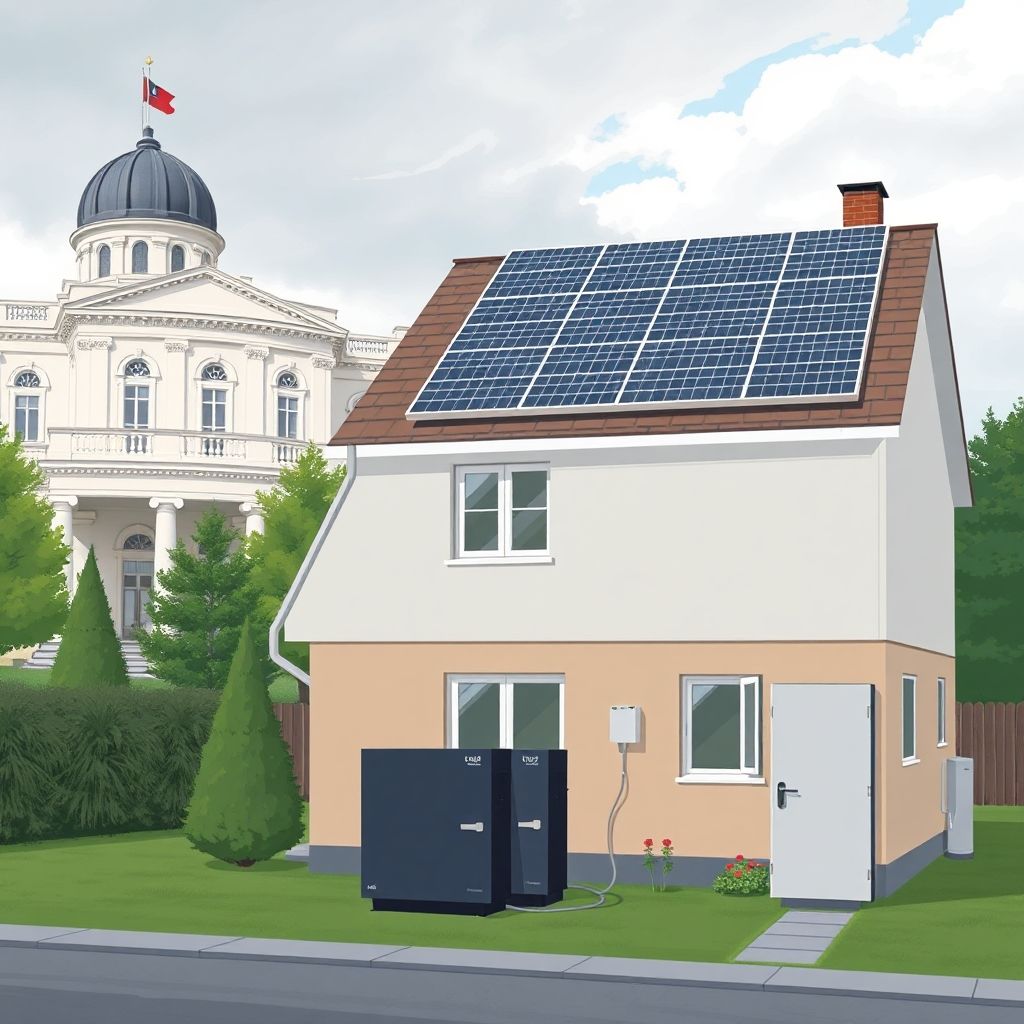
Rep. Rob Menendez introduced the Socket Full of Sunshine Act, mandating state utility commissions to evaluate plug-in solar rules. The bill pairs regulatory requirements with a $1,000 rebate for low-income households to boost affordable access.
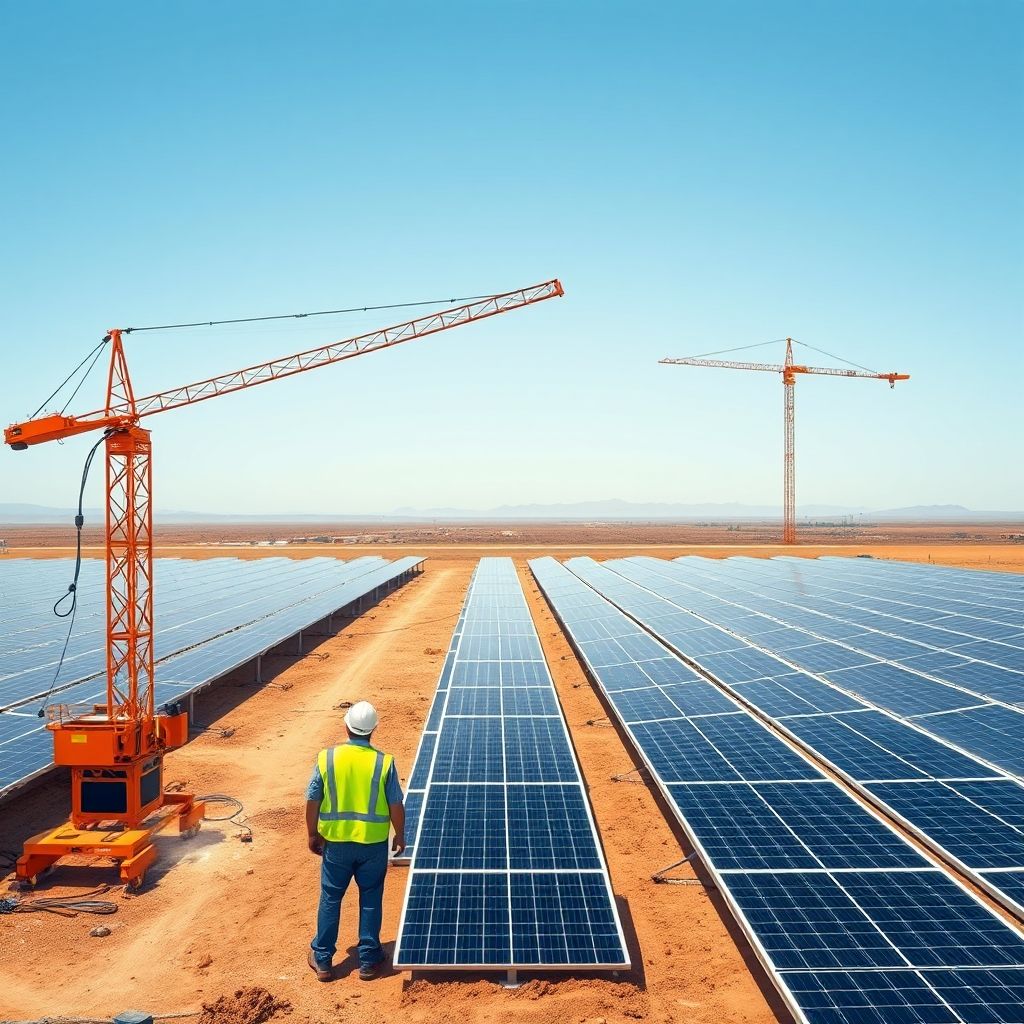
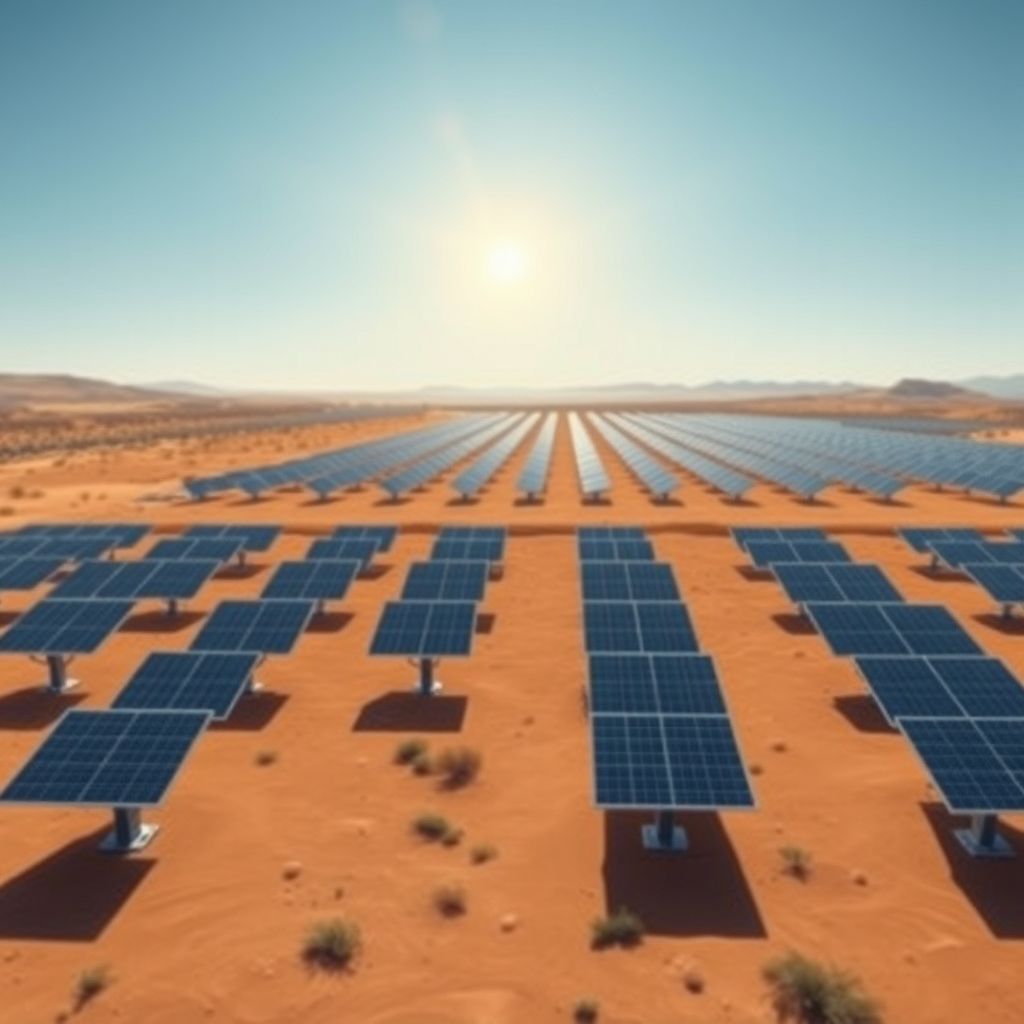
European Energy has secured 30-year agreements with four First Nations groups to advance major solar and battery projects in Queensland. The deals cover Australia’s first gigawatt-scale solar farm, which includes a power purchase agreement with Rio Tinto.
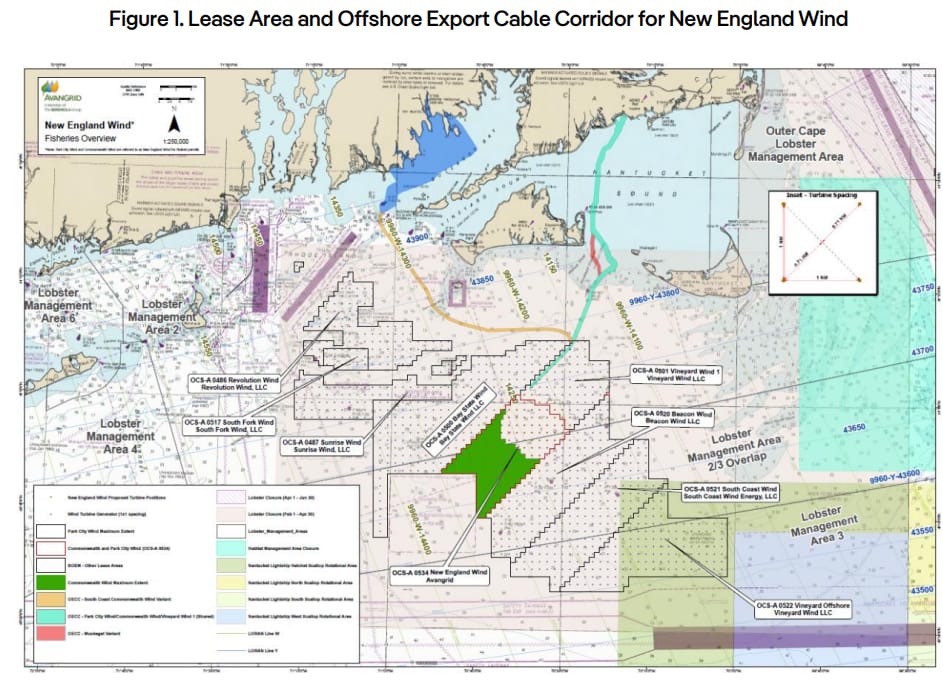
The Justice Department has asked a federal court to send back the construction permit for the New England Wind project, joining a broader effort to reconsider approvals for East Coast wind farms. Critics argue the moves create uncertainty for operational and proposed projects, while developers defend the validity of existing permits.
Following the largest lithium-ion battery cleanup in history, regulators issued thousands of citations for safety documentation failures. New California legislation aims to close compliance gaps in energy storage operations.
Sumitomo Electric Industries has launched the UK’s first high-voltage direct current subsea cable manufacturing facility at the Port of Nigg. The £350 million investment creates over 200 direct jobs and positions Scotland as a key hub for offshore wind infrastructure.
The New York Public Service Commission greenlit two district heating projects worth $111.5 million, marking the state's first utility-scale thermal networks. While advocates praised the move as a blueprint for decarbonization, others criticized the rejection of nine additional proposals.
New Mexico achieved its 2030 renewable energy milestone in 2024, driven by utility-scale expansion and federal incentives. The state’s primary utility, PNM, is now moving to replace coal assets with wind, solar, and battery storage to meet rising demand.
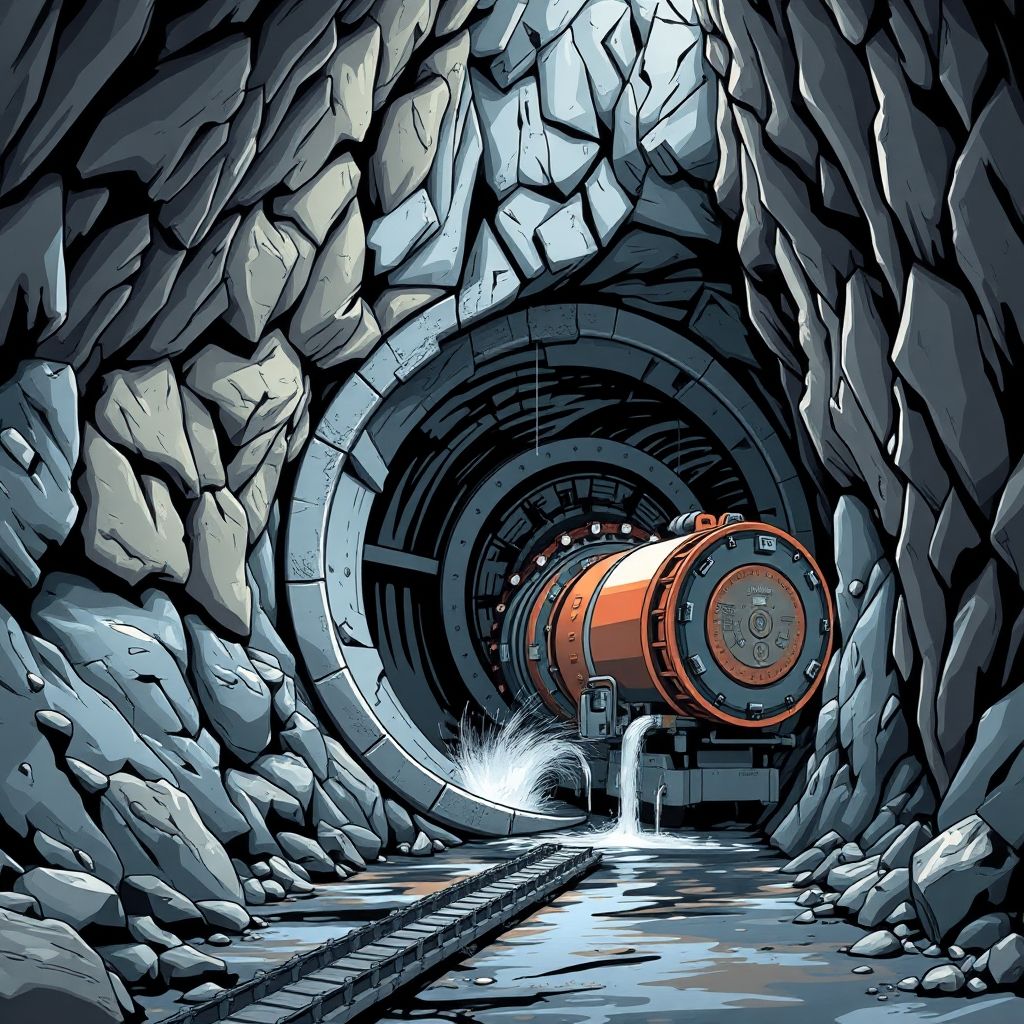
The Snowy 2.0 hydroelectric project has seen its cost reset to $12 billion, with contractors citing adverse geological conditions that slowed tunnel boring. Critics argue the initial investigation relied on widely spaced boreholes, leaving engineers to navigate the unknown in rock conditions far more complex than standard urban tunnelling.
Stanwell has asked CEO Michael O’Rourke, a 28-year veteran who led the company since 2021, to step down, citing a need for a “fresh approach”. COO James Oliver is acting CEO. The move follows new CEOs at CS Energy, Powerlink and Energy Queensland under the LNP government.
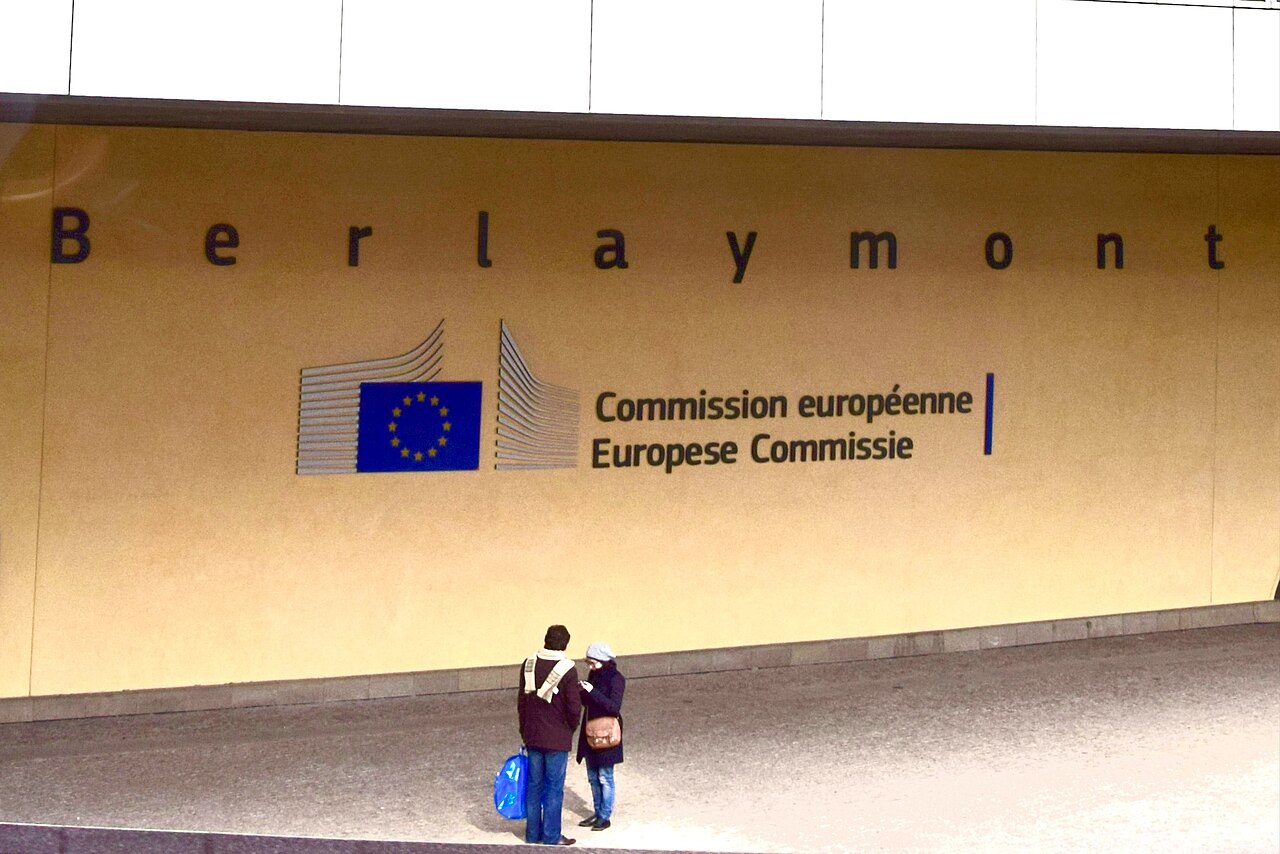
The European Commission has allocated EUR 3.4 billion from ETS revenues to 77 selected net-zero projects, announced on 19 October. Among the recipients are initiatives focused on offshore charging, rare earth magnet production, HVDC manufacturing, and floating wind pilots.
Poland has amended its energy laws to exclude battery storage from micro-installation limits, allowing systems up to 2.2 times the power of the connected PV array. The changes, effective December 1, aim to boost domestic storage adoption without increasing grid feed-in beyond the solar system's rated capacity.
A research team from the University of Science and Technology of China and the University of Trieste developed a new assessment framework for building-integrated photovoltaic (BIPV) façades. The study, published in Applied Thermal Engineering, identifies 16 fire risk indicators and prioritizes rapid shutdown as the most critical safety measure.
Netze BW has automated the approval process for small-scale solar systems, reducing the average wait time from 12 days to five minutes. The system, which handles requests for installations up to 15 kW, has already processed thousands of applications since its launch in late July 2026.
UTE has launched a tender for three 33 MW solar projects in Uruguay, requiring 20-year power purchase agreements. The bid documents are scheduled for publication in late 2026, with a focus on local workforce integration and specific grid connection constraints.
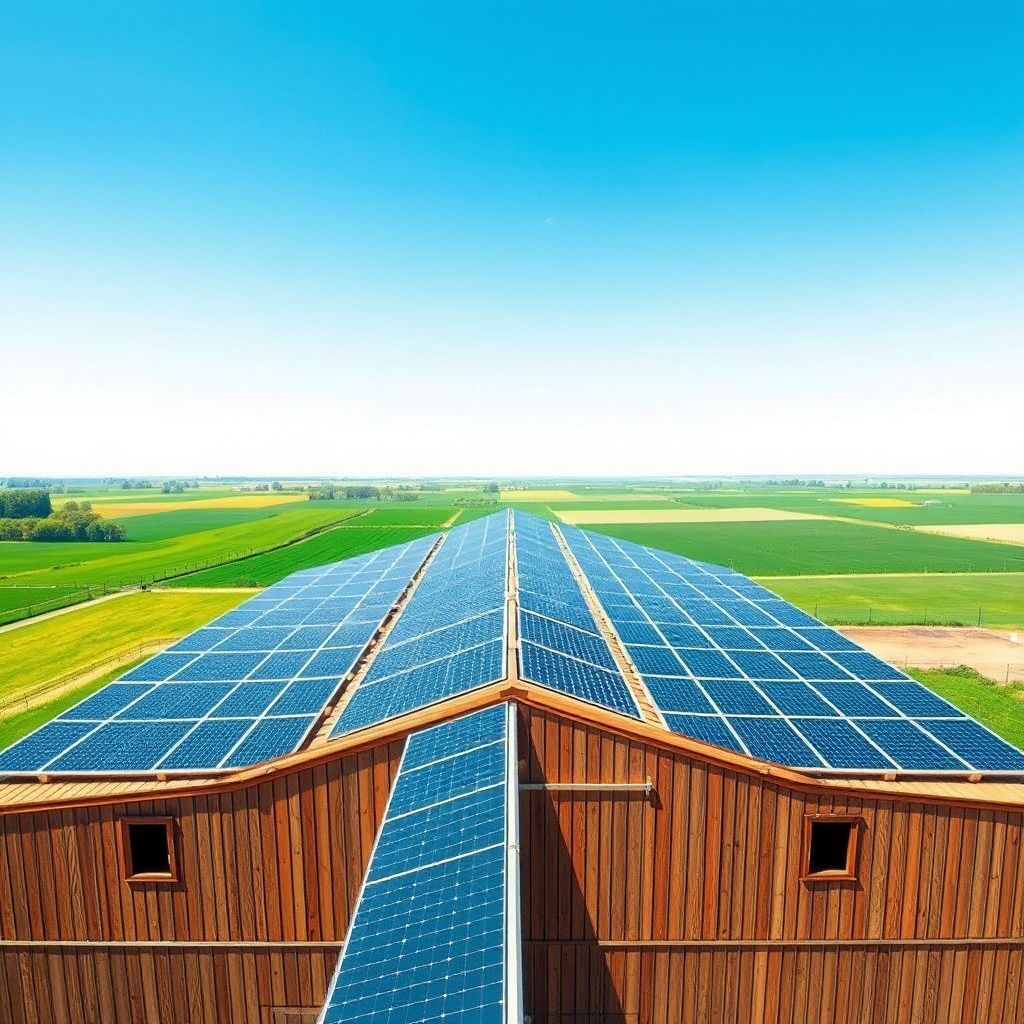
Italy’s energy regulator has allocated €770.4 million to fund 505 MW of solar installations on agricultural and agro-industrial sites. The initiative, part of the National Recovery and Resilience Plan, rejected nearly half of all applications due to budget constraints.
American Clean Power projects that transmission reforms in the Bipartisan American Affordability and Jobs Act of 2026 could enable 200 GW of new clean energy. However, the Energy and Policy Institute warns that utilities may lobby privately to weaken provisions that could reduce their revenues.
Six politicians from the Green Party have submitted a proposal to the Storting to legalize plug-in solar and battery systems, which are currently banned. The plan includes technical standards, a registration scheme, and a deadline of end-2027 for implementation.
The Gujarat Electricity Regulatory Commission has notified a new grid code replacing the 2013 framework, introducing 15-minute scheduling blocks for the state’s intra-state power system. The rules mandate specific harmonic limits and reactive power support for renewable and storage facilities connected at 33 kV and above.
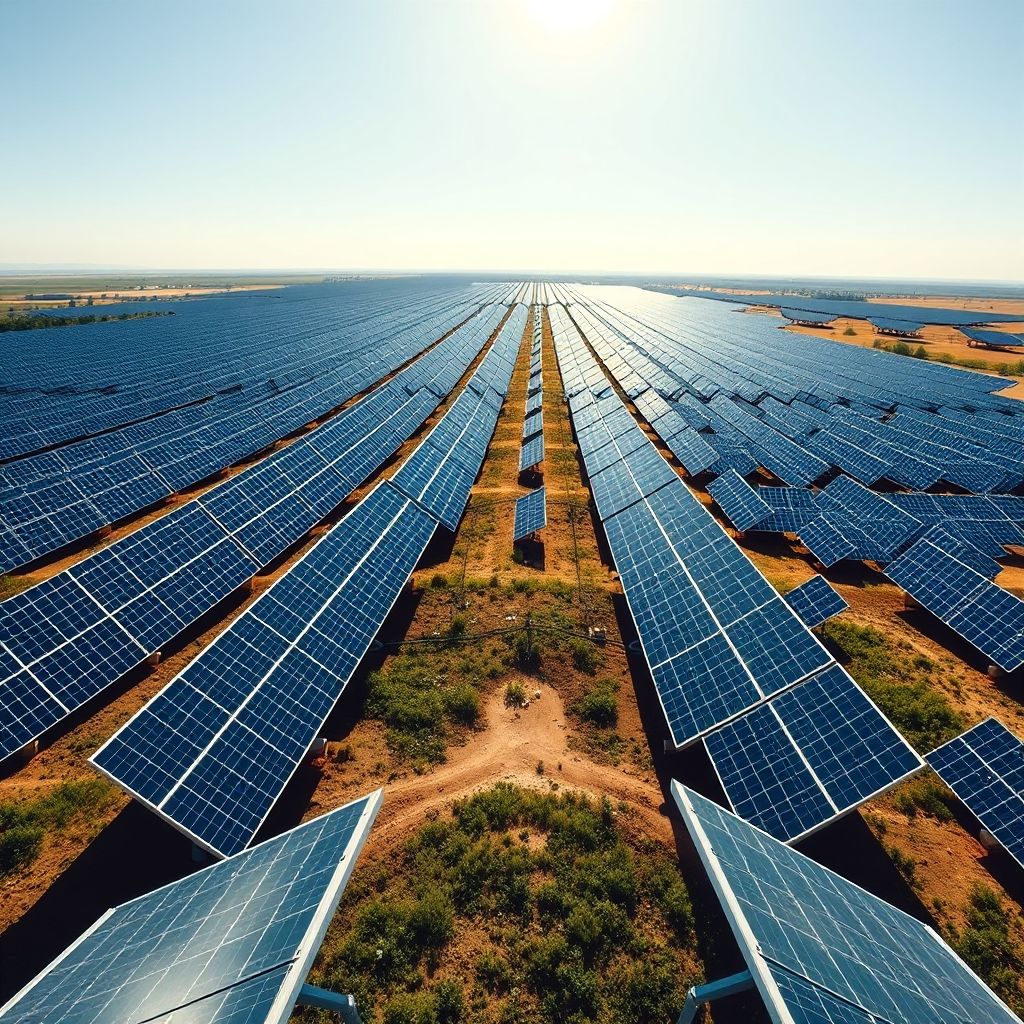
Industry leaders argue the primary hurdle for Indian solar is no longer installation volume but managing daylight-concentrated generation against evening peaks. This structural mismatch necessitates urgent investment in grid modernization, domestic manufacturing security, and storage integration.
President Prabowo Subianto has mandated a structural transformation of state utility PT PLN to boost efficiency and install 100 GW of solar capacity within three years. The directive aims to cut government subsidies while addressing ongoing supply disruptions through grid modernization and storage investment.
Researchers at LUT University argue that oil-exporting nations can successfully integrate large-scale renewable energy without sacrificing fossil fuel revenues. Using Norway as a case study, the team suggests that domestic renewable adoption actually enables greater export capacity.
Linton Crystal Technologies has sued a Chinese machinery maker in East Texas, alleging infringement of crystal puller patents for equipment destined for Tesla's new solar facility. The dispute concerns industrial furnaces scheduled for delivery in 2026 to support a 10 GW production line.
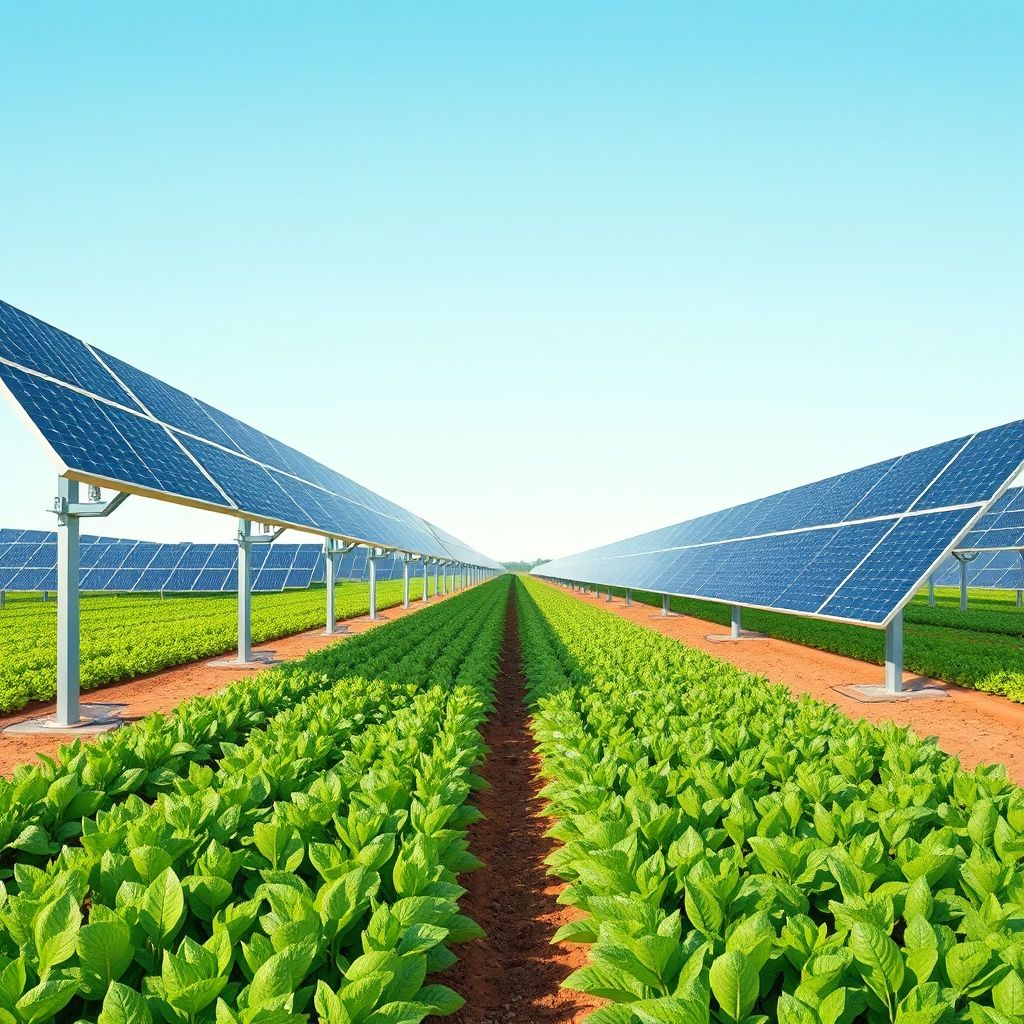
The Department of Renewable Energy is drafting PM-KUSUM 2.0 to align solar power initiatives with existing agricultural programs. The proposal includes a new agrivoltaics component targeting small farmers and cooperatives while retaining core solar plant and pump components.
South Korea’s K-GX plan, worth about US$747 billion (A$1.1 trillion) to 2035, targets 100 GW of renewables by 2030 and the world’s first mass-produced green steel. New Agora Industry modelling says exporting green iron could add up to $22.3 billion to Australia’s GDP and 112,000 jobs by 2050.
Brazil’s 2026 solar sector saw 40.6 GW of capacity lost as 923 projects surrendered, erasing BRL 134 billion in planned investment. New compensation rules and curtailment allocation measures are unlikely to trigger significant greenfield development, according to industry analysis.
The Dutch digital infrastructure inspectorate has warned that cyberattacks on cloud-controlled home energy devices could cause significant grid imbalances. This risk is heightened by the rapid growth of heat pumps and EV chargers, prompting calls for stricter EU cybersecurity regulations.
The USITC has issued a final affirmative injury determination in the Solar IV investigation, finding that dumped and subsidized solar cells from India, Indonesia, and Laos harm domestic manufacturers. The Department of Commerce is expected to issue official duty orders in early November 2026, with combined tariff rates potentially exceeding 200%.
China’s commerce and industry ministries have proposed restricting the export of advanced solar manufacturing technologies, including perovskite-silicon tandem cells and specific coating processes. The measures, currently under public consultation, target production know-how rather than finished modules, citing national security concerns.
Sumant Sinha, CEO of ReNew Energy, stated that extreme reliance on Chinese manufacturing for solar and battery components threatens the global shift away from fossil fuels. He noted that building alternative supply chains, such as India's, requires significant time and investment.
At RE: DIALOGUES 2026, industry leaders highlighted that 18.1 GW of renewable capacity relied on temporary grid access in May 2026. The event emphasized that right-of-way constraints and transformer shortages are hindering the integration of recently commissioned power plants.
Researchers at the French energy agency CEA have demonstrated a laboratory-scale method that recovers over 98% of silver from photovoltaic waste without using nitric acid. The process, validated in a pilot reactor, produces a high-purity silver composite and is funded by the EU’s Horizon Europe program.
The German Federal Office for Information Security has recommended that operators of small renewable energy facilities eliminate direct internet connections to their control systems. The guidance aims to mitigate cybersecurity risks by enforcing stricter network segregation and authentication protocols.
TGREDCO has launched a competitive tender for 800 MW of wind capacity to be developed on a build-own-operate basis. Bids must meet strict financial eligibility criteria and submit by October 2026.
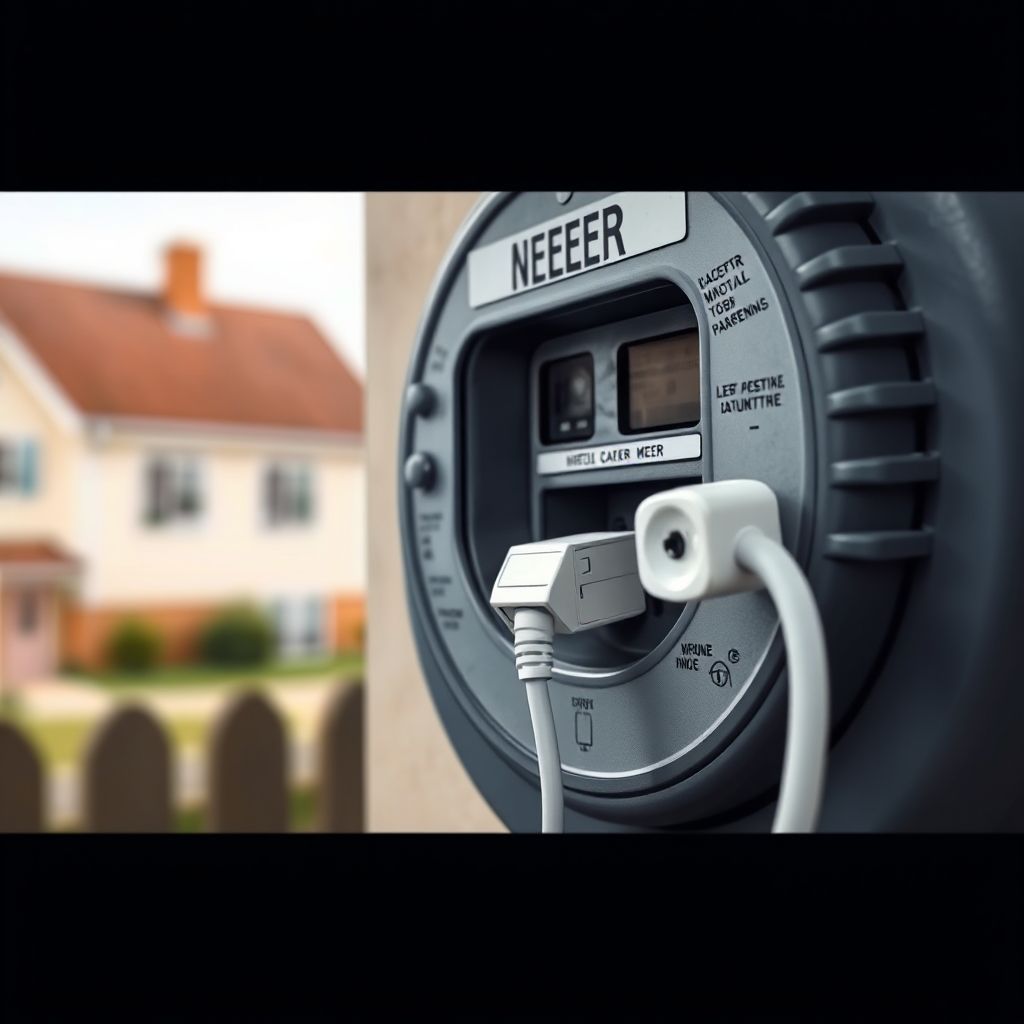
A joint filing urges Maine regulators to require utilities to permit meter socket adapters, citing cost savings and UL 414 certification. This move counters CMP’s claims of safety hazards while highlighting potential homeowner savings on battery installations.
Vingroup has suggested substituting a planned 4.8 GW LNG facility with renewable energy and storage to address rising import costs. IEEFA estimates Vietnam's LNG bills could reach $23.6 billion annually, making renewables a cost-competitive alternative.
The Haryana Electricity Regulatory Commission has reserved its decision on a bid by Eleven Power to distribute electricity in Gurugram and Nuh. The move follows a recommendation from an expert committee to consider the application with specific conditions.
Construction has begun on the Marinus Link converter station in the Latrobe Valley, marking a major step for the undersea interconnector to Tasmania. Meanwhile, new Energy Minister Jaclyn Symes has dismissed Opposition proposals for gas and nuclear power as a fantasy.
India’s new ALMM-II policy mandates domestic cells for government projects, creating a supply gap despite massive module capacity approvals. While module production is set to exceed demand, cell capacity remains constrained through 2027, triggering an industry shakeout.
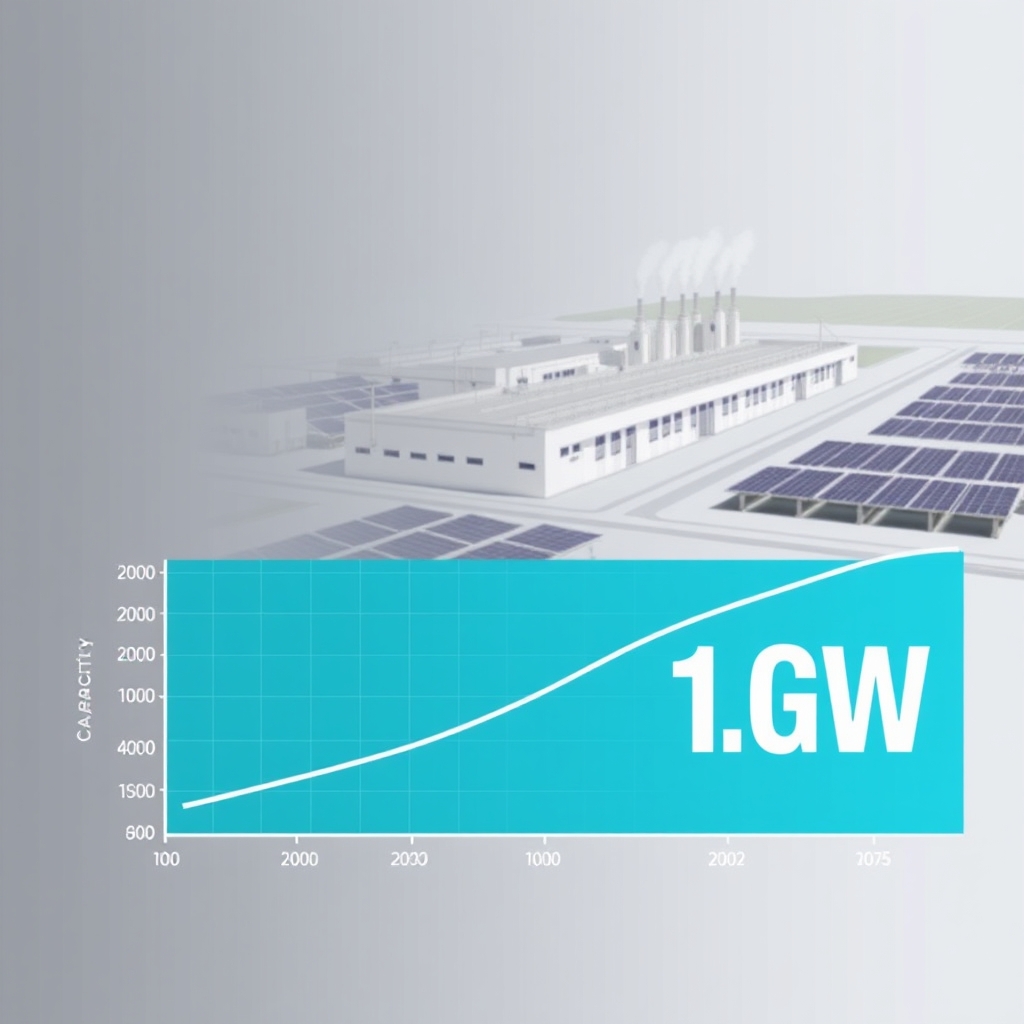
The Australian Renewable Energy Agency says Australia can still reach an aspirational 1 GW a year of local solar module manufacturing, as it opens a $250 million third Sunshot round. Arena says one more, as yet unannounced, manufacturing project is in its pipeline alongside Tindo Solar and the Hunter Valley Solar Foundry.
Spanish infrastructure firm Acciona has been awarded two major transmission projects in Australia to facilitate renewable energy integration. The contracts cover the Gippsland offshore wind connection in Victoria and the Clean Energy Link – East in Western Australia.
The New South Wales government has allocated $9 million to help small businesses transition to electric fleets through the Kick Start program. Early adopters like AAT and TAFE NSW are already expanding their EV holdings to meet sustainability targets.
Tata Power has urged West Bengal to add a state rooftop solar subsidy of ₹15,000-25,000 on top of central PM Surya Ghar support. Separately, it is exploring about 500 MW of solar projects in the state, an investment of around ₹2,500 crore, but says land availability is a challenge.
The National Conference of State Energy Program Directors reported 221 distributed solar policy actions across 42 states and Puerto Rico in the third quarter of 2026. Key legislative and regulatory moves focused on net metering, interconnection rules, and emerging compensation models.
A Mercom India survey of over 100 industry members reveals a significant workforce readiness gap across solar segments. Most respondents report that new hires require substantial retraining or months of onboarding to reach productivity levels.
India needs vast land areas for renewable energy, but fragmented ownership and legal disputes delay projects. State-specific compensation rules create inconsistency, prompting calls for a national standard.
Fingrid has introduced new technical requirements in the VJV2024 grid code, mandating grid-forming control for new large-scale wind and solar plants connected to weak grids. Developers must deploy specific equipment, such as batteries or synchronous machines, sized relative to plant capacity to ensure stability.
Cubico Sustainable Investments has finalized community benefit agreements for two major Queensland wind projects, ending a dispute that saw the state call in the developments last year. The deals, worth up to $160 million over 30 years, direct funds to local infrastructure and services in the Western Downs region.
Large-scale renewable projects reached 2.1 GW of capacity in the September quarter, a volume sufficient to power 1.2 million homes. Energy Minister Chris Bowen described the milestone as evidence of tangible progress toward national climate targets.
The U.S. International Trade Commission determined that unfairly priced solar imports from India, Indonesia, and Laos have harmed the domestic industry. Commerce will issue anti-dumping and countervailing duty orders on November 2, with cash deposits collected immediately.
The Australian government has released $250 million in the third round of the Solar Sunshot program to drive down construction costs. Funding targets include prefabricated units, advanced robotics, and module manufacturing to meet ambitious efficiency and cost goals.
The NSW government has announced a firming tender seeking 1.5GW of new gas capacity to address projected reliability shortfalls in 2033/34. The process explicitly excludes standalone batteries and pumped hydro, requiring generators to sustain energy supply for at least eight hours.
Akaysha Energy’s Nick Carter stated that cancelling planned transmission links in Victoria is as damaging to clean energy investment as delaying coal plant closures. He warned that political uncertainty over these projects could halt wind and solar development in the region.
Major supplier ABB states that synchronous condenser and gas turbine lead times of five to eight years are forcing utilities to modernize existing assets. This delay complicates the energy market transition as Australia prepares for the closure of major coal stations.
Snowy Hydro’s chief operating officer states that a long-awaited cost review for the Snowy 2.0 project is imminent, with the current listed cost at $12 billion. Meanwhile, the company faces gas supply challenges at its new Kurri Kurri plant, which may rely on diesel during interruptions.
The joint venture has received Consent to Establish for a battery recycling facility in Naidupeta, Andhra Pradesh. The project aims to process 40,000 tonnes of batteries annually to curb reliance on imported cathode materials.
Italian researchers demonstrated that selectively removing module backsheets before thermal recycling reduces airborne particulates by 36%. The process, tested on Trina Solar panels, maintains material recovery rates while limiting titanium dioxide contamination in recovered fractions.
A new study finds that commercial gas kitchens produce air pollution levels up to ten times higher than safety guidelines. Researchers also documented extreme heat exposure in many gas-fueled workspaces compared to electric counterparts.
The Australian Gas Infrastructure Group has lobbied the Victorian government to postpone mandatory electrification policies scheduled for 2027, arguing it will drive up consumer costs. The state energy minister has rejected the request, reaffirming the government’s commitment to its existing net-zero pathway.

 Policy