
HERC Reserves Order on Eleven Power’s Haryana Distribution Licence Bid
The Haryana Electricity Regulatory Commission has reserved its decision on a bid by Eleven Power to distribute electricity in Gurugram and Nuh. The move follows a recommendation from an expert committee to consider the application with specific conditions.
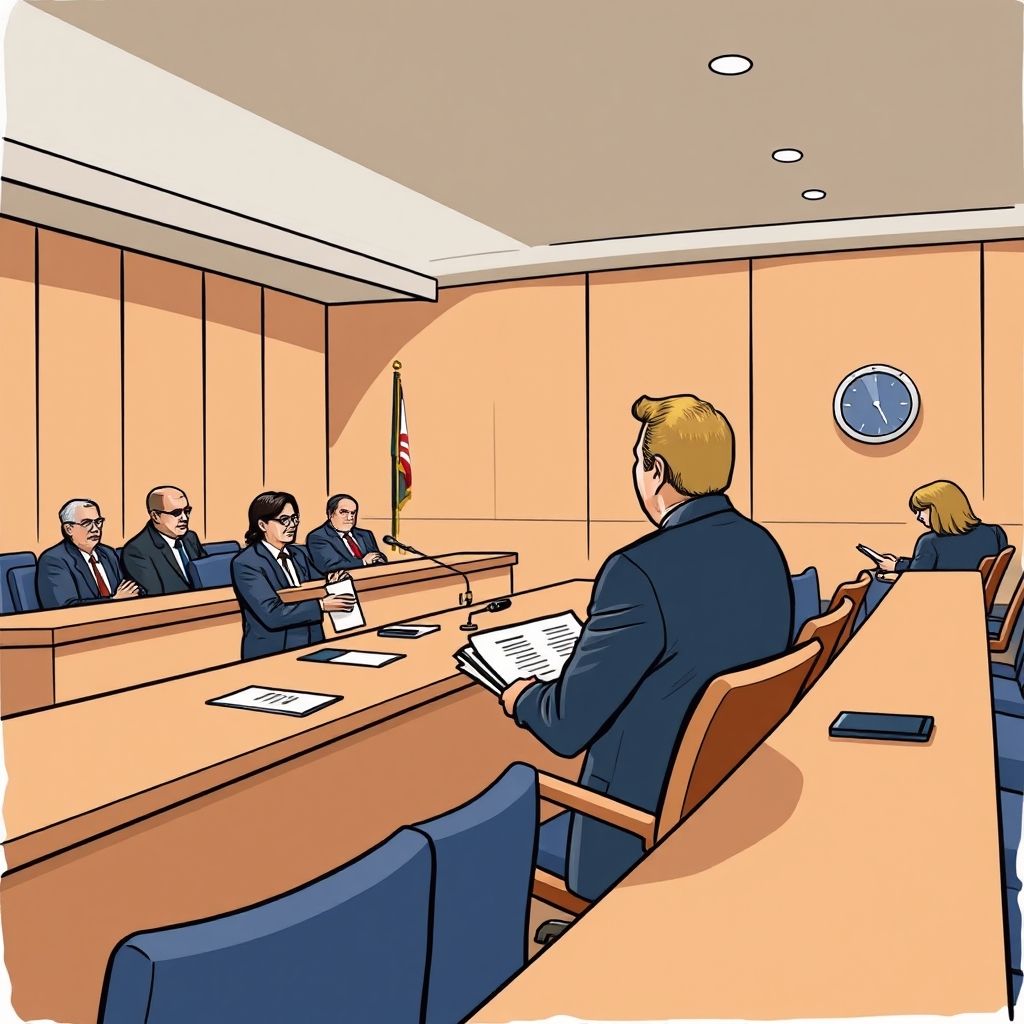
Eleven Power Private Limited has applied for a distribution licence to serve the Gurugram and Nuh districts in Haryana. Currently, Dakshin Haryana Bijli Vitran Nigam provides electricity services to these specific areas. The application introduces a potential shift in the regional power distribution landscape.
According to Saur Energy, this bid challenges the existing monopoly held by the state utility. The regulatory process is now central to the debate over market entry in the sector. The commission is evaluating the technical and financial viability of the new entrant.
The outcome will determine whether private competition enters these high-demand districts. Stakeholders are closely monitoring the proceedings for any changes in service models. The regulatory commission’s upcoming decision will set a precedent for future distribution licences in the state.
Regulatory Process
The Haryana Electricity Regulatory Commission (HERC) concluded its evidentiary hearings on September 29. Following these sessions, the regulator reserved its order on September 30, leaving the final decision pending. This procedural step indicates that the commission requires additional time to deliberate on the complex implications of the bid. Such reservations are common when regulatory bodies weigh significant market entry proposals that could alter established service structures. The pause allows for a thorough review of the technical and financial evidence presented during the proceedings.
Prior to reserving the order, a HERC expert committee recommended considering the licence application with specific conditions. This advisory role is standard in regulatory frameworks, where specialized panels provide detailed technical assessments to inform the final administrative ruling. The committee’s recommendation to proceed conditionally suggests that while the application meets certain baseline criteria, specific safeguards or modifications are necessary to ensure grid stability and consumer protection. For new entrants, conditional approvals often involve rigorous performance benchmarks or capital investment commitments that must be met before full operational status is granted. The distinction between a committee’s recommendation and the commission’s final order is critical, as the latter holds legal force. The upcoming order will clarify which conditions, if any, HERC deems essential for integrating a new distributor into the existing Haryana grid infrastructure.
Financial Dispute
The core of the regulatory deliberation hinges on a stark divergence in projected capital requirements. The following table compares the financial commitments submitted by the prospective licensee against the estimates provided by the incumbent utility.
| Entity | Estimated Capital Expenditure | Period/Scope |
|---|---|---|
| Eleven Power | ₹4,716 crore | FY27 to FY31 |
| DHBVN | ₹11,397 crore | Universal Service Obligation |
This gap raises immediate questions about the sufficiency of the proposed investment relative to the infrastructure needs of the target districts. In distribution licensing, capital expenditure plans must cover not only new assets but also the maintenance and expansion of existing networks to meet universal service obligations. A significant disparity between a bidder’s plan and the incumbent’s estimate often signals differing assumptions regarding network density, load growth, or the scope of necessary upgrades. Regulators typically scrutinize such proposals to ensure that a new entrant possesses the financial capacity to deliver reliable service without relying on excessive cross-subsidies or tariff hikes. If the proposed spending is deemed inadequate, it could lead to service quality issues or grid instability, particularly in high-demand areas like Gurugram. Conversely, if the incumbent’s estimate is viewed as inflated, it may reflect inefficiencies in the current system rather than a true necessity for higher capital outlay. The commission’s order will likely address whether Eleven Power’s plan is realistic and sufficient to sustain operations over the initial licensing period.
Stakeholder Reactions
- Power engineers and employees expressed objection to the potential loss of high-paying consumers.
- The Haryana government requested increased transparency in the regulatory proceedings.
The workforce and technical community surrounding the incumbent utility view the bid as a direct threat to their economic base. Power engineers and employees specifically object to the prospect of losing high-paying consumers, which represents a significant revenue stream for the current operator. In distribution networks, high-value customers often anchor the financial health of a utility, and their potential migration to a new licensee creates immediate concerns about job security and operational stability for the existing team. This reaction highlights the human capital dimension of market liberalization, where internal stakeholders often resist structural changes that may dilute the incumbent’s customer portfolio.
Simultaneously, the state government has intervened by requesting increased transparency in the proceedings. This demand suggests that the administration is closely monitoring how the regulatory process unfolds, likely to ensure that public interest and policy objectives are not compromised by opaque deliberations. For state authorities, maintaining clear visibility into the evaluation of distribution licenses is essential for coordinating broader energy policies. The call for transparency underscores the political sensitivity of shifting electricity services in major districts, where any procedural ambiguity could fuel public scrutiny or legal challenges. The government’s stance positions it as a watchdog over the regulatory commission’s upcoming decision.
What to watch
The immediate next step is the issuance of HERC’s final order, which will determine whether the bid proceeds under the expert committee’s suggested conditions or faces outright rejection. Readers should closely examine the specific performance benchmarks and capital commitments mandated in that ruling, as these terms define the operational reality for the new licensee. Unlike standard approvals, conditional licences often impose strict timelines for asset upgrades and financial health metrics, turning regulatory compliance into a continuous operational challenge rather than a one-time hurdle.
Beyond the legal text, the market will watch for any subsequent appeals from the incumbent utility or the state government, both of which have expressed strong reservations about the process. The request for greater transparency from state authorities suggests that procedural challenges could emerge if the final order lacks clear justification for its financial assessments. The reaction of high-value customers in the affected districts will serve as an early indicator of service continuity. If the transition plan fails to address their concerns about reliability or tariff changes, it could trigger a wave of grievances that complicates the new operator’s launch. Ultimately, the order’s clarity on cross-subsidy obligations and grid integration protocols will dictate whether this bid reshapes Haryana’s distribution sector or stalls in legal limbo.
Source: Saur Energy. This article is an original Luminity report based on the linked source.