
PM-KUSUM 2.0 Draft Seeks Alignment with Farm Schemes, Adds Agrivoltaics
The Department of Renewable Energy is drafting PM-KUSUM 2.0 to align solar power initiatives with existing agricultural programs. The proposal includes a new agrivoltaics component targeting small farmers and cooperatives while retaining core solar plant and pump components.
New Delhi, India — The Ministry of New and Renewable Energy is drafting PM-KUSUM 2.0, a proposed upgrade to the existing solar scheme. The initiative aims to better align the program with established agricultural initiatives. Santosh Kumar Sarangi, the Secretary for Renewable Energy, confirmed the development. The draft seeks to integrate solar adoption more closely with current farming support structures. This adjustment is intended to streamline implementation and enhance farmer participation. By coordinating with existing agricultural programs, the government hopes to reduce administrative overlaps. The move reflects a broader effort to make rural solar adoption more coherent with other rural development efforts. Details of the specific alignment mechanisms remain under review. The final policy framework will depend on inter-ministerial consultations. Stakeholders are expected to provide feedback on the draft in the coming weeks.
Core Solar Components
The draft scheme retains the three distinct technical pillars of the original program, defining the scale and type of infrastructure eligible for support.
- Component A covers solar plants with a capacity ranging from 500 kW to 2 MW.
- Component B includes standalone solar pumps with a maximum rating of 7.5 HP.
- Component C addresses the solarisation of grid-connected pumps.
These categories serve different operational needs within the agricultural sector. Component A facilities generally function as small-scale power generation assets, often serving clusters of farms or local distribution needs. In contrast, Components B and C focus directly on irrigation. Standalone pumps, as listed under Component B, operate independently of the main electricity grid, which can reduce transmission losses and expose users to fewer tariff fluctuations. Grid-connected pumps, referenced in Component C, remain tied to the utility network but substitute conventional diesel or grid electricity for solar power during operation. This structural distinction allows the policy to target both off-grid autonomy and grid-integrated efficiency, addressing varying levels of infrastructure availability across different rural areas.
Agrivoltaics Expansion
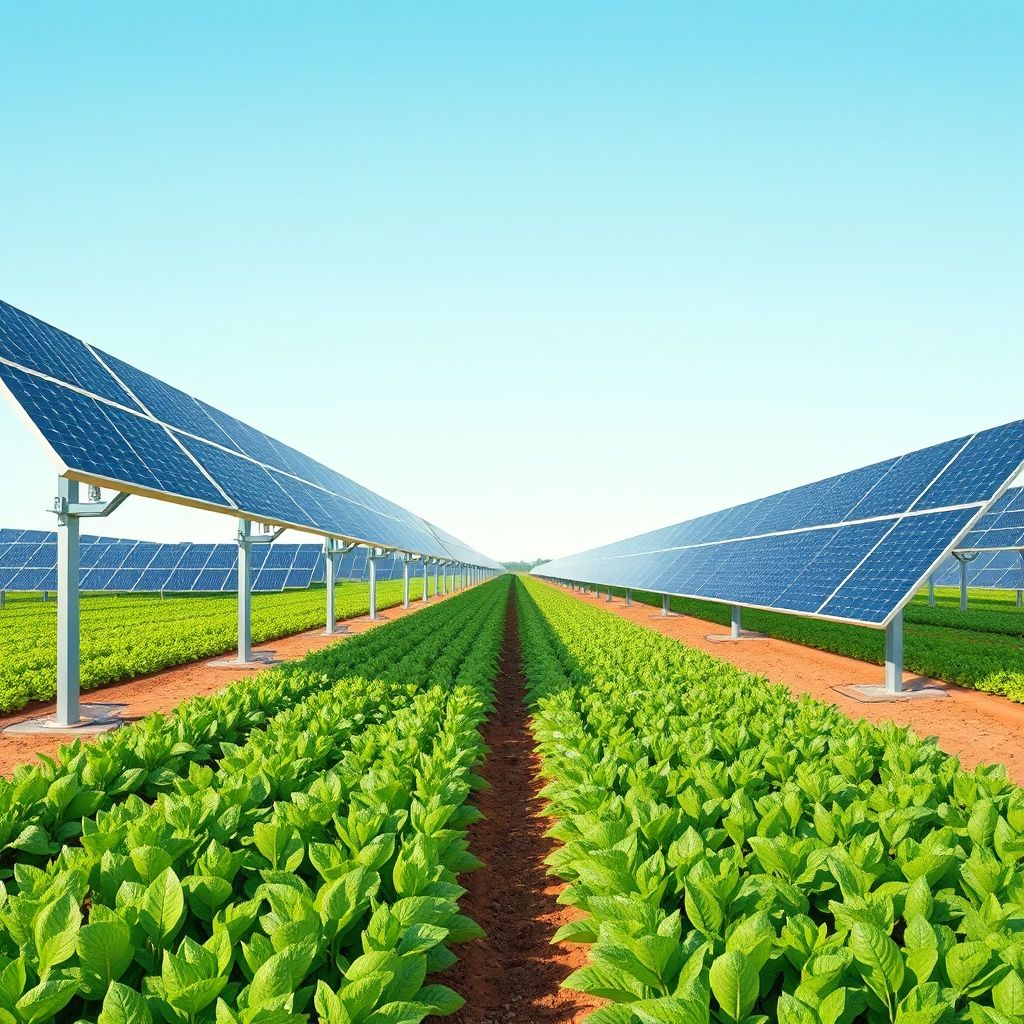
The draft introduces a dedicated agrivoltaics component, a structural addition to the existing technical pillars. This new category targets small farmers, cooperatives, and panchayats as the primary beneficiaries. The inclusion signals a shift toward integrated land-use models where solar infrastructure coexists with agricultural activity. Such systems usually involve elevated panel arrays that allow crops to grow beneath them, optimizing land productivity in regions where arable space is limited. For rural entities like panchayats, this approach can diversify local revenue streams without displacing traditional farming operations. Cooperatives may benefit from shared maintenance costs and collective bargaining power when procuring equipment for these dual-purpose installations. The specific design parameters for these arrays remain part of the evolving framework. By formally recognizing agrivoltaics, the policy acknowledges the growing relevance of dual-land-use strategies in sustainable agriculture. This component sits alongside the earlier plant and pump categories, expanding the scope of eligible infrastructure. The focus on smaller entities suggests an intent to decentralize solar adoption beyond large-scale commercial projects. Implementation details for this new track are still being refined. The draft is currently under development for Cabinet approval, indicating that final specifications may shift during the review process. Stakeholders in the agricultural sector will need to monitor how these technical guidelines translate into practical on-ground requirements. The integration of agrivoltaics represents a notable departure from the purely energy-centric focus of the original scheme. It ties renewable energy generation directly to agricultural land management. This alignment could influence how rural communities plan their long-term land use and energy independence. The pending Cabinet approval means the component is not yet active. Until the final policy framework is cleared, the operational scope for these projects remains provisional. The emphasis on cooperatives and panchayats highlights a community-driven approach to solar deployment. This structure may facilitate better local ownership and maintenance of the infrastructure. The draft’s evolution reflects broader trends in combining climate action with food security goals.
Strategic Objectives
The draft scheme articulates a broader goal beyond simple energy substitution, focusing explicitly on incentivizing modern irrigation practices and the cultivation of remunerative crops. This shift moves the policy framework away from viewing solar power solely as a fuel replacement for diesel pumps and toward treating it as an enabler for higher-value agricultural production. By linking solar adoption to crop quality and variety, the initiative attempts to address the economic viability of farming in regions where water access is a limiting factor for profitable yields.
Santosh Kumar Sarangi, the Secretary for Renewable Energy, framed this approach as central to the program’s evolution. "PM KUSUM 2.0 is working on a larger objective of maximising farmers' benefits," he stated. This perspective suggests that the financial and operational advantages of solar energy must translate directly into improved livelihoods for the agricultural community. For rural stakeholders, this means the scheme’s success will likely be measured not just by the number of pumps installed, but by the tangible increase in farm income and the adoption of farming techniques that require consistent, reliable water supply.
Aligning renewable energy incentives with agricultural output creates a dual-return model. Farmers gain from reduced input costs through solar power while simultaneously accessing markets for crops that command higher prices due to better irrigation management. This integration helps bridge the gap between energy policy and rural economic development, ensuring that the infrastructure deployed supports the entire value chain of farming rather than just the mechanical aspect of water pumping. The emphasis on remunerative crops indicates a strategic move to make solar adoption a driver of agricultural modernization, encouraging farmers to shift from low-margin staple crops to high-value produce that benefits from precise water management.
What to watch
The immediate milestone is the pending Cabinet approval for the draft scheme. Until this clearance is granted, the agrivoltaics component and the expanded scope for small farmers, cooperatives, and panchayats remain provisional. Stakeholders should monitor how the final policy framework resolves the technical guidelines for these new categories, particularly regarding land-use integration and eligibility criteria. The transition from a purely energy-centric model to one that incentivizes modern irrigation and remunerative crops suggests that future implementation will likely focus on measurable agricultural outcomes rather than just installation counts.
Observers should look closely at how the alignment with existing farm schemes translates into practical on-ground requirements. The specific design parameters for elevated panel arrays and the operational scope for community-driven projects are still being refined. As the draft moves toward finalization, the emphasis on decentralizing solar adoption beyond large-scale commercial projects will determine whether rural entities can effectively manage shared maintenance and collective procurement. The success of this evolution depends on whether the financial and operational advantages of the dual-return model directly translate into improved livelihoods, as framed by the Secretary for Renewable Energy. Until the final specifications are cleared, the operational details for these new tracks will remain subject to change during the review process.
Source: ETEnergyWorld Renewables. This article is an original Luminity report based on the linked source.