
N.A.N. Silox GreenMet secures consent for 1,400 crore Andhra battery plant
The joint venture has received Consent to Establish for a battery recycling facility in Naidupeta, Andhra Pradesh. The project aims to process 40,000 tonnes of batteries annually to curb reliance on imported cathode materials.
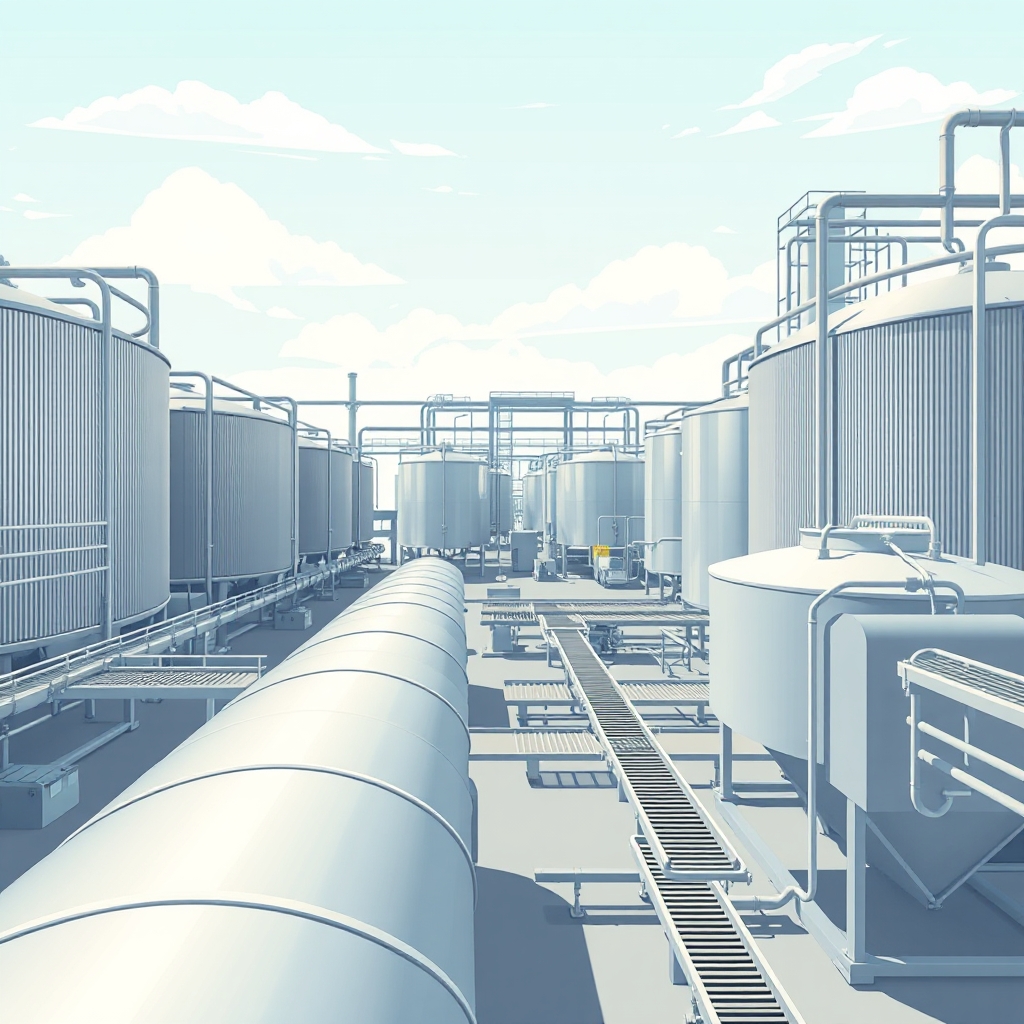
N.A.N. GreenMet and Belgium’s Silox Group have formed a joint venture to build a battery manufacturing plant in India. According to the company, the project involves an investment of INR 1,400 crore. The facility is set to be located in Naidupeta, Andhra Pradesh.
The partnership aims to establish a production base for battery technology in the region. The company states that the plant will be developed in Naidupeta. This development adds to the growing interest in battery manufacturing within India. The joint venture combines the local presence of N.A.N. GreenMet with the technical expertise of Silox Group.
The project is expected to create a new industrial hub in Andhra Pradesh. The company says the facility will be a key part of its expansion strategy. The investment is focused on setting up the necessary infrastructure for battery production. The location in Naidupeta has been selected for the plant. The joint venture is a collaboration between the two entities to bring this project to fruition.
Leadership and Processing Capacity
- Vijay Pasupathy has been appointed as the Chief Executive Officer.
- The facility features a shredding capacity of 40,000 tonnes per annum.
- Hydrometallurgical processing capacity stands at 20,000 tonnes per annum.
The appointment of Vijay Pasupathy places experienced leadership at the helm of the new operation. For developers and investors, having a dedicated CEO is often a signal of operational maturity, particularly in complex manufacturing environments where regulatory compliance and technical execution go hand in hand. This role typically involves overseeing day-to-day activities while aligning production goals with broader corporate strategies, ensuring that the plant meets quality standards and delivers on its promised output timelines.
The specified processing volumes highlight the scale of the industrial infrastructure being deployed. A shredding capacity of 40,000 tonnes per annum serves as the initial mechanical breakdown stage, where raw materials are reduced to manageable sizes for further treatment. Following this, the hydrometallurgical processing capacity of 20,000 tonnes per annum indicates the volume of material that can undergo chemical extraction methods. In the battery sector, such staged processing is common, as it allows for the recovery of specific valuable elements from mixed feedstocks. The disparity between the shredding and hydrometallurgical figures suggests a workflow where not all shredded material proceeds immediately to chemical processing, or that the system is designed to handle high-volume intake before selective extraction. This setup is typical for facilities aiming to maximize resource recovery efficiency while managing the energy and chemical inputs required for the later stages of production.
Strategic Supply Chain Goals
The joint venture’s long-term roadmap extends beyond initial battery assembly, targeting the production of precursor cathode active material and cathode active material. These components form the electrochemical core of lithium-ion cells, dictating energy density, voltage, and cycle life. By securing domestic capability in these specific materials, the project addresses a critical bottleneck in the value chain. Typically, manufacturers rely on complex, multi-step chemical processes to synthesize these powders, requiring precise control over purity and particle morphology. Establishing this capacity locally allows for tighter integration with cell manufacturing, reducing lead times and logistical complexities that often plague global supply chains.
A primary driver for this expansion is the objective to reduce reliance on imported East Asian cathode supplies. Global markets for these materials have historically been concentrated in a few key regions, creating vulnerability to export restrictions, price volatility, and geopolitical tensions. For Indian developers, importing finished cathodes exposes operations to significant currency risk and supply insecurity. By localizing production, the facility aims to insulate itself from these external shocks. This vertical integration strategy is increasingly common in the battery sector, as companies seek to secure raw material flows and maintain margin stability. Ultimately, reducing import dependence strengthens national energy security while providing a more predictable cost structure for downstream consumers and grid-scale storage projects.
Executive Perspective
Jean-Christophe Bogaert, Chairman of Silox Group, emphasizes that the company’s expertise in high-purity metal extraction will be central to the operation. This statement highlights a specific technical focus rather than a broad manufacturing claim. In the battery value chain, the purity of extracted metals is a critical determinant for the performance and longevity of the final cell components. High-purity standards are necessary to ensure that the resulting cathode materials meet the stringent requirements of modern electrochemical systems. By positioning this specific capability as central, the leadership underscores the importance of metallurgical precision over simple volume. For investors and partners, this focus suggests that the joint venture is prioritizing quality control and technical execution in the early stages of material processing.
The project has also secured Consent to Establish, a formal regulatory milestone in India. Obtaining CTE is a standard procedural step for new industrial facilities, granting permission to set up the unit at a specific location. It does not, however, authorize actual production or operation. That requires a separate Consent to Operate, which typically follows detailed environmental and safety assessments. For developers, securing CTE is a necessary foundation that validates the site selection and initial planning. It allows the project to move forward with infrastructure development and equipment procurement. In the context of battery manufacturing, where environmental compliance is heavily scrutinized due to the use of chemicals and heavy metals, this regulatory approval provides a layer of certainty. It signals that the project has met the initial bureaucratic hurdles, enabling the leadership to focus on technical setup and supply chain integration without the immediate pressure of unresolved legal or environmental objections. This step is crucial for maintaining project timelines and investor confidence during the construction phase.
What to watch
With the initial regulatory hurdle cleared, the immediate focus shifts to securing the Consent to Operate. This next phase involves rigorous environmental and safety inspections, a process that can be lengthy and technically demanding in heavy industry. Investors and stakeholders should monitor the timeline for this approval, as it dictates when actual production can commence. Delays here are common, often stemming from detailed assessments of waste management and chemical handling protocols.
Beyond regulatory milestones, the execution of the technical roadmap remains the primary variable. The transition from raw material shredding to high-purity cathode synthesis requires precise engineering and consistent quality control. Watch for announcements regarding equipment installation and commissioning, which signal progress toward operational readiness. The integration of this facility into the broader supply chain will be evident through partnerships with downstream cell manufacturers. Success in this vertical integration depends on maintaining the high purity standards emphasized by leadership, ensuring the final products meet the stringent requirements of modern battery applications. Any updates on supply agreements or pilot production results will provide concrete indicators of the project’s trajectory.
Source: pv magazine India. This article is an original Luminity report based on the linked source.