
Sumitomo Opens UK’s First HVDC Subsea Cable Factory in Scotland
Sumitomo Electric Industries has launched the UK’s first high-voltage direct current subsea cable manufacturing facility at the Port of Nigg. The £350 million investment creates over 200 direct jobs and positions Scotland as a key hub for offshore wind infrastructure.
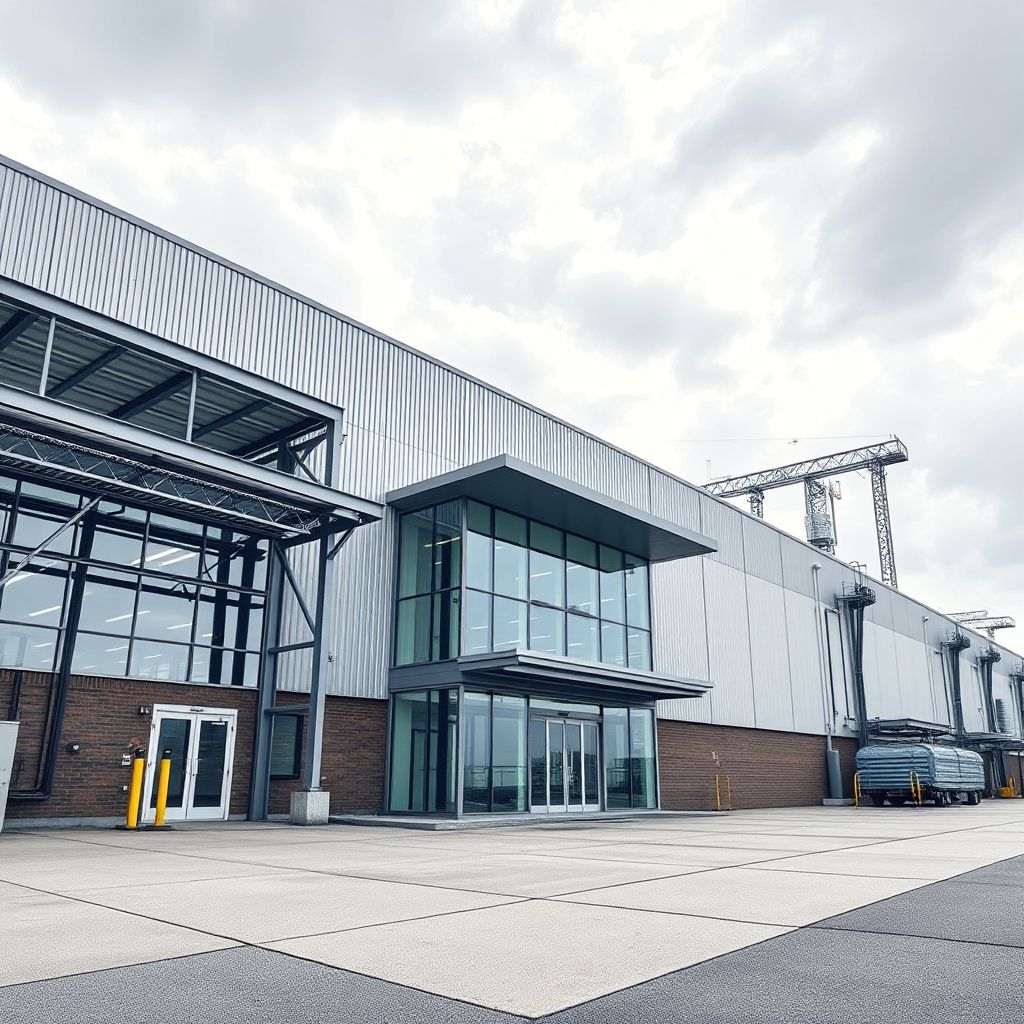
Sumitomo Electric Industries has opened the United Kingdom’s first high-voltage direct current (HVDC) subsea cable factory, the company announced. The new facility is located at the Port of Nigg in Scotland. According to the report by offshoreWIND.biz, the opening took place on 19 October. This development marks the arrival of a specialized manufacturing capability within the UK, focusing specifically on the production of HVDC subsea cables. The factory’s establishment at the Port of Nigg represents a new industrial presence in the region’s energy sector. Sumitomo Electric Industries did not provide further details on initial production capacity or specific project timelines in the available information. The announcement highlights the growing infrastructure required for offshore wind energy connections. No other figures or financial data were included in the initial report from offshoreWIND.biz regarding the factory’s opening. The location choice aligns with the port’s existing role in offshore energy logistics.
Financial Scale and Site Details
The facility represents a major capital commitment, with Sumitomo Electric Industries investing GBP 350 million in the project. This sum equates to over EUR 416 million, reflecting the substantial costs associated with establishing specialized high-voltage infrastructure. The physical footprint of the facility is designed to accommodate the complex manufacturing processes required for HVDC cables, which differ significantly from standard AC cable production in terms of material handling and testing requirements.
| Metric | Value |
|---|---|
| Total Investment | GBP 350 million |
| Investment (EUR) | Over EUR 416 million |
| Site Area | 15 hectares |
| Factory Floor Space | 58,000 square metres |
The 15-hectare site provides ample room for the 58,000 square metres of dedicated factory floor space. This extensive area is necessary to house the large-scale extrusion lines and testing halls that characterize HVDC cable manufacturing. Unlike smaller facilities, this layout allows for the sequential processing of long cable sections, ensuring the structural integrity and electrical performance required for subsea transmission links. The scale of the investment and the specific allocation of floor space underscore the technical complexity involved in producing cables capable of transmitting power over long distances under the sea.
Workforce and Government Support
The new facility is set to create over 200 skilled local positions, injecting immediate demand into the regional labor market. Beyond the direct headcount, the project’s broader supply chain impact is projected to support over 400 jobs in total. This multiplier effect highlights how specialized manufacturing hubs can stimulate economic activity well beyond the factory gates, engaging local suppliers and service providers in the wider ecosystem.
Public funding has played a significant role in realizing this industrial milestone. The Scottish Government has committed £24.5 million to support the initiative. Such state investment often targets strategic sectors where domestic production capacity is critical for national energy security. By backing the establishment of this first-of-its-kind plant, public authorities aim to reduce reliance on imported infrastructure components. This financial support complements the private capital deployed by the manufacturer, helping to de-risk the initial setup phase and ensure the facility can begin operations with the necessary technical infrastructure in place. The collaboration between public funds and private enterprise underscores the complex financing structures typical of large-scale industrial projects in the offshore wind sector.
Strategic Positioning and Leadership
The factory sits within the Inverness and Cromarty Firth Green Freeport boundary, a designation that often streamlines regulatory processes and infrastructure development for emerging industrial clusters. This geographic placement positions the plant to leverage local logistics networks while operating under specific economic frameworks designed to attract advanced manufacturing.
Osamu Inoue, President of Sumitomo Electric Industries, stated that the factory "will serve as a vital production base..." This characterization suggests the facility is intended to function as a central hub for output, rather than a peripheral extension of existing operations elsewhere. By establishing a dedicated site in Scotland, the company anchors its manufacturing capabilities in a region already recognized for offshore energy activity.
John Swinney, First Minister of Scotland, described the facility as putting "Scotland right at the heart of the energy transition..." His comments frame the plant not merely as an industrial asset, but as a pivotal component in the broader national shift toward renewable energy infrastructure. The leadership statements align on the strategic importance of the site, linking corporate production goals with governmental energy policy objectives.
Project Timeline
- Establishment announced: April 2023
- Groundbreaking ceremony: May 2024
The path from initial announcement to physical construction began in April 2023, when the establishment of the facility was first made public. This early disclosure provided the industry with a clear signal of intent, allowing stakeholders to anticipate the upcoming changes in regional manufacturing capacity.
Following that announcement, the project moved into the physical phase with a groundbreaking ceremony held in May 2024. This event marked the transition from planning and permitting to active site preparation and construction. The gap between these two dates reflects the typical duration required for detailed engineering, supply chain coordination, and regulatory finalization before heavy machinery can begin shaping the factory floor.
What to watch
Attention now shifts to the technical specifications of the output. The facility will manufacture 525 kV XLPE HVDC subsea transmission cables, a voltage class essential for long-distance offshore wind connections where alternating current suffers from excessive reactive power losses. The inclusion of subsea inter-array cables is also significant, as these lower-voltage links connect individual turbines within a wind farm before the power aggregates to the main export cable. Monitoring the ramp-up of production for these specific product lines will indicate whether the plant meets the technical demands of upcoming offshore projects. The successful commissioning of these high-voltage DC systems represents a critical verification of the factory’s capability, moving the site from a construction milestone to an operational asset within the broader energy transition supply chain.
Source: offshoreWIND.biz. This article is an original Luminity report based on the linked source.