
New framework ranks rapid shutdown as top BIPV fire safety measure
A research team from the University of Science and Technology of China and the University of Trieste developed a new assessment framework for building-integrated photovoltaic (BIPV) façades. The study, published in Applied Thermal Engineering, identifies 16 fire risk indicators and prioritizes rapid shutdown as the most critical safety measure.
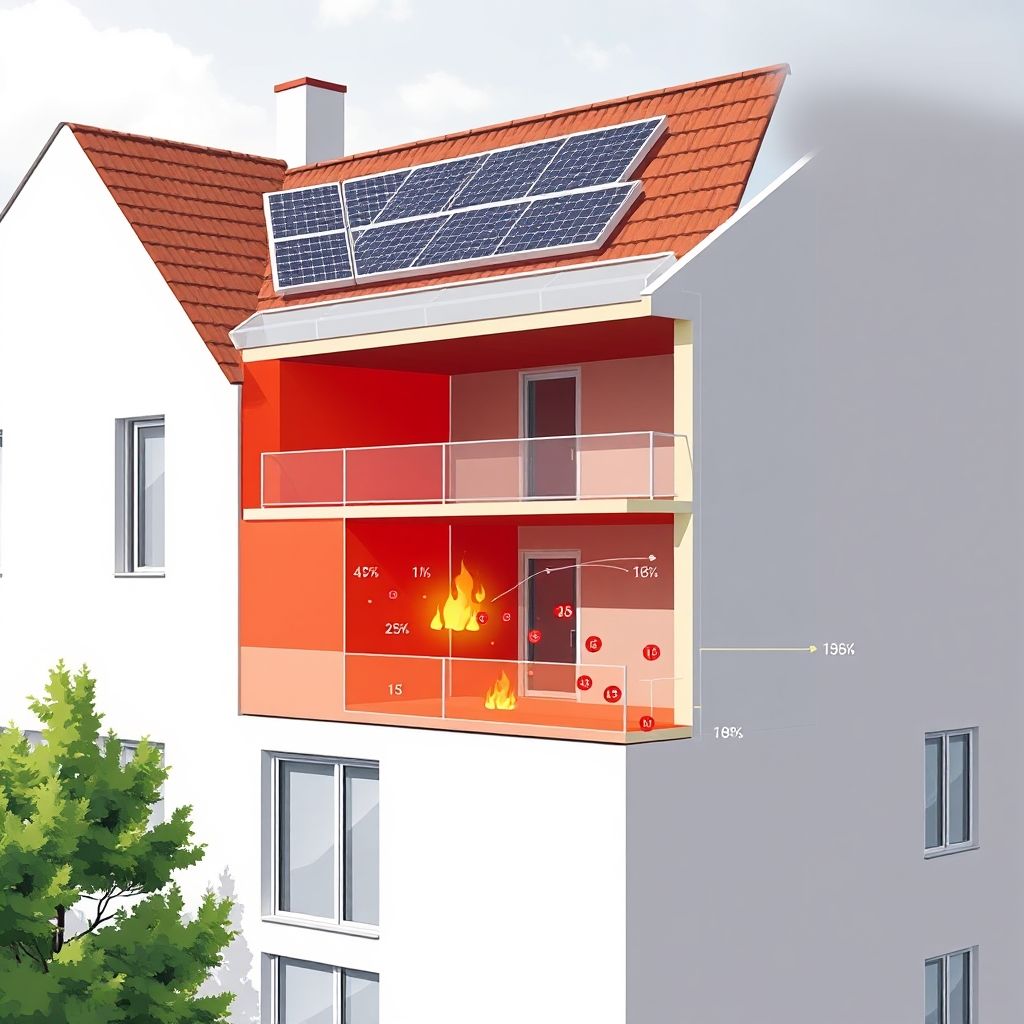
A research team led by the University of Science and Technology of China has developed a new framework to assess the fire performance of building-integrated photovoltaic (BIPV) façades. The study, published in Applied Thermal Engineering, evaluates how these systems behave under fire conditions, offering a structured approach to analyzing safety risks in modern construction.
The framework aims to provide clearer guidance for engineers and architects integrating solar technology into building envelopes. By focusing on specific fire performance metrics, the research seeks to address growing concerns about the safety of photovoltaic installations in high-rise and commercial structures. This work contributes to the broader effort to ensure that renewable energy technologies meet rigorous safety standards without compromising their environmental benefits.
Methodology and Expert Input
The research team constructed the assessment framework around sixteen distinct fire risk indicators, creating a comprehensive metric set to evaluate BIPV façade performance. To weigh these variables, the study combined data-driven and subjective evaluation techniques. Specifically, the authors applied the Normalized Vague Clustering (NVC) method, which relies on statistical data patterns, alongside the Analytic Hierarchy Process (AHP) and the Triangular Fuzzy Number AHP (TFN-AHP). These expert-judgment-based approaches allow for the systematic ranking of complex safety factors that pure data analysis might miss, ensuring the model accounts for nuanced engineering realities.
To validate the weighting process, the team consulted nine experts based in Asia and Europe. This geographic spread was essential for gathering diverse professional perspectives on how fire risks manifest in different construction contexts. By blending quantitative clustering with structured expert opinion, the methodology aims to produce a robust ranking system. This hybrid approach helps mitigate the inherent biases often found in single-source evaluations, offering a more balanced view of potential hazards. For engineers designing these integrated systems, such a multi-method framework provides a defensible basis for prioritizing safety interventions, ensuring that the most critical risk factors receive appropriate attention during the planning and construction phases.
Key Risk Factors Identified
The assessment framework identifies specific technical parameters that drive fire hazards in building-integrated photovoltaic systems. The study ranks the following elements as primary sources of risk:
- DC voltage and current magnitude
- Equipment aging
- Contact resistance
- Glass type
- Encapsulation performance
DC voltage and current magnitude emerged as the top-ranked risk factor in the model. In photovoltaic systems, direct current flows through the modules and inverters without the natural zero-crossing points present in alternating current grids. This characteristic means that arcs can persist and sustain themselves more easily if a connection fails or a component degrades, potentially generating intense heat that ignites surrounding materials. For engineers, this ranking highlights the critical importance of managing electrical load and circuit design to prevent thermal runaway during fault conditions.
The remaining key risks focus on the physical integrity and long-term durability of the façade components. Equipment aging and contact resistance relate to how connections and materials degrade over time, which can increase electrical resistance and localized heating. Glass type and encapsulation performance determine how well the system contains heat and prevents the spread of flames. Encapsulation layers, in particular, serve as a barrier between electrical components and the building structure; if these materials fail or are insufficiently fire-resistant, the façade becomes more vulnerable to ignition. By isolating these factors, the framework provides a clear hierarchy for designers to address the most volatile variables first, ensuring that structural safety is not compromised by material selection or maintenance oversight.
Safety Measures and Weighting
The framework translates identified risk factors into actionable mitigation strategies by cataloging fifteen distinct safety measures for building-integrated photovoltaic façades. These interventions range from material specifications to electrical circuit configurations, designed to address the specific vulnerabilities highlighted in the earlier risk analysis. The study assigns a combined weight of 60.83% to two primary categories: ignition prevention and fire-spread suppression. This significant allocation reflects the dual necessity of stopping fires before they start and containing them effectively if they do occur. Within this hierarchy, rapid shutdown emerges as the single most critical measure, holding a weight of 19.62%.
| Safety Measure Category | Weight Percentage |
|---|---|
| Rapid Shutdown | 19.62% |
| Ignition Prevention & Fire-Spread Suppression (Combined) | 60.83% |
Rapid shutdown technology allows operators to de-energize photovoltaic systems quickly during an emergency, reducing voltage to safe levels for firefighters and maintenance personnel. In high-rise structures, the ability to isolate electrical faults remotely is essential for minimizing thermal hazards and preventing arc-flash incidents. The high weighting assigned to this measure underscores its role in mitigating the persistent DC arc risks discussed previously. By prioritizing rapid shutdown alongside broader suppression strategies, the framework provides engineers with a clear directive: electrical safety controls are as vital as passive fire barriers in ensuring the overall resilience of BIPV installations. This approach helps developers balance performance requirements with the stringent safety protocols needed for modern commercial construction.
What to watch
The research team included the University of Trieste, signaling a collaborative academic effort to formalize safety standards in building-integrated photovoltaics. As the sector expands, the gap between theoretical risk models and on-site implementation remains a focal point for engineers and regulators. Yu Wang noted that systematic fire risk assessment and resilience optimization for BIPV façades remain limited, highlighting a persistent challenge in the industry. This observation suggests that current practices often rely on ad-hoc solutions rather than standardized frameworks. Investors may increasingly scrutinize projects for their adherence to such rigorous evaluation protocols, particularly in high-density urban environments where fire safety is paramount. The next step involves translating these academic findings into actionable design guidelines that builders can integrate into standard operating procedures. Until then, the lack of widespread, systematic assessment tools leaves a gap in how the industry quantifies and mitigates long-term fire hazards. Stakeholders should monitor how these specific weighting models influence future building codes and insurance requirements for solar-integrated structures.
Source: pv magazine. This article is an original Luminity report based on the linked source.