
South Korea’s US$747 billion K-GX plan bets on green steel as Australia eyes green iron exports
South Korea’s K-GX plan, worth about US$747 billion (A$1.1 trillion) to 2035, targets 100 GW of renewables by 2030 and the world’s first mass-produced green steel. New Agora Industry modelling says exporting green iron could add up to $22.3 billion to Australia’s GDP and 112,000 jobs by 2050.
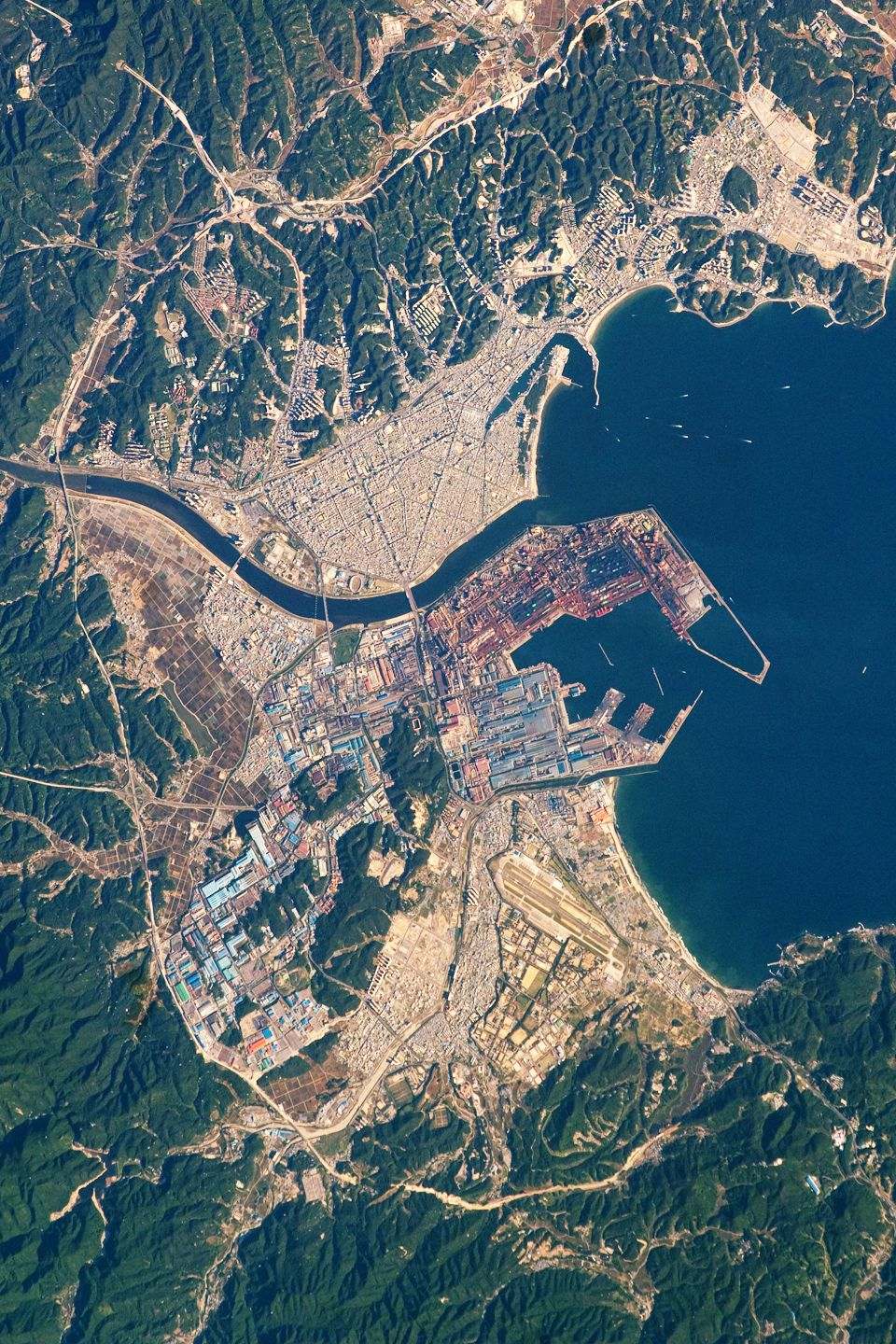
South Korea has unveiled a national energy transition and decarbonisation strategy aimed at expanding renewable power and transforming its heavy industry. Dubbed K-GX (Korea-Green Transformation), the 1,000 trillion won strategy is worth about US$747 billion (A$1.1 trillion) and runs to 2035. Steel is of particular interest: South Korea wants to be the world’s first country to mass-produce green steel, made with hydrogen rather than coal.
That matters for Australia. South Korea has very little domestic iron ore production and relies on imports, most of which come from Australia. A new report from the think tank Agora Industry, with modelling by Cambridge Econometrics published the day after Korea’s announcement, argues that Australia could gain substantially by exporting green iron rather than raw ore.
Financial Structure and Targets
The plan’s money and headline targets, as reported by RenewEconomy:
- Around A$213 billion in fiscal spending
- More than A$846 billion in climate finance
- A target of 100 gigawatts of renewable energy capacity by 2030
- A goal for electric and hydrogen vehicles to make up more than 70 per cent of new vehicle sales by 2035
Climate finance makes up roughly four-fifths of the headline figure, with direct fiscal spending the smaller share. The announcement as reported does not break down how the climate finance will be raised.
Decarbonizing Heavy Industry
The K-GX strategy targets the decarbonisation of five high-emitting sectors: steel, petrochemicals, refining, cement, and semiconductors and displays. Steel is the biggest prize globally. The steel sector accounts for around 9 per cent of global CO2 emissions each year, and most steel is still made from iron ore rather than scrap.
Ore-based steel traditionally uses the coal-heavy blast furnace-basic oxygen furnace (BF-BOF) route, which emits around 2.34 tonnes of CO2 per tonne of steel. Green steel replaces it: hydrogen-based direct reduced iron (H₂-DRI) feeds electric arc furnaces, or is processed in a smelting furnace and basic oxygen furnace. “Green iron trade enables exporting countries to create significant added value rather than primarily remaining exporters of raw materials,” the report’s authors say. “The iron ore is reduced at source, an energy-intensive step that can be done using local renewable energy. This means that the exporter retains the economic return.” They add that iron ore reduction could be the first large-scale commercial market for renewable hydrogen, showing enough demand to make hydrogen infrastructure commercially viable at scale.
Australian Economic Impact
South Korea is estimated to need around 10 million tonnes of green iron a year by 2050, which the report describes as well within Australia’s export capacity. The modelling covers a wider global green iron trade, not Korea alone.
According to the Agora and Cambridge Econometrics modelling, exporting green iron instead of iron ore could add up to $22.3 billion to Australia’s GDP and 112,000 jobs by 2050. Iron and steel output would grow by 29.5 per cent under a green export focus, the largest gain of any sector in the Australian economy.
| Measure | Figure |
|---|---|
| South Korea’s green iron need by 2050 | About 10 million tonnes a year |
| Added Australian GDP by 2050 | Up to $22.3 billion |
| Added Australian jobs by 2050 | 112,000 |
| Australian iron and steel output | Up 29.5 per cent |
Joanna Kay, who leads international strategy, partnerships and engagement at The Superpower Institute, an Australian climate policy non-profit, called South Korea’s ambition “welcome”. But she said the institute’s research shows Korea “doesn’t have the abundant, low-cost renewable energy needed to decarbonise its steel industry at scale”. Australia has that potential alongside some of the world’s largest iron ore resources, she said, so producing green iron in Australia and exporting it to Korea could secure the future of Korea’s steel industry while building a new Australian export industry. “We’ve built mutually beneficial trade relationships like this before – Australian iron ore helped power Asia’s industrialisation, creating enormous prosperity on both sides,” she said. “The new Agora modelling shows how green iron trade could deliver similar shared economic benefits in the decades ahead.”
What to watch
The next test is how South Korea turns the K-GX headline numbers into projects, starting with the 100 GW renewable target for 2030 and its plans for hydrogen-based steelmaking.
For Australia, the question is whether the green iron case set out by Agora and The Superpower Institute turns into supply deals with Korean steelmakers, and whether iron ore reduction does become the first large-scale market for renewable hydrogen, as the report suggests.
RenewEconomy adds that the Korean plan holds lessons as well as opportunities for Australia, given the partisan state of its own energy and climate politics.
Source: RenewEconomy. This article is an original Luminity report based on the linked source.