
Ember proposes hybrid rooftop solar subsidies for 15–25 GWh storage
Ember suggests subsidizing half of India's 10-million household solar target to add 15–25 GWh of distributed battery storage. The proposal aims to reduce daytime exports and improve payback periods for residential solar-plus-battery systems.
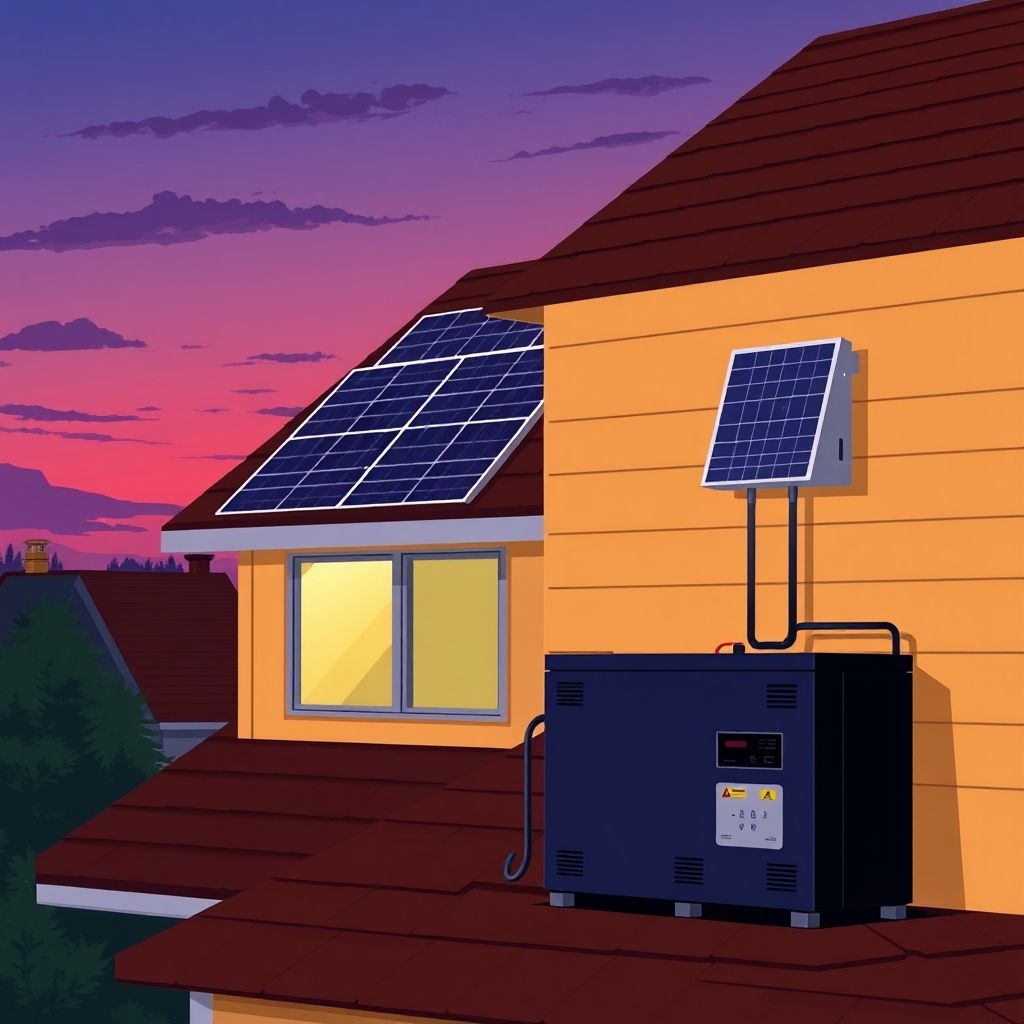
Ember has proposed a policy framework to integrate battery storage with India’s residential solar push, aiming to create 15–25 GWh of distributed storage capacity. The consultancy suggests that subsidizing half of the 10 million household target under the PM Surya Ghar scheme would achieve this storage addition alongside the solar capacity buildout.
Ruchita Shah, Ember’s Energy Analyst for Asia, argued that storage must be deployed concurrently with solar capacity rather than years later. "Under PM Surya Ghar, we should be building storage alongside that capacity, not years later," Shah stated, highlighting the need for immediate integration to maximize grid benefits.
Economic Viability
The financial case for adding storage hinges on bridging the gap between solar-only economics and the added cost of batteries. Without financial support, the payback period for a solar-plus-battery system exceeds nine years, a significant jump from the 3.3-year payback period typical for solar-only installations. This disparity reflects the upfront capital required for battery hardware, which extends the time needed to recoup investment through energy savings.
Ember’s proposal addresses this imbalance by suggesting a 50% subsidy on battery costs. Under this mechanism, the payback period for the hybrid system drops to 6.3 years. While still longer than the solar-only baseline, this reduction makes the investment more attractive by shortening the period before the system begins generating net positive returns. The subsidy effectively lowers the entry barrier for households considering storage, aligning the economic timeline with the broader goal of rapid deployment.
| Configuration | Payback Period |
|---|---|
| Solar-only | 3.3 years |
| Solar-plus-battery (no subsidy) | Over 9 years |
| Solar-plus-battery (50% battery subsidy) | 6.3 years |
The figures illustrate how targeted subsidies can alter the economic trajectory of distributed energy resources. By reducing the effective cost of batteries, the policy proposal aims to make the longer payback period more palatable for residential consumers. This economic adjustment is critical for scaling storage adoption, as it directly impacts the decision-making process for homeowners weighing the benefits of energy independence against the extended investment horizon.
Grid Impact and Export Reduction
The primary grid benefit of the proposed hybrid systems lies in the drastic reduction of daytime electricity exports. When a 5 kWh battery is paired with a 3 kW solar array, daytime exports drop by 85–90%. This shift is not merely cosmetic; it fundamentally alters how residential solar interacts with the distribution network. By retaining energy locally rather than pushing it into the grid during peak generation hours, the system prevents the voltage fluctuations and congestion issues that often accompany high penetrations of rooftop solar.
Beyond curbing exports, the battery addition reshapes the timing of electricity consumption. The system shifts 1,600–1,800 units of electricity annually to the evening. This transfer aligns residential usage with periods of higher grid demand, when solar generation is low or non-existent. Consequently, the battery acts as a buffer that smooths out the daily load profile. Instead of creating a midday surplus that the grid must absorb, the hybrid setup directs energy to the evening peak, potentially reducing the need for dispatchable fossil fuel plants to meet late-day demand. This temporal shift is central to Ember’s argument for concurrent deployment, as it ensures the storage provides immediate operational value to the grid infrastructure rather than waiting for future grid upgrades.
Current Rooftop Solar Landscape
- India’s total installed solar capacity reached 164.6 GW in July 2026.
- Rooftop solar capacity reached 30.7 GW in July 2026.
- The rooftop share of total capacity rose from 6% in 2019 to 19% in July 2026.
- PM Surya Ghar residential capacity was 14.9 GW across 5 million households in July 2026.
- 88% of residential rooftop solar capacity is concentrated in 10 states.
The rapid expansion of rooftop solar in India has transformed the country’s generation mix, with the residential segment now accounting for nearly one-fifth of total solar capacity. This growth trajectory, which sees the rooftop share jump from 6% in 2019 to 19% by mid-2026, underscores the sector’s momentum. The PM Surya Ghar scheme has been a central driver of this increase, with 14.9 GW of capacity installed across 5 million households as of July 2026. This residential buildout represents a significant portion of the 30.7 GW total rooftop capacity recorded in the same period.
However, this growth is geographically uneven. With 88% of residential rooftop solar capacity concentrated in just 10 states, the distribution of benefits and grid impacts is highly localized. This concentration means that specific regional grids face disproportionate challenges from high solar penetration, making the proposed hybrid storage solution particularly relevant for these areas. The data highlights a maturing market where the sheer scale of installed capacity necessitates more sophisticated integration strategies to manage the resulting variability in supply.
What to watch
The immediate financial hurdle for homeowners is the interaction between the PM Surya Ghar subsidy and net metering rules. With the subsidy reducing the upfront cost of a standard solar system to ₹87,000, the payback period currently sits at 6.5 years, constrained by a 40% cap on banked exports. This cap limits how much excess daytime generation can be converted into future bill credits, extending the time required to recoup the initial investment.
Regulatory tweaks to export and consumption rules could significantly alter this timeline. For instance, introducing a 20% peak surcharge and prohibiting withdrawals between 6 and 10 pm would shorten the payback period to 5.7 years. This specific combination of incentives and restrictions forces consumers to shift usage to off-peak hours while rewarding them for reduced peak demand. Readers should monitor how distribution companies implement these tariff structures, as the precise balance between export caps and peak pricing will determine whether the economic case for adding battery storage becomes viable without the proposed 50% hardware subsidy.
Source: Saur Energy. This article is an original Luminity report based on the linked source.