
EU Innovation Fund Awards EUR 3.4 Billion to 77 Net-Zero Projects
The European Commission has allocated EUR 3.4 billion from ETS revenues to 77 selected net-zero projects, announced on 19 October. Among the recipients are initiatives focused on offshore charging, rare earth magnet production, HVDC manufacturing, and floating wind pilots.
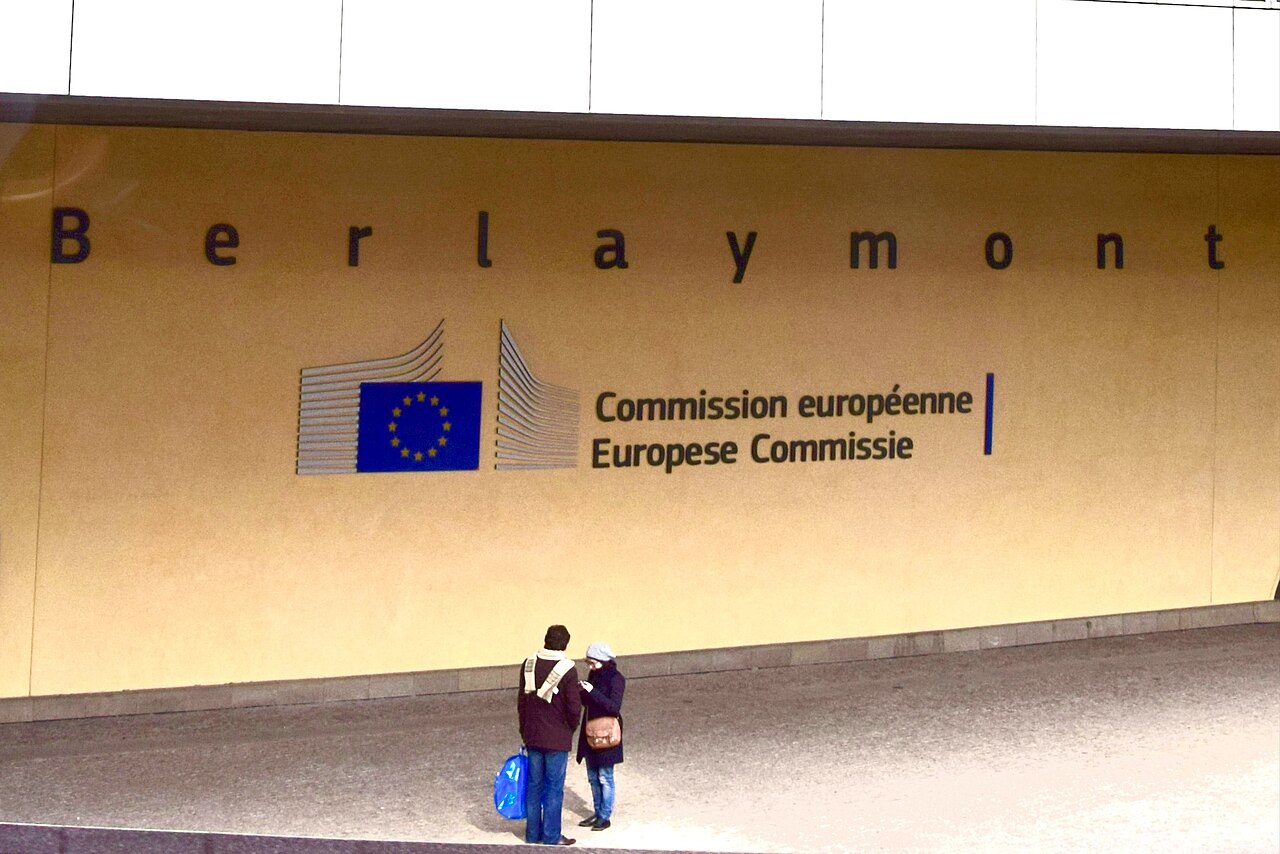
The European Commission has announced the selection of 77 net-zero projects for financial support through the Innovation Fund. According to the commission, the total funding package amounts to EUR 3.4 billion. This allocation is designed to accelerate the development and deployment of low-carbon technologies across the continent.
The decision was made on 19 October, marking a substantial commitment to clean energy infrastructure. The selected initiatives will receive the necessary capital to advance their respective technologies from development stages toward commercial viability. This move underscores the bloc’s ongoing effort to diversify its energy mix and reduce reliance on fossil fuels.
While the specific breakdown of funds per project was not detailed in the initial announcement, the aggregate figure highlights the scale of the investment. The European Commission’s Innovation Fund continues to serve as a primary mechanism for supporting large-scale climate action projects that align with the EU’s broader net-zero targets.
Offshore Charging Infrastructure
Denmark-based Stillstrom coordinates the OffshoreCharge project, a proposal focused on electrifying maritime operations at sea. The company’s core technology is the Stillstrom Offshore eCharger, or SOeC, a system designed to transfer high-power electricity to vessels while they are docked at offshore platforms. According to the project documentation, a single SOeC unit has a capacity of 7.5 MVA. This level of power delivery is significant for portside charging, as it allows large vessels to replenish their batteries or electric propulsion systems quickly, reducing the time they need to remain stationary.
Stillstrom began developing this specific offshore charging solution in 2019, giving the technology several years of pre-commercial development before this funding round. The project claims that one SOeC unit can save over 5.5 tonnes of CO₂ annually. These savings are achieved by enabling vessels to use grid electricity, potentially sourced from renewables, instead of burning heavy fuel oil or diesel during port stays. For the maritime sector, which remains heavily reliant on liquid fuels, such infrastructure is critical for decarbonizing short-sea shipping and offshore support vessels. The technology addresses a specific gap in the energy transition: while onshore charging networks for cars are expanding, the high-voltage, high-current infrastructure needed for large marine vessels at offshore locations remains scarce. By supporting the deployment of chargers with multi-megavolt-ampere capacities, the project aims to make electric operation a viable alternative for ships operating in the North Sea and other European waters.
Magnet Production and HVDC Manufacturing
Two distinct industrial capabilities anchor the manufacturing side of this funding round. The GAUSS project, coordinated by Neo Performance Materials, focuses on scaling up magnet production. The company opened its Narva, Estonia facility in September 2025. GAUSS targets an annual output of 3,000 tonnes of magnets. High-performance permanent magnets are essential components for wind turbine generators and electric vehicle motors. Securing domestic supply chains for these critical components reduces exposure to global price volatility and geopolitical supply risks. For developers, reliable access to magnets at scale helps stabilize project costs and construction schedules. The project claims that this expanded capacity will save over 3.4 million tonnes of CO₂ over ten years.
| Project | Coordinator | Key Output | Target Metric |
|---|---|---|---|
| GAUSS | Neo Performance Materials | Magnets | 3,000 tonnes annually |
| RESOLVE | Aker Solutions | HVDC topsides | 2 GW transmission systems |
The RESOLVE project, led by Norway’s Aker Solutions, addresses a different bottleneck in the grid expansion process. The facility manufactures high-voltage direct current (HVDC) topsides, which are the platform structures that house the conversion equipment for long-distance power transmission. HVDC technology is preferred for offshore wind farm connections because it loses less energy over long distances compared to alternating current. RESOLVE is designed for systems with a capacity of 2 GW. The project aims to shorten delivery times by approximately ten months. Reducing lead times for critical grid infrastructure helps align power plant construction with connection availability. Delays in HVDC delivery often become the primary cause of project delays, as wind turbines cannot export power without a connected transmission route. Accelerating this specific manufacturing step helps ensure that generated electricity reaches the grid when needed.
Sector Context
Magnet supply and HVDC manufacturing represent two distinct but complementary constraints in the renewable energy build-out. While magnets determine the efficiency and cost of the generation asset itself, HVDC infrastructure determines the ability to transmit that power to end-users. Both sectors face capacity bottlenecks as demand for new installations outpaces current industrial output. Funding for these upstream manufacturing steps is essential to prevent downstream project delays and cost overruns.
Floating Wind Pilot
- AEGEANFLOAT project is a 45 MW floating wind pilot in Greece
- AEGEANFLOAT led by Terna Energy
- Funding source: EU Emissions Trading System revenues
The AEGEANFLOAT project represents a step in validating offshore wind technology in challenging marine environments. Located in Greece, this 45 MW pilot serves as a practical testbed for floating foundations, which are essential for accessing deeper waters where fixed-bottom structures are not technically or economically feasible. Terna Energy leads the initiative, bringing operational expertise to the deployment of these advanced turbines. By establishing a working prototype in the Mediterranean, the project provides critical data on performance, maintenance logistics, and grid integration in a region with high solar and wind potential but limited existing offshore infrastructure.
The financial backing for this pilot comes from revenues generated by the EU Emissions Trading System. This funding mechanism links industrial carbon pricing directly to clean energy innovation, creating a circular economic model where emissions costs help drive the transition away from fossil fuels. For the floating wind sector, such pilots are vital for de-risking future large-scale developments. They allow engineers and regulators to identify technical hurdles before committing to gigawatt-scale projects, ultimately contributing to the broader goal of expanding Europe’s renewable energy capacity in diverse geographic settings.
What to watch
For the offshore charging initiative, readers should monitor the physical installation of the multi-megavolt-ampere units and their subsequent integration with North Sea vessel operations. The real test will be whether these chargers reliably supply grid electricity to ships during port stays, confirming the technology’s ability to replace heavy fuel oil usage in practice.
On the manufacturing front, the GAUSS facility in Estonia faces the challenge of ramping up to its target annual output of 3,000 tonnes. Success here depends on consistent production quality and volume, which directly impacts the supply chain stability for wind turbine generators and electric vehicle motors. Simultaneously, the RESOLVE project must demonstrate its ability to manufacture HVDC topsides within the intended accelerated timeline. If delivery times shorten as projected, it could alleviate a common bottleneck where transmission infrastructure lags behind turbine installation.
Finally, the AEGEANFLOAT pilot in Greece requires close observation. As a 45 MW testbed, its performance data will be scrutinized for insights into maintenance logistics and grid integration in deep-water Mediterranean conditions. The results from this specific environment will inform future regulatory frameworks and commercial viability assessments for larger floating wind developments in similar geographic settings.
Source: offshoreWIND.biz. This article is an original Luminity report based on the linked source.