
OSHA HazCom gaps persist at battery sites after Moss Landing fire
Following the largest lithium-ion battery cleanup in history, regulators issued thousands of citations for safety documentation failures. New California legislation aims to close compliance gaps in energy storage operations.
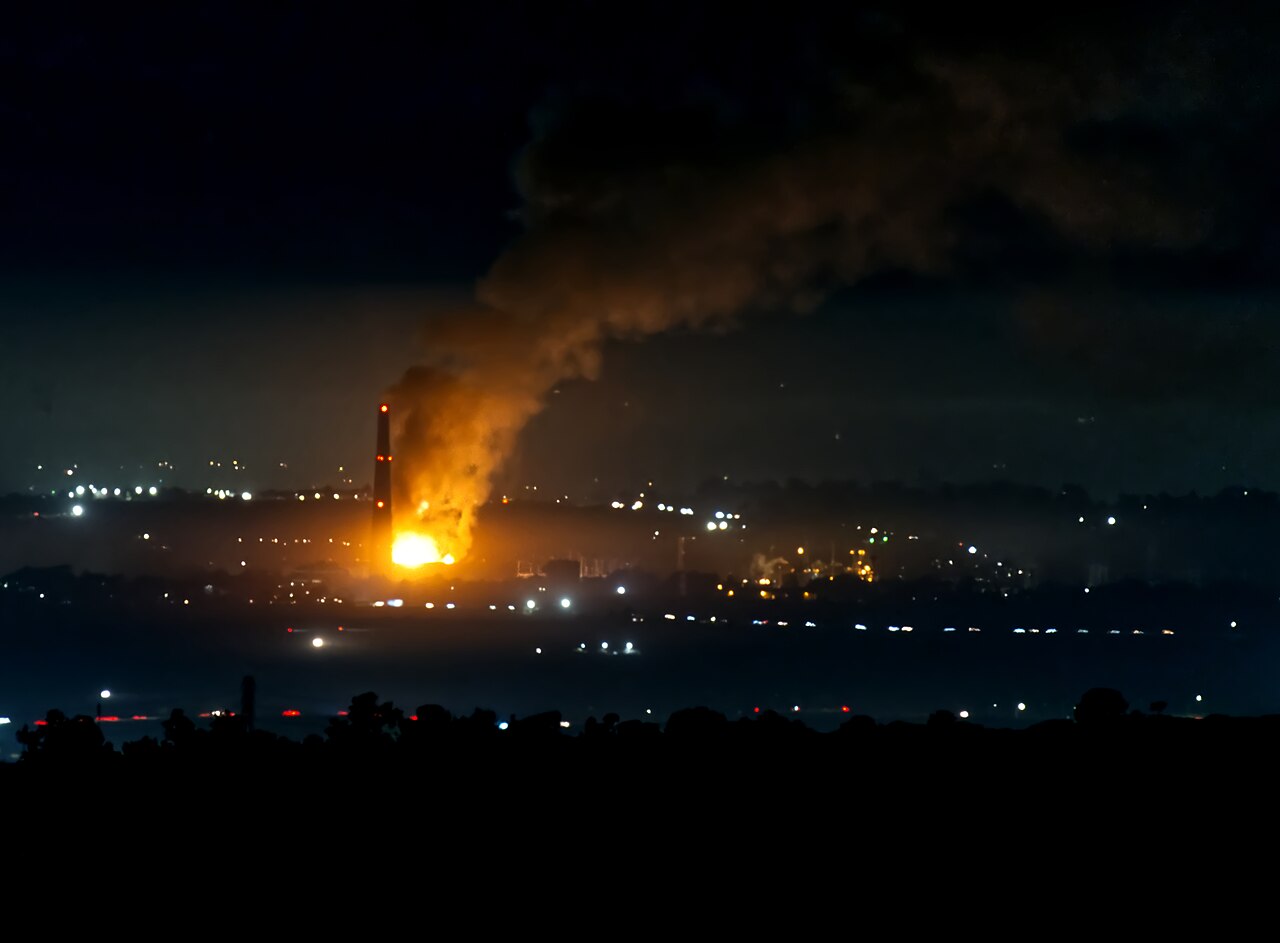
A January 2025 fire at Vistra’s 300 MW facility in Moss Landing, California, has highlighted persistent gaps in OSHA Hazard Communication standards at battery sites. According to pv magazine USA, the EPA has identified the Moss Landing incident as the largest lithium-ion battery cleanup in history. This designation underscores the scale of the environmental and safety challenges associated with large-scale energy storage systems. As the industry continues to expand, the incident serves as a stark reminder of the regulatory complexities involved in managing hazardous materials within these installations. The cleanup effort itself is expected to be a prolonged process, reflecting the severity of the initial blaze.
Regulatory enforcement data
- OSHA issued over 2,500 citations under the Hazard Communication Standard in fiscal year 2024.
- 988 citations in 2024 addressed written HazCom program deficiencies.
- 820 citations in 2024 were for employee information and training failures.
- 350 citations in 2024 stemmed from SDSs not being readily accessible.
- 203 citations in 2024 involved missing SDS for a specific chemical.
- 196 citations in 2024 resulted from workplace labeling failures.
The volume of enforcement actions reveals that compliance failures in hazardous material management remain widespread across industrial sectors. The breakdown of these citations highlights specific operational weaknesses that often go unaddressed until an incident occurs. Written program deficiencies represent the largest single category of violations, suggesting that many facilities lack robust, documented frameworks for identifying and managing chemical risks.
Training failures constitute the second-largest group, indicating that even when programs exist, they frequently fail to reach workers effectively. Accessibility issues with Safety Data Sheets (SDSs) and labeling errors further compound these risks by limiting immediate access to critical safety information during emergencies. These recurring violations demonstrate that the foundational elements of HazCom—documentation, education, and clear communication—remain inconsistent in practice.
Legislative response
California’s legislative branch is currently moving Assembly Bill 303, formally titled the Battery Energy Safety and Accountability Act, through the state house. The bill represents a direct legislative reaction to the safety vulnerabilities exposed by recent industrial incidents, specifically targeting the regulatory gaps identified in hazard communication practices at large-scale storage facilities. By advancing this specific piece of legislation, lawmakers aim to establish clearer accountability frameworks for operators managing hazardous materials within energy storage systems.
This legislative effort focuses on ensuring that safety protocols are not only documented but actively enforced through defined legal standards. As the bill moves through committee hearings and floor votes, it seeks to address the specific operational weaknesses that have historically allowed compliance failures to persist. The act’s title explicitly links battery energy infrastructure with broader safety and accountability measures, reflecting a targeted approach to mitigating risks associated with lithium-ion technology deployment in the state.
Technical standards
Federal and national frameworks define the baseline for managing chemical and thermal risks at battery facilities, yet their application often lags behind the complexity of modern energy storage systems. The OSHA Hazard Communication Standard, codified at 29 CFR 1910.1200, mandates that employers maintain Safety Data Sheets (SDSs) for hazardous chemicals and ensure these documents are readily accessible to employees. This requirement forms the core of workplace communication, ensuring that staff can quickly identify chemical hazards and understand necessary protective measures. However, the standard primarily addresses chemical identification and labeling rather than the specific thermal runaway dynamics unique to lithium-ion batteries, leaving a gap between general chemical safety and specialized energy storage risks.
Complementing federal chemical regulations, NFPA 855 provides detailed technical criteria for the installation and maintenance of energy storage systems. This standard sets specific requirements for containment structures, ventilation systems, and fire mitigation measures designed to manage the unique hazards of battery technology. Unlike general industrial safety codes, NFPA 855 accounts for the potential for rapid heat release and toxic gas generation during battery failures. The distinction between these two regulatory layers is critical: while 29 CFR 1910.1200 ensures workers know what chemicals are present, NFPA 855 dictates how the physical infrastructure must be designed to contain and suppress fires. The persistence of HazCom violations suggests that even when physical safeguards are in place, the administrative and educational components required to operate safely under these standards remain insufficiently implemented at many sites.
What to watch
The immediate priority is tracking the legislative trajectory of Assembly Bill 303 through the California state house. As the bill moves through committee hearings and toward potential floor votes, its final language will determine whether the state imposes new statutory accountability frameworks specifically for battery energy storage operators. This progression represents a shift from relying exclusively on federal enforcement mechanisms to establishing distinct state-level requirements that directly address the safety vulnerabilities exposed by recent industrial incidents.
Beyond the legislative process, attention should turn to how operators adapt their administrative practices to bridge the gap between general chemical safety rules and the specific thermal dynamics of lithium-ion technology. While federal standards mandate the availability of Safety Data Sheets and basic labeling, they do not fully capture the rapid heat release and toxic gas generation unique to battery failures. The persistence of training and documentation deficiencies suggests that future compliance efforts must focus on integrating these specialized technical risks into daily worker education. Observers will need to see if new state mandates effectively close the distance between written program requirements and on-site operational reality, ensuring that safety protocols are actively enforced rather than merely documented.
Source: pv magazine USA. This article is an original Luminity report based on the linked source.