
Maine regulators asked to mandate meter socket adapters despite utility safety objections
A joint filing urges Maine regulators to require utilities to permit meter socket adapters, citing cost savings and UL 414 certification. This move counters CMP’s claims of safety hazards while highlighting potential homeowner savings on battery installations.
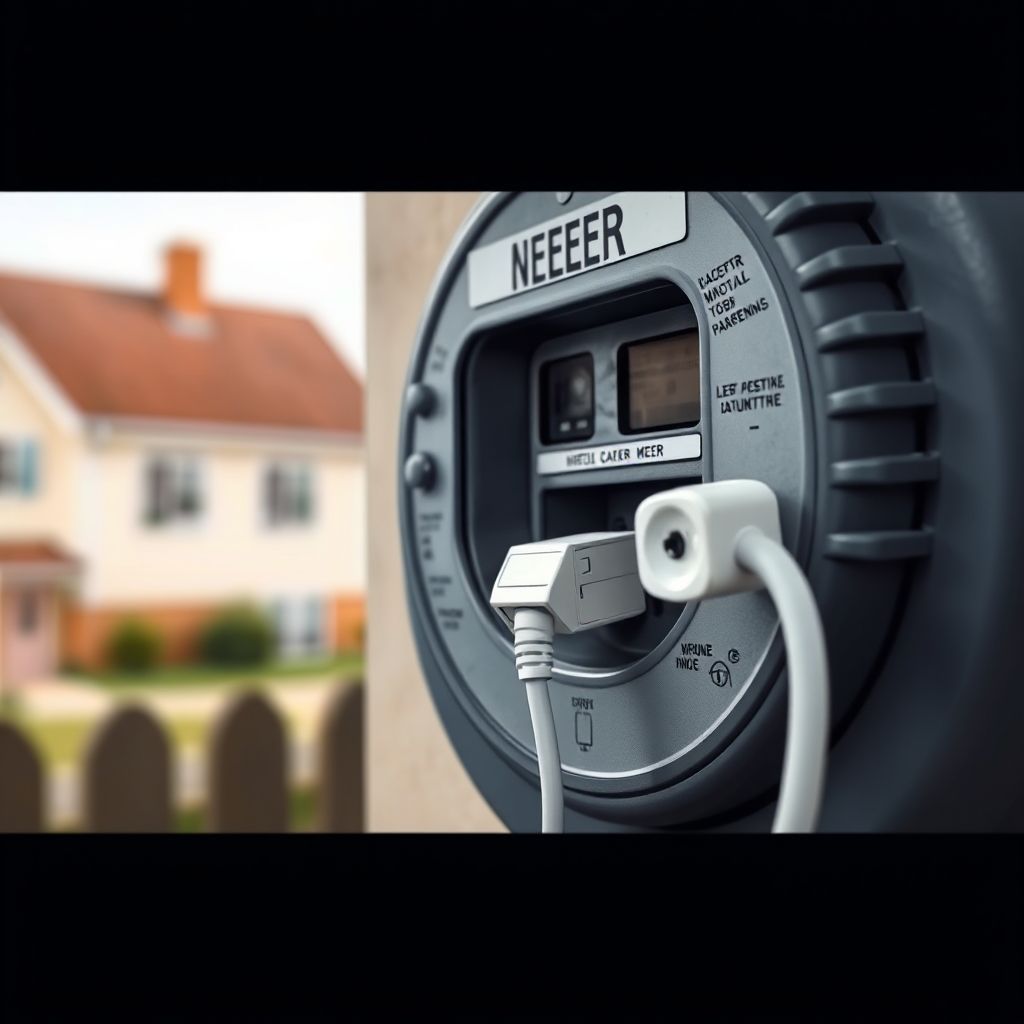
Meter socket adapters have gained approval from 86 utilities across 33 states, according to data reviewed by pv magazine USA. These devices serve a specific function by connecting residential distributed energy resources directly to electric meter sockets. A recent filing submitted by Efficiency Maine Trust, the Maine Office of Public Advocate, and EquinoxDG details the current regulatory landscape in Maine. The document outlines the technical role of these adapters in the local grid infrastructure. It sets the stage for a debate regarding mandatory adoption standards within the state.
Utility Opposition and Safety Standards
Central Maine Power Company (CMP) has lodged formal objections to the proposed mandate, arguing that meter socket adapters create serious safety hazards for its grid infrastructure. The utility contends that the physical configuration of these devices introduces risks that standard equipment does not, challenging the premise that they can be deployed universally without additional safeguards. This stance reflects a broader tension in the energy sector where utility safety protocols often clash with the rapid deployment of distributed energy resources. Regulators must weigh these operational concerns against the efficiency gains that such adapters provide for residential solar and battery storage systems.
In response to these objections, Vaughan Woodruff points to existing safety standards as the appropriate solution. He states that UL 414 certification specifically addresses the safety concerns raised regarding these devices. This standard provides a recognized framework for testing and validating the electrical performance and physical integrity of meter socket adapters. By relying on established third-party certification, proponents argue that the need for ad hoc utility approvals is reduced. The debate centers on whether a uniform national standard suffices to mitigate the hazards CMP identifies or if local utility oversight remains necessary to ensure grid reliability.
Manufacturer Benefits and Installation Efficiency
- Tesla, ConnectDER, and Enphase are MSA manufacturers
- Josh Oxley: Tesla Backup Switch MSA saves $700 in parts
- Tesla Backup Switch MSA saves two hours or more of electrician labor
The adoption of meter socket adapters is driven by tangible reductions in hardware and labor costs for residential installations. Josh Oxley notes that the Tesla Backup Switch MSA eliminates the need for additional components, saving approximately $700 in parts per system. This reduction in material costs directly lowers the upfront capital expenditure for homeowners and installers alike. By integrating backup switch functionality into the adapter itself, the device streamlines the electrical panel configuration, removing the necessity for separate enclosures or complex wiring loops.
Labor efficiency is equally significant in this context. Oxley indicates that the Tesla Backup Switch MSA saves two hours or more of electrician labor during installation. Since labor typically constitutes the largest portion of residential solar and storage project costs, this time reduction has a substantial impact on overall project pricing. For manufacturers like Tesla, ConnectDER, and Enphase, these efficiency gains are critical for maintaining competitive margins in a market where installation timelines and cost predictability influence consumer adoption. The ability to deploy these devices without extensive panel modifications also reduces the risk of installation errors, potentially lowering warranty claims and service calls over the system's lifespan.
Projected Homeowner Financial Outcomes
Efficiency Maine Trust has modeled the financial implications for homeowners who adopt battery storage systems in conjunction with meter socket adapters. The projection suggests that these installations can generate recurring revenue through shared energy resources while simultaneously reducing electricity bills. Specifically, the agency estimates that participating households could receive $500 annually in battery sharing payments. This income stream arises from allowing utilities or third parties to utilize the stored energy during peak demand periods, a mechanism that helps balance the grid without requiring additional generation assets.
In addition to direct payments, homeowners stand to benefit from optimized energy consumption patterns. Efficiency Maine projects $500 in annual savings through time-of-use pricing strategies. By shifting loads to off-peak hours when electricity rates are lower, residents can significantly reduce their monthly utility expenses. This dual benefit structure—combining active revenue generation with passive cost avoidance—enhances the overall return on investment for residential storage projects.
The following table outlines the projected net costs for different battery capacities over a decade, factoring in these financial offsets:
| Battery Capacity | Projected Net Cost (10 Years) |
|---|---|
| 15 kWh | $10,000 |
| 30 kWh | $10,000 |
These figures indicate that the long-term net cost remains consistent regardless of the initial battery size, suggesting that the financial benefits of sharing and time-of-use savings effectively offset the higher upfront capital expenditure of larger systems. For consumers, this consistency simplifies financial planning and makes larger storage capacities more accessible.
What to watch
The immediate focal point is the regulatory decision on whether to mandate permission for meter socket adapters under specific conditions. Joint parties have formally requested that Maine regulators adopt this requirement, seeking to standardize approval processes across the state. This move aims to bypass the need for upgrades to main electrical panels, a step that typically incurs substantial additional costs for homeowners and installers. Avoiding these panel modifications streamlines the installation workflow, reducing both project timelines and capital expenditures.
Readers should monitor how regulators respond to the safety objections raised by utilities regarding grid reliability. The outcome will determine if a uniform certification standard, such as UL 414, is deemed sufficient to replace individual utility reviews. This decision sets a precedent for how distributed energy resources are integrated into existing infrastructure. If the mandate proceeds, it could accelerate the deployment of residential battery storage by removing a key financial and logistical barrier. Conversely, if regulators side with utility concerns, the adoption rate may slow, leaving homeowners to navigate a more fragmented approval process. The final ruling will also influence how manufacturers structure their product offerings and installation protocols in the New England market.
Source: pv magazine USA. This article is an original Luminity report based on the linked source.