
European Energy signs First Nations deals for Queensland gigawatt solar farm
European Energy has secured 30-year agreements with four First Nations groups to advance major solar and battery projects in Queensland. The deals cover Australia’s first gigawatt-scale solar farm, which includes a power purchase agreement with Rio Tinto.
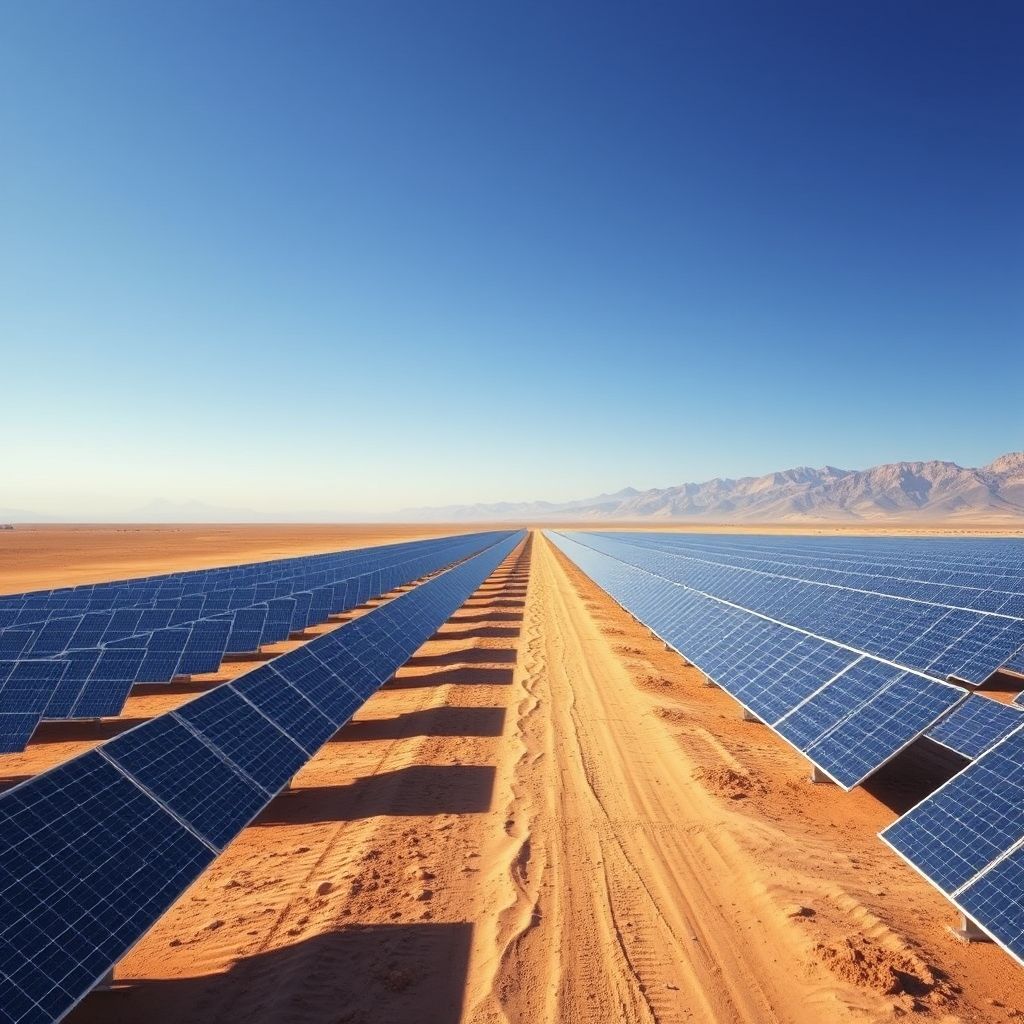
European Energy has signed 30-year agreements with traditional owners in Queensland, according to the company. The deals cover the Upper Calliope, Bullyard, and Tyrone solar and battery projects.
The agreements involve the Bailai, Gurang, Gooreng Gooreng, and Taribelang Bunda peoples. This report is attributed to RenewEconomy.
These long-term arrangements establish a framework for the development of the proposed renewable energy infrastructure in the region. The specific terms of the agreements were not detailed in the initial release.
Flagship project details
The Upper Calliope development stands out as Australia’s first gigawatt-scale solar project, with a capacity of 1.1 GWac. This scale distinguishes it from typical utility-scale installations, which generally operate in the hundreds of megawatts. The project’s size implies a substantial land footprint and generation output, positioning it as a major contributor to the state’s renewable energy mix. Alongside the solar array, the development includes a potential battery addition of 4.4 GWh. This storage component is critical for managing the intermittency of solar power, allowing energy to be dispatched when the sun is not shining. The combination of high-capacity generation and significant storage capacity addresses the grid stability challenges associated with large-scale renewable integration.
Securing offtake is a fundamental step in validating such large projects, and Upper Calliope has secured a 25-year power purchase agreement with Rio Tinto. This long-term contract provides a stable revenue stream, which is essential for financing the capital-intensive construction phase. For developers, locking in a buyer for decades mitigates market price volatility and de-risks the investment. The agreement underscores the industrial demand for reliable, low-carbon electricity, particularly from heavy industry. While the initial release did not detail the specific financial terms of this PPA, the duration and counterpart are indicative of the project’s commercial maturity. The synergy between the solar generation, the proposed battery storage, and the committed offtake creates a robust operational framework, setting a precedent for how future gigawatt-scale projects in the region may structure their commercial partnerships.
Secondary project structures
The Upper Calliope flagship is accompanied by two distinct projects with separate commercial and regulatory pathways:
- Bullyard is a 100 MW solar and battery project located near Bundaberg.
- Bullyard has secured a power purchase agreement with Amazon.
- Bullyard is also supported by an underwriting deal through the federal government’s Capacity Investment Scheme.
- Tyrone is a 400 MW project situated near Gladstone, currently in early development.
Bullyard’s dual commercial foundation combines a direct offtake contract with a government-backed mechanism. The power purchase agreement with Amazon provides a committed buyer for the facility’s output, while the underwriting deal via the Capacity Investment Scheme offers a revenue floor. This structure de-risks the investment by ensuring a baseline income regardless of market fluctuations, which is particularly relevant for projects integrating battery storage. The scheme typically guarantees a minimum price for capacity, stabilizing cash flows during the construction and early operational phases.
Tyrone, at 400 MW, represents a significant mid-scale addition to the portfolio. Its location near Gladstone places it in an industrial hub, though it remains in early development. Unlike Bullyard, no specific offtake partner or government underwriting arrangement has been detailed for Tyrone at this stage. The distinction between the two secondary projects highlights diverse financing strategies: Bullyard leverages both corporate offtake and federal support, while Tyrone’s commercial terms are yet to be finalized. This variation allows the developer to tailor risk mitigation approaches to the specific size and maturity of each site within the broader Queensland expansion.
Partnership context
These agreements were established with the Bailai, Gurang, Gooreng Gooreng, and Taribelang Bunda peoples, who are collectively represented by the FNBGGGTB Group. Acting as the official spokesperson for these traditional owner communities, the entity facilitates negotiations concerning land use and development. Utilizing a single representative body is intended to simplify communication channels between the developer and the diverse cultural groups impacted by the planned infrastructure.
Catriona McLeod, Managing Director of European Energy Australia, stressed that renewable energy development relies on sustained collaboration with the relevant communities and landholders. This comment underscores the operational need to preserve stable relationships throughout the multi-decade lifespan of such facilities, rather than viewing land rights as a single administrative task.
Matthew Cooke, CEO of FNBGGGTB, observed that the shift to renewables presents exciting prospects for First Nations people, enabling them to capitalize on these opportunities through partnership. This viewpoint positions the collaboration as a strategic economic engagement rather than a simple land lease. The reciprocal value of these arrangements was formally recognized when the Clean Energy Council granted the partnership its First Nations Engagement and Participation Award in 2025. This industry acknowledgment highlights the critical role of structured, respectful engagement in obtaining social license for major energy projects.
What to watch
The immediate milestone for the Upper Calliope development is the pursuit of financial close. European Energy states its aim is to reach this stage by the end of the current financial year. Achieving financial close is a critical procedural step that moves a project from the planning and contracting phase into active construction, signaling that debt and equity funding lines have been finalized. For a project of this scale, the timing of this closure influences the start date for major earthworks and equipment installation.
While the broader partnership framework and offtake agreements are established, the specific mechanics of the financial close remain the primary near-term focus. Until that point, the project remains in a preparatory state, with the land agreements and commercial contracts providing the foundation but not yet the final green light for full-scale capital expenditure. The end of the financial year serves as the concrete deadline against which this progress will be measured.
Source: RenewEconomy. This article is an original Luminity report based on the linked source.