
Acciona secures Australian transmission contracts for offshore wind and WA renewables
Spanish infrastructure firm Acciona has been awarded two major transmission projects in Australia to facilitate renewable energy integration. The contracts cover the Gippsland offshore wind connection in Victoria and the Clean Energy Link – East in Western Australia.
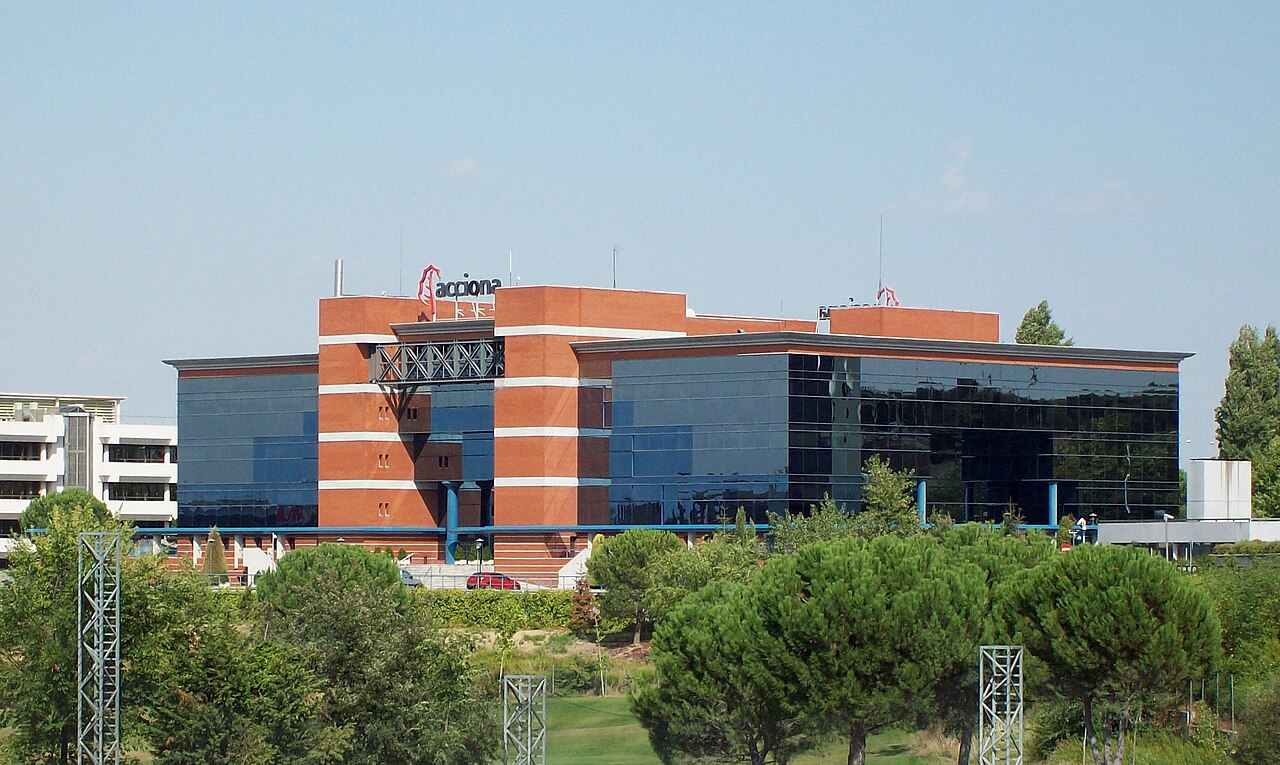
Acciona has secured contracts for two major Australian transmission projects, according to RenewEconomy. The first project involves connecting Gippsland offshore wind to Victoria’s grid. The second is the Clean Energy Link – East in Western Australia. These awards mark a significant expansion for the company in Australia’s renewable energy infrastructure sector.
Gippsland Offshore Connection
The Gippsland project will transmit 2 GW of offshore wind power to the Victorian grid, a capacity that aligns with the state’s target for offshore wind installation by 2032. This specific line is designed to handle the substantial output from planned wind farms, ensuring that the energy generated at sea reaches major load centers. By meeting the 2032 milestone, the infrastructure supports the broader trajectory toward the 4 GW target set for 2035, providing the necessary backbone for future expansions without requiring immediate reconstructions of high-voltage corridors.
The transmission line spans 60 km and utilizes 500 kV technology, a standard choice for long-distance bulk power transfer due to its efficiency in minimizing energy losses over distance. The route connects the Giffard substation to the Loy Yang Power Station, integrating new renewable output into an existing, high-capacity network node. This connection point is critical for balancing supply and demand within the state, as it allows for the direct injection of wind power into a region with significant historical generation capacity.
VicGrid initiated the tender process for this infrastructure in 2024, marking the start of a multi-year development cycle. The project is scheduled for completion in 2031, placing its operational start just ahead of the 2032 state target. This timeline suggests a coordinated effort between grid operators and developers to ensure that transmission assets are ready before the associated wind farms begin full-scale generation. For grid reliability, having the interconnection operational prior to the peak of new renewable capacity helps prevent congestion and ensures stable frequency management during periods of high wind output.
Western Australia Expansion
- Acciona, Genus Plus, and UGL Engineering secured the contract for the Clean Energy Link – East.
- The project unlocks 2.3 GW of renewable capacity in Western Australia.
- Infrastructure includes a 330kV terminal at Cordering.
- The build comprises 38 km of lines from Shotts to Cordering and 54 km from Muja to Cordering.
- The project supports up to 600 local jobs.
- The initiative aligns with Western Australia’s goal to exit state-owned coal by 2030.
The consortium’s award for the Clean Energy Link – East represents a pivotal step in Western Australia’s energy transition, directly enabling the integration of 2.3 GW of new renewable generation. This capacity is essential for replacing aging thermal assets as the state moves toward its 2030 target for exiting state-owned coal. By establishing robust high-voltage connections, the project reduces the barrier for wind and solar developers who need guaranteed grid access to secure financing. The specific routing, involving 38 km from Shotts and 54 km from Muja, converges at a new 330kV terminal in Cordering, creating a critical hub for bulk power evacuation.
For the region, the economic impact extends beyond electricity generation, with the project supporting up to 600 local jobs during construction and operation. Such employment figures are vital for communities dependent on traditional energy industries, offering a pathway for workforce transition. The 330kV voltage level is standard for regional bulk transmission, balancing efficiency and cost compared to higher 500kV systems often used for interstate links. This infrastructure allows the state to absorb variable renewable output while maintaining grid stability. As coal plants retire, these new interconnectors become the primary arteries for clean energy, ensuring that generation from remote sites reaches urban load centers reliably. The collaboration between Acciona, Genus Plus, and UGL Engineering highlights the complex, multi-disciplinary nature of modern transmission projects, requiring specialized engineering and local execution capabilities to meet strict regulatory and environmental standards.
Strategic Context
The awards for these transmission assets highlight a broader shift in how renewable energy projects are financed and built. For developers, securing grid connection is often the single most significant hurdle in project bankability. Lenders require certainty that generated power can physically reach the market before releasing capital. By contracting the necessary high-voltage infrastructure early, grid operators and EPC firms like Acciona help de-risk the entire supply chain. This structural readiness allows wind and solar developers to advance their own construction schedules with greater confidence, knowing the export pathway is secured.
Alistair Parker, representing the grid operator in Victoria, framed the Gippsland connection as an essential component of preparing the electricity network for future load. This perspective underscores the operational reality that renewable zones are often located far from urban centers, necessitating substantial new transmission capacity to bridge the geographic gap. Without these dedicated corridors, the potential output from offshore wind farms remains stranded, unable to contribute to state-level demand.
In Western Australia, Roger Cook emphasized that affordable, reliable, and lower carbon energy will power jobs. This statement links the technical infrastructure directly to economic outcomes, reinforcing the idea that grid modernization is not merely a utility upgrade but a foundational element for regional employment. As states move to retire older thermal assets, the availability of robust transmission infrastructure becomes the primary determinant for where new renewable capacity can be economically deployed, influencing both investor returns and consumer energy costs.
What to watch
With the construction contracts now signed, attention shifts to the physical execution of these multi-year builds. Readers should monitor the mobilization phases in both Gippsland and Western Australia, where securing specialized engineering labor and managing complex environmental approvals often present the earliest friction points. The success of these projects hinges on maintaining strict adherence to the agreed timelines, as any delay in completing the transmission lines could stall the associated renewable generation assets, leaving them unable to feed power into the grid when needed.
In Victoria, the interplay between the new offshore wind connections and the existing Loy Yang node will be critical to observe. Grid operators must ensure that frequency management remains stable as variable wind output increases, requiring precise coordination between the new infrastructure and legacy systems. Meanwhile, in Western Australia, the transition away from state-owned coal will depend heavily on whether the new Cordering terminal can handle the projected load without bottlenecks. Investors and developers will be watching for any regulatory adjustments or community consultations that might alter the project scope, as these factors directly influence the final cost and operational readiness of the network. The smooth integration of these assets will determine how effectively the states meet their broader decarbonization goals.
Source: RenewEconomy. This article is an original Luminity report based on the linked source.