
Snowy Hydro confirms imminent cost review for Snowy 2.0 amid Kurri Kurri gas concerns
Snowy Hydro’s chief operating officer states that a long-awaited cost review for the Snowy 2.0 project is imminent, with the current listed cost at $12 billion. Meanwhile, the company faces gas supply challenges at its new Kurri Kurri plant, which may rely on diesel during interruptions.
Snowy Hydro chief operating officer Maia Schweizer has confirmed that a review of Snowy 2.0’s costs is imminent, according to a report by RenewEconomy. The project’s current listed cost stands at $12 billion, a figure that has drawn scrutiny from industry observers.
Critics estimate the final cost will exceed $20 billion, highlighting a significant gap between the official budget and external projections. Schweizer’s announcement suggests the company is preparing to address these financial uncertainties directly. While the review is described as imminent, specific details regarding the scope or timeline of the assessment have not yet been disclosed. The move comes as stakeholders continue to debate the economic viability of the massive hydroelectric expansion.
Project Scope and Design
The Snowy 2.0 expansion is engineered with a long-term operational horizon, designed to remain functional for a 150-year lifespan. Such an extended design life is characteristic of major civil infrastructure projects, where initial capital expenditure is substantial but spread over decades of service. For investors and developers, this longevity influences how financing structures are arranged, as debt amortization schedules must align with the asset’s projected useful life. It also dictates maintenance planning, requiring robust strategies for component replacement and structural integrity checks well before the asset reaches its theoretical end-of-life. This durability is a key selling point for grid reliability, ensuring that the infrastructure can support energy demands across multiple generations of technology shifts and market changes.
Beyond its structural endurance, the project’s primary function is to provide significant grid stability. Snowy 2.0 is configured to deliver 160 hours of grid backup. In power systems, this metric refers to the duration for which the facility can operate at full capacity using stored energy without additional input. This level of storage capacity is particularly relevant for managing intermittent renewable generation, allowing the grid to balance supply and demand during periods of low wind or solar output. For consumers, this translates to enhanced reliability, reducing the risk of blackouts during peak demand periods or extreme weather events.
The project’s projected completion date is set for the end of 2028. This timeline places the operational start of the expanded capacity in a period when the Australian grid is expected to be heavily reliant on renewable sources. The timing suggests that the additional storage capacity will be available to support the transition away from fossil fuels, providing a critical buffer for system operators. As the grid evolves, such long-duration storage assets become increasingly vital for maintaining frequency stability and ensuring that the electrical network can handle the variability associated with high renewable penetration. The 2028 milestone marks the point at which this infrastructure is expected to begin contributing to the broader energy mix, addressing current gaps in long-term energy storage solutions.
Kurri Kurri Operational Risks
- Snowy Hydro is commissioning a 660-megawatt gas plant in the Hunter region.
- The Kurri Kurri facility may utilize diesel fuel if gas supply is interrupted.
- Chief Operating Officer Maia Schweizer identifies gas availability as a real challenge for thermal assets.
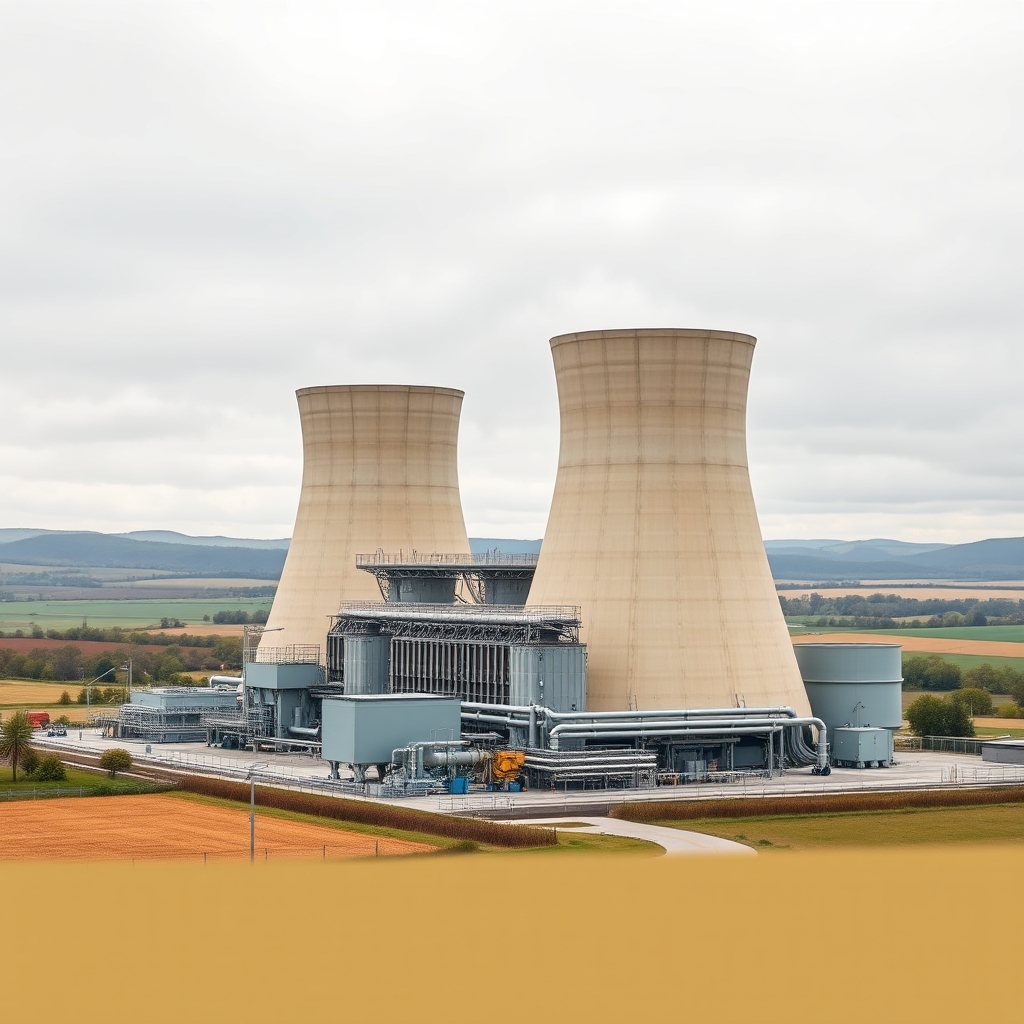
The upcoming cost review for the hydro expansion occurs alongside the operational launch of the company’s new thermal capacity in New South Wales. This 660-megawatt facility in the Hunter represents a distinct asset class from the pumped hydro project, introducing specific fuel supply dynamics into Snowy Hydro’s portfolio. While the hydro project relies on water storage, the Kurri Kurri plant depends on the continuous delivery of natural gas to meet its output targets. The potential shift to diesel during gas interruptions highlights a critical vulnerability in thermal generation. Diesel is typically a more expensive fuel with a higher carbon intensity than natural gas, meaning any forced substitution would likely increase operating costs and environmental impact.
Schweizer’s characterization of gas availability as a "real challenge" underscores the broader industry tension between renewable integration and thermal backup. Thermal plants are often retained or built to provide firm capacity when renewable output is low. However, their reliability is contingent on fuel logistics. For developers, this creates a dual risk profile: the capital-intensive hydro project faces cost uncertainty, while the gas plant faces supply chain volatility. Investors must now consider how these two assets interact. If gas supply issues lead to increased diesel usage, the overall economics of Snowy Hydro’s fleet could be affected, potentially influencing the outcomes of the imminent cost review. The interplay between fuel availability and asset utilization is becoming a central concern for grid operators and stakeholders alike.
Market Context
The timing of Snowy Hydro’s financial reassessment coincides with a period of heightened sensitivity regarding grid resilience in Australia. A pivotal moment in recent memory was the 2022 national electricity market crisis, an event triggered by a rare confluence of low coal, wind, and solar output. That episode served as a stark reminder of the systemic vulnerabilities inherent in a transitioning power mix. When multiple generation sources simultaneously underperform, the grid faces acute pressure to maintain frequency and voltage stability, often leading to price spikes and operational emergencies.
Such disruptions highlight why long-duration storage and firm capacity are viewed as essential components of a reliable electricity system. In general market terms, the value of these assets is not just measured by their output during normal conditions, but by their ability to provide certainty during extreme weather events or resource shortages. For developers, this context underscores the economic rationale behind investing in infrastructure that can bridge gaps when renewable generation is unavailable. The 2022 crisis demonstrated that reliance on a narrow mix of fuels or resources can leave the system exposed to correlated failures. Consequently, stakeholders are increasingly focused on diversifying the portfolio of dispatchable assets available to network operators.
This backdrop explains the intense scrutiny surrounding the cost of new large-scale projects. Investors and policymakers are weighing the upfront capital requirements against the long-term benefits of enhanced grid security. The memory of the 2022 shortage reinforces the argument that without adequate backup and storage, the transition to a low-carbon grid may face significant operational hurdles. As such, the ongoing review of the hydro expansion is not merely an internal financial exercise, but a response to the broader market demand for proven, reliable infrastructure that can withstand the volatility of modern energy supply.
What to watch
Readers should closely monitor the outcome of the imminent cost review, as this financial reassessment will determine whether the expanded hydro capacity proceeds as planned. The final figures will reveal how much of the projected capital burden is absorbed by the operator versus passed on to stakeholders, a critical factor for long-term project viability. Simultaneously, the operational performance of the new Hunter region thermal asset will be a key indicator of broader fuel supply stability. Specifically, any instances of diesel substitution during gas interruptions will provide real-world data on the reliability of the regional gas network. Such events would highlight the logistical vulnerabilities inherent in thermal backup assets.
For investors and grid operators, the interaction between these two distinct asset classes offers a practical view of portfolio resilience. If the gas plant faces frequent supply constraints, the strategic value of the hydro project’s firm capacity may be reassessed. Stakeholders should also track regulatory responses to these operational challenges, as policy adjustments often follow periods of high market volatility. The coming months will likely see intensified scrutiny on how dispatchable resources are integrated into the national grid. Ultimately, the clarity provided by the cost review and the operational track record of the thermal plant will shape future investment decisions in long-duration storage and firm generation. These developments will be essential for understanding how the energy mix adapts to increasing renewable penetration.
Source: RenewEconomy. This article is an original Luminity report based on the linked source.