
Gas Kitchens Expose Chefs to Pollution 10x Above Safety Limits
A new study finds that commercial gas kitchens produce air pollution levels up to ten times higher than safety guidelines. Researchers also documented extreme heat exposure in many gas-fueled workspaces compared to electric counterparts.
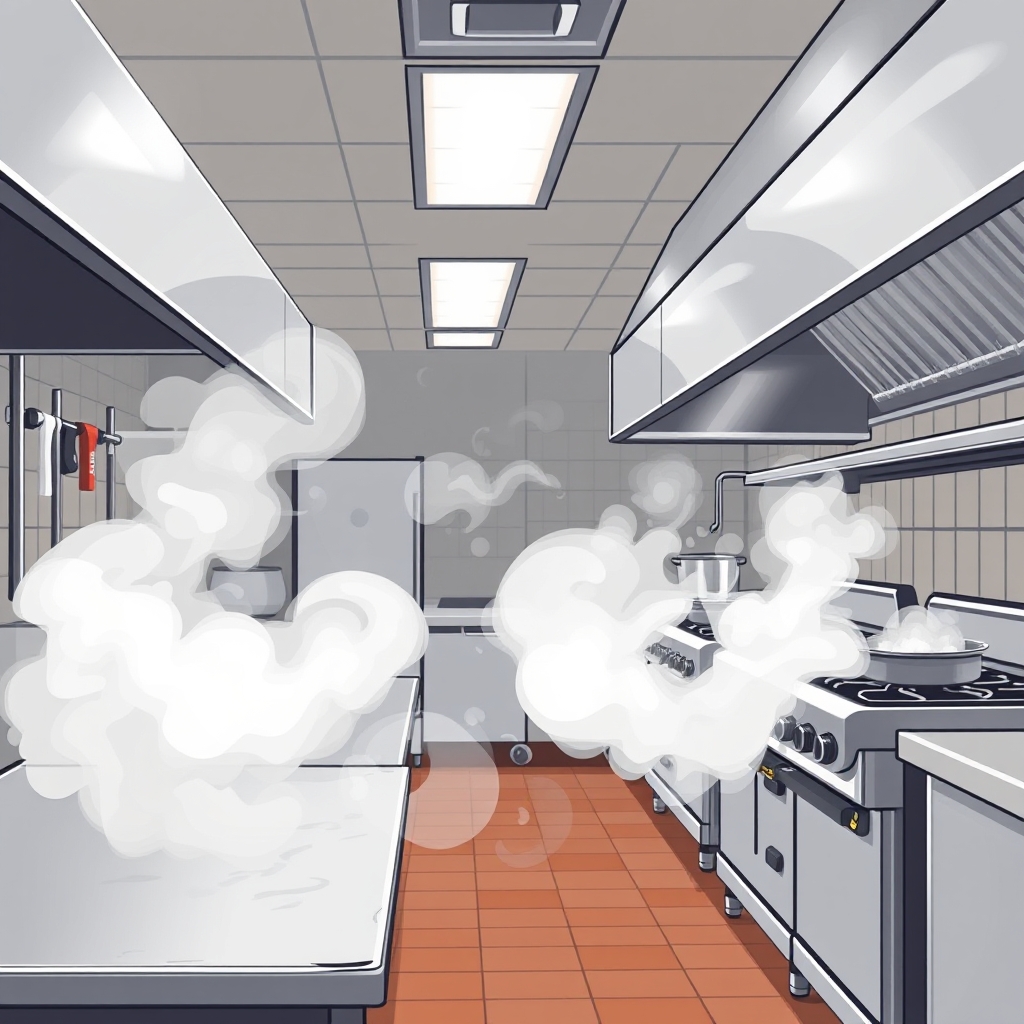
A recent investigation led by Yannai Kashtan of PSE Healthy Energy has revealed significant health risks in commercial food preparation areas. The study compared three electric kitchens against 24 gas-using facilities, according to the research team. Results indicate that gas kitchens generated air pollution levels up to ten times higher than established safety guidelines, posing a direct threat to staff health.
Pollutant Levels
Researchers monitored six distinct air quality metrics throughout the trial period to capture a comprehensive profile of indoor air quality in professional settings. The panel tracked nitrogen dioxide (NO2), carbon monoxide (CO), carbon dioxide (CO2), methane (CH4), benzene, and ambient temperature. These parameters offer a detailed snapshot of combustion byproducts, which often accumulate in enclosed commercial spaces where ventilation systems struggle to keep pace with high-volume cooking. Understanding this mix is essential for assessing the cumulative physiological strain on kitchen staff who spend shifts in these environments.
The data revealed stark disparities between the fuel sources. Nitrogen dioxide, a primary byproduct of gas combustion, spiked to maximum levels of 1000 PPBV in the gas-equipped facilities. This concentration sits ten times above the hourly safety threshold established by both the U.S. Environmental Protection Agency and the World Health Organization, which set the limit at 100 PPBV. Such exceedances are not isolated incidents; they represent a systemic issue in how gas appliances interact with indoor air quality standards.
The following table compares the observed maximums against regulatory benchmarks:
| Pollutant | Observed Maximum (Gas Kitchens) | Regulatory Hourly Limit |
|---|---|---|
| Nitrogen Dioxide | 1000 PPBV | 100 PPBV |
These figures underscore a critical gap between operational reality and health guidelines. Seventeen of the 24 gas kitchens surveyed exceeded the nitrogen dioxide limits at some point during the study. For facility managers and health officials, this pattern suggests that standard ventilation practices may be insufficient to dilute peak emissions during busy service hours. The consistent breach of established safety margins highlights the need for more rigorous monitoring protocols in commercial food service environments.
Thermal Environment
Gas cooking does more than degrade air quality; it fundamentally alters the physical working conditions of professional kitchens. The study’s temperature data highlights a severe thermal burden that standard ventilation often fails to mitigate effectively.
- 13 of the 19 gas kitchens monitored exceeded the 32°C workplace temperature recommendation.
- 10 gas kitchens recorded ambient temperatures surpassing 38°C.
- 4 gas kitchens reached extreme levels, with temperatures climbing above 50°C.
These figures illustrate how combustion heat compounds the thermal load already generated by ovens and fryers. In commercial settings, maintaining a comfortable and safe working environment typically requires robust mechanical cooling to offset heat generated by equipment and staff. When gas appliances are introduced, the sensible heat output increases significantly, forcing air conditioning systems to work harder to maintain baseline temperatures. For facility operators, this translates into higher energy costs and increased strain on HVAC infrastructure. More importantly, prolonged exposure to high ambient temperatures can lead to worker fatigue, reduced concentration, and an increased risk of heat-related illnesses.
The disparity in thermal exposure is not merely a comfort issue but a safety concern. When indoor temperatures consistently exceed recommended limits, the physiological stress on kitchen staff intensifies. This thermal stress can compound the effects of air pollutants, as the body’s natural cooling mechanisms—such as sweating and increased blood flow to the skin—may be compromised in hot, humid environments. For developers and building managers, this underscores the importance of integrating thermal management into kitchen design. Simply installing high-capacity exhaust hoods may not be enough to control the radiant and convective heat radiating from gas burners. Effective mitigation often requires a holistic approach that includes improved insulation, strategic placement of cooling units, and potentially a shift toward lower-heat emission technologies to ensure staff safety and operational efficiency.
Electric Comparison
The electric kitchens in the study provided a distinct contrast to their gas-powered counterparts, demonstrating consistently lower concentrations of air pollutants and peak temperatures. This difference highlights a fundamental operational divergence in commercial food service. While gas appliances introduce combustion byproducts directly into the indoor environment, electric cooking relies on electric resistance or induction heating, which does not generate nitrogen dioxide, carbon monoxide, or benzene. For facility managers, this distinction is significant because it removes the need for complex ventilation systems designed to capture and exhaust toxic combustion gases, potentially simplifying kitchen design and reducing maintenance costs for air handling units.
The geographic spread of the investigation further contextualizes these findings. The monitored locations included California, Pennsylvania, and New York, representing a cross-section of regulatory environments and climate zones across the United States. This variety is important for understanding how indoor air quality standards are met in different regions. Typically, building codes and health regulations vary by state, with some jurisdictions imposing stricter limits on indoor pollutants or mandating specific ventilation rates. By comparing facilities in these three states, the research offers insights into how local infrastructure and compliance requirements might influence the baseline air quality in professional kitchens.
For investors and developers, the consistent performance of electric systems suggests a more predictable operational profile. Gas kitchens often require aggressive mitigation strategies to bring pollutant levels within safe ranges, which can involve increased energy consumption for ventilation and cooling. In contrast, the lower thermal and chemical load of electric cooking may reduce the strain on building systems. This efficiency can translate into lower long-term operating expenses and improved worker comfort, factors that are increasingly important as labor standards tighten and employees demand safer working conditions. The data suggests that choosing electric equipment can mitigate health risks without relying solely on engineering controls to manage emissions.
What to watch
As the industry digests these results, attention will turn to how regulatory bodies respond to the documented 170 cumulative hours of exposure recorded in gas kitchens. While the data provides a clear baseline for risk assessment, the immediate challenge lies in translating these findings into enforceable standards. Typically, updates to occupational health guidelines follow a gradual process involving stakeholder consultation, legal review, and phased implementation. For restaurant owners and facility managers, this transition period creates a window of uncertainty regarding compliance obligations. Investors should monitor local health departments for any new mandates on real-time air quality monitoring or mandatory ventilation upgrades, as these requirements can significantly alter capital expenditure projections for existing properties.
The publication of these findings in the Environmental Research journal adds a layer of scientific credibility that may accelerate advocacy efforts. However, peer-reviewed status does not automatically trigger policy changes. Instead, it provides a robust evidentiary foundation for labor unions and public health officials to demand stricter enforcement of existing workplace safety laws. Readers should look for subsequent studies that expand the sample size beyond the initial survey, particularly in regions with different climatic conditions or building codes. The market response from equipment manufacturers will be telling. Watch for increased investment in advanced filtration technologies or hybrid cooking systems that aim to reconcile the flavor preferences of chefs with the health imperatives highlighted by this research. Ultimately, the pace at which electric adoption scales will depend on whether economic incentives align with the demonstrated health benefits, making ongoing policy developments the most critical variable for stakeholders to track in the coming months.
Source: RenewEconomy. This article is an original Luminity report based on the linked source.