
CEA develops nitric-acid-free process recovering 98% of silver from solar waste
Researchers at the French energy agency CEA have demonstrated a laboratory-scale method that recovers over 98% of silver from photovoltaic waste without using nitric acid. The process, validated in a pilot reactor, produces a high-purity silver composite and is funded by the EU’s Horizon Europe program.
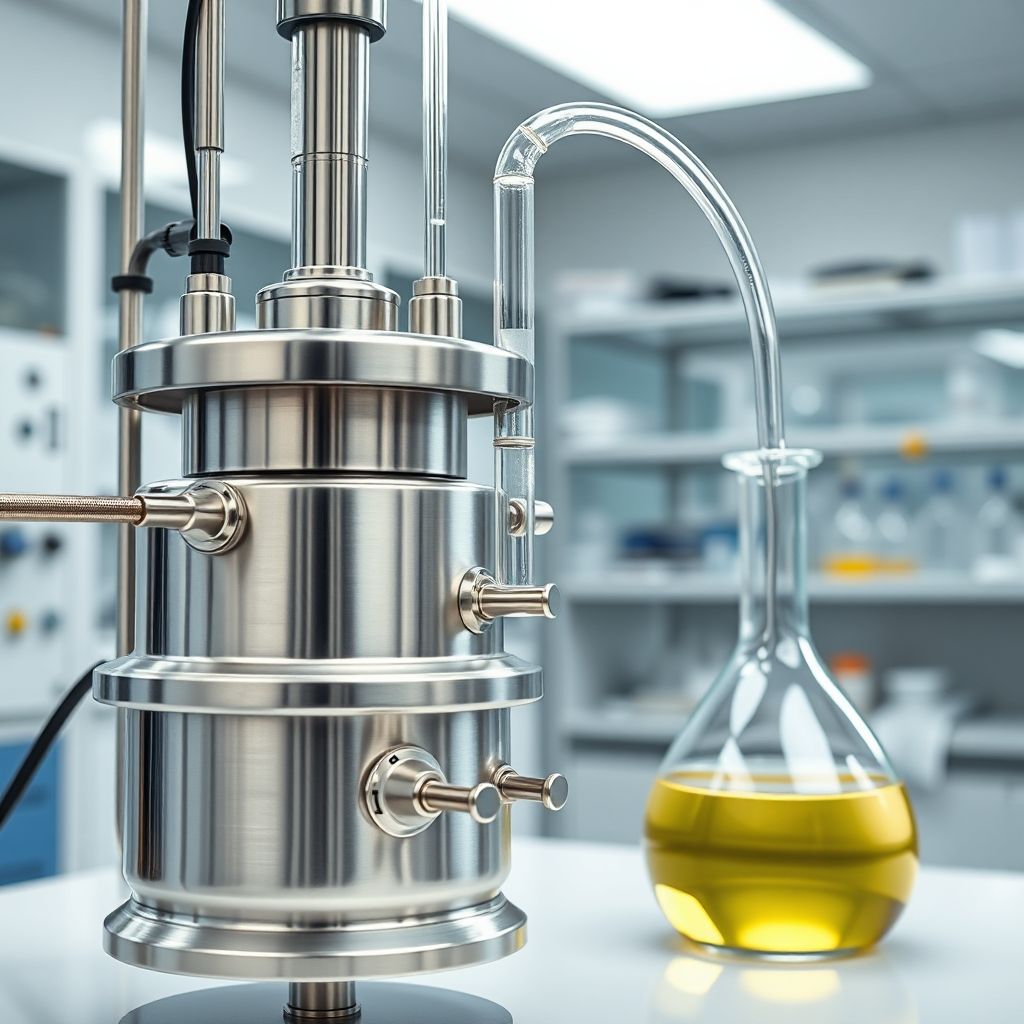
CEA researchers have developed a nitric-acid-free process for recovering silver from solar waste, according to pv magazine. The company says the method recovers over 98% of silver at laboratory scale. These findings were published in the journal Hydrometallurgy. The report notes that this development offers an alternative to traditional acid-based leaching, which is often used in metal recovery from photovoltaic modules. By avoiding nitric acid, the process aims to reduce hazardous chemical usage in recycling operations. The laboratory-scale results suggest potential for more environmentally friendly silver extraction, though further validation will be needed to confirm performance at larger scales.
Chemical Process
The new workflow begins with a rapid leaching stage designed to strip base metals from photovoltaic waste. The procedure employs a solution of 3 M hydrochloric acid mixed with 10% hydrogen peroxide, heated to 80 C. Under these specific conditions, the chemical reaction proceeds quickly, completing the stripping process in under ten minutes. This speed distinguishes the method from slower conventional approaches, potentially allowing for higher throughput in future industrial applications.
During this brief exposure, the solution effectively dissolves over 98% of the aluminum, copper, lead, and zinc present in the material. These base metals are common components in module frames and electrical interconnects, and their efficient removal is a prerequisite for isolating precious metals. By targeting these elements with such high efficiency, the process minimizes the bulk of the waste stream early on.
A critical aspect of this stage is the preservation of silver, which is the primary target for recovery. The leaching step limits silver loss to just 1.7%, ensuring that the vast majority of the valuable metal remains in the residue for subsequent extraction. This low loss rate is significant because it maximizes the yield available for the next phase of processing. Maintaining such high selectivity for base metals while protecting silver aligns with the goal of creating a robust, closed-loop recycling system.
Purity and Validation
- Validated in a 20-liter pilot reactor
- Produces a silver and silver chloride composite with 97.2% purity
- Density-based separation leaves residual impurities below 0.5% by weight
The research team confirmed the process’s viability beyond the laboratory by testing it in a 20-liter pilot reactor. This intermediate scale is a critical benchmark in materials processing, as it helps identify fluid dynamics and heat transfer issues that often only become apparent when moving from beakers to larger vessels. Successfully navigating this stage reduces technical risk for potential commercial adopters, who need assurance that the chemistry remains stable under conditions closer to industrial reality.
The output of this validation is a composite material consisting of silver and silver chloride, achieving a purity of 97.2%. Such a high concentration is valuable because it minimizes the need for extensive downstream refining, which typically consumes significant energy and additional chemicals. In the broader context of precious metal recovery, achieving this level of purity at the pilot stage suggests the method can produce feedstock that is easily integrated into existing smelting or refining infrastructure.
To reach this purity, the process utilizes density-based separation to remove unwanted particulates. This physical separation technique effectively lowers residual impurities to below 0.5% by weight. By relying on physical properties rather than additional chemical leaching for the final cleaning step, the method maintains its nitric-acid-free profile. This approach not only simplifies the waste stream but also reduces the environmental footprint associated with neutralizing acidic effluents, a common concern in traditional hydrometallurgical operations.
Economic and Project Context
The feedstock for this process is metal-rich powder derived from sanded, delaminated modules. This specific preparation step is essential because it exposes the internal metallization layers, which are otherwise protected by encapsulants and glass. By converting bulky, intact panels into a uniform, high-concentration powder, the recycling operation can maximize the yield of recoverable metals per unit of processed material. This preprocessing aligns the waste stream with the chemical requirements of the new workflow, ensuring that the leaching agents contact the target metals efficiently.
From a financial perspective, silver represents 60% of the total economic value within a standard photovoltaic module. This high proportion makes silver recovery the primary driver for the profitability of solar recycling ventures. When precious metals constitute the majority of a module’s residual value, the economics of recycling hinge heavily on the efficiency and cost of extraction techniques. A process that reliably captures this high-value component can significantly improve the return on investment for recycling facilities, transforming what was previously a logistical challenge into a viable revenue stream.
The development of this nitric-acid-free method is supported by funding from the European Union’s Horizon Europe EVERPV project. Such public backing often signals strategic importance at the policy level, aiming to secure domestic supply chains for critical raw materials. By reducing reliance on virgin silver mining, these initiatives help stabilize prices and ensure long-term availability for the growing solar industry.
| Metric | Value |
|---|---|
| Silver share of module value | 60% |
| Funding source | Horizon Europe EVERPV |
The table above highlights the economic weight of silver and the institutional support behind the research. Because silver dominates the value proposition of discarded panels, improving its recovery rate directly impacts the bottom line of recycling businesses. The involvement of a major EU research program further underscores the sector-wide focus on establishing robust, circular supply chains for photovoltaic components.
What to watch
The immediate next milestone involves scaling the chemistry from the pilot reactor to a full-scale commercial facility. Moving from a twenty-liter vessel to industrial volumes introduces new variables in heat management and material flow that can alter reaction kinetics. Investors and facility operators will scrutinize whether the selectivity for base metals holds steady under continuous operation, as any increase in silver loss during leaching directly erodes the economic viability of the plant.
Regulatory acceptance is another critical area to monitor. Since the process avoids nitric acid, it may face fewer permitting hurdles related to hazardous waste handling compared to traditional hydrometallurgical methods. However, local environmental agencies will still require proof that the residual impurities are managed safely. Developers should look for case studies demonstrating how such non-acidic streams integrate with existing municipal or industrial wastewater treatment systems without causing secondary pollution.
Finally, the transition to commercial deployment depends on securing a consistent supply of pre-processed module powder. The value of this technology hinges on reliable feedstock preparation, meaning partnerships with upstream dismantling operations will be essential. Readers should track whether the project team establishes long-term contracts for delamination services, as the stability of the input material affects the consistency of the final silver composite.
Source: pv magazine. This article is an original Luminity report based on the linked source.