
GERC Notifies 2026 Grid Code with 15-Minute Scheduling and Harmonic Limits
The Gujarat Electricity Regulatory Commission has notified a new grid code replacing the 2013 framework, introducing 15-minute scheduling blocks for the state’s intra-state power system. The rules mandate specific harmonic limits and reactive power support for renewable and storage facilities connected at 33 kV and above.
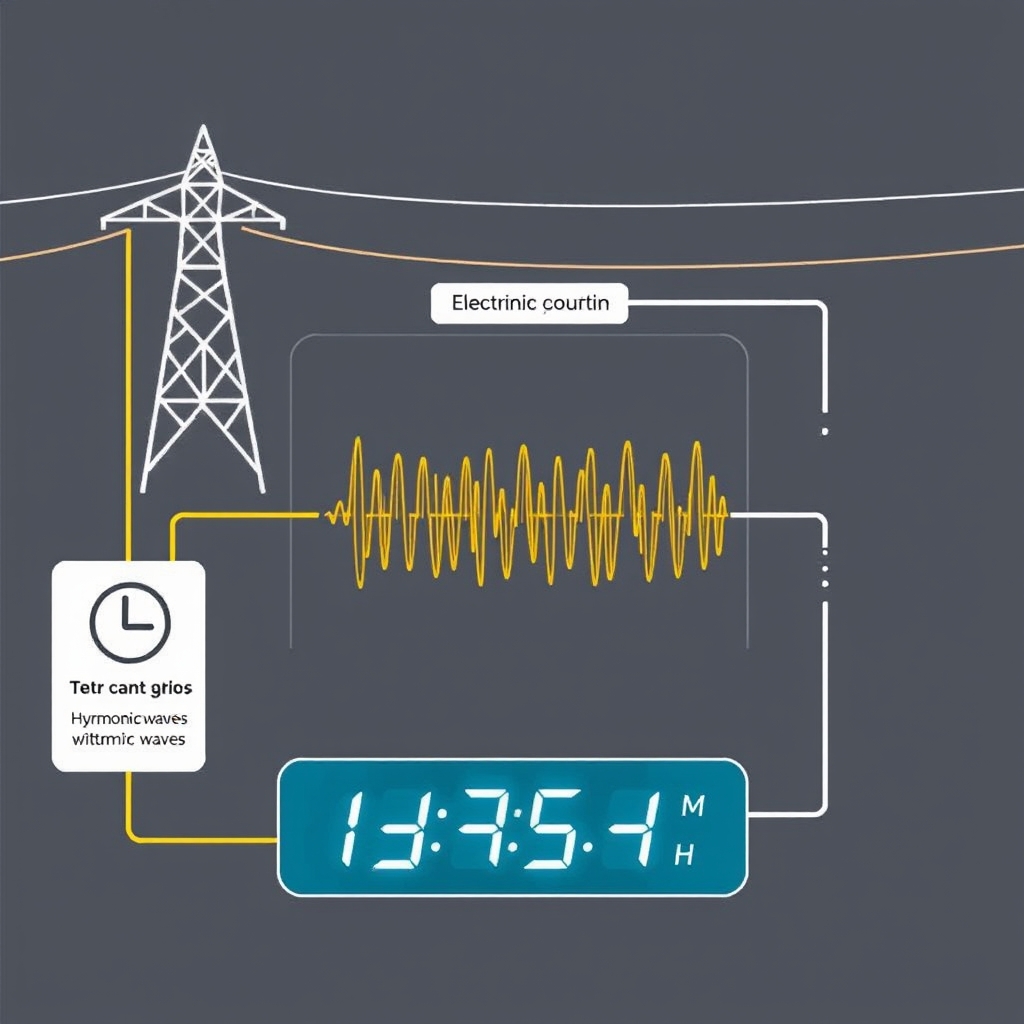
The Gujarat Electricity Regulatory Commission has notified the Gujarat Electricity Grid Code, 2026. This new regulation replaces the previous 2013 framework. It applies to entities operating within Gujarat’s intra-state power system. The update marks a formal shift in the state’s grid governance structure. By superseding the older code, the commission aims to align current operational standards with evolving grid requirements. The 2026 code sets the regulatory baseline for all relevant stakeholders in the region. This notification ensures that grid operations in Gujarat adhere to the latest technical and procedural norms. The transition from the 2013 framework signifies a comprehensive review of existing rules. Entities in the intra-state system must now comply with these updated provisions. The move reflects the commission’s effort to maintain grid stability and efficiency. This regulatory update is a standard procedural step in the power sector. It establishes the legal and technical parameters for future grid management in Gujarat.
Scheduling and Operational Thresholds
The 2026 Grid Code introduces a 15-minute time block structure for the scheduling and despatch framework. This granular approach allows for more precise alignment between generation output and demand fluctuations, which is increasingly necessary as intermittent renewable sources integrate into the grid. By breaking down the day into shorter intervals, the system can respond more dynamically to changes in load or generation availability, reducing the need for large-scale corrective actions later in the day. This shift supports a more stable and efficient intra-state power system.
Alongside these scheduling changes, the code establishes a general installed-capacity threshold of 5 MW for specified sellers and generators. This benchmark helps categorize market participants and determines their specific compliance obligations. For smaller generators, this threshold may simplify reporting requirements, while larger plants face more detailed scrutiny. Clear capacity definitions ensure that the regulatory framework applies consistently across different types of power producers, creating a level playing field for market participants.
Thermal power plants must now maintain a minimum operating level set at 55% of their maximum continuous rating. This requirement ensures that thermal units remain available to provide necessary grid support, particularly during periods of high demand or when renewable output drops. Maintaining this baseline helps preserve system inertia and frequency stability, which are critical for preventing blackouts. The System Load Dispatch Centre (SLDC) retains responsibility for scheduling, despatch, and real-time grid monitoring, ensuring that these operational thresholds are enforced consistently across the Gujarat grid.
Power Quality and Harmonic Standards
The 2026 Grid Code introduces specific technical mandates for renewable energy and storage facilities connected at 33 kV or higher voltage levels. These assets must now actively provide reactive power support to maintain voltage stability across the network. The code defines a strict operating window for the power factor, requiring it to remain between 0.95 lagging and 0.95 leading. This bidirectional capability ensures that plants can both absorb and supply reactive power as grid conditions demand, preventing voltage sags or swells that could disrupt local loads.
Beyond reactive power, the regulation sets precise limits on harmonic distortion to protect sensitive equipment and ensure signal integrity. The table below summarizes the key thresholds established in the notification.
| Parameter | Limit |
|---|---|
| Voltage Total Harmonic Distortion | 5% |
| Individual Harmonic Level | 3% |
| Current Total Harmonic Distortion | 8% |
These figures establish the maximum allowable deviation from a pure sine wave for both voltage and current signals. Harmonics, which are unwanted frequencies generated by electronic inverters and other non-linear loads, can cause overheating in transformers and neutral conductors if left unchecked. By capping the total voltage distortion at 5% and individual harmonics at 3%, the code aims to keep the grid waveform clean. The current limit of 8% provides a slightly higher tolerance for the actual flow of electricity, acknowledging that current harmonics are often more variable than voltage distorts. To verify compliance, facilities must conduct harmonic measurements every six months. This regular testing cadence allows grid operators to identify emerging issues before they escalate into widespread power quality problems, ensuring that new renewable connections do not degrade the reliability of the existing infrastructure.
Compliance and Security
- Grid users are required to adhere to the cybersecurity guidelines issued by the Central Electricity Authority.
This mandate integrates digital security protocols directly into the operational framework of the Gujarat power system. By aligning state-level compliance with national standards, the code ensures that critical grid infrastructure is protected against cyber threats. Adhering to these guidelines helps safeguard the integrity of grid control systems, which are increasingly digitalized and interconnected.
For grid operators and asset owners, this requirement underscores the growing importance of cybersecurity in power sector regulations. As grid management becomes more reliant on digital communication and automated controls, robust security measures are essential to prevent potential disruptions. Compliance with the Central Electricity Authority’s guidelines ensures a consistent security posture across different types of grid users, reducing vulnerabilities that could arise from fragmented security practices. This approach supports overall grid resilience by minimizing the risk of cyber incidents affecting power supply reliability.
What to watch
Attention will turn to how grid operators translate the new 15-minute scheduling blocks into real-time dispatch decisions. The success of this granular framework depends on whether generation assets can rapidly adjust output to match these shorter intervals without incurring significant operational penalties. For market participants, the key question is whether current control systems possess the necessary agility to respond to such frequent adjustments, or if significant upgrades to automation and communication infrastructure are required to meet the new tempo.
Simultaneously, the implementation of the 55% minimum operating level for thermal plants will be a critical area of scrutiny. Stakeholders will observe how this baseline affects the flexibility of the fleet during periods of high renewable penetration. If thermal units must remain partially loaded regardless of demand, the economic and environmental implications for the state’s power mix will become apparent in subsequent performance reports.
The six-month harmonic measurement cycle also introduces a new layer of ongoing compliance. Facility owners will need to establish robust internal testing protocols to ensure they remain within the specified voltage and current distortion limits. Early data from these initial testing rounds will reveal whether existing inverter technologies meet the new standards or if widespread hardware modifications are necessary. The integration of cybersecurity guidelines from the Central Electricity Authority will require close monitoring. As grid systems become more digitized, the effectiveness of these security protocols in preventing disruptions will be a defining factor in the long-term reliability of the Gujarat power network.
Source: Saur Energy. This article is an original Luminity report based on the linked source.