
NSW Gas Tender Excludes Batteries, Targets 1.5GW for 2033 Reliability
The NSW government has announced a firming tender seeking 1.5GW of new gas capacity to address projected reliability shortfalls in 2033/34. The process explicitly excludes standalone batteries and pumped hydro, requiring generators to sustain energy supply for at least eight hours.
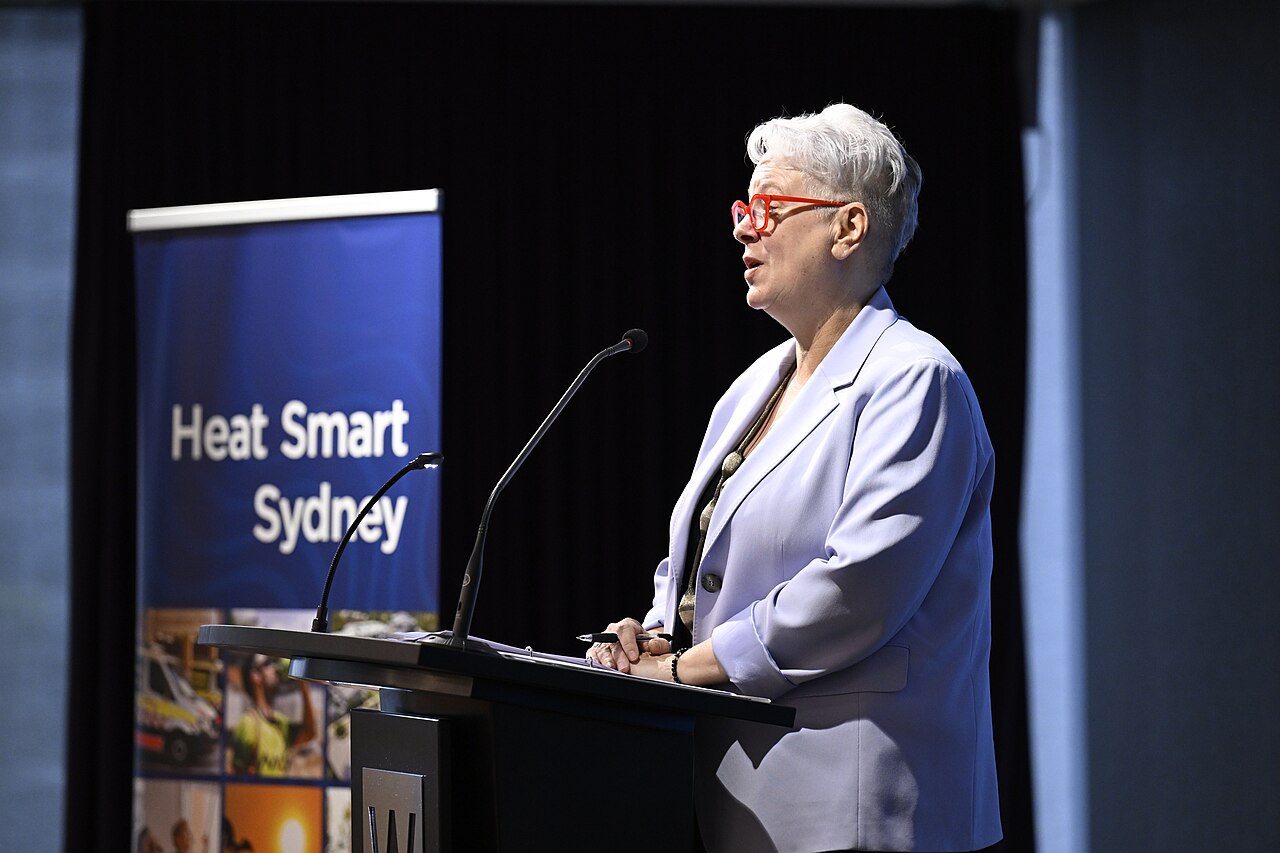
The NSW Labor government announced a new firming tender for gas-fired power plants on Tuesday, with Energy Minister Penny Sharpe confirming the initiative. The process is designed to secure 1.5 gigawatts of new capacity to bolster the state's grid.
A defining feature of this tender is the explicit exclusion of standalone batteries and pumped hydro storage. This decision narrows the field of eligible technologies significantly, focusing exclusively on generation assets that can provide continuous energy output rather than just short-duration frequency response.
Operational Requirements
The tender specifications impose strict technical hurdles that distinguish this procurement from standard capacity auctions. Bidders must demonstrate that their facilities function as "net energy" providers, a designation that fundamentally shifts the focus from mere availability to sustained output. In typical grid planning, this term implies that the asset contributes positive energy to the system over a defined period, rather than simply absorbing or releasing charge in short bursts. For gas-fired plants, this requirement aligns with their inherent design, which allows for continuous fuel combustion to generate electricity over extended durations.
A critical constraint is the mandate to maintain energy supply for at least eight hours. This duration threshold effectively filters out technologies that excel in rapid response but lack the storage capacity or fuel reserves to sustain load for long stretches. While batteries are highly effective for managing frequency fluctuations across minutes, they generally struggle to meet multi-hour energy delivery targets without massive, cost-prohibitive scale. By setting this floor, the tender prioritizes assets that can bridge significant gaps in renewable generation, such as prolonged low-wind or low-solar events.
The framework explicitly notes that gas-fired power stations will operate only occasionally. This operational profile suggests a baseload or peaking role rather than constant dispatch. In most market structures, such intermittent operation means these plants are called upon during specific stress periods to ensure reliability. For investors, this implies revenue streams tied to scarcity pricing or capacity payments during rare events, rather than steady energy sales. The combination of net energy provision, eight-hour endurance, and occasional operation creates a niche tailored for heavy-duty thermal generation, ensuring the grid retains deep, long-duration reserves that shorter-duration technologies cannot replicate.
Market Context and Forecasts
The tender responds to specific concerns about future grid stability, targeting reliability shortfalls projected for the 2033/34 financial year. The government cites forecasts from the Australian Energy Market Operator (AEMO) to justify the need for additional firming capacity during this period. These projections highlight a potential gap between expected renewable energy output and consumer demand, particularly during extended weather events that reduce solar and wind generation. By securing new assets now, regulators aim to prevent price spikes and blackouts that often accompany such reliability deficits in electricity markets.
Currently, NSW gas capacity stands at approximately 2.5 gigawatts. The addition of 1.5 gigawatts through this tender would substantially expand the state’s thermal fleet. However, the long-term trajectory for gas-fired power indicates a declining share of total electricity generation. Industry forecasts suggest that gas will provide only 3.9% of NSW electricity by 2050. This reduction reflects the broader transition toward renewable energy sources and the increasing penetration of battery storage for frequency control.
| Metric | Value/Projection |
|---|---|
| Current NSW Gas Capacity | ~2.5 GW |
| Projected Gas Share by 2050 | 3.9% |
| Target Reliability Year | 2033/34 |
These figures illustrate a transitional phase in the energy mix. While gas capacity is set to grow in absolute terms due to the new tender, its relative importance will diminish as renewable technologies scale up. For market participants, this implies that gas plants will serve a critical but increasingly specialized role, bridging the gap during the initial stages of a low-carbon transition before renewable generation and long-duration storage eventually dominate the supply stack. The 2033/34 horizon marks a key milestone where the grid must balance existing gas assets with emerging renewable capacity to maintain reliability standards.
Governance and Rationale
- The tender is administered by the independent NSW Consumer Trustee, ASL.
- NSW Energy Minister Penny Sharpe announced the initiative on Tuesday.
- Minister Sharpe stated, "Gas peakers will have an important role to play in keeping the lights on."
The decision to place this procurement under the stewardship of the NSW Consumer Trustee, ASL, signals a deliberate move to insulate the process from partisan political influence. As an independent body, ASL is tasked with acting in the long-term interest of consumers, ensuring that procurement decisions prioritize cost-effectiveness and reliability over short-term political objectives. For developers and investors, this governance structure typically implies a more rigorous, evidence-based evaluation of bids, where technical merit and financial viability are weighed heavily against political convenience. It provides a layer of institutional credibility that can enhance market confidence in the tender’s outcomes, particularly when dealing with complex, long-term infrastructure commitments.
Minister Penny Sharpe’s announcement on Tuesday underscores the government’s strategic rationale for retaining gas-fired assets in the energy mix. Her comment that "gas peakers will have an important role to play in keeping the lights on" reflects a broader policy consensus on the necessity of dispatchable capacity during the energy transition. In most grid systems, peaker plants serve as a critical safety net, deploying quickly to meet sudden surges in demand or to compensate for the variability of renewable sources. By explicitly endorsing this role, the government acknowledges that while renewable energy is the long-term goal, the immediate need for grid stability requires reliable, on-demand power sources. This rationale positions gas not as a permanent solution, but as an essential bridge technology that ensures uninterrupted service while the grid evolves.
What to watch
The immediate horizon for this procurement is set for 2027, when the tender is scheduled to launch. This timeline is critical for developers and investors, as it defines the window for finalizing project feasibility studies, securing fuel supply agreements, and arranging financing. In large-scale energy procurements, the lead time between announcement and launch allows market participants to align capital strategies with specific technical requirements. For this tender, that means confirming that proposed assets can meet the stringent eight-hour endurance and net energy provision criteria detailed in the framework.
Beyond the launch date, attention will turn to how the independent NSW Consumer Trustee structures the evaluation process. Since the tender is administered by ASL to protect long-term consumer interests, bidders should expect rigorous scrutiny of cost-effectiveness and reliability performance. The governance model suggests that financial viability will be weighed heavily against technical merit, meaning projects must demonstrate robust business cases rather than relying solely on political endorsement.
Readers and market observers should also monitor the interplay between this new capacity and existing grid infrastructure. While the tender targets a specific reliability year, the broader transition continues, with gas expected to hold a diminishing share of the energy mix over the coming decades. The next milestones will likely involve detailed bid submissions and the eventual selection of partners who can deliver the promised firming capacity. Success will depend on navigating the complex balance between immediate grid stability needs and the long-term shift toward renewable dominance, ensuring that the new assets remain relevant as the energy landscape evolves.
Source: RenewEconomy. This article is an original Luminity report based on the linked source.