
Global Carbon Budget projects 0.4% fossil fuel emission drop in 2026
The Global Carbon Budget released at COP31 projects a slight decline in fossil fuel emissions for 2026, driven by renewable energy expansion and an oil supply shock. However, total global CO₂ emissions are expected to rise due to land-use changes, leaving less than four years of carbon budget for the 1.5°C target.
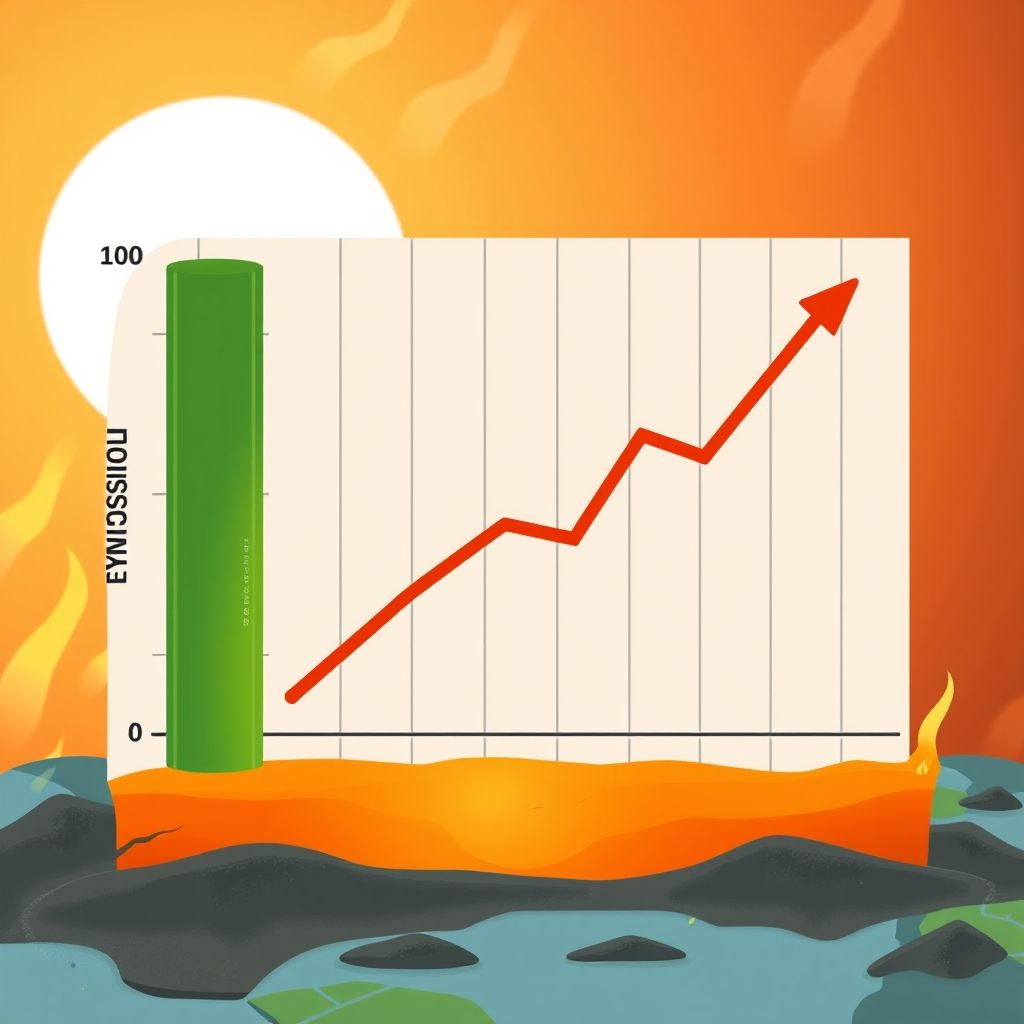
Published concurrently with the COP31 climate summit in Antalya, Turkey, on November 10, the Global Carbon Budget forecasts that 2026 will mark the hottest year in recorded history. The report indicates that emissions from coal, oil, and gas combustion are expected to decrease by 0.4% in 2026. This reduction would result in total fossil fuel emissions reaching 38.2 billion tonnes of CO₂.
Drivers of the Decline
The 0.4% drop marks the first comparable annual decline since 2020, when the pandemic drove a similar reduction. This year’s decrease stems from two distinct forces. First, the expansion of solar and wind power, along with the adoption of electric vehicles, is displacing fossil fuel use. Clean technologies are currently meeting approximately two-thirds of the increase in global energy demand.
Second, geopolitical tensions have directly affected supply. Conflict involving Iran and the disruption of oil flows through the Strait of Hormuz pushed energy prices higher, which in turn curbed oil consumption.
Despite this decline, the remaining carbon budget is finite. At current emission rates, the remaining allowance represents less than four years of consumption.
Sector-Specific Projections
The overall 0.4% decrease conceals substantial variances among different fuel categories. In 2026, solar and wind power are forecast to prevent 4.6 billion tonnes of CO₂ emissions, marking a dramatic jump from the 280 million tonnes avoided in 2010. This substitution effect stands in contrast to the path taken by fossil fuels. Emissions linked to oil are anticipated to drop by 1.9%, a result of the energy-price surge triggered by the Iran conflict. Natural gas emissions are expected to decline by 0.3%. In opposition, coal emissions are poised to climb by 0.6%, demonstrating that the total global decrease does not signify a consistent cut across all primary energy sources.
| Fuel Source | Projected 2026 Change |
|---|---|
| Solar & Wind Avoidance | 4.6 billion tonnes |
| Oil | -1.9% |
| Natural Gas | -0.3% |
| Coal | +0.6% |
Regional Divergence
- Forecasts indicate a 0.9% reduction in China’s fossil-fuel emissions for 2026.
- Emissions from fossil fuels in India are anticipated to increase by 4.4% in 2026.
- This projected 2026 increase for India surpasses its 3.5% mean yearly growth rate recorded over the last ten years.
- China represents roughly 32% of worldwide fossil-fuel emissions.
- The residual carbon allowance for capping temperature rise at 1.5°C is calculated at 150 billion tonnes.
Researcher Warnings on Reversal Risks
Scientists caution that oil usage and associated emissions may spike again should geopolitical conflicts subside and energy costs drop. This possibility highlights the difference between a reduction rooted in lasting technological change and one resulting from temporary high prices or supply shortages. The study indicates that the present decrease has not yet confirmed a long-term downward trajectory.
What to watch
While fossil fuel emissions are projected to fall, total global CO₂ emissions including land-use changes, deforestation, and peat fires are expected to rise to 43.3 billion tonnes in 2026. This represents an increase from 42.8 billion tonnes in 2025.
Source: Saur Energy. This article is an original Luminity report based on the linked source.