
€16.5m spent on hydrogen turbine tests yields 90 hours of data
European and British taxpayers funded two research programmes at a French paper mill to test hydrogen in a gas turbine. The 2023 campaign achieved 90 hours of blending tests and four hours of pure hydrogen operation, but onsite production covered only 2% of fuel demand.
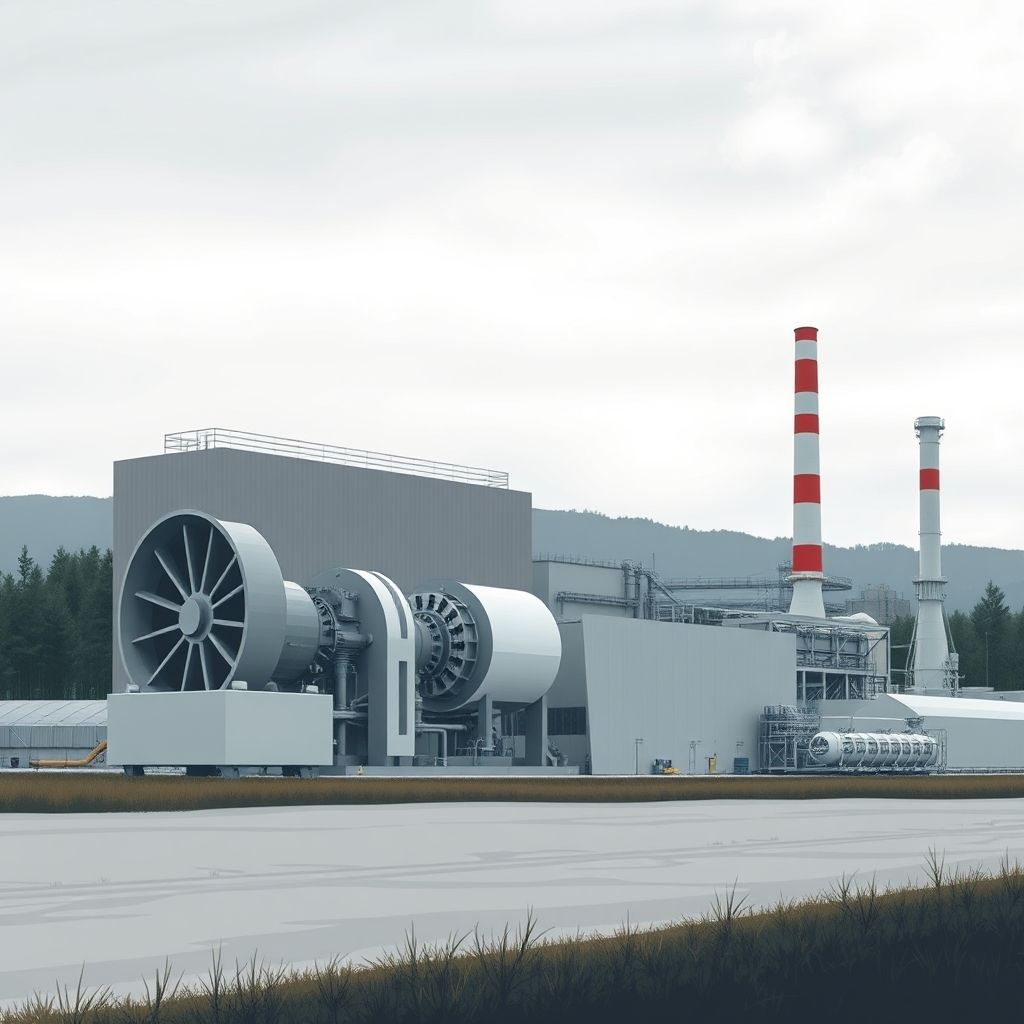
European and British taxpayers have provided approximately €16.48 million for two research programmes. The HYFLEXPOWER project received €10.48 million in EU support, while HyCoFlex received €4.44 million in funding.
Test Campaign Results
- The Siemens Energy SGT-400 turbine is installed at Smurfit Westrock’s Saillat-sur-Vienne paper mill.
- The facility’s electrolyzer produces 16.4 kg of hydrogen per hour.
- At a 10 MW electricity output, the turbine consumes approximately 810 kg of hydrogen per hour.
- Onsite hydrogen production therefore covers 2.02% of the turbine’s hourly fuel demand.
- The 2023 test campaign accumulated about 90 hours of data from hydrogen and natural-gas blending operations.
- Pure hydrogen testing accounted for just over four hours of that campaign.
Economic and Technical Constraints
Siemens identified limited hydrogen availability as the primary constraint for testing. The energy balance illustrates the scale of this gap: manufacturing the 810 kg of hydrogen required to fuel the turbine for one hour necessitates approximately 40.5 MW of electricity.
Siemens’ October 2023 scenario analysis indicates that hydrogen fuel cost parity requires electricity prices below €35/MWh. Broader European reporting suggests that renewable electricity must fall below €40/MWh to support favourable deployment economics. Current market conditions in France do not yet meet these thresholds.
| Metric | Value | Source/Context |
|---|---|---|
| Electricity needed for 810 kg H2 | ~40.5 MW | Manufacturing requirement |
| Parity threshold (Siemens) | < €35/MWh | October 2023 scenario |
| Deployment threshold (EU) | < €40/MWh | Renewable electricity |
| France 2025 average | €61.1/MWh | RTE wholesale data |
| UK support identified | ~€1.56 million | Siemens presentation |
The disparity between the 2025 French wholesale average and the required sub-€40/MWh level highlights the current economic barrier. While the Siemens presentation identifies approximately €1.56 million in UK support, the broader European context remains defined by the gap between prevailing electricity costs and the price points necessary for hydrogen to compete with conventional fuels.
Transparency Gaps and Context
The November 16, 2026 announcement omits several operational metrics that would clarify the project’s current status. Specifically, it provides no cumulative full-load hydrogen operating hours, leaving readers without a total measure of sustained performance beyond the initial 90-hour test campaign. The release also lacks data on delivered fuel prices, meaning the actual cost of hydrogen at the turbine remains undisclosed. The routine cost of electricity and steam is not included, a gap that obscures the ongoing operational expenses required to maintain the facility.
These missing figures contrast with the broader energy landscape detailed in the RTE 2025 electricity review. That report indicates that 95.2% of French generation was low-carbon, with average emissions of just 19.6 gCO₂e/kWh. While this highlights the decarbonized nature of the national grid, the absence of specific cost and performance data from the turbine operator prevents a direct comparison between the project’s actual expenditures and the prevailing market conditions.
The installation has generated significant public attention, resulting in 78 identified press appearances. This level of media activity underscores the high profile of the demonstration, yet the lack of granular financial and operational reporting in the latest update limits the ability to assess whether the project is moving toward the economic thresholds identified in earlier analyses. The disconnect between the volume of public engagement and the specificity of the disclosed data remains a notable feature of the project’s current communication strategy.
What to watch
The immediate focus shifts to how Siemens Energy positions this demonstration within its broader capital strategy. In its 2025 presentation, the company identified protecting existing assets and future gas-turbine investments as a key benefit of the technology. Specifically, the next reporting cycle will likely reveal if the limited pure-hydrogen hours translate into tangible safeguards for the turbine’s longevity, or if the economic constraints previously outlined continue to limit its practical application.
Source: CleanTechnica. This article is an original Luminity report based on the linked source.