
ICRA and Eversource outline green hydrogen cost hurdles at Mumbai conference
Industry experts presented at a Mumbai conference, detailing that green hydrogen currently costs $3.50-$4.50 per kg compared to $2 for grey hydrogen. They identified renewable power costs and electrolyser utilisation as key factors for improving project economics and securing financing.
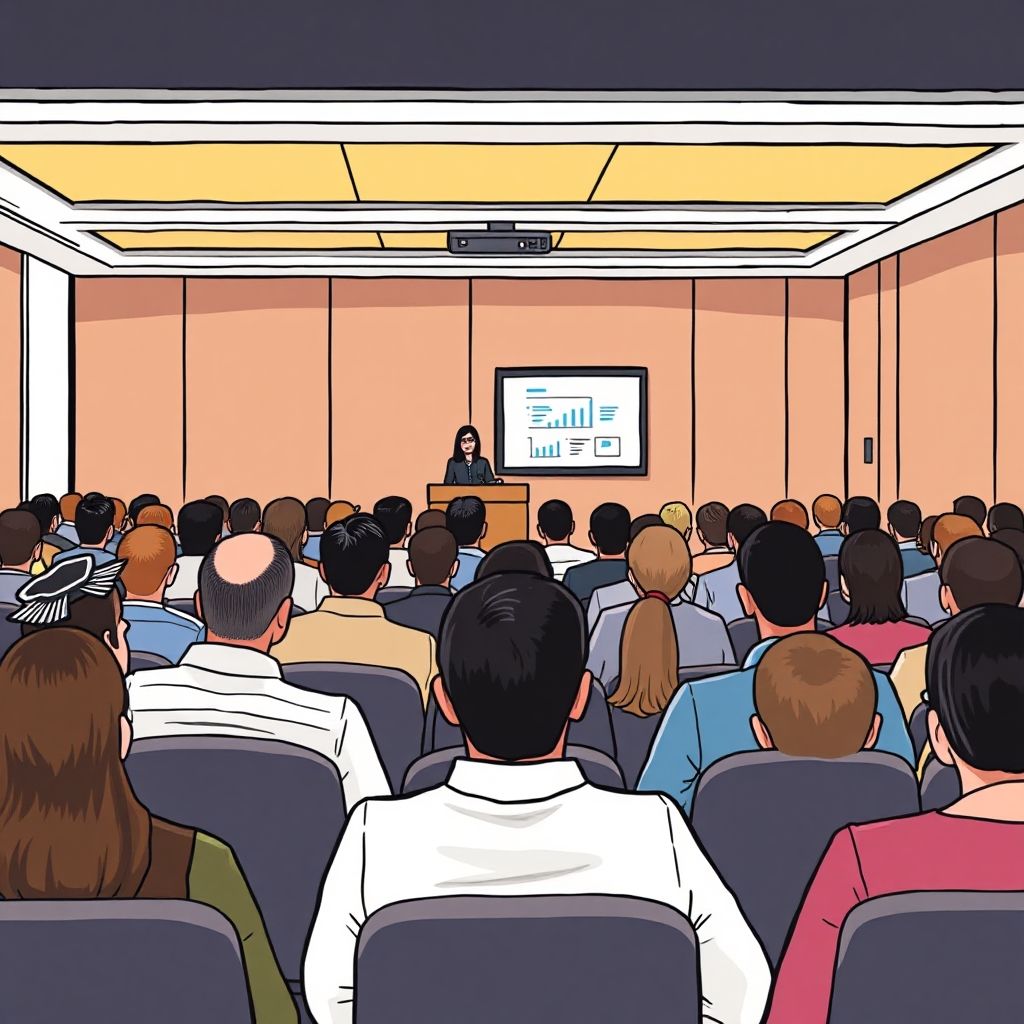
Renewable Watch organised the Green Hydrogen in India conference in Mumbai, bringing together industry leaders to discuss the sector's economic realities. Girishkumar Kadam, Senior Vice President at ICRA, and Siddharth Gauba, Executive Director at Eversource Capital, were among the speakers. Both presented on the critical issues of cost economics, financing structures, and necessary market mechanisms for the industry.
The session focused on the current barriers to commercial viability, with experts outlining the gap between production costs and market prices. They examined how project economics depend on specific operational and financial variables.
Current Cost Landscape
- Green hydrogen production costs range from $3.50 to $4.50 per kilogram when using alkaline electrolysers.
- Grey hydrogen, produced from natural gas, costs approximately $2 per kilogram, with final prices fluctuating based on gas market rates.
- Renewable electricity accounts for 60 to 65 percent of the total production cost for green hydrogen.
- State-level banking restrictions have raised the expense of maintaining a consistent power supply to electrolysers.
Capital Expenditure and Utilisation
Electrolyser capital costs in India currently sit between $350 and $500 per kilowatt. Industry targets suggest an electrolyser utilisation rate of 60 to 80 percent is necessary for financial viability. In contrast, current operational levels stand at only 25 to 35 percent.
Renewable power costs, electrolyser performance, demand visibility, and access to affordable financing all interact to determine whether a project can sustain itself. While these factors are well understood, the specific timeline for achieving cost parity with grey hydrogen remains unknown.
Financing Viability
Project economics hinge on the debt service coverage ratio (DSCR), a metric lenders use to assess a borrower’s ability to meet debt obligations from operating cash flow. A DSCR of 1.0 is the minimum threshold for solvency; ratios below this indicate that operating income is insufficient to cover debt payments, making financing unviable.
| Selling Price (Rs/kg) | DSCR |
|---|---|
| 350 | 1.5 |
| 300 | 1.2 or below 1 |
At a hydrogen selling price of Rs 350 per kilogram, assuming electricity costs between Rs 4.50 and Rs 5 per kWh, the DSCR reaches 1.5 times. However, if the selling price drops to Rs 300 per kilogram, the ratio falls to 1.2 times or below 1.
These financial constraints intersect with broader structural hurdles, including high production costs, complex offtake arrangements, and the difficulty of securing round-the-clock renewable electricity.
Downstream Industry Implications
The financial outlook for green hydrogen significantly affects the steel, refining, and fertiliser industries, which presently depend on fossil fuel-derived processes or conventional hydrogen. In the case of green ammonia, the expense of hydrogen is a primary determinant of the final product's price. Despite optimistic assumptions regarding renewable energy procurement, green ammonia continues to cost more than its traditional equivalent.
Steel production faces analogous economic hurdles, as hydrogen-based direct reduced iron manufactured via electric arc furnaces currently carries a substantial price premium. The shift for these sectors hinges on closing the disparity between green and conventional options, rather than merely achieving international green hydrogen targets. Competitiveness needs to be evaluated against the prices industrial buyers currently pay for their existing feedstocks.
Regulatory interventions, including waivers for electricity duties, exemptions from open access and transmission fees, and state-level fiscal boosts, can lower the delivered cost of renewable power. Additionally, establishing carbon markets and certification frameworks may be crucial for enhancing project viability and drawing in capital.
Electrolyser Operations and Power Procurement
However, achieving this intensity requires integrating solar, wind, and energy storage systems, which adds expenditure that developers must weigh against efficiency gains. Long-term operating costs are further influenced by electrolyser degradation and future equipment replacement requirements. Securing round-the-clock renewable electricity remains a challenge, as the availability of renewable energy banking, storage solutions, and transmission infrastructure directly affects procurement costs. Delays in transmission infrastructure development compound these expenses for green hydrogen developers seeking consistent power supply.
What to watch
The immediate benchmark for the sector is achieving a green hydrogen cost of $1.5 to $2 per kilogram. This range represents the price point required for green ammonia to reach cost parity with conventional alternatives.
Source: Renewable Watch. This article is an original Luminity report based on the linked source.