
Norway tests electric snowplow; Sweden adds hydrogen, Beijing orders trucks
A Norwegian trial confirmed heavy electric trucks can handle winter maintenance on mountain highways, though with some operational limits. Meanwhile, Sweden is pursuing a hydrogen-fueled alternative, and Beijing has ordered a fleet of multifunction snow-removal vehicles.
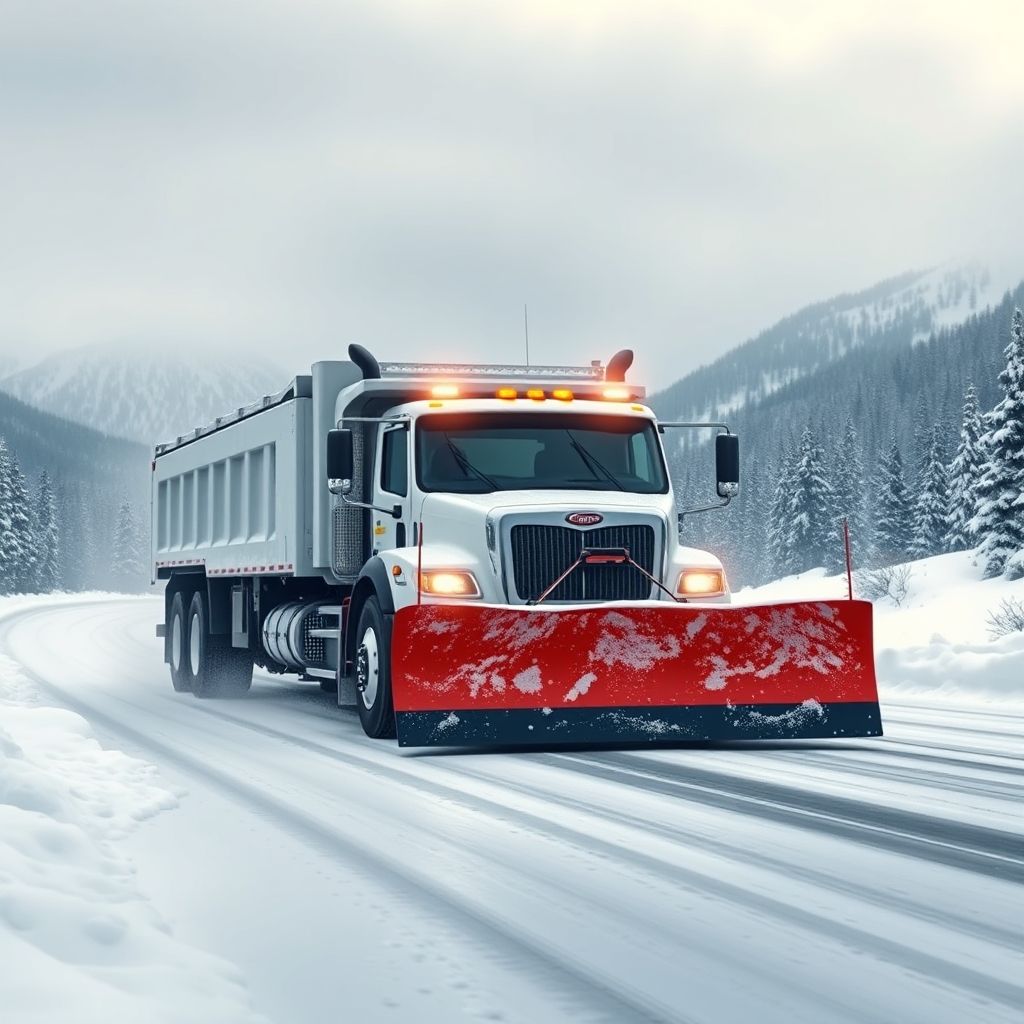
Norway’s Public Roads Administration has completed a 2025 trial of a Scania 45 R electric snowplow on the Hardangervidda mountain highway. The vehicle covered 7,000 kilometers during the test, which aimed to verify the capability of heavy electric trucks to perform winter maintenance duties in demanding conditions.
According to the Norwegian Public Roads Administration, the trial recorded an average energy consumption of 2.02 kWh/km.
Trial Performance and Limits
The Norwegian test demonstrated that the electric snowplow could operate for six and a half hours under mixed-duty conditions. However, the trial identified charging compatibility and payload capacity as specific shortcomings.
Costs, maintenance requirements, fuel premiums, and necessary infrastructure for hydrogen snowplows have not yet been validated against other powertrains. No timeline has been provided for resolving the engineering and infrastructure challenges currently facing Swedish hydrogen truck deployments.
The Hydrogen Alternative
- Sweden’s hydrogen snowplow project involves Scania, MaserFrakt, and Peab.
- The vehicle carries a 356 kWh battery alongside 56 kg of hydrogen.
- A fuel cell uses the hydrogen to extend operating time between charges.
This hybrid configuration supplements the battery with an onboard fuel source, allowing the truck to operate longer without external charging infrastructure.
Global Procurement and Options
In September 2026, the Mentougou district of Beijing secured agreements for 24 multifunction snow-removal vehicles. Although this acquisition is aimed at robust winter upkeep, it remains unverified whether the chassis for all 24 units will be battery-electric.
Aside from hydrogen, hydrotreated vegetable oil (HVO) generators offer a separate method for boosting electric truck range.
HVO Infrastructure and Market Scale
Copenhagen Airport has implemented a strategy to gradually electrify its fleet, employing HVO in compatible heavy-duty vehicles, such as snow-removal machines, for extreme conditions where electric vehicles are insufficient. This method capitalizes on established diesel generator technology, fuel tanks, and liquid-fuel distribution networks, since leading generator producers already sanction appropriate gear for HVO application. Although fitting a generator onto a particular electric truck demands engineering work, certification, and emissions management, it sidesteps the need to build a specific hydrogen supply chain for a limited seasonal vehicle group.
In China, the expanding battery-electric truck sector is offering specialized equipment makers a growing availability of powertrains, batteries, and heavy-duty chassis. Electric snowplows gain from parts engineered and produced for freight trucks in significantly higher quantities. Local governments have operated smaller electric snow-clearing tools for years, and producers have since created full-scale specialized electric vehicles. This industrial magnitude is rendering specialized electric vehicles more obtainable, shifting the market past standalone trials.
The Swedish hydrogen plan must prove that the extra operating hours from the fuel cell justify the vehicle expense, upkeep, fuel surcharge, and refueling facilities. It further needs to beat the cost of securing those hours via standard generating apparatus or keeping a small backup fleet of current diesel snow-removal units running on certified renewable diesel. Snow-removal bodies have a duty to keep roads clear during bad weather and ought to buy equipment that fulfills this duty at the lowest justifiable total system cost and emissions.
Source: CleanTechnica. This article is an original Luminity report based on the linked source.