
Regulator finds 2% of home batteries unsafe in 2025-26 inspection report
The Clean Energy Regulator’s latest inspection report reveals that 2% of home battery systems were deemed unsafe during the 2025–26 period, alongside a decade-high rate of substandard solar PV installations. The findings highlight significant labelling and wiring deficiencies as the home battery market expands rapidly under government rebate schemes.
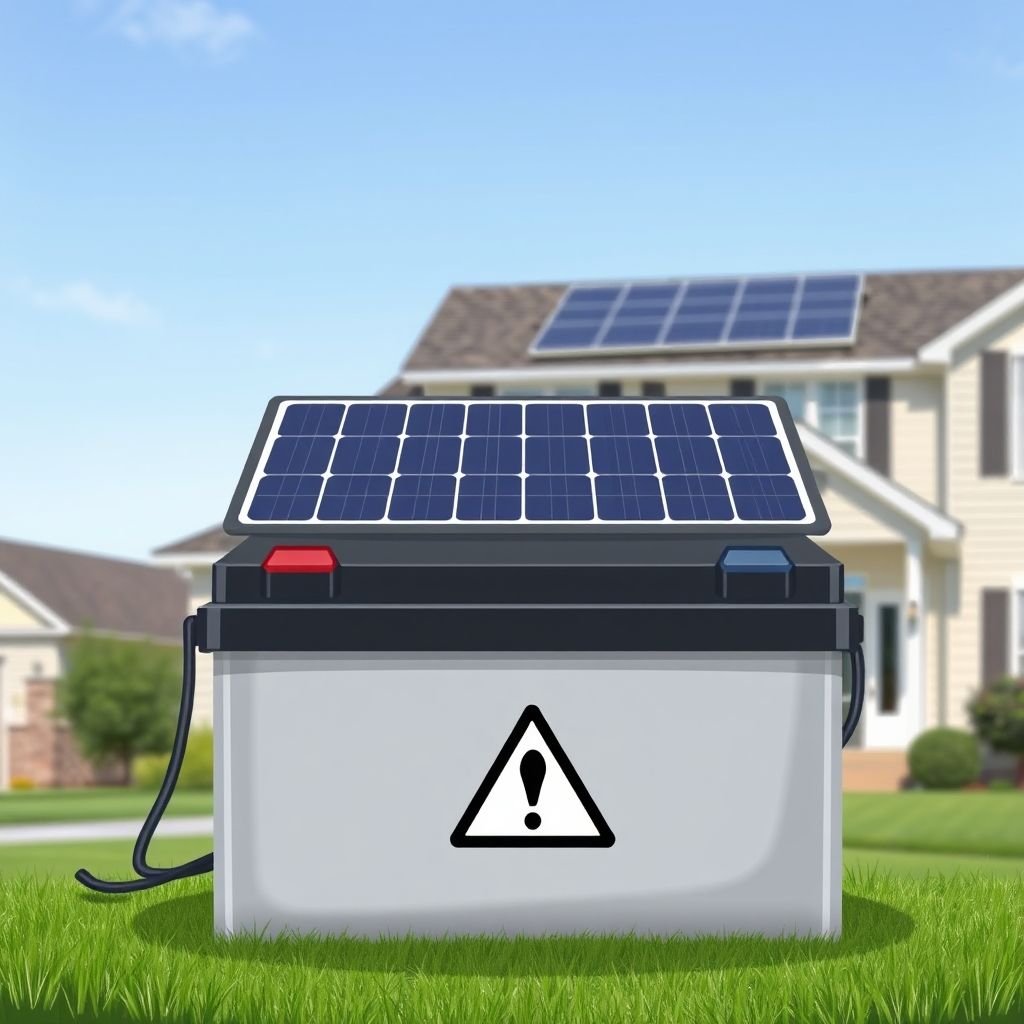
The Clean Energy Regulator (CER) released its inspection program report over the weekend, detailing findings from the 2025–26 reporting period. The agency inspected 3,425 solar battery systems during this timeframe. According to the CER, 2% of the batteries were deemed unsafe in April this year.
Solar PV quality trends
The Clean Energy Regulator’s 2025–26 reporting period, which runs from July through the end of April, included inspections of 3,129 solar photovoltaic systems. The agency determined that 27.7% of these systems were substandard. This proportion represents the highest ratio of substandard solar PV systems recorded in the past decade, according to the CER.
While the overall substandard rate has climbed to historic highs, the number of systems classified as unsafe sits at its lowest point in the past decade. The data shows that substandard findings peaked at two in every three inspections during the period. Even as the rate moderated, substandard findings remained above one in two as of April.
Battery safety breakdown
The Clean Energy Regulator identified 32 battery systems as unsafe during the 2025–26 reporting period. Installation work accounted for the majority of these failures, with 23 systems cited for issues related to the physical setup. Product recalls contributed to 8 of the unsafe classifications, while a single system was flagged due to a third-party incident.
| Unsafe System Category | Count |
|---|---|
| Installation work | 23 |
| Product recall | 8 |
| Third-party incident | 1 |
| Total | 32 |
In response to these findings, the regulator issued compliance actions, including advisory warning letters and formal notices to relevant parties. To improve verification of critical safety labels, the CER mandated that inspectors collect additional photographic evidence starting 1 March 2026.
Root causes and market context
- 470,000 households purchased batteries during the financial year, according to the Clean Energy Regulator (CER).
- Over 600,000 households bought batteries lately, per the CER.
- Labelling issues caused 49% of substandard findings.
- Wiring issues accounted for one-in-five substandard inspections.
- The Albanese government launched the Cheaper Home Battery scheme in July last year.
- Rebate changes occurred in May 2026.
- Other identified issues include overcurrent protection and mechanical protection.
Inspection methodology and specific defects
The agency noted that starting inspections shortly after the program’s rollout allowed it to identify emerging technical, safety, and quality issues soon after installation. Specific defects contributing to substandard battery ratings included missing or incorrect critical warning labels and insufficient identification of backup circuits. Other deficiencies involved overcurrent protection, where inspectors found insufficient rated circuit protection, and mechanical protection, characterized by insufficient physical protection for cables and the solar battery itself. The regulator stated that the inspection program remains an important tool for identifying emerging risks and supporting the safe deployment of renewable energy technologies across Australia.
What to watch
The Clean Energy Regulator has increased targeted education and guidance for installers to address the safety gaps identified in the report.
Source: RenewEconomy. This article is an original Luminity report based on the linked source.