
Ten U.S. states legalize 1.2 kW plug-in solar systems
Ten U.S. states, including California, have legalized small-scale plug-in solar systems this year, subject to a new UL 3700 certification framework. The legislation caps system size at 1.2 kW and prohibits grid export, aiming to lower entry barriers for residential adoption.
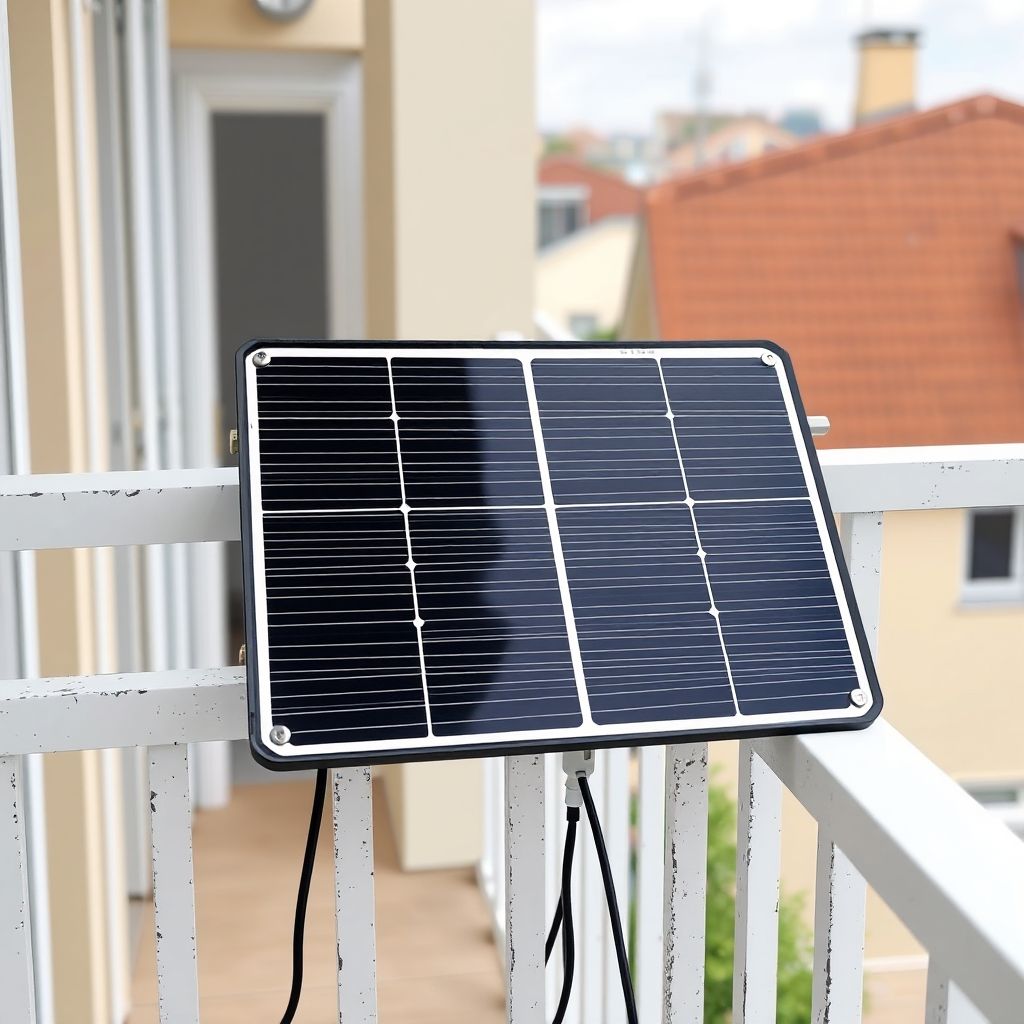
This year, ten U.S. states have legalized plug-in solar systems, marking a notable expansion in residential options. These small-scale setups, often mounted on balconies, allow homeowners to generate electricity without extensive installation.
California is among the ten states that have moved to legalize these devices. By permitting these compact systems, regulators are addressing barriers to entry that have historically limited solar access to those with suitable roof space or financial resources for larger installations.
Regulatory Framework and System Limits
The newly enacted laws cap plug-in solar systems at 1.2 kW. A critical operational constraint is that these systems are strictly prohibited from exporting electricity to the grid.
Because specific legislative details vary by state, there is no single national standard governing these installations. To address safety and performance consistency, a UL 3700-based testing and certification framework was established in January of this year.
Installation and Utility Requirements
The primary administrative requirements for homeowners include:
- No signed utility interconnection agreements are necessary for installation.
- Owners must notify their utility companies of their intent to install the system.
- Legislation in most states limits or prohibits Homeowners Associations (HOAs) and landlords from blocking these installations.
Market Context and Affordability
Entry-level plug-in solar systems start at $800 for a 400-watt setup, a price point significantly lower than traditional rooftop arrays. This affordability addresses a key barrier identified in the Solar Snapshot report, which found that 44% of interested homeowners consider solar more expensive than expected. For those who do want to adopt the technology, financial support remains critical; the report indicates that 49% of interested homeowners cannot afford solar without tax credits.
The broader U.S. solar industry has grown over 200 times during two decades of solar tax credits, demonstrating how policy incentives can drive market expansion. Current data suggests strong consumer appetite, with 71% of homeowners expressing interest in solar. Plug-in systems offer a lower-cost alternative for those who might otherwise be priced out of larger installations, potentially expanding the market to renters and urban dwellers who lack access to traditional financing or roof space.
Installer Trends and Financing
For residential solar providers, financing structures are shifting toward third-party ownership. According to the Solar Snapshot report, 55% of installers identify this model as their most popular option. Looking ahead, 65% of these providers expect third-party ownership to account for the majority of their sales in 2026.
The report indicates that 54% of interested homeowners cite technical expertise as a top factor when selecting an installer.
Shading Risks and Professional Value
While plug-in solar removes traditional adoption barriers, the impact of shading on panel output is not intuitive. A single line of persistent shading, such as from a nearby utility pole or balcony rail, can reduce the output of an entire array to nearly zero. Other performance factors include ideal tilt, azimuth, airflow for cooling, and debris effects on panels. These variables create a case for professional consultation on panel placement.
For consumers who cannot go solar for reasons other than cost, a “full service” plug-in system where trained professionals handle installation offers a viable option. This approach allows installers to build customer relationships that may lead to future full-scale rooftop projects or EV charger installs. The traditional rooftop solar market remains limited to a specific pool of consumers, excluding renters, multifamily residents, and households with unsuitable roofs. For many, going solar is out of the question entirely due to these housing constraints.
What to watch
Most retail plug-in systems currently available are rated at approximately 400 W, or 0.4 kW. This capacity is well below the 1.2 kW statutory cap established by the new state laws.
Source: pv magazine USA. This article is an original Luminity report based on the linked source.