
Victoria approves $4 billion in wind and battery projects before election
Victoria’s planning minister approved two wind farms and four batteries worth nearly $4 billion before the state entered caretaker mode. The move seeks to lock in generation ahead of the 2028 Yallourn coal closure, though political opponents propose gas alternatives.
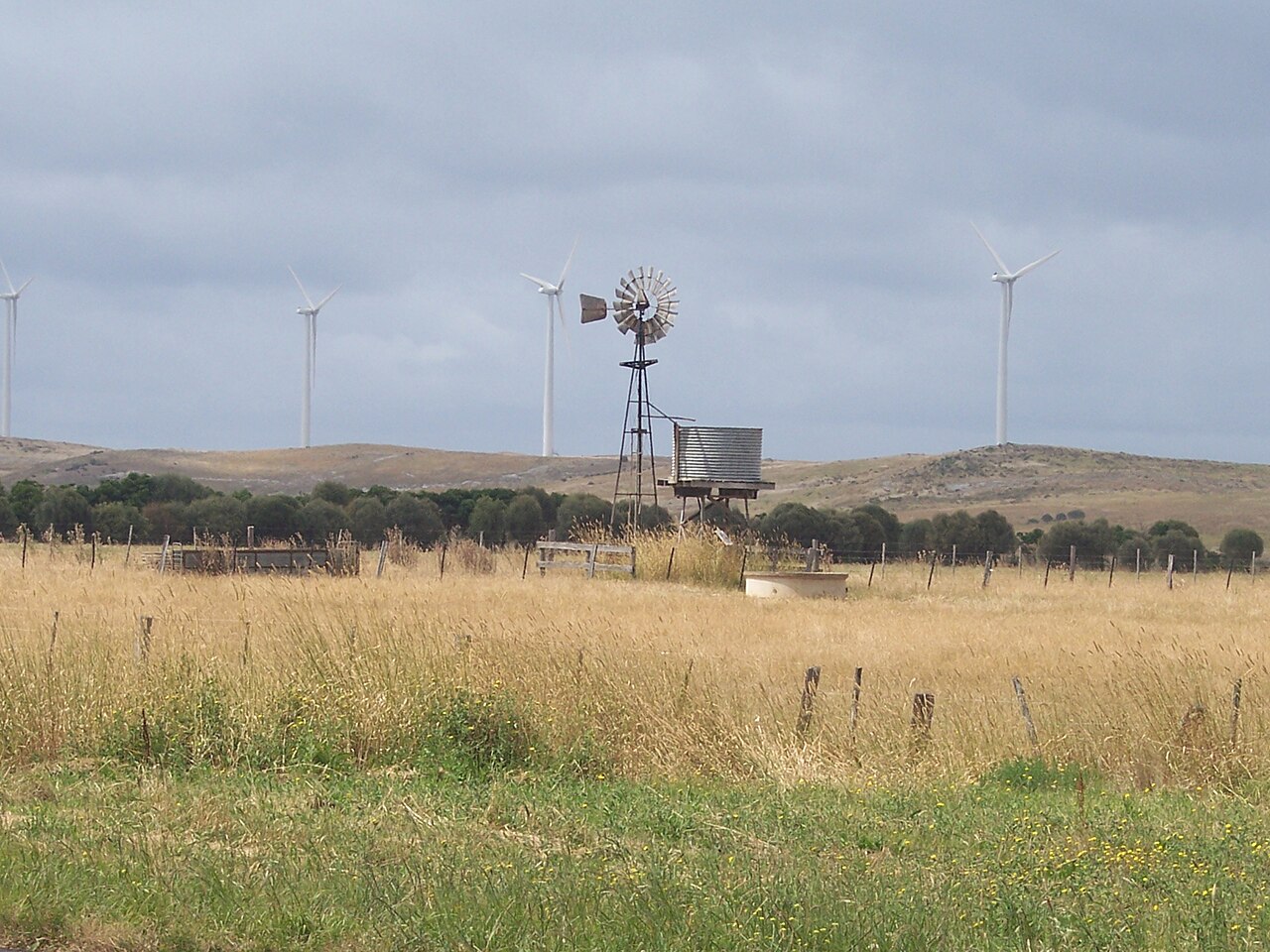
Victoria’s planning minister Sonya Kilkenny approved two wind projects and four utility-scale batteries in a final push before the state government entered caretaker mode on Tuesday night. The approvals cover a total development value of nearly $4 billion, according to RenewEconomy.
Project Details
- Squadron Energy’s Moreton Hill is a $1.5 billion, 420 MW wind project featuring up to 62 turbines.
- Virya Energy’s Meering West is a $2 billion, 1.3 GW wind project with 155 turbines.
- Meering West includes a 500 MW, 1,000 MWh battery.
- European Energy’s Gippsland battery is sized at 600 MW with either 1,200 or 2,400 MWh of storage.
- Potentia Energy’s Tragowell battery is 200 MW/800 MWh.
- Australian Renewable Energy Services proposed smaller batteries at Cobden and Camperdown.
The two wind projects remain subject to federal conditions. Both Moreton Hill and Meering West require a federal "green tick" and approval under the Environment Protection and Biodiversity Conservation (EPBC) Act before construction can proceed. Meering West faced significant community scrutiny during the planning stage, with 102 of 108 submissions objecting to the proposal. Liberal shadow energy minister David Davis did not specify a timeline for how short the transmission review would be.
Transmission Dependencies
Virya Energy’s Meering West is supposed to connect directly into VNI West. Virya Energy general manager Steve Crowe said the project will revert to an original plan to build a power link to Kerang if VNI West is cancelled.
Located 35km southwest of Ballarat in central-west Victoria, Squadron Energy’s Moreton Hill sits along the proposed path for the Western Renewables Link (WRL). This installation will link up through a fresh underground 220kV powerline to the Berrybank terminal station situated to the south. Premier Ben Carroll has promised his own economic review of WRL if Labor wins. Authorities entered caretaker status at 6pm on Tuesday night prior to the November 28 vote, with clearances granted on Friday and Monday.
No approved battery systems have been submitted for federal environmental review. Local resistance to Meering West featured the Gannawarra shire council, headed by new One Nation candidate Garner Smith. To provide context, the Moreton Hill wind farm generates sufficient electricity to supply roughly 260,000 households, whereas the Yallourn coal-fired power station holds a capacity of 1.48 gigawatt.
Opposition and Costs
While Meering West endured intense scrutiny, Moreton Hill drew just six objections across eight submissions. Environment Victoria leader Jono La Nauze characterized halting or scrapping transmission construction as an act of economic self-harm. He maintained that constructing these lines yields a positive cost-benefit for consumers, emphasizing that the advantages of new, lowest-cost generation far exceed the construction expenses.
Modelling by Environmental Victoria indicates that a five-year postponement in transmission and renewable deployment would impose $33 billion in costs on the Victorian economy. Such a delay would further increase household electricity bills by $500 annually. La Nauze labeled the cancellation of transmission in favor of gas power as economic insanity. He noted that wind and solar in Victoria are half the cost per megawatt hour compared to coal and gas, a gap that will widen as local gas reserves deplete. He warned that without expanded transmission, increased wind and solar capacity is impossible.
Conversely, the Coalition intends to promote gas usage by lifting the prohibition on gas connections for newly built homes.
What to watch
The November 28 election will determine whether Victoria pursues gas or renewables to replace the Yallourn coal-fired power station, which closes in 2028. The Coalition has promised to fill that gap with gas under a new Energy Security Requirement and plans to remove renewables from the state’s streamlined planning system, reinstating post-approval merit appeals.
Liberal shadow energy minister David Davis stated that any transmission review would be "short, sharp and independent." Despite these policy shifts, Davis conceded that renewables will still make up the largest chunk of generation in the state.
Source: RenewEconomy. This article is an original Luminity report based on the linked source.