
Essential Energy gets 22-month waiver for 300 streetlight EV chargers
The Australian Energy Regulator has granted Essential Energy a ring-fence waiver to trial 300 streetlight-mounted EV chargers in New South Wales and southern Queensland. The program, funded by Essential Energy and ARENA, will test whether embedded charging can improve network efficiency without displacing private investment.
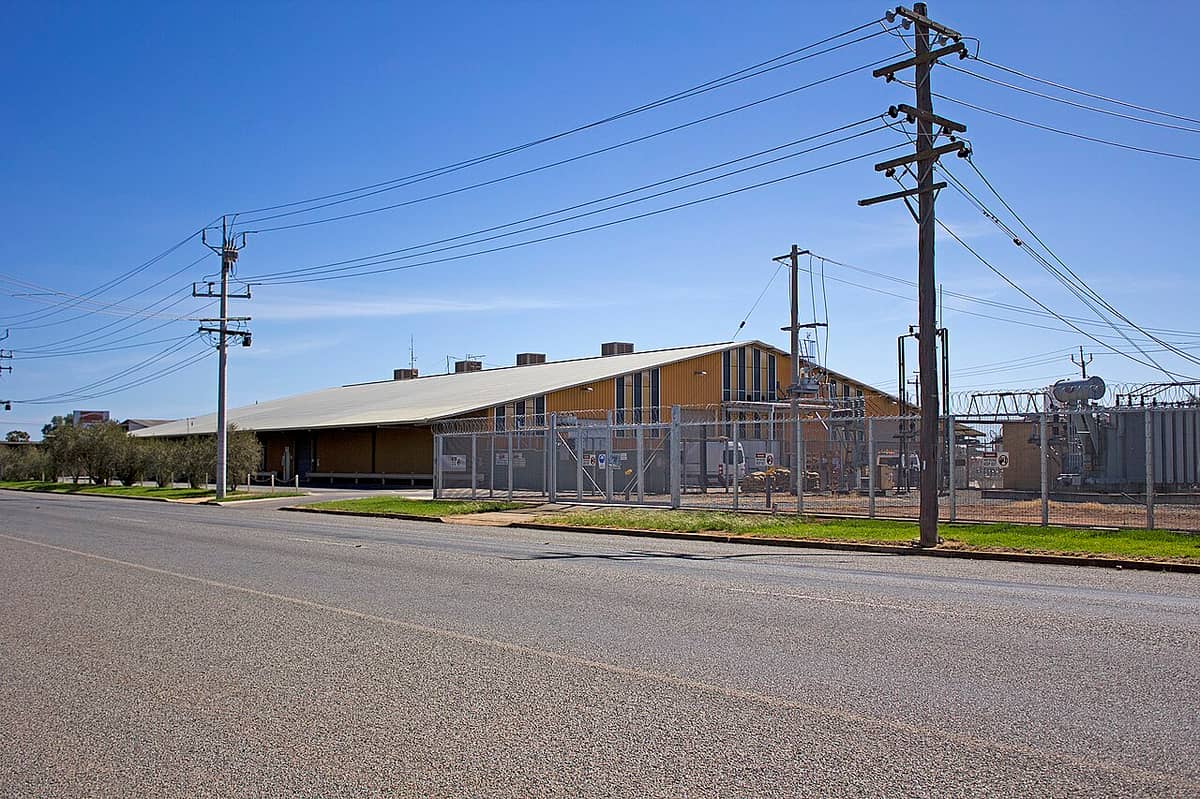
Essential Energy has secured a 22-month ring-fence waiver to proceed with a trial installing 300 streetlight EV chargers, according to RenewEconomy. The utility will deploy the charging infrastructure across its network as part of a broader program that carries a total cost of $6 million.
Trial Scope and Timeline
The streetlight charging experiment constitutes the second stage of Essential Energy’s broader EV infrastructure rollout. This specific phase runs from January 2028 to October 2028, with a subsequent year dedicated to knowledge-sharing activities. The physical design integrates charging components entirely within the existing streetlight pole, eliminating the need for separate ground-level hardware.
Essential Energy operates the regional distribution network across New South Wales, southern Queensland, and specific regional centers including Bega, Broken Hill, Goondiwindi, and Tweed Heads.
The Australian Energy Regulator has issued two waivers for kerbside charging projects to date. These include the current arrangement for Essential Energy and a separate waiver for Citipower-PowerCor-United.
Regulatory Framework and Conditions
- Essential Energy must conduct a tender to select a charge point operator, disclose lease fees, and submit annual reports each April as part of the waiver conditions.
- The Australian Energy Regulator (AER) noted that the trial supports the National Electricity Objective by evaluating whether embedded charging infrastructure utilizes distribution assets and network capacity more efficiently, provided it does not displace market-led investment.
- To date, the AER has not denied any waiver applications submitted by distribution network service providers.
- The initial phase of this wider program saw 1,000 poles made accessible to private operators for the attachment of chargers.
- In a prior decision, the AER sanctioned a five-year trial involving 1,000 pole-mounted chargers for Plus-Es, which is owned by Ausgrid.
Funding and Industry Response
The project is financed through a $2.3 million contribution from the Australian Renewable Energy Agency (ARENA) and Essential Energy. These two entities cover the entire cost of the trial, ensuring the initiative does not appear on household electricity bills.
Stephanie Bashir, director at Nexa Advisory, expressed concerns that the waivers signal a network push into restricted spaces.
Following the waiver period, Essential Energy faces three options for the installed hardware. It may seek a new waiver to continue operations, sell the equipment to a private company, or remove the infrastructure entirely. The Australian Energy Regulator has previously approved waivers for similar trials, including the Ausgrid Community Power Network project involving rooftop solar and battery equipment.
Waiver Duration and AER Board Commentary
The regulatory exemption permits the trial to operate until October 2029, a period distinct from the January 2028 to October 2028 experimental window. In a statement accompanying the decision, AER board member Jarrod Ball stated the trial aims to test demand for kerbside chargers in regional areas and identify optimal locations. “It will also provide further insight on where chargers may be needed, how communities use them and how to make better use of the network,” Ball said. He added: “We’ve set clear conditions to protect and promote competition and ensure the findings are published, so the benefits extend beyond the trial.” The AER explicitly noted the trial is not a sign the private market has failed or that the distribution network service provider can deliver a better service.
What to watch
AER board member Jarrod Ball highlighted that the trial offers additional clarity on charger placement requirements, community usage patterns, and methods for optimizing network efficiency.
Source: RenewEconomy. This article is an original Luminity report based on the linked source.