
Chalmers unveils superannuation rule change to unlock $90 billion in emerging assets
The Australian Treasurer has announced a new voluntary benchmark allowing superannuation funds to allocate up to 5% of portfolios to emerging assets, including energy. The move aims to unlock up to $90 billion in investment, though critics argue the limit is too low for the scale of economic transition required.
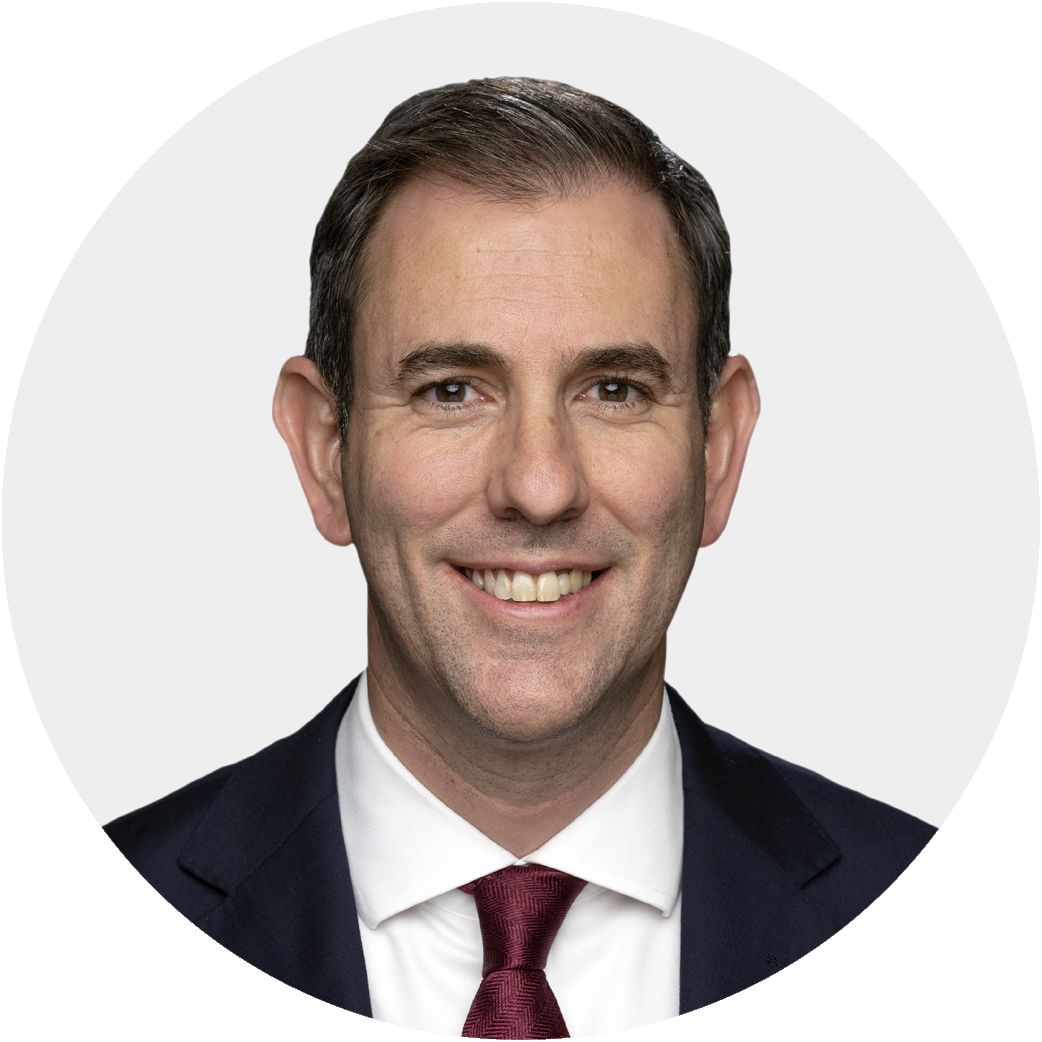
Treasurer Jim Chalmers has announced revisions to the performance test applied to Australia’s $4.8 trillion superannuation industry. The government says the changes are designed to unlock up to $90 billion in investment for emerging assets.
Under the new framework, a voluntary benchmark will allow fund trustees to allocate up to 5% of their portfolios to these emerging asset classes.
The New Benchmark
The revised performance test sets a new benchmark at a margin above the consumer price inflation rate. This threshold is based on advice from the Australian Government Actuary and will be administered by the Australian Prudential Regulation Authority.
The framework specifically targets emerging asset classes, which include innovative start-ups, housing, and energy.
Treasury figures indicate that the number of members in failing funds has dropped significantly, falling from 1 million in 2021 to 8,500 in 2025. According to the announcement, a higher allocation to venture capital or private equity could add $20,000 to average retirement balances.
Political and Industry Reactions
- Treasurer Jim Chalmers observed that the regulatory change has the potential to release as much as $90 billion in capital for emerging assets.
- While recognizing that "I know some of you would like to see a higher allocation than 5%," Chalmers insisted that "we are strengthening the [performance] test not watering it down."
- ASFA chief executive Mary Delahunty pointed to "Energy infrastructure" as "a good example" of the unforeseen consequences generated by previous standards.
- Coalition financial services spokesperson Kevin Hogan criticized the move, asserting that "Labor treats your super like a piggy bank."
Investment Context and Gaps
Matt Kean, chair of the Climate Change Authority, stated that the country will need half a trillion dollars of investment to re-tool the economy. This figure aligns with estimates from the Business Council of Australia, which calculated that $200 to $500 billion is required to meet the 2035 emissions goal.
Australia’s superannuation industry currently holds the world's fourth-biggest pool of capital. Projections indicate this ranking will shift, with super assets expected to become the second largest globally by the early 2030s.
A key structural gap lies in how the performance test evaluates new projects. The current mechanism compares new infrastructure against mature assets that already deliver high annual returns. This comparison creates a hurdle for emerging sectors, such as energy, where early-stage investments may not yet match the yield profiles of established holdings.
Conference Details and Sector-Specific Constraints
Treasurer Jim Chalmers presented these comments on Wednesday at a gathering in Melbourne organized by the Association of Superannuation Funds of Australia (ASFA). Although the updated benchmark uses a sector-neutral approach for qualifying assets, ASFA CEO Mary Delahunty pointed out distinct obstacles within the energy industry. She emphasized that expanding artificial intelligence infrastructure requires fresh generation, storage, and transmission capabilities, but the existing testing framework deters fund managers from allocating capital to these fields. Delahunty clarified that nascent infrastructure ventures, which generate minimal income during the build phase, are evaluated against benchmarks based on established assets that yield comparatively high annual profits, thereby complicating the justification for such long-horizon investments during their initial stages.
Chalmers remarked that although housing has drawn substantial media focus due to governmental initiatives to boost building activity for a growing populace, the scarcity of superannuation fund participation in decarbonization and climate adaptation has been notable. Chalmers declared that the regulatory changes are designed to create a real, positive impact on retirement savings, with the goal of ensuring members receive direct benefits. The address referenced "energy" a single time without specifically naming renewables.
Governance and Investment Mandates
Matt Kean, chair of the Climate Change Authority, contended that existing investment mandates do not align with the objective of maximizing member returns over the coming decades, emphasizing that mid-century is merely 24 years distant. He posed the question of whether anticipated returns factor in the 2050 net-zero emissions target. Mary Delahunty, chief executive of ASFA, remarked that the indices featured in the current test reflect established asset classes, which do not match the risk and return profiles of emerging assets. She further noted that the new benchmark, established at a margin above inflation, offers a more appropriate metric for such investments.
What to watch
The immediate regulatory horizon lacks a defined schedule for revisiting the 5% allocation cap.
Source: RenewEconomy. This article is an original Luminity report based on the linked source.