Nvidia and Open Compute Project AI racks are projected to draw peak power of 1 MW by 2028-2029, with output swinging to 300 kW in milliseconds. Energy storage can reduce required incoming power by 20% to 40% to manage these rapid fluctuations.
Alinta has cancelled its 900MW Oven Mountain pumped hydro project in northern NSW, citing economic and timing challenges. The decision ends a plan that was granted critical state significance in 2020 and aimed to serve over 600,000 homes.
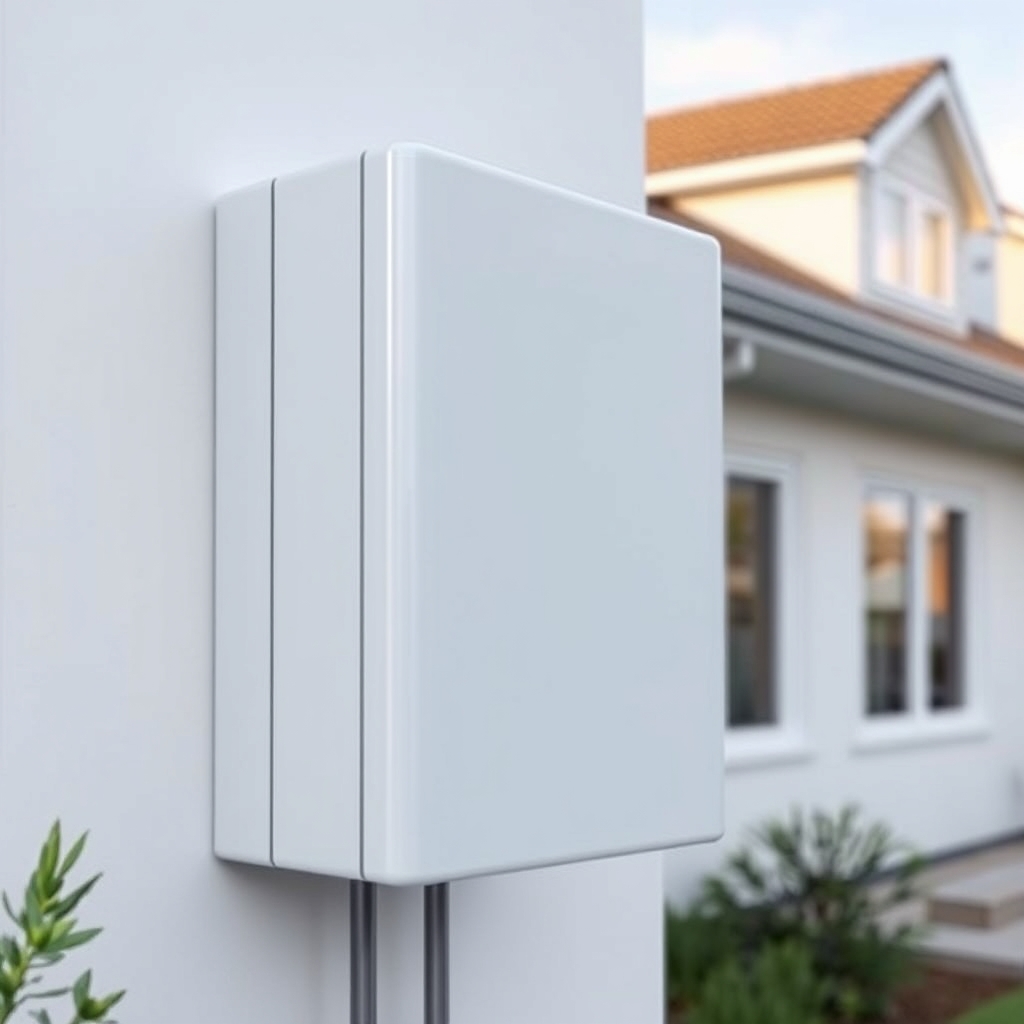
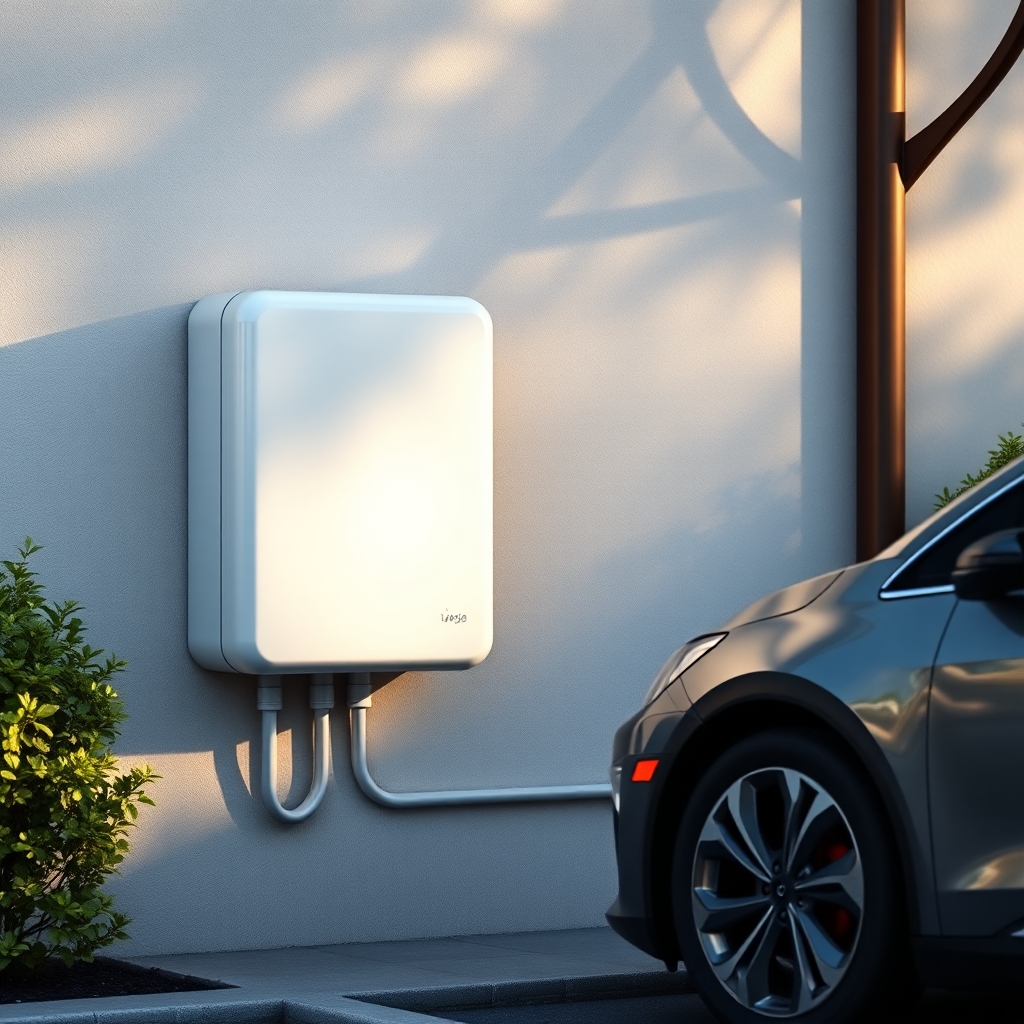
Fox ESS has introduced the Power Cube, a home battery system featuring integrated heating to maintain performance in cold Australian winters. The launch follows a period of rapid market growth, with installations tripling between February and April.
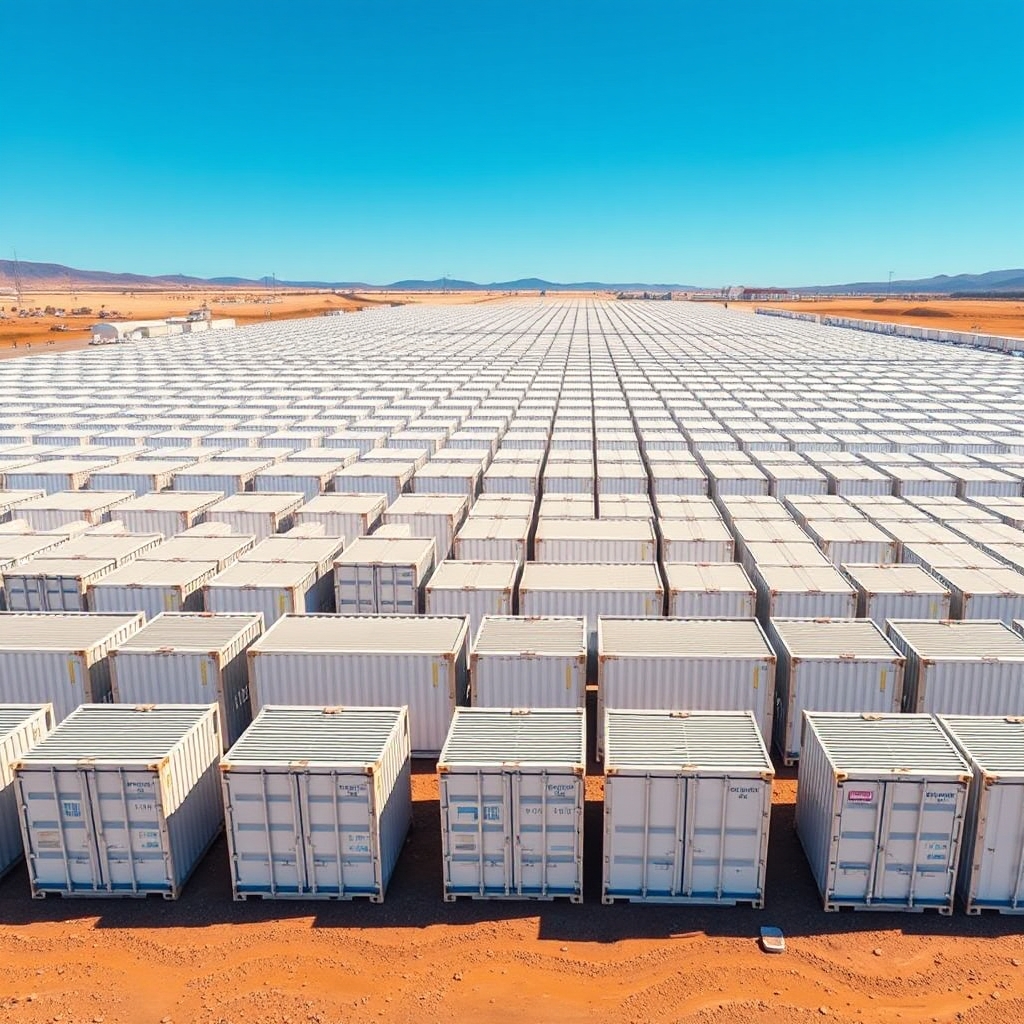
The National Electricity Market connection queue has grown to 80.9 GW, exceeding current capacity, with batteries comprising 55% of the pipeline. Recent approvals and commissioning milestones highlight a shift toward longer-duration storage to manage rising demand and retiring generation.
Budderfly has announced a $500 million initiative to build 150 MW of municipal virtual power plants across 100 U.S. cities. The program utilizes solar and storage to reduce energy costs without requiring upfront taxpayer capital.
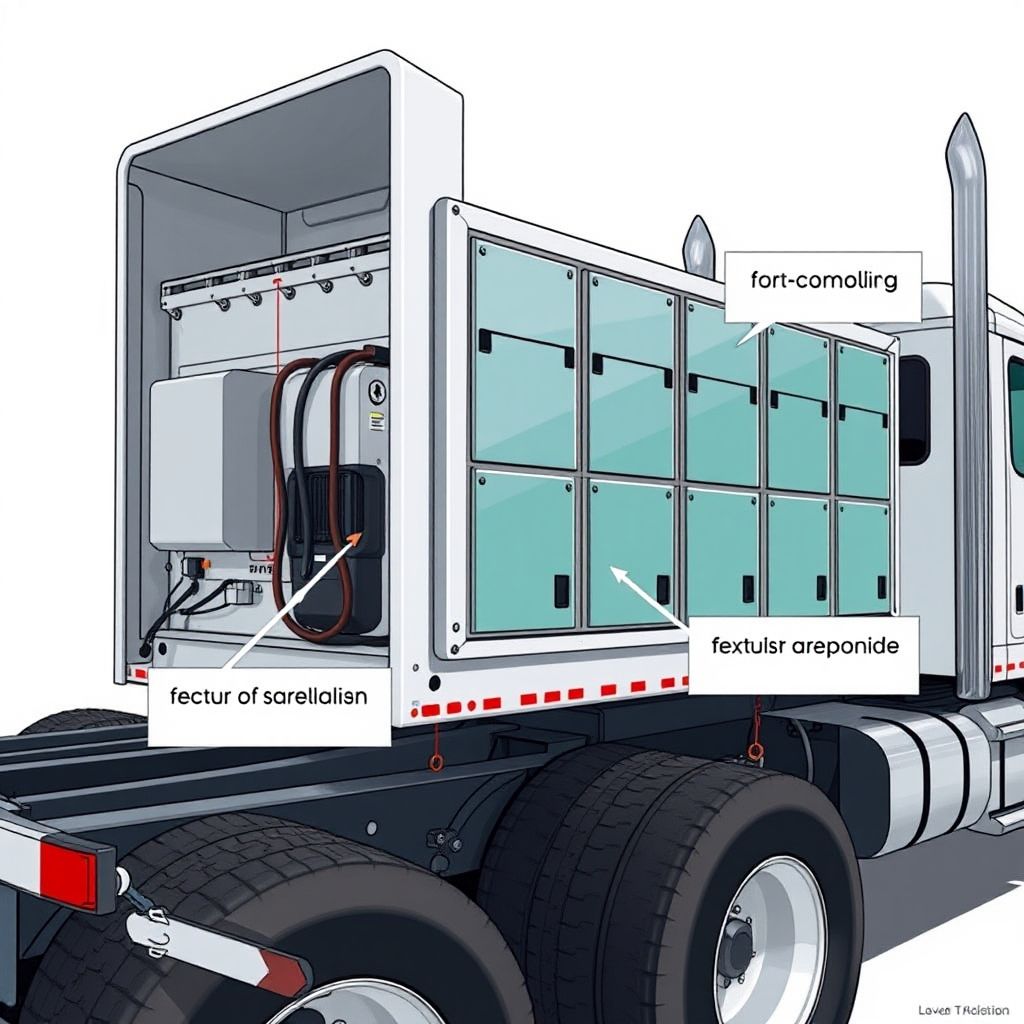
CATL has launched a dual-battery system for electric heavy trucks that pairs a swappable main pack with a 77 kWh backup battery, letting drivers use more than 95% of the main pack. Its QIJI Energy unit plans 900 truck swapping stations by the end of 2026 and 2,000 by 2027.
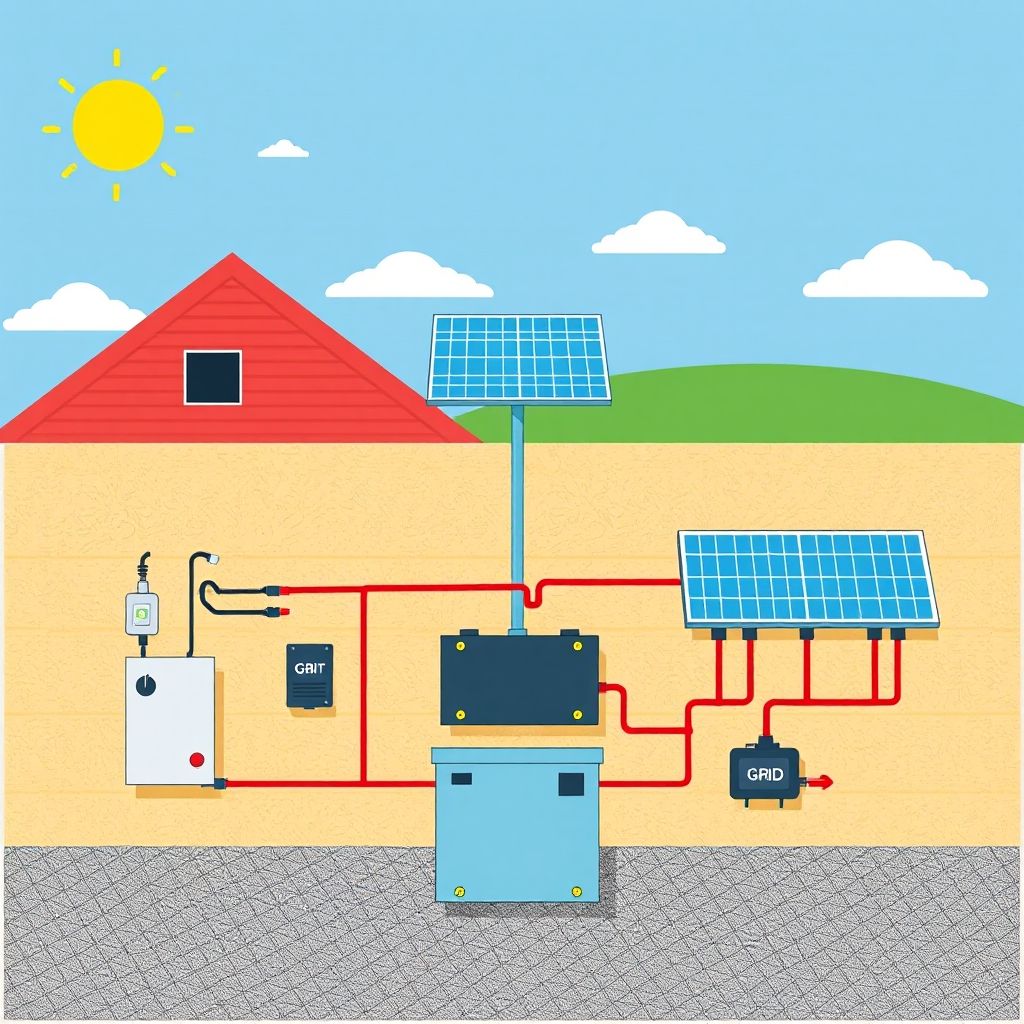
Combining solar and battery storage from different manufacturers creates safety risks due to lack of coordination between independent power sources. Engineers must ensure Power Control Systems can manage total output to prevent overloading shared electrical infrastructure.
Arena is offering up to $75 million for a 30 MW / 360 MWh Rondo Energy heat battery at Rio Tinto’s Yarwun alumina refinery in Queensland: $3.6 million for a FEED study due in 2027, $38 million for deployment after a final investment decision, and $33.3 million in conditional contingency support.
GreenPoint Energy has announced it will hire 75 former Whyalla Steelworks employees for its Koolunga battery storage project near Brinkworth. The 200-megawatt facility, built by GenusPlus, is scheduled to begin operations in early 2028.
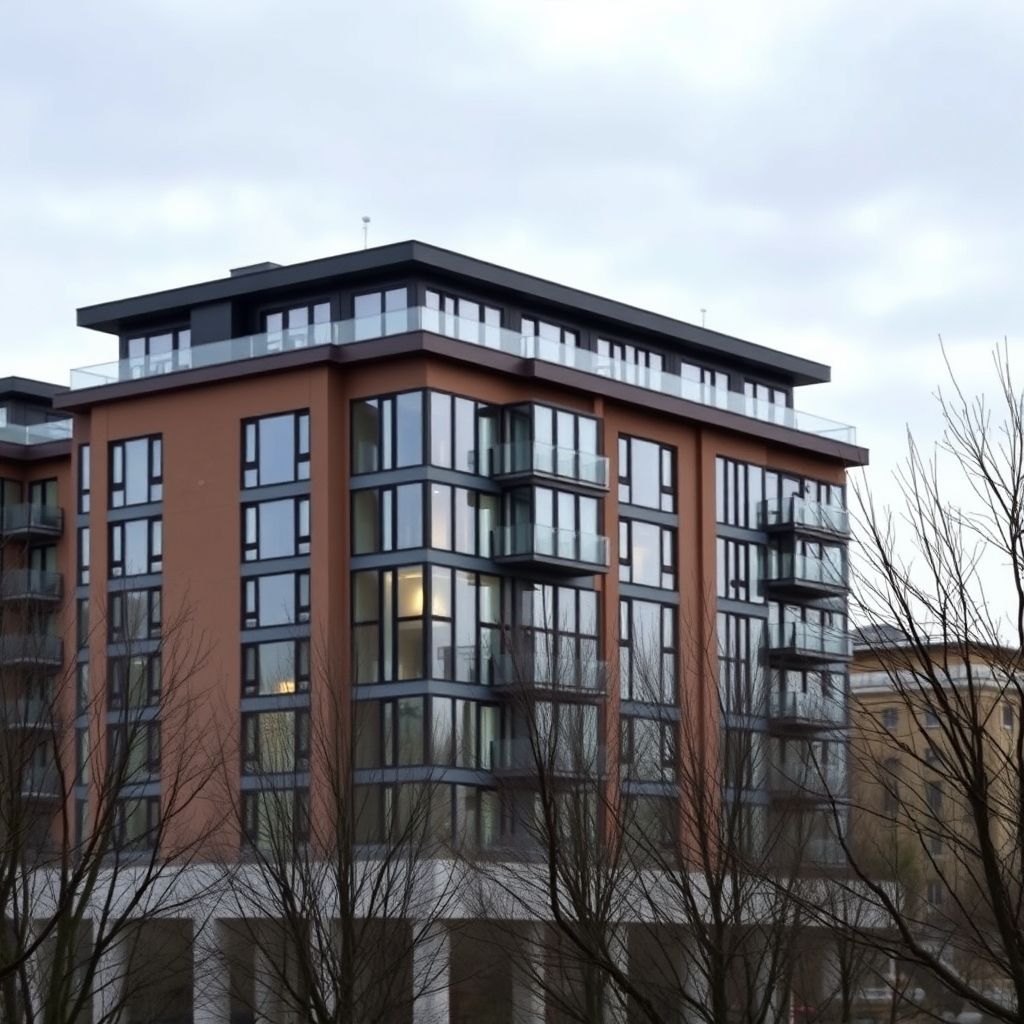
Good Carbon Co. has deployed a 3.75-MWh Viridi battery system indoors at a 105-unit affordable housing complex in Buffalo, New York. The project, supported by NYSERDA and National Grid, integrates storage with geothermal heating to manage peak demand and provide backup power.
Sacramento-based Qnetic has completed initial testing of its Pulsar flywheel energy storage system in Shanghai, achieving 100 continuous cycles without faults. The company plans to launch a pilot program with Sacramento Municipal Utility District in the first half of 2027.
Ember analysis shows current national storage targets total 822 GW by 2030, significantly lagging the 1,500 GW committed at COP29. While 2025 additions reached 118 GW, maintaining current rates would still leave the global goal unmet.
Illinois’ first battery storage incentive round secured 600 MW, less than two-thirds of its initial target, with just 80 MW in ComEd’s northern territory against 520 MW in Ameren’s. Developers cited PJM interconnection delays as the state collects feedback through Oct. 28.
Nightpeak Energy has brought the Bocanova 2 battery storage facility online in Brazoria County, Texas. The project adds 150 MW of capacity to the site, bringing the total installed capacity to 300 MW.
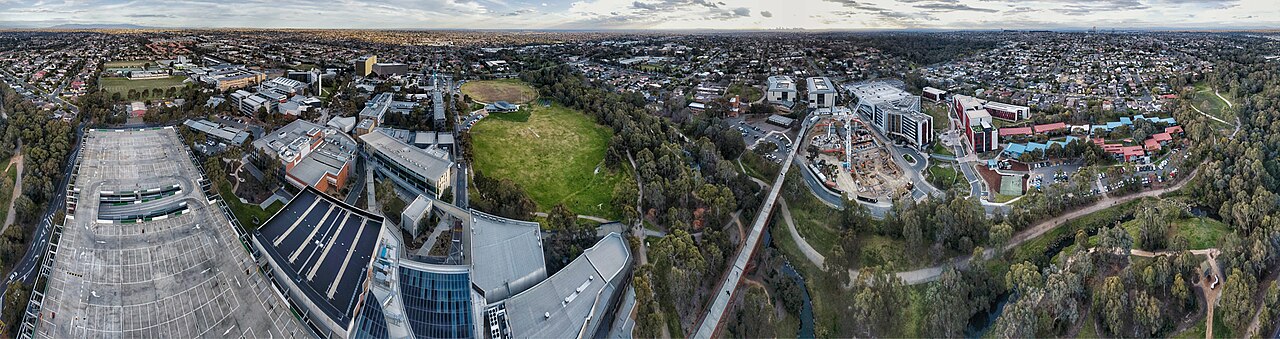
ArcActive has activated a lead-acid battery pilot system at Deakin University’s 7.25 MW microgrid testing site in Australia. The project, partnered with Origin Zero, aims to standardize commercial storage deployment using proprietary bipolar technology.
Premier Energies and Germany’s RCT Nexor have formalized a joint venture to manufacture battery energy storage systems in Seetharampur, Telangana. The venture plans a total capacity of 12 GWh, with the first phase targeting 6 GWh by FY2027-28.
Valo Energy, a Wärtsilä and RCT joint venture, expects to announce its first large-scale sodium-ion battery project in early 2027. The proposed system may feature a hybrid design with a sodium-ion component targeting at least 50 MW of connected power.
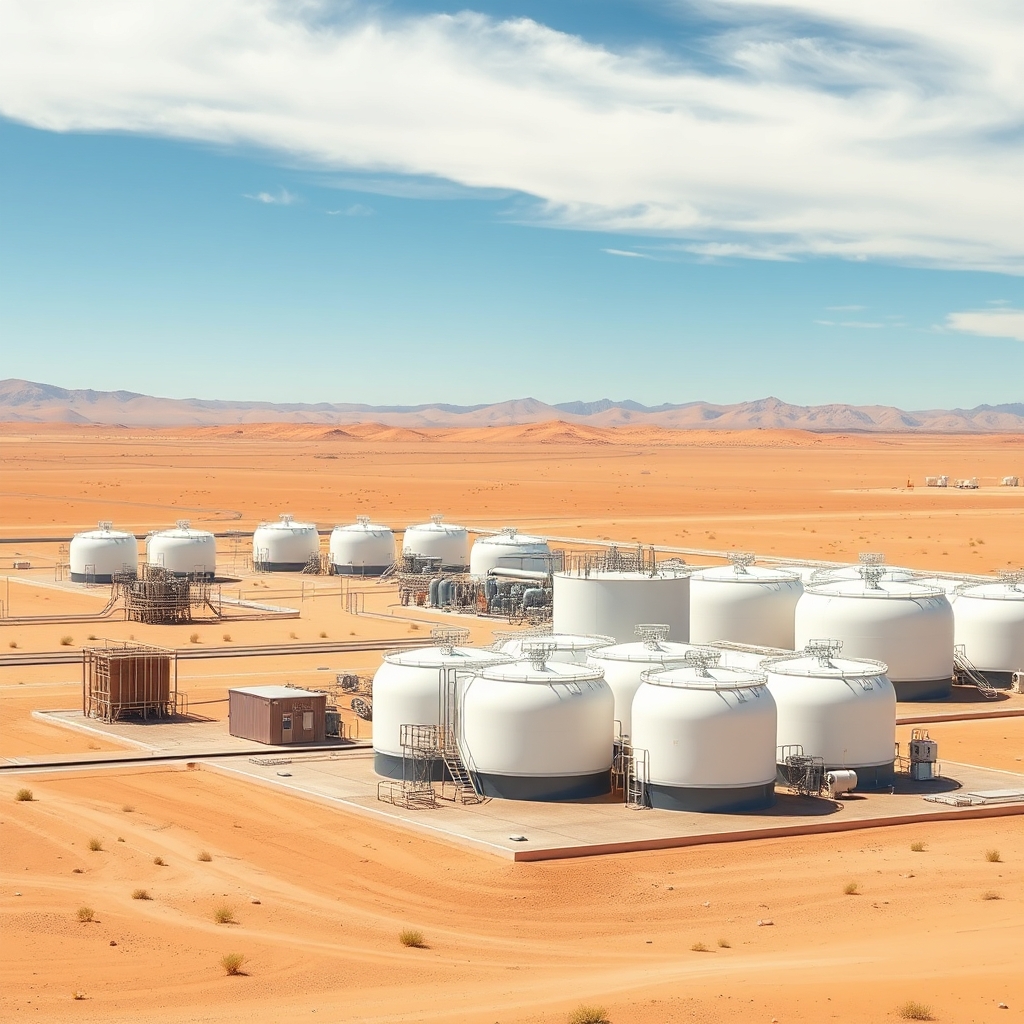
China Huadian has connected a 100 MW/1,000 MWh compressed CO2 energy storage facility to the grid in Xinjiang. The plant, developed by Xi’an Jiaotong University, aims to save 50,000 metric tons of coal annually.
Leader Energy has begun construction on a 100 MW/400 MWh battery storage project in Negeri Sembilan. The facility is part of Malaysia’s MyBeST programme aimed at reducing reliance on fossil-fuel peaking plants.
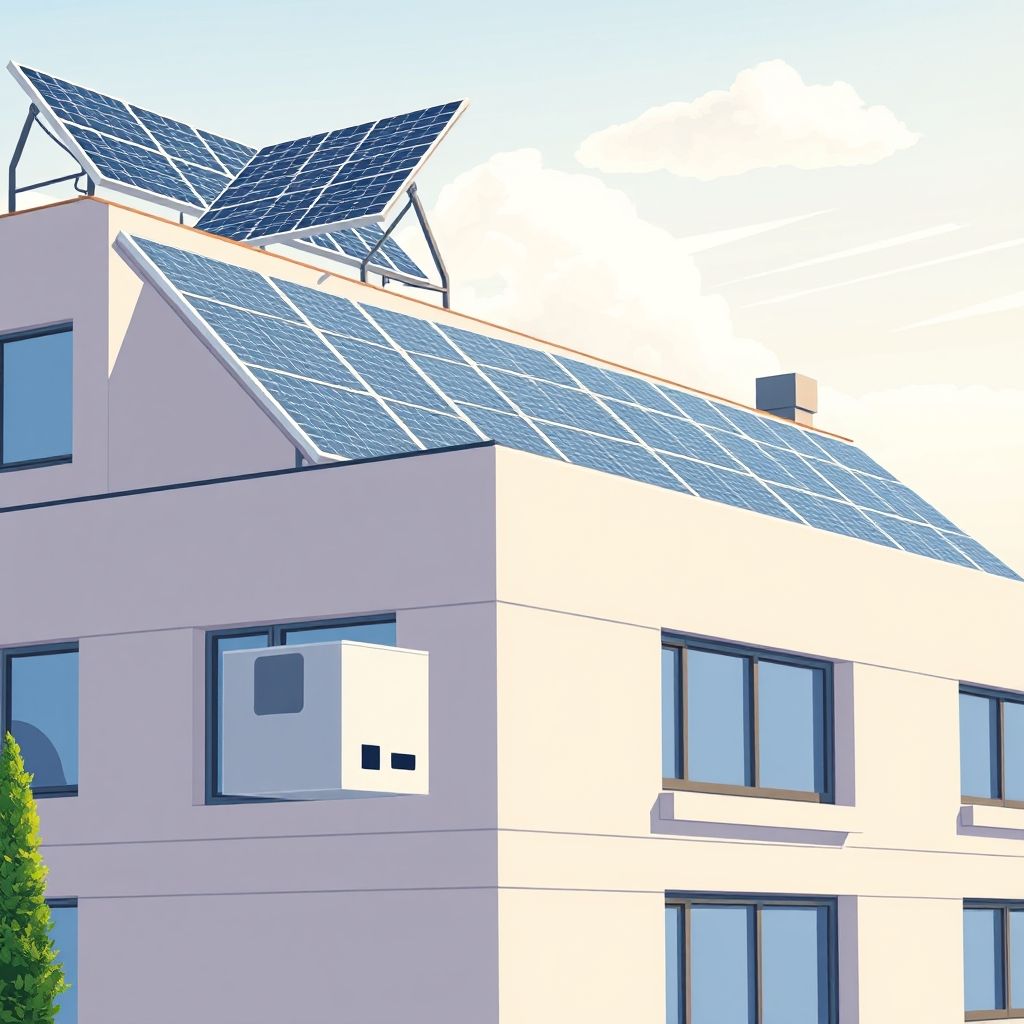
Mova has introduced the LumeGret S5000, a residential energy storage system that unifies solar generation, battery storage, and electric vehicle charging management. The device features an integrated inverter and app-based controls that optimize household power flows and EV charging priorities.
The Blackstone battery energy storage system has received final approval to proceed, with a capacity of up to 500 MW and 2,000 MWh. Located on former coal mining land near Ipswich, Queensland, the project targets commissioning in 2029 to support evening energy peaks.
The Summerfield battery energy storage system has started commissioning, marking the completion of a 20-month construction phase. Owned by Intera Renewables, the facility will store 960MWh of energy to support the South Australian grid.
POWERGRID is soliciting a pre-bid contractor for a 187.5 MW/750 MWh battery energy storage system in Telangana. The project will be developed under a build-own-operate model for TGGENCO with a 15-month completion timeline.
Exide Technologies has introduced the Solition Powerflex, a modular 125 kW/261 kWh battery energy storage system designed for commercial, industrial, and renewable sectors. The system utilizes LFP chemistry and a European-developed control system to support grid services and self-consumption.
The Andhra Pradesh Power Coordination Committee has invited bids for a 5 GWh battery energy storage system under a build-own-operate model. The tender includes strict local content mandates and financial security requirements for developers.
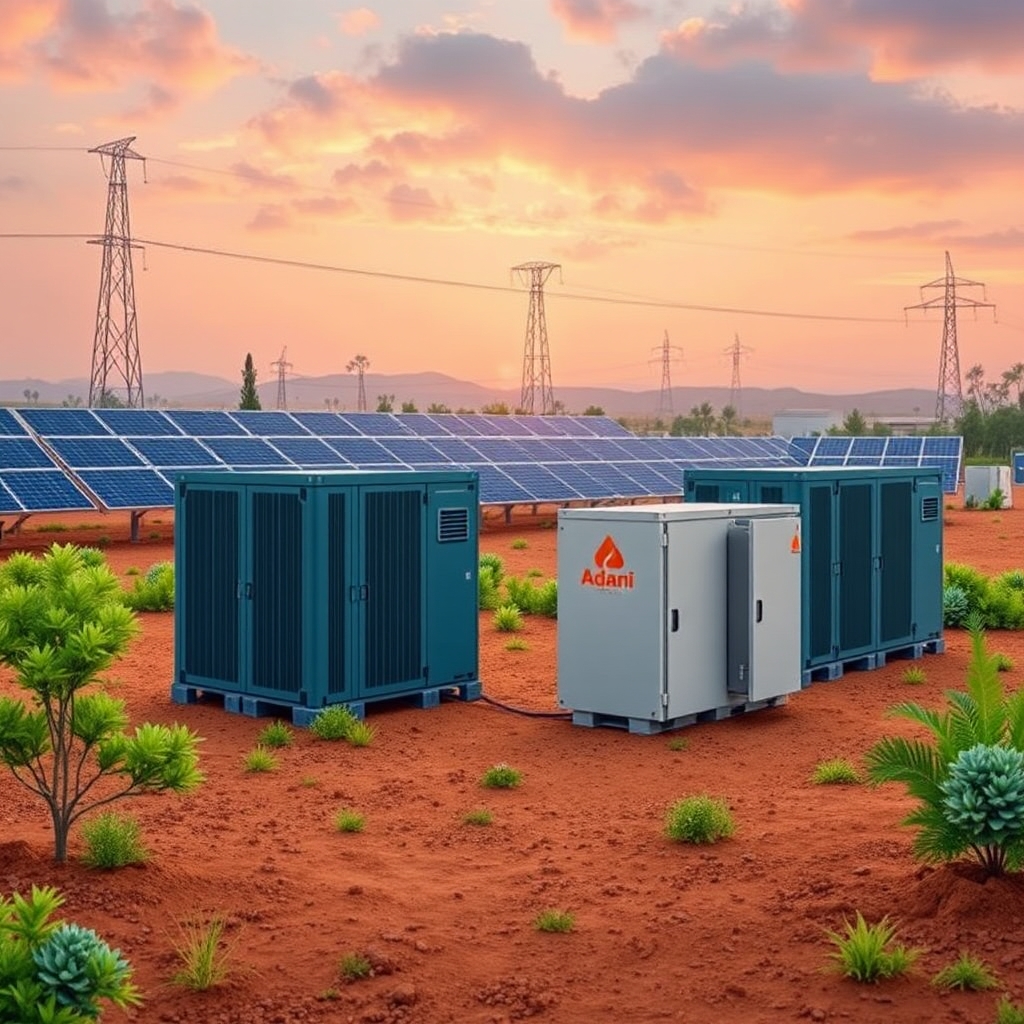
Adani Green Energy has operationalized 3,081 MWh of battery storage in Q2 FY 2027, bringing its total installed BESS capacity to 6,632 MWh. The company aims to exceed 10 GWh of BESS capacity by the end of the financial year, supporting its broader renewable portfolio which grew by 24% year-on-year.
Vikram Solar subsidiary VSL PowerHive has announced plans to construct a major battery energy storage facility near Chennai, Tamil Nadu. The project aims to support India's growing demand for round-the-clock clean power with localized manufacturing.
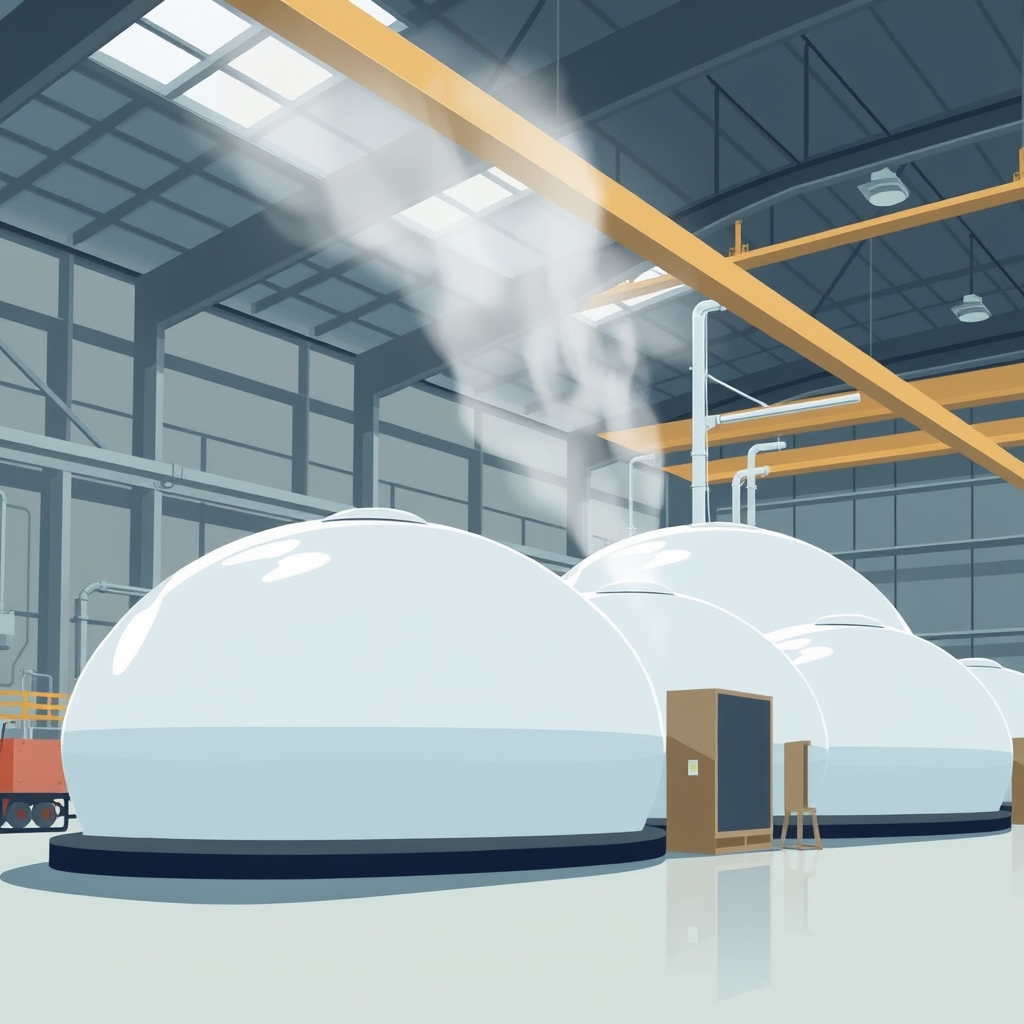
Energy Dome has opened a manufacturing plant in Piacenza, Italy, to produce its innovative compressed air energy storage systems. The company aims to ramp up production to support the growing demand for energy storage solutions.

 Storage