
AI rack power swings from 1 MW to 300 kW in milliseconds
Nvidia and Open Compute Project AI racks are projected to draw peak power of 1 MW by 2028-2029, with output swinging to 300 kW in milliseconds. Energy storage can reduce required incoming power by 20% to 40% to manage these rapid fluctuations.
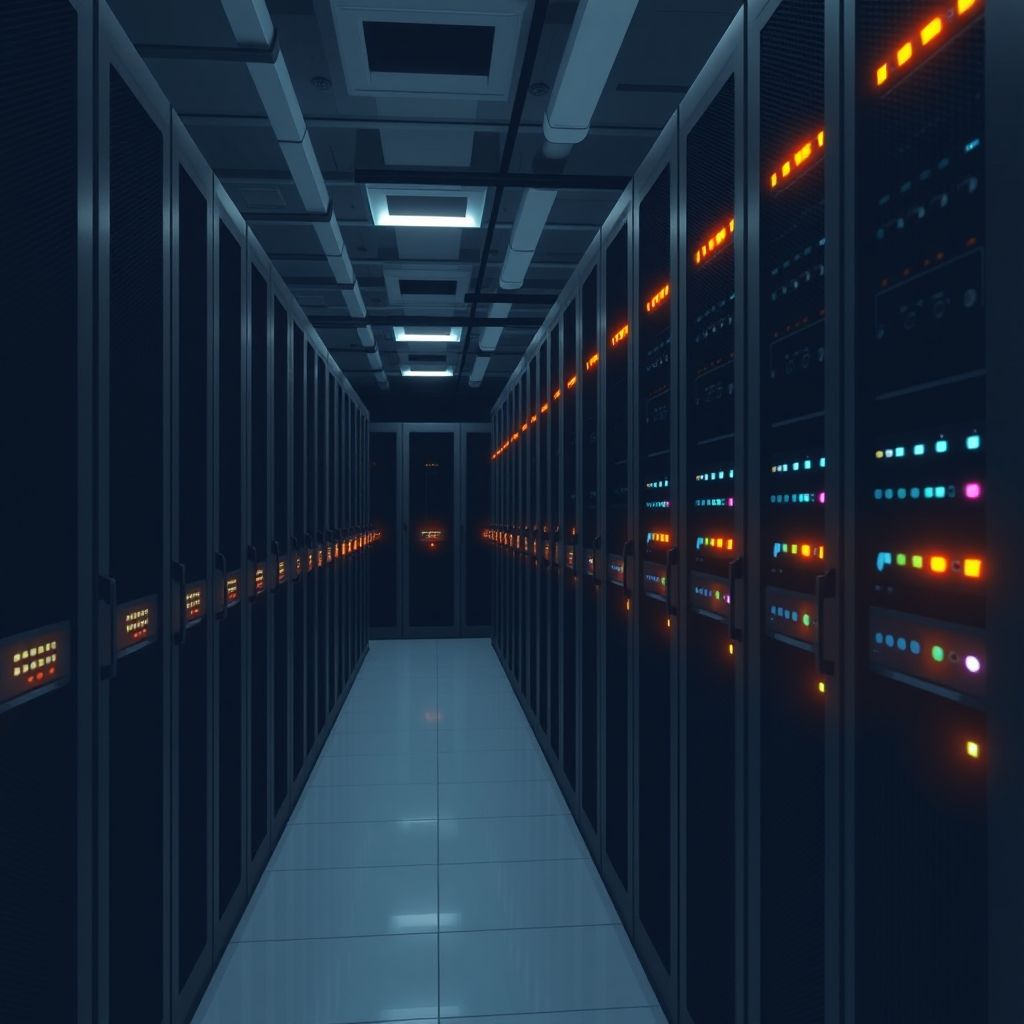
Nvidia and the Open Compute Project report that AI rack peak power is projected to reach 1 MW by 2028-2029. According to the companies, this infrastructure will experience rapid fluctuations in output. Specifically, rack power can swing from 1 MW down to 300 kW within milliseconds.
These figures highlight the dynamic nature of power demands in advanced computing environments. The data indicates that grid connections and facility designs must accommodate these extreme and instantaneous variations. Such volatility presents distinct engineering challenges for electrical infrastructure supporting high-performance AI workloads.
Grid Scale Context
The rapid expansion of battery energy storage systems (BESS) in the United States provides a tangible backdrop for the growing strain on electrical infrastructure. By mid-2026, U.S. utility-scale BESS capacity is projected to reach nearly 52 GW. This figure represents a substantial increase in grid-level resources capable of managing load variations. Over the preceding three years, this sector has expanded at an average annual rate of 70%, indicating a sustained and aggressive buildout of storage capacity. Such growth reflects a broader industry response to the need for flexible assets that can stabilize the grid against fluctuating demand patterns.
Simultaneously, the overall appetite for electricity in the computing sector continues to climb. Global data center electricity consumption is projected to hit 945 TWh by 2030, a significant rise from current levels. This upward trajectory underscores the scale of energy required to support advanced workloads. When viewed alongside the millisecond power swings described in the earlier section, the sheer volume of consumption highlights the dual challenge facing grid operators: managing both the total aggregate load and the instantaneous peaks generated by specific facilities.
The interplay between these two trends defines the current operational environment. Storage systems are being deployed at utility scales to buffer the grid, yet the specific, high-frequency volatility of AI racks requires infrastructure that can react with similar speed. The 70% annual growth rate in U.S. BESS capacity suggests that developers and operators are prioritizing the addition of these flexible resources. Meanwhile, the projected jump in global data center consumption to 945 TWh by 2030 indicates that the baseline demand will continue to pressure transmission and distribution networks. Together, these data points frame the technical solutions discussed next, which must address both the macro-scale energy balance and the micro-scale instantaneous power fluctuations inherent in modern computing centers.
Technical Solutions
Addressing millisecond-level power swings requires hardware capable of rapid charge and discharge cycles, distinct from the slower-response units used for daily energy balancing. Engineers select specific electrochemical cells based on whether the priority is instantaneous peak shaving or sustained energy delivery.
- On-site storage installations can reduce the required incoming power from the grid by 20% to 40%.
- Standard battery units are housed in 20-foot shipping containers, weighing between 100,000 and 150,000 pounds.
- High-rate applications for swift response utilize LFP, lithium titanate, sodium-ion, or supercapacitor chemistries.
- Long-duration storage needs are typically met with lithium or flow batteries.
- Sodium-ion cells operate at 45 to 55 degrees Celsius without the need for active cooling systems.
The distinction between high-rate and long-duration chemistries is critical for AI infrastructure. Supercapacitors and lithium titanate cells handle the immediate, violent spikes in current that occur when racks shift from 300 kW to 1 MW. These systems react in milliseconds, preventing the instantaneous draw from destabilizing the local electrical bus. Conversely, flow batteries and standard lithium cells manage the baseline load over hours or days, smoothing out the aggregate consumption rather than reacting to transient spikes. The physical form factor of these units also impacts facility design. A single 20-foot container holding 100,000 to 150,000 pounds of battery mass requires reinforced flooring and specific logistics for transport and installation, adding mechanical complexity to the electrical solution.
Sodium-ion technology offers a thermal advantage in this context. Operating effectively at 45 to 55 degrees Celsius without active cooling reduces the parasitic load associated with HVAC systems that keep other battery types within safe temperature ranges. This efficiency is particularly relevant in data centers where space is optimized for computing hardware rather than thermal management infrastructure. By reducing the incoming power requirement by 20% to 40%, these on-site storage solutions allow facilities to defer or avoid upgrades to higher-capacity grid connections, which are often constrained by long lead times for transformer and substation construction. The choice of chemistry thus directly influences both the electrical resilience and the physical footprint of the power delivery system.
What to watch
The immediate focus shifts to how facility engineers integrate these disparate storage chemistries into a single, cohesive power delivery architecture. While the physical constraints of heavy containerized units and the specific thermal requirements of sodium-ion cells are now clear, the operational question remains how to orchestrate them. The success of these installations will hinge on the control software’s ability to distinguish between a transient spike requiring instantaneous peak shaving and a sustained load increase that necessitates energy delivery over hours.
The economic viability of deferring grid connection upgrades will be tested in real-world scenarios. If on-site storage can reliably reduce incoming power demands by the projected margin without compromising data center uptime, it may alter the timeline for transformer and substation construction. However, this depends on whether the capital expenditure for high-rate hardware justifies the avoidance of long-lead infrastructure projects. Ultimately, the next phase involves observing whether these technical solutions can scale beyond pilot projects to meet the aggregate demand pressures of the broader computing sector, ensuring that local electrical buses remain stable despite the extreme volatility of modern AI workloads.
Source: pv magazine USA. This article is an original Luminity report based on the linked source.