Average wholesale electricity prices in the National Electricity Market fell 27% year-on-year to $63/MWh in the September quarter, marking the lowest level in five years. AEMO attributes the price drop to increased renewable penetration and grid-scale battery activity, even as underlying demand grew to 25,472 MW.
Google and Voltus are going after 1 GW of virtual-power-plant capacity in PJM, ten times their June target, with customers committing to cut demand or supply battery power at peaks through 2040. PJM's peak-capacity costs have risen more than eightfold as data centres add load.
InfoLink expects global solar demand to fall 13–26% in 2026 to 509–597 GWdc, almost entirely because China’s market drops about 40% after Document No. 136, while demand elsewhere holds near 2025 levels. Cell plants run below 50% utilisation and polysilicon stocks exceed six months of demand.
Waaree Renewable Technologies’ solar EPC revenue fell 42.2% to ₹444.98 crore in Q2 FY27 even as T&D lifted group revenue 36.5%. Sterling and Wilson’s revenue dropped 11.2% to ₹1,527 crore as overseas work wound down and Indian awards were delayed by pending PPAs and costly ALMM List-II compliant modules.
Grauer & Weil India and RENA Technologies have signed an MoU to establish a joint venture for manufacturing solar wet chemical equipment in India. The partnership aims to begin operations by early 2027, addressing the current reliance on imports from Germany and China.
Laura Sartore of Ecoprogetti argues that the era of small-scale solar manufacturing is ending, with 1 GW to 3 GW now the ideal capacity range for sustainable investment. She contrasts Europe's cluster-based model with India's aggressive industrial policy, noting that global supply chains are increasingly turning to protectionism.
Emerging economies have spent more than $235 billion on Chinese clean-energy and electrification imports since early 2024, Ember data shows, including $25.3 billion on grid equipment, more than the rest of the world, and nearly $47 billion on solar. Storage spending is rising but still trails developed economies.
A Seattle-based startup successfully generated a small amount of electricity from a submarine volcano off the Oregon coast. The test marks a preliminary step toward commercial subsea geothermal deployment, with a larger project planned for Tonga.
Verdox completed a two-month industrial trial at Hydro’s Sunndal smelter, capturing CO₂ from dilute exhaust in the presence of real-world contaminants. While the test validates the electrochemical approach, key commercial metrics like full-plant energy use and module lifespan remain unproven.
NTPC Renewable Energy Limited has launched an EPC tender for a 900 MW ground-mounted solar plant near Kurnool, Andhra Pradesh. The scope includes full execution, transmission line construction, and land acquisition for both solar and battery storage.
FOB China TOPCon cell prices edged lower in early October, remaining 13% below late-August peaks as industry executives met to discuss minimum pricing. The discussion follows significant year-on-year declines in Chinese solar capacity additions and upcoming efficiency standards.
New analysis indicates China can produce green hydrogen at $120/MWh, significantly cheaper than Germany or the US. This cost gap makes Chinese exports attractive to Japan despite high seaborne transport fees.
India added a record 51 GW of solar capacity in 2025, 55% more than in 2024, overtaking the US as the largest solar market outside China, according to BloombergNEF. Rooftop solar under PM Surya Ghar was the fastest-growing segment, with subsidies for decentralised agrivoltaic projects also contributing.
Terawatt PV Research projects that Texas will account for nearly 45% of domestic silicon solar module output in 2027, driven by manufacturing hubs in Dallas and Houston. The state’s strategy relies on retrofitting existing infrastructure and leveraging pro-business policies to attract major manufacturers.
PJM, ERCOT, and SWPP all recorded new peak hourly load highs during the summer of 2026, driven by extreme heat. Data from the EIA-930 form confirms these milestones across the nation's largest interconnections.
BloombergNEF now expects 584 GW of global solar installations in 2026, down 10.8% from 655 GW in 2025, as China falls 29% to 271 GW. Installations outside China are projected to grow to 313 GW.
Vikram Solar has secured a 187 MW supply contract for n-type TOPCon modules destined for projects in Karnataka and Tamil Nadu. The order involves high-efficiency glass-to-glass bifacial units with power ratings between 615 and 625 Wp.
Germany’s Federal Network Agency reports 12.76 GW of new solar capacity installed in the first nine months of 2026, slightly exceeding the same period in 2025. Large-scale systems now dominate new installations, while small commercial and residential segments face sharp declines and potential policy changes.
Mexico’s Energy Ministry reports a 6.86 GW solar pipeline alongside significant wind capacity, with CFE holding a dominant share. The country is also advancing major storage procurement and residential solar initiatives to meet 2030 renewable targets.
NLC India Renewables, Coal India, Rama Reflection India and Leo Energies 6 won Rajasthan's 2,450 MW solar auction with 1,600 MW/6,400 MWh of battery storage at Pugal Solar Park. Tariffs ranged from Rs 3.42 to Rs 3.54 per kWh across two lots.
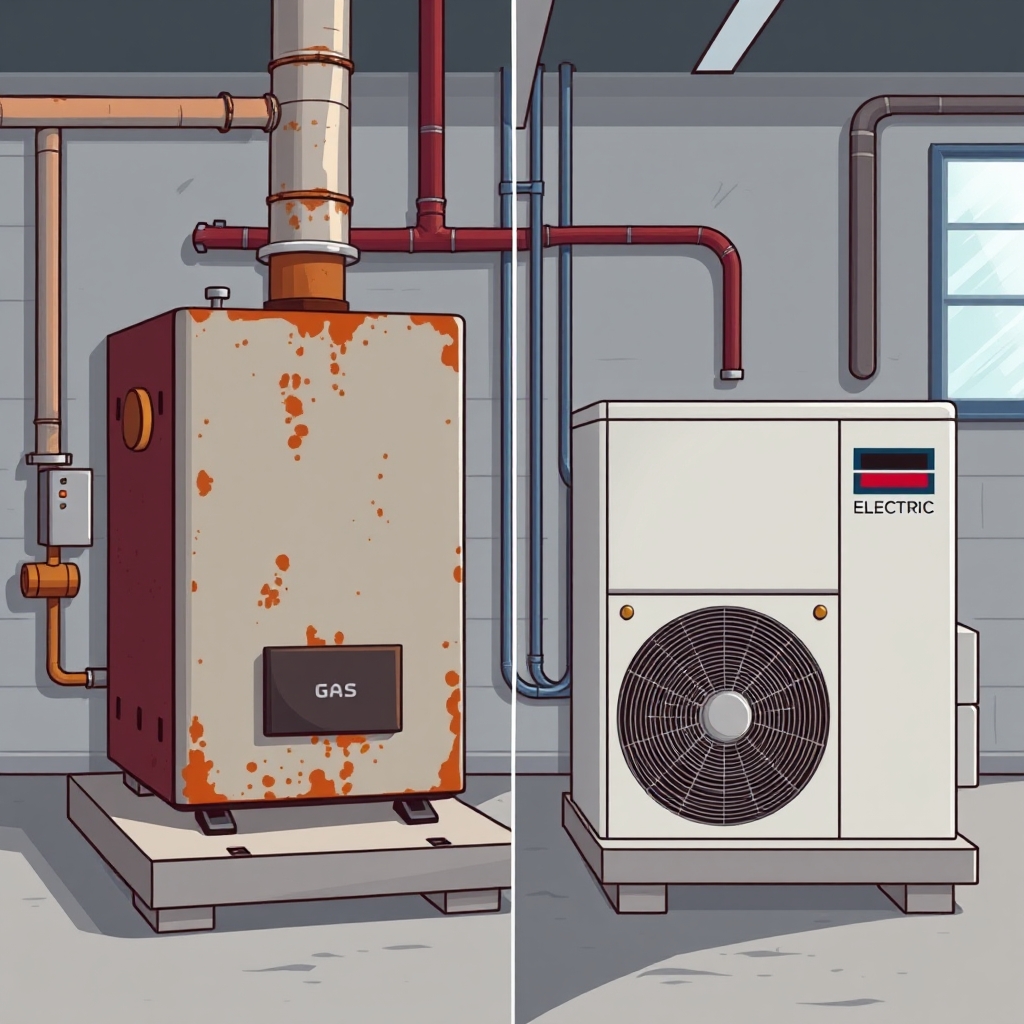
Australian businesses are rapidly shifting from gas to electric heat pumps, a transition described by industry leaders as largely unreported. With new buildings going fully electric and retrofits accelerating, the sector aims to leverage efficiency gains to offset rising energy costs.
AEMO reports that grid-scale batteries set wholesale prices nearly half the time in the September quarter, contributing more to evening peaks than gas generation. Simultaneously, over 700,000 household batteries are reducing grid demand at peak times, with capacity expected to triple by 2030.
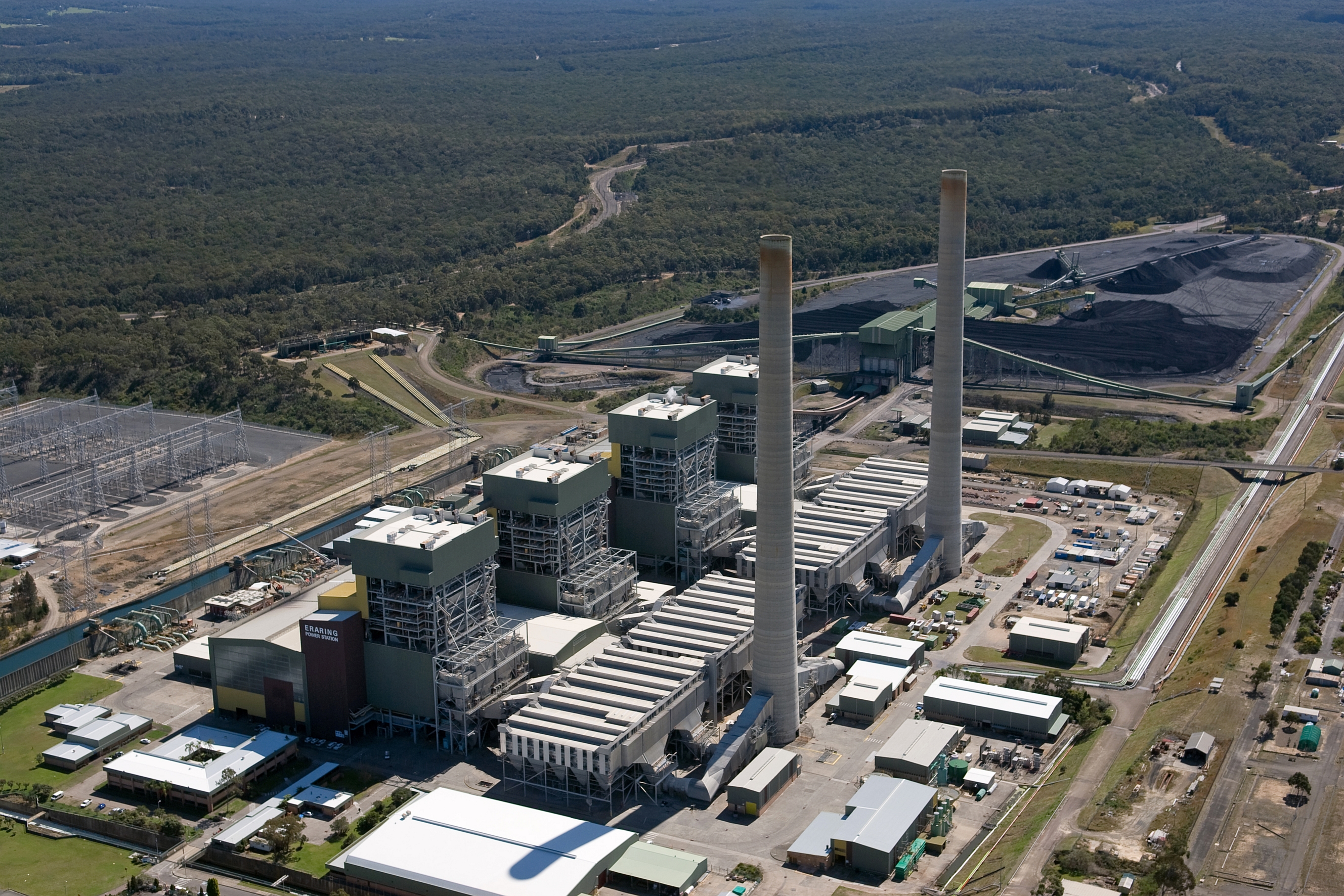
Origin Energy has reaffirmed its plan to shut down Australia's largest coal plant in April 2029, despite two units currently offline for repairs. CEO Frank Calabria stated the timeline remains unchanged even as the station operates at reduced capacity.
TOYO states that current U.S. module capacity is sufficient to meet projected 2026 demand, leading the company to bypass further domestic expansions. The manufacturer is shifting its cell production strategy to a bottom-up analysis of contracted pipelines rather than speculative capacity building.
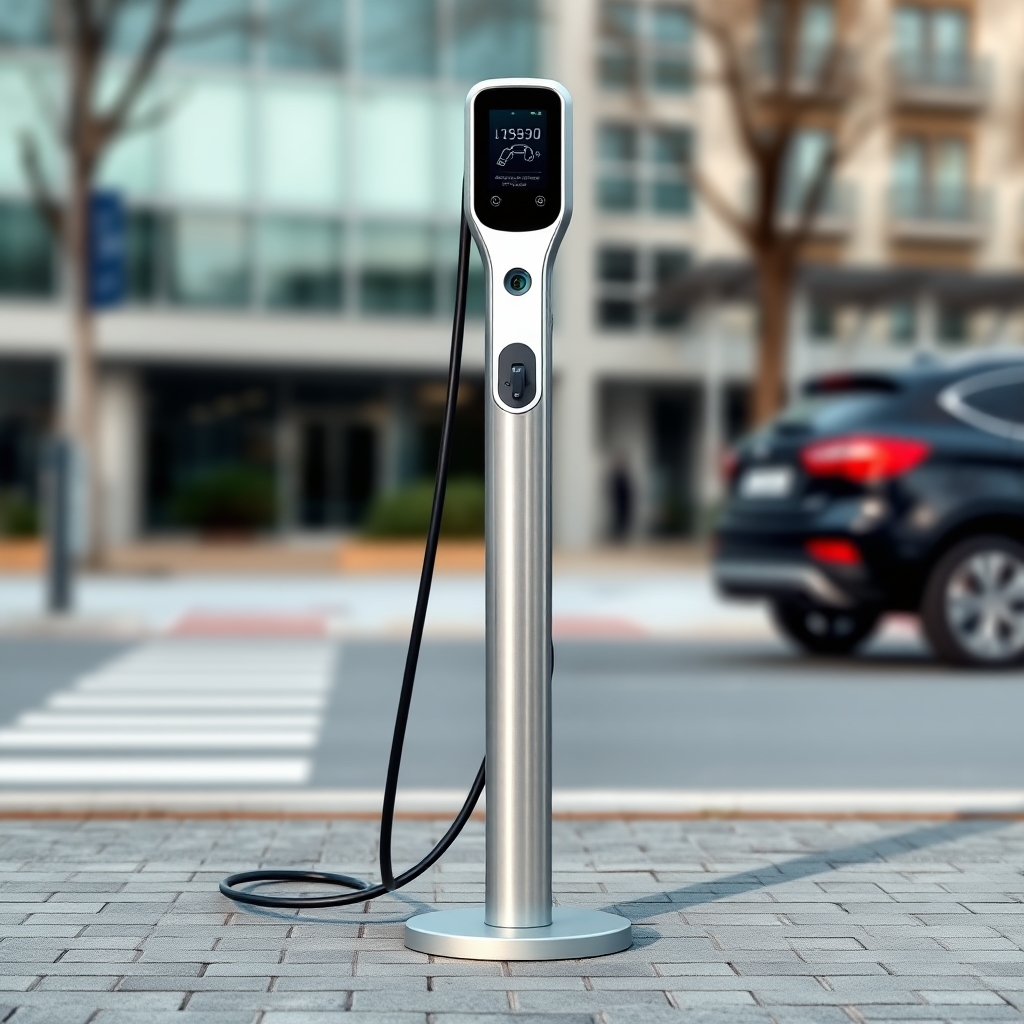
Sydney-based EVX has launched the Polecharger Rapid, a 40–50 kW DC fast charger designed for deployment across Australian communities. The company states the unit is locally manufactured to ensure domestic support for EV infrastructure.
Households across four Australian states are responding to free midday electricity offers, causing a measurable daily surge in grid demand. AEMO confirms the pattern, while analysts describe it as a clear example of market mechanisms functioning as intended.
A new analysis of nearly 8 GW of photovoltaic assets reveals that 87% of inspected projects contain major quality issues. The data highlights significant performance losses and increased maintenance costs associated with these defects.
India’s total cross-border transmission capacity reached 10,323 MW in September 2025, with major expansion underway in Nepal. The network is projected to grow to nearly 25,800 MW by 2030-31 to support regional renewable integration.

 Markets