
EVX unveils Australian-made Polecharger Rapid DC fast charger
Sydney-based EVX has launched the Polecharger Rapid, a 40–50 kW DC fast charger designed for deployment across Australian communities. The company states the unit is locally manufactured to ensure domestic support for EV infrastructure.
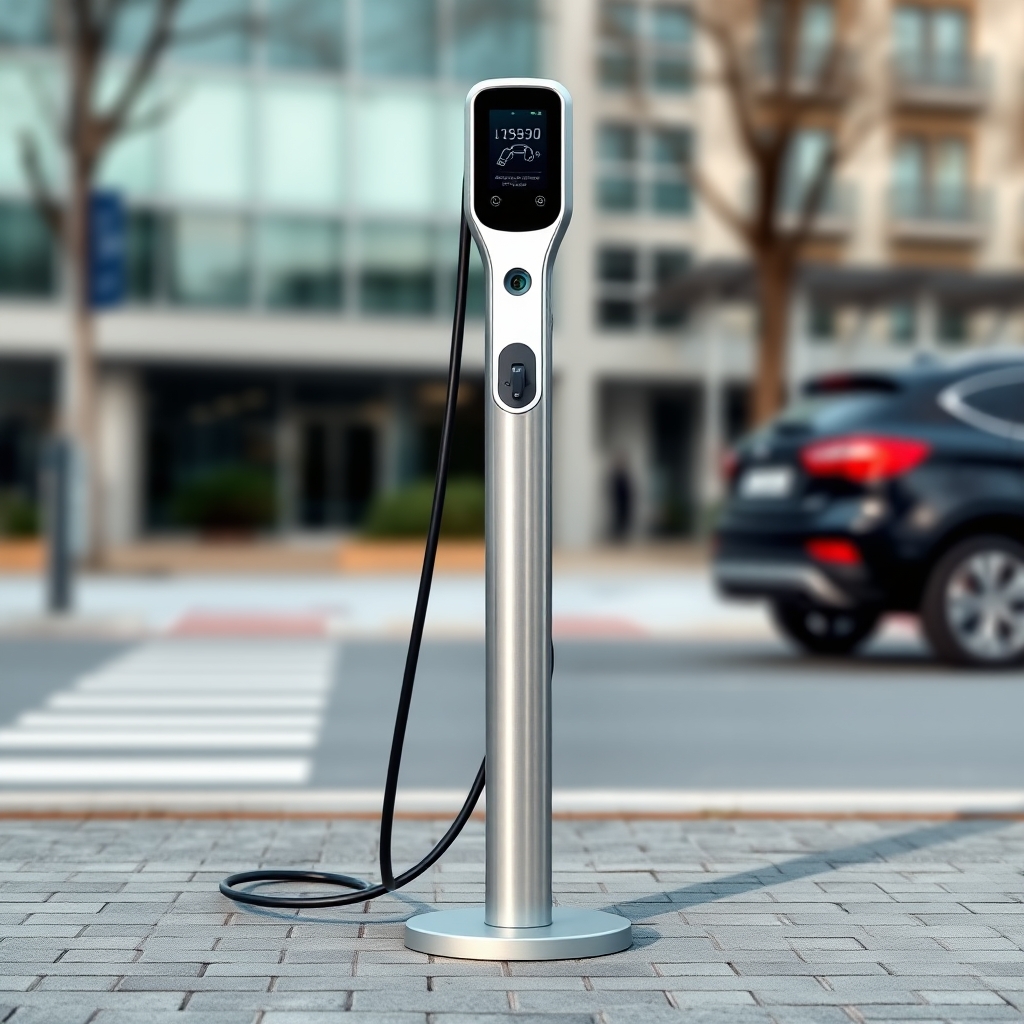
EVX, a Sydney-headquartered EV charger manufacturer, has unveiled its latest hardware addition, the Polecharger Rapid. The new device is a pole-mounted DC fast charger that distinguishes itself through its origin, as it is both designed and manufactured in Australia.
According to pv magazine, the launch marks a specific focus on domestic production capabilities within the local energy sector. The company positions this new unit as a distinct step in its product development trajectory, emphasizing the importance of local manufacturing for the Australian market.
Technical specifications
The Polecharger Rapid delivers a direct current output ranging from 40 to 50 kilowatts. In the broader context of electric vehicle infrastructure, this power band sits comfortably within the mid-range segment of DC fast charging. While ultra-high-power chargers now dominate headlines with figures exceeding three hundred kilowatts, units in the 40–50 kW bracket serve a distinct and vital purpose. They offer a substantial speed improvement over standard AC charging points, which typically operate at much lower power levels, while avoiding the extreme electrical demands and associated grid reinforcement costs often required for the highest-tier chargers. For developers and site operators, this middle ground often represents a practical balance between charging speed, hardware cost, and the complexity of connecting to the local electricity network.
From a user perspective, the practical implication of this output level is significant. Vehicles compatible with the Polecharger Rapid can complete a charge in one hour or less. This timeframe aligns with common stopover durations during travel, such as a lunch break or a short rest period. Typically, charging speeds are not constant; they taper off as the battery reaches higher states of charge or when thermal management systems engage to protect battery health. However, the ability to replenish a meaningful portion of the battery within this window transforms the charging session from a long wait into a manageable pause in the driving day.
This specification suggests the device is engineered for reliability and consistent performance rather than peak power metrics alone. By focusing on a stable 40–50 kW range, the charger aims to provide predictable charging times for drivers. For fleet operators or public charging networks, such consistency is often more valuable than sporadic bursts of higher power, as it allows for better planning of vehicle availability and infrastructure utilization. The design prioritizes a straightforward, efficient charging experience that fits seamlessly into existing driving habits, ensuring that the transition to electric mobility remains convenient and unobtrusive for everyday users.
Product lineup context
- The Polecharger Rapid joins an existing hardware portfolio that already includes the 22 kW dual-charging Polecharger.
- This new addition expands the manufacturer’s range into higher power output levels.
- The launch introduces a distinct power tier above the previously available dual-charging unit.
The introduction of the Polecharger Rapid places it directly alongside the established 22 kW dual-charging model, creating a clear hierarchy within the company’s current hardware offerings. For infrastructure developers and site operators, having a defined range of power outputs allows for more tailored deployment strategies. Rather than relying on a single charger type for all locations, operators can match the specific power tier to the site’s grid capacity, vehicle mix, and expected dwell times. The presence of a lower-power dual-charging option suggests that the manufacturer recognizes the need for varied charging scenarios, from slower top-ups to faster replenishment sessions.
This product differentiation is particularly relevant in the current market, where site constraints often dictate charger selection. A 22 kW unit may be suitable for locations with limited electrical infrastructure or where vehicles remain parked for extended periods, while the newer Rapid model addresses the demand for quicker turnover times. By maintaining both options, the company provides flexibility that allows investors and developers to optimize their return on investment. Typically, a diversified product lineup reduces the risk of over-specifying hardware for certain sites, ensuring that grid reinforcement costs are commensurate with the actual charging speed required. This approach supports a more pragmatic rollout of electric vehicle infrastructure, where the right tool is selected for the specific operational context rather than a one-size-fits-all solution.
Deployment strategy
EVX has scheduled the initial rollout of the Polecharger Rapid for early 2027. This timeline suggests a deliberate approach to market entry, allowing time for supply chain stabilization and site preparation before units reach the field. For infrastructure developers, such a lead time is often necessary to coordinate with local utility providers, secure permits, and finalize grid connection agreements. It also provides a window for operators to refine operational protocols and training for maintenance crews, ensuring that when the chargers go live, they are supported by a competent service network.
The geographic scope of these early installations is notably broad, spanning urban, regional, and rural Australian communities. This multi-tiered deployment strategy addresses the diverse charging needs across the country. Urban sites typically face space constraints and high demand, requiring reliable, fast-turnaround hardware. In contrast, regional and rural areas often suffer from a lack of charging infrastructure, where even a mid-power DC charger can significantly reduce range anxiety for travelers and local residents. By targeting these varied environments simultaneously, the rollout aims to create a more cohesive national network rather than concentrating capacity solely in major metropolitan hubs.
Such a distributed approach is critical for equitable access to electric mobility. It ensures that the benefits of faster charging are not limited to dense city centers but extend to the outback and smaller towns, which are vital for long-distance travel routes. For investors, this strategy diversifies risk across different market segments and economic conditions. It also signals a commitment to building a robust, nationwide backbone for EV infrastructure, supporting the broader transition to electric vehicles by making charging accessible regardless of location.
What to watch
As EVX prepares for its early 2027 rollout, attention will turn to how the company executes its promise of domestic support. Andrew Forster, the Chief Executive Officer of EVX, frames the Polecharger Rapid as the next step in the company’s development. He emphasizes that the goal is for Australian customers to have an Australian manufacturer standing behind the product. This statement highlights a growing trend in the energy sector where local accountability and service proximity are becoming key differentiators for infrastructure buyers. For developers and investors, the presence of a domestic manufacturer can simplify supply chain logistics and potentially reduce the time required for technical support and spare parts delivery.
The coming months will reveal how effectively EVX balances this local presence with the broader, multi-tiered deployment strategy across urban, regional, and rural areas. Readers should look for updates on site preparation progress and any partnerships with local utility providers that might accelerate grid connections. The success of the initial units will depend on their ability to deliver consistent performance in varied environmental conditions. While the technical specifications suggest reliability, real-world data from the first installations will provide the most concrete evidence of the charger’s durability. Observers should also note whether the company expands its service network in line with the geographic spread of the hardware, ensuring that the promise of local support translates into tangible operational benefits for site operators and end users alike.
Source: pv magazine. This article is an original Luminity report based on the linked source.