
NTPC REL Bids 900 MW Kurnool Solar Project With BESS Land
NTPC Renewable Energy Limited has launched an EPC tender for a 900 MW ground-mounted solar plant near Kurnool, Andhra Pradesh. The scope includes full execution, transmission line construction, and land acquisition for both solar and battery storage.
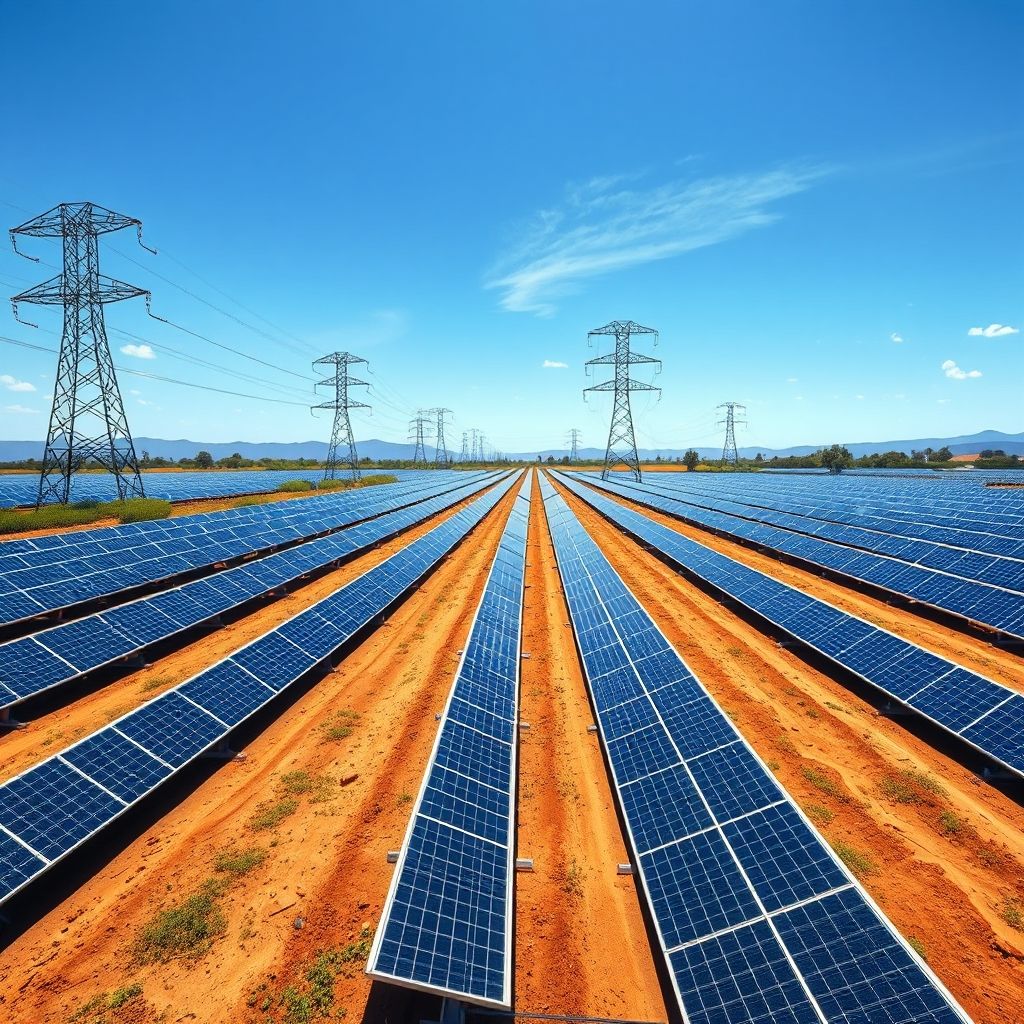
NTPC Renewable Energy Limited has issued an EPC tender for a 900 MW solar project. According to the company, the facility is located near Kurnool in Andhra Pradesh. The bid process marks a move to expand utility-scale solar capacity in the region.
The tender targets the engineering, procurement, and construction of the plant. NTPC REL is seeking qualified bidders to execute the project. The 900 MW capacity is intended to contribute to the state’s renewable energy mix. Specific technical requirements and the inclusion of battery energy storage systems (BESS) are detailed in the tender documents.
This development aligns with broader efforts to increase solar deployment in India. The Kurnool site is known for its solar potential. The outcome of the tender will determine the construction partner for this significant addition to the grid. Details on land allocation and grid connectivity are part of the bidding criteria.
Infrastructure and Transmission Scope
The tender places substantial transmission obligations on the successful bidder, requiring the development to manage its own high-voltage connectivity rather than relying on existing infrastructure. The developer is responsible for constructing a 400 kV terminal line bay at the existing substation, a critical interface point that allows the plant to inject power into the grid. This requirement shifts the burden of substation expansion and interface engineering to the contractor, ensuring the site can handle the full output of the facility.
Beyond the substation interface, the developer must construct the 400 kV transmission line itself. This involves securing the Right of Way, a process that often proves complex and time-consuming due to land acquisition and local approvals. Securing this corridor is essential for moving electricity efficiently over the distances typical for utility-scale solar projects, which are frequently sited away from major load centers.
The scope includes installing telemetry to the ISTS pooling substation. Telemetry systems provide the real-time data necessary for grid operators to monitor voltage, frequency, and power flow. For a large solar plant, this connectivity is vital for maintaining grid stability, as it allows control centers to manage the variable nature of solar generation. Integrating these systems ensures the plant operates in sync with the broader interstate transmission network, meeting the technical standards required for synchronized grid operation.
Land and Ancillary Requirements
- Scope includes land acquisition for solar and BESS projects.
- Work includes full EPC execution, civil works, and solar module supply.
The tender explicitly assigns the responsibility of land acquisition for both the solar array and the associated battery energy storage systems to the project scope. This distinction is significant because battery storage requires different site preparation and safety clearances compared to photovoltaic panels alone. By bundling the land requirements for both technologies, the process ensures that the physical footprint for the entire hybrid facility is secured under a single contractual framework. This approach simplifies coordination between the solar generation assets and the storage units, which must be co-located to manage grid integration effectively.
Alongside the land, the contractor must handle full EPC execution, encompassing all civil works and the supply of solar modules. Civil works in this context involve the structural foundations, access roads, and drainage systems necessary to support the heavy infrastructure of a utility-scale plant. The inclusion of module supply within the EPC scope means the bidder is responsible for sourcing and delivering the specific photovoltaic technology that will generate the electricity. This comprehensive mandate places the technical and logistical burden of assembling the physical plant entirely on the selected partner, linking the construction phase directly to the procurement of key components.
O&M Obligations
The tender imposes a three-year operation and maintenance (O&M) liability on the successful bidder, extending their responsibility well beyond the construction phase. This post-commissioning period requires the developer to actively manage the facility’s daily performance, ensuring that the solar arrays and associated systems continue to generate power at specified efficiency levels. By retaining O&M duties for this initial window, the project owner aligns the contractor’s financial incentives with the plant’s early reliability. If output drops below expected thresholds during these first three years, the contractor remains directly accountable for rectifying issues, rather than transferring that burden to a separate service provider immediately upon handover.
This arrangement is particularly relevant given the project’s physical configuration as a ground-mounted, ISTS-connected facility. Ground-mounted systems involve extensive tracking mechanisms and large-scale electrical infrastructure that require regular inspection and calibration to maintain optimal alignment and electrical integrity. Connecting directly to the Interstate Transmission System (ISTS) further elevates the technical standards for grid synchronization and stability. The O&M provider must therefore possess the specialized expertise to troubleshoot complex grid-interface challenges and manage the hybrid nature of the site, which includes battery energy storage components. For utility-scale solar projects, this early operational phase is critical for establishing baseline performance data and ensuring that the plant meets its contractual energy delivery commitments to the grid operator.
What to watch
The immediate next milestone for this tender is the bid submission deadline, set for November 16, 2026. This date marks the final point at which interested developers can formally commit to the project’s extensive requirements, including the full EPC scope, land acquisition, and transmission line construction. For potential bidders, the period leading up to this deadline will be defined by the completion of detailed due diligence. This process involves verifying the feasibility of securing the necessary Right of Way for the 400 kV transmission line, a step that often dictates the overall project timeline due to the complexity of local approvals and land negotiations.
In addition to the hard deadline, readers should monitor the evaluation criteria that will determine the successful partner. Since the tender bundles land acquisition, module supply, and a three-year O&M liability into a single contract, the financial and technical risk profile is substantial. The outcome will hinge on how bidders structure their proposals to cover these multifaceted obligations while ensuring the grid connectivity required for the ISTS pooling substation.
Source: Saur Energy. This article is an original Luminity report based on the linked source.