
Origin confirms Eraring closure for April 2029 despite ongoing tube leak repairs
Origin Energy has reaffirmed its plan to shut down Australia's largest coal plant in April 2029, despite two units currently offline for repairs. CEO Frank Calabria stated the timeline remains unchanged even as the station operates at reduced capacity.
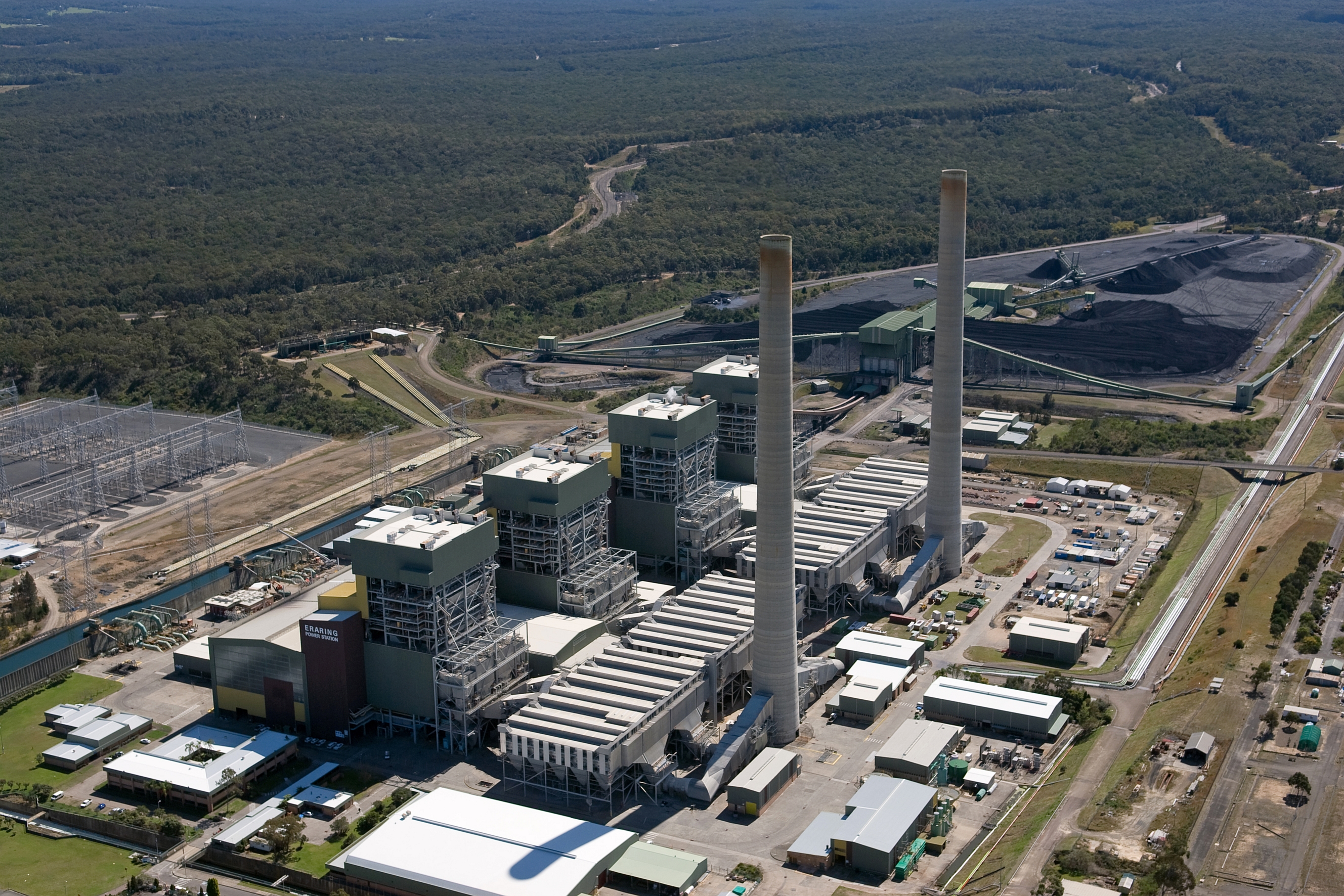
Origin Energy has confirmed it will close the Eraring coal-fired power station in April 2029, according to a report by RenewEconomy. Despite ongoing repairs to tube leaks at the site, the company’s timeline remains unchanged.
CEO Frank Calabria stated that there is no alteration to the 2029 closure date. This decision holds firm even as technical work continues at the facility.
Eraring is Australia’s largest coal-fired generator, with a capacity of 2.88 gigawatts. The confirmation underscores the company’s commitment to its existing retirement schedule for the major energy asset.
Operational Status
Eraring’s current operational footprint has contracted significantly, with two of its four generating units currently offline due to persistent tube leaks. This reduction in active capacity forces the remaining infrastructure to shoulder a disproportionate share of the plant’s total output, a dynamic that inherently strains mechanical components and reduces overall efficiency. For large thermal generators, maintaining a balanced load across all units is critical for minimizing wear and tear; when half the fleet is grounded, the operational margin for error narrows considerably. The plant is consequently running at lower capacity factors than previously, meaning it is producing less electricity relative to its installed maximum potential.
This shift in performance metrics matters beyond the immediate site boundaries. Capacity factors serve as a key indicator of asset health and economic viability for investors and grid operators alike. When a major generation source operates below its historical benchmarks, it signals increased volatility in supply reliability. Typically, such reductions prompt grid operators to adjust their dispatch algorithms, relying more heavily on other baseload sources or dispatchable renewables to fill the gap. For developers and market participants, observing a decline in capacity factors provides tangible evidence of the aging infrastructure challenges that characterize the broader transition away from legacy coal assets. It highlights the growing gap between nominal capacity and actual deliverable power, a distinction that becomes increasingly important as the grid integrates higher proportions of intermittent renewable energy. The current state underscores how physical degradation directly impacts the plant’s role in maintaining system stability, even as the final retirement date remains fixed.
Repair Schedule
The maintenance timeline for the offline generating units has been finalized, providing a concrete schedule for restoring partial capacity to the grid.
- Unit 1 is expected to return to service by October 20.
- Unit 3 is anticipated to be back online by October 23.
These specific dates mark the completion of the ongoing tube leak repairs that have kept half of the station’s fleet grounded. The staggered return of these two units will allow the plant to gradually increase its output rather than attempting a simultaneous restart, a standard practice in thermal power operations to manage thermal stress on machinery and ensure grid stability. For grid operators, this phased approach reduces the risk of sudden load shifts that could destabilize the network, particularly during the transition period before the plant’s final retirement.
From an operational standpoint, bringing Unit 1 online first provides an immediate buffer, allowing engineers to monitor performance under load before activating Unit 3. This sequential strategy is typical for large coal-fired stations undergoing significant maintenance, as it helps identify any residual issues in the turbine or boiler systems before full capacity is restored. The three-day gap between the two restarts suggests a deliberate pacing of the repair process, ensuring that each unit meets all safety and efficiency benchmarks before contributing to the broader energy supply. This controlled reintegration is essential for maintaining the reliability of the remaining operational units, which have been carrying a heavier share of the plant’s total output during the downtime.
Regional Impact
The lower Hunter Valley region of New South Wales faces a profound structural shift in its energy supply chain as the closure date for Eraring approaches. Situated in this industrial heartland, the station has historically served as a foundational pillar of the state’s electricity network. Its output accounts for approximately one-fifth of total New South Wales power generation, a share that represents a substantial portion of the state’s daily energy consumption. Removing such a large, dispatchable baseload source from the grid is rarely a simple like-for-like substitution; it necessitates a fundamental reimagining of how the region sources its electricity.
For local consumers and businesses, this transition carries implications for both pricing volatility and supply security. When a single asset provides such a high proportion of regional demand, its departure creates a significant capacity gap that must be filled by a combination of other thermal plants, renewable energy sources, and potentially imported power. The Hunter Valley has long been defined by its coal mining and processing industries, so the retirement of the state’s largest coal-fired generator signals a broader economic and infrastructural pivot. It forces a re-evaluation of local grid infrastructure, which has been designed around the assumption of a massive, stable local power source.
This scale of reduction also heightens the visibility of grid stress events. With a smaller share of the total load managed by the region’s primary local generator, any fluctuations in supply or demand become more pronounced. The community is thus at the forefront of the broader energy transition, experiencing firsthand the complexities of replacing centralized, fossil-fuel-heavy generation with a more distributed and diverse mix. The fixed timeline for closure means that this regional adjustment is not a distant theoretical concern but an immediate planning imperative for local authorities and network operators.
What to watch
With the retirement date locked in, attention now shifts to how the grid absorbs the loss of this major baseload asset. Readers should monitor the progress of the upcoming unit restarts, specifically whether the staggered return of the offline generators proceeds without delay. Any slippage in these maintenance milestones could tighten the operational margin further, forcing grid operators to lean harder on alternative sources during the interim period.
Beyond the immediate mechanical fixes, the broader challenge lies in replacing the dispatchable capacity that leaves with the plant. Typically, filling such a substantial gap requires a complex mix of new renewable projects, energy storage, and potentially imported power. Developers and investors will be watching closely to see which new assets are commissioned to offset the decline. For local consumers, the key question is how pricing volatility might shift as the region adjusts to a less centralized supply model.
Network operators will also need to demonstrate that their dispatch algorithms can manage the increased variability without frequent stress events. The focus must remain on the practical integration of new resources, ensuring that the transition does not compromise reliability. As the final months approach, the success of this phase-out will depend on the seamless coordination between existing thermal plants, emerging renewable infrastructure, and real-time grid management strategies.
Source: RenewEconomy. This article is an original Luminity report based on the linked source.