
Emerging Markets Pivot To Nuclear And Geothermal As Solar Import Costs Surge
Emerging economies have allocated over $235 billion to Chinese clean-tech imports since early 2024, with solar systems representing a significant portion. Meanwhile, Bangladesh’s Rooppur nuclear plant has reached criticality, signaling a diversification of energy sources in the Global South.
Emerging economies have poured over $235 billion into imported Chinese clean-energy technologies since early 2024, according to data from the energy think tank Ember published on October 19, 2026. This substantial financial outflow highlights a deepening reliance on external supply chains for critical infrastructure. Within this broader trend, the Global South specifically allocated nearly $47 billion toward Chinese photovoltaic systems during the same period.
These figures underscore a significant shift in how developing nations are sourcing their energy transition components. The concentration of spending on imports raises questions about long-term energy security and domestic manufacturing capabilities. As costs for solar technology fluctuate, the dependence on external suppliers becomes a central factor in national energy strategies. The data, as reported by Saur Energy, provides a clear snapshot of current market dynamics without implying a direct causal link between import volumes and specific policy outcomes.
Solar Import Dominance
While photovoltaic modules dominate the headlines, the infrastructure required to integrate that power into national grids tells a different story of dependency. Emerging economies have spent $25.3 billion on imported Chinese grid equipment since 2024. This expenditure covers the transformers, switchgear, and transmission components necessary to move electricity from generation sites to consumers. Without this hardware, installed solar capacity remains isolated and unusable for the broader population. The scale of this investment indicates that the bottleneck for energy transition in these regions is no longer just panel availability, but the physical connection of that power to existing networks.
The financial commitment to this specific category of hardware reveals a distinct pattern compared to the rest of the world. Other global markets spent $23.8 billion on comparable grid equipment over the same period. This near-parity in spending highlights that emerging economies are not merely adopting low-cost solar panels; they are investing heavily in the complex electrical infrastructure that supports them. The choice to source this critical equipment from Chinese suppliers suggests that the supply chain extends far beyond the generation asset itself. For grid operators in these markets, securing reliable transmission hardware is as vital as securing the panels that feed it.
This dynamic is further contextualized by the broader market share held by the Global South. The region accounts for 55.4% of global spending on Chinese photovoltaic systems. This majority share underscores the central role these markets play in the current solar boom. The high volume of purchases means that fluctuations in supply or pricing for both panels and grid equipment will have a disproportionate impact on the energy transition timelines in these nations. The concentration of demand in the Global South creates a unique market structure where a small number of suppliers serve the vast majority of the world’s fastest-growing solar sector.
Storage And EV Shifts
- Emerging economies spent $73.2 billion on imported Chinese electric vehicles between January and August 2026.
- Spending on these vehicles in the same region was $6 billion in 2023.
- Developed economies accounted for 71% of global spending on Chinese battery storage since 2024.
- Emerging economies accounted for the remaining 29% of this spending.
- Battery storage purchases by emerging economies increased from approximately $9 billion in January–August 2024 to $21 billion in January–August 2026.
The surge in electric vehicle imports reflects a rapid acceleration in adoption across developing markets. The jump from $6 billion in 2023 to $73.2 billion in the first eight months of 2026 indicates that EVs have become a major component of imported clean technology, rivaling the scale of solar and grid equipment. This shift suggests that the energy transition in these regions is expanding beyond stationary power generation to include transport electrification, driven by the availability of affordable Chinese-manufactured vehicles.
While developed markets still dominate battery storage purchases, holding a 71% share since 2024, emerging economies are closing the gap. Their spending on this critical infrastructure more than doubled, rising from about $9 billion in early 2024 to $21 billion in the same period of 2026. This growth is essential for managing the intermittent nature of renewable energy sources. As these nations integrate more solar and wind power, they require substantial storage capacity to stabilize the grid, making Chinese battery systems a key part of their strategy to balance supply and demand.
Diversification Beyond Solar
As solar import costs surge, emerging markets are turning to alternative baseload technologies to stabilize their grids. The International Energy Agency estimates that next-generation geothermal costs could reach $50/MWh by 2035, offering a competitive price point for long-term energy security. This projection highlights how advanced drilling and reservoir management techniques are making geothermal a viable option for nations seeking to reduce reliance on imported photovoltaic hardware.
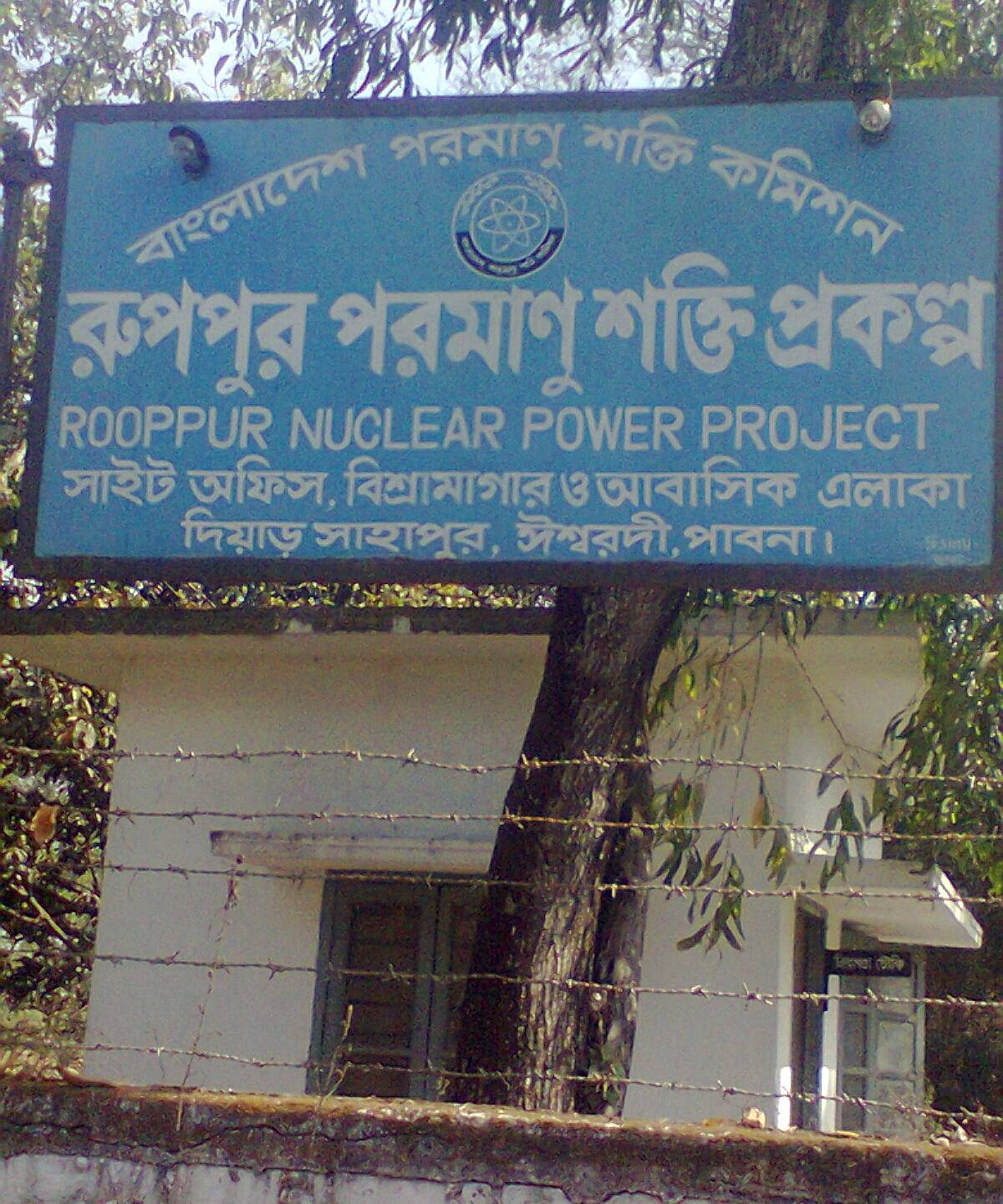
Simultaneously, nuclear power is re-entering the energy mix of developing countries. Bangladesh’s Rooppur nuclear plant saw its first 1,200 MW unit achieve criticality on October 11, 2026. This milestone marks the beginning of commercial operations for a facility that comprises two units with a combined planned capacity of 2,400 MW. Achieving criticality signifies that the reactor has reached a self-sustaining chain reaction, a critical technical step before electricity generation begins. For Bangladesh, this project represents a significant shift toward domestic, low-carbon baseload capacity, reducing the vulnerability associated with importing solar components and grid infrastructure from external suppliers.
What to watch
With the first unit at Rooppur having reached criticality, attention now turns to whether Bangladesh can meet its target for initial grid contribution in November 2026. This specific timeline is critical because it determines how quickly the 1,200 MW unit can begin delivering firm power to the national grid, effectively testing the operational readiness of the plant’s latest milestone. While the reactor has achieved a self-sustaining chain reaction, the transition from criticality to actual electricity generation involves additional commissioning steps that must be completed within this narrow window.
For observers tracking the broader diversification strategy, this November date serves as the immediate benchmark for nuclear’s viability as a replacement for imported solar hardware. If the grid contribution proceeds as planned, it will demonstrate that developing nations can successfully commission large-scale nuclear assets to stabilize their grids against the surging costs of photovoltaic imports. The success of this single milestone will likely influence how other emerging markets view nuclear and geothermal investments as practical alternatives to their current reliance on Chinese-made grid equipment and panels.
Source: Saur Energy. This article is an original Luminity report based on the linked source.