
Free midday power offers drive 360 MW NEM demand spike
Households across four Australian states are responding to free midday electricity offers, causing a measurable daily surge in grid demand. AEMO confirms the pattern, while analysts describe it as a clear example of market mechanisms functioning as intended.
RenewEconomy reports that demand for the new midday power offers has surged, with 360 MW of new energy management systems (NEMs) connected across South Australia, New South Wales, Queensland, and Victoria. The spike follows the rollout of free three-hour power plans, which were introduced in July for South Australia, New South Wales, and Queensland. Victoria’s Midday Power Saver offer joined the mix just two weeks ago, extending the availability of these incentives to more households.
While the timing of the NEM installations aligns with the launch of these offers, it is important to note that correlation does not imply causation. The 360 MW figure represents a preliminary estimate of demand driven by the availability of free midday electricity. Households in the four states are now able to take advantage of these specific tariff structures, which encourage shifting consumption to peak solar hours. The rapid uptake suggests a strong market response to the financial incentives provided by the new plans.
The Daily 11am Surge
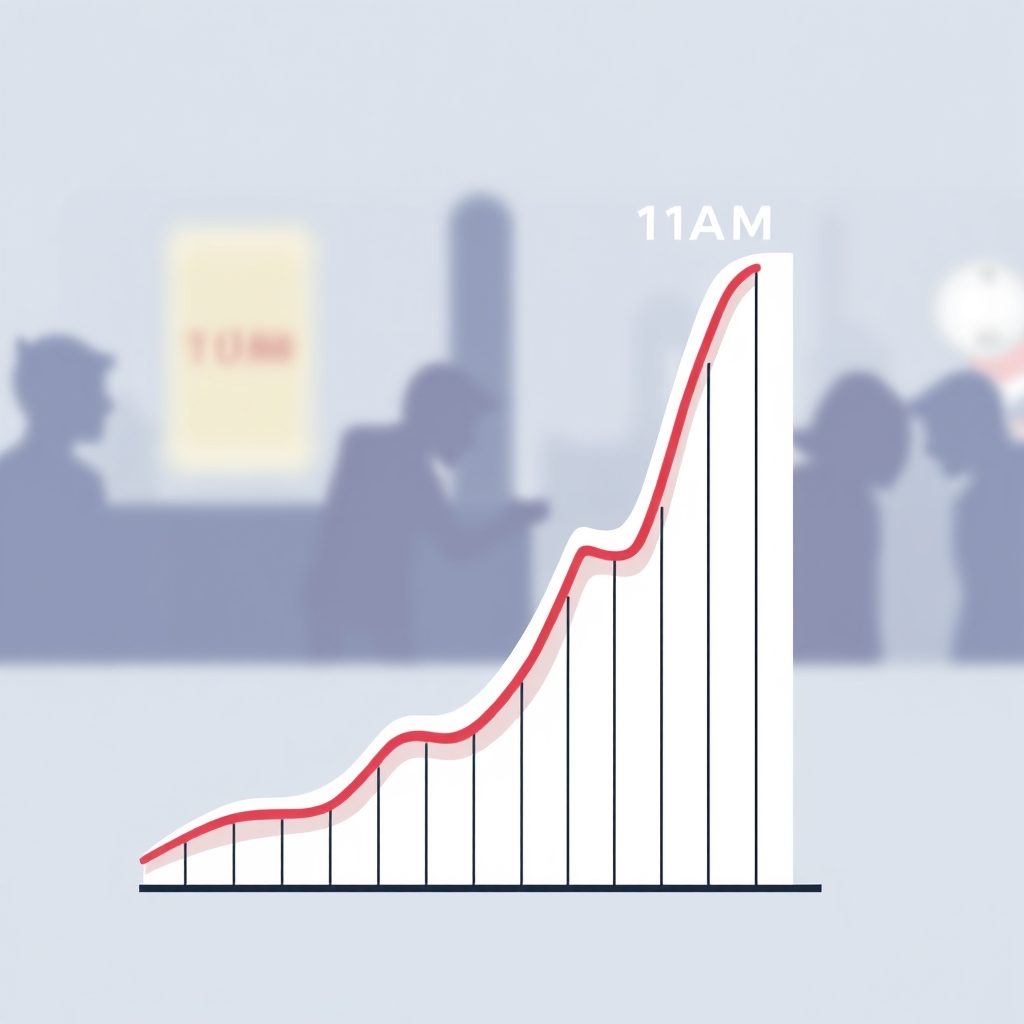
The grid is witnessing a distinct behavioral shift that manifests with clockwork precision. AEMO chief Daniel Westerman has confirmed that electricity demand spikes at 11am daily, a pattern that has become increasingly visible to grid operators. “At exactly 11am every day, electricity demand jumps up,” Westerman noted. This specific timing aligns with the operational windows of the new midday tariff offers, where households are incentivized to run energy-intensive appliances during peak solar generation hours.
For grid managers, such predictable surges present a unique challenge. Unlike the gradual ramp-up of evening peak demand driven by cooking and heating, this morning spike is driven by deliberate load shifting. Households are actively choosing to charge electric vehicles or run washing machines at this hour to capture the zero-cost electricity. While the current NEM-wide demand jump is approximately 360 MW, the consistency of the spike offers valuable data for forecasting. It demonstrates that consumer behavior can be reliably modeled when financial incentives are clearly defined.
This phenomenon highlights the growing complexity of managing a grid with high renewable penetration. As more households adopt these strategies, the shape of the demand curve becomes more jagged. Grid operators must now account for these sharp, short-duration peaks in their planning. The ability to predict and manage these spikes is essential for maintaining stability, ensuring that the grid can handle the sudden increase in load without compromising reliability for other users.
Scale of the Response
The operational footprint of these new tariffs has already produced measurable, sharp movements in real-time grid data. A single day in late August illustrated the potential intensity of this demand shift. On August 28, electricity demand in Victoria spiked by over 700 MW within just 30 minutes. This rapid surge highlights how quickly aggregated consumer actions can alter the load profile on the transmission network. Such short-duration, high-magnitude events require grid operators to maintain substantial reserve capacity to ensure frequency stability and prevent outages during these volatile windows.
This immediate grid impact occurs against a backdrop of rapidly expanding household storage adoption. The federal Cheaper Home Batteries scheme has facilitated the installation of over 500,000 discounted storage systems. While the total installed base is substantial, not every unit actively participates in market-driven load shifting. Estimates suggest that only 15–25 per cent of home batteries currently respond to market signals. This gap indicates that the current demand spike represents a fraction of the theoretical potential. As software updates and grid-communication protocols mature, a larger share of the installed base could begin to react to price signals, potentially amplifying these midday surges further.
| Metric | Value |
|---|---|
| Victoria demand spike (Aug 28) | >700 MW in 30 mins |
| Federal scheme battery installations | >500,000 units |
| Batteries responding to market signals | 15–25% |
The figures above underscore the tension between widespread hardware adoption and active market participation. The 700 MW jump demonstrates that even a subset of engaged users can generate significant grid stress. For investors and developers, the 15–25% response rate serves as a critical baseline. It suggests that the current demand patterns are not yet at their maximum intensity. As penetration rates for smart controls increase, the grid will likely face more frequent and pronounced midday peaks. Understanding this margin of growth is essential for planning future grid reinforcement and flexibility procurement.
Drivers and Interpretation
- Hamish McKenzie identifies hot water systems and electric vehicles as likely culprits behind the demand spikes.
- McKenzie describes the situation as a “stunning example of the market working.”
The specific appliances driving this load shift are becoming clearer to industry observers. Hamish McKenzie points to hot water systems and electric vehicles as the primary sources of the midday surge. These devices are ideal candidates for time-of-use optimization because they involve high-energy consumption tasks that are flexible in timing. Unlike lighting or heating, which often follow human activity patterns, charging an EV or heating water can be scheduled to coincide with periods of zero-cost electricity. This behavioral adjustment allows households to lower their energy bills while simultaneously placing a concentrated load on the grid during the midday window.
McKenzie frames this data-rich event as a “stunning example of the market working.” This perspective highlights a fundamental shift in how electricity retail meets consumer demand. Traditionally, tariffs have been relatively static, offering limited incentive for consumers to alter their usage habits. The new midday offers introduce a dynamic price signal that directly rewards shifting load to times of high solar generation. For developers and investors, this validates the effectiveness of demand-side response mechanisms. It suggests that financial incentives can successfully reshape consumption patterns at scale, providing a practical test case for how large-scale residential load management might function in a high-renewable grid. The clarity of this market response offers valuable insights for future tariff design and grid planning strategies.
What to watch
With the initial shock of the midday surge absorbed, attention now turns to how grid operators and retailers adapt their strategies for the coming months. The immediate priority will be monitoring whether the current demand patterns stabilize or continue to intensify as more households refine their charging schedules. Grid operators are likely to scrutinize reserve capacity requirements, ensuring they can manage these sharp, short-duration peaks without compromising frequency stability.
For developers and investors, the key question is the pace at which smart control software matures. As communication protocols improve, a larger share of the installed battery base may begin responding to price signals automatically. This could amplify the existing load shifts, placing new stress on transmission networks. Retailers will also face pressure to design tariffs that balance consumer savings with grid reliability, potentially introducing caps or dynamic pricing mechanisms to smooth out the jagged demand curve.
Ultimately, the industry will watch for regulatory responses. If these spikes become routine, policymakers may need to intervene with new flexibility procurement rules or grid reinforcement mandates. The transition from reactive management to proactive planning will define the next phase of this energy shift, determining how well the system scales without reliability issues.
Source: RenewEconomy. This article is an original Luminity report based on the linked source.