
Texas to Host 45% of U.S. Solar Module Production by 2027
Terawatt PV Research projects that Texas will account for nearly 45% of domestic silicon solar module output in 2027, driven by manufacturing hubs in Dallas and Houston. The state’s strategy relies on retrofitting existing infrastructure and leveraging pro-business policies to attract major manufacturers.
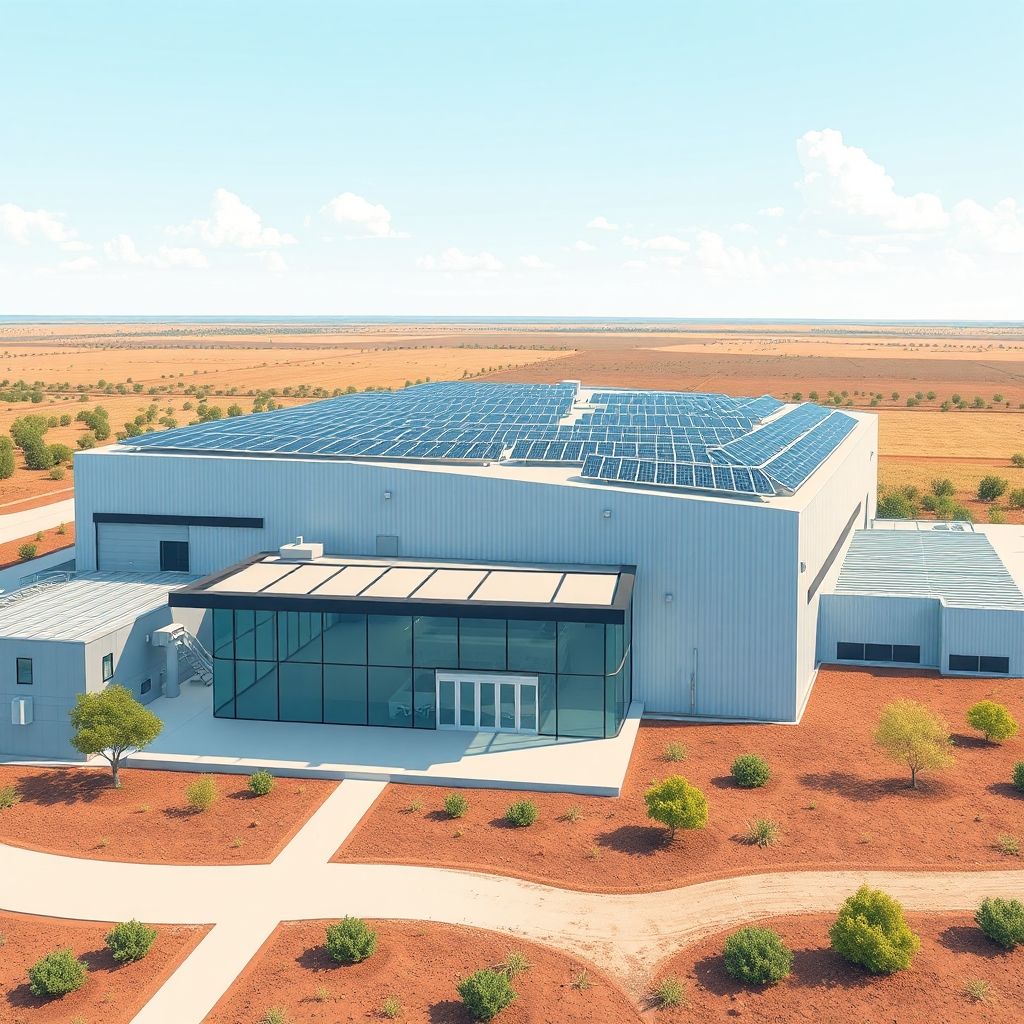
According to the Solar Manufacturing USA Quarterly report by Terawatt PV Research, Texas is projected to host nearly 45% of U.S. silicon solar module production in 2027. This significant share of domestic output reflects the state's growing role in the photovoltaic supply chain. The forecast highlights a rapid consolidation of manufacturing capacity within the Lone Star State.
Geographic Concentration
The projected manufacturing capacity is not spread evenly across the state. Instead, production is concentrated within a 100-mile radius of the I-45 Industrial Corridor. This specific geographic clustering creates a dense industrial cluster that offers distinct logistical advantages for the photovoltaic sector. By locating facilities close to this major interstate, manufacturers can streamline the movement of raw materials and finished modules, reducing transit times and associated costs. Such proximity is critical for supply chain efficiency, as solar module production relies on a steady flow of silicon ingots, wafers, and other components. When these inputs and the final assembly lines are geographically linked, the entire production process becomes more resilient and cost-effective.
The two primary hubs driving this concentration are the Greater Dallas and Greater Houston regions. These areas already possess robust industrial infrastructure, including established energy sectors and skilled labor pools. For solar manufacturers, settling in these hubs means access to existing utility connections and transportation networks that support heavy industry. The concentration of multiple plants in these specific metros also fosters a local ecosystem of suppliers and service providers. This density can lower overhead costs for individual firms and encourage collaboration among different stages of the manufacturing process. While the state’s vast size might suggest a dispersed industrial footprint, the solar sector has chosen to cluster tightly around these two metropolitan areas. This strategic positioning leverages the economic gravity of the I-45 corridor, ensuring that the bulk of the state’s significant share of domestic output remains physically and logistically interconnected.
Industry Players and Methods
- SEG Solar, Canadian Solar, Waaree Energies, and TOYO Solar are the manufacturers driving this expansion.
- The core operational strategy involves retrofitting existing industrial infrastructure to accelerate production timelines.
The presence of established names like SEG Solar, Canadian Solar, Waaree Energies, and TOYO Solar signals a maturing domestic supply base rather than a speculative startup phase. These entities bring proven manufacturing expertise and global market connections to the Texas corridor. Their collective footprint transforms the region from a potential site into an active industrial node, where established production methodologies meet local logistical advantages. The involvement of multiple major players suggests a diversified approach to module technology and output scale, reducing the risk associated with relying on a single producer. This diversity is vital for grid operators and utility buyers who require consistent, high-volume supply chains to meet renewable energy targets without facing single-point-of-failure disruptions.
The decision to retrofit existing industrial infrastructure represents a pragmatic approach to balancing speed and capital efficiency. Rather than constructing new facilities from the ground up, which involves lengthy permitting, foundation work, and utility hookups, manufacturers are repurposing available space. This method allows for faster commissioning of production lines, enabling plants to begin operations while the broader supply chain stabilizes. For investors and stakeholders, this strategy minimizes initial capital expenditure and shortens the time to revenue generation. It also leverages existing structural and utility capabilities, which are often already rated for heavy industrial loads. By adapting current assets, these companies can align their production capacity with market demand more flexibly, adjusting output levels as component costs and energy prices fluctuate. This agility is essential in a sector where technology standards and market conditions can shift quickly, requiring manufacturers to remain responsive without being locked into rigid, long-term construction schedules.
Policy and Supply Chain
Texas’s regulatory framework actively supports industrial expansion through pro-business fiscal policies and targeted economic incentives. These state-level interventions are designed to lower the initial financial barriers for heavy manufacturing, a critical factor when capital-intensive solar projects compete for space in established industrial corridors. By offering tax abatements or direct grants, the state reduces the upfront risk for manufacturers committing to long-term infrastructure investments. This approach aligns with broader strategies seen in other energy hubs, where public funding helps de-risk private capital during the early stages of facility construction or retrofitting. For the solar sector specifically, such incentives can accelerate the transition from planning to operational status, allowing plants to reach full capacity sooner. This speed is particularly valuable in a market where demand for domestic modules is rising, and delays in production can result in lost revenue opportunities. The fiscal environment thus acts as a catalyst, ensuring that the logistical advantages of the I-45 corridor are matched by a supportive financial structure that encourages sustained investment in local manufacturing capabilities.
Complementing these policy measures, an emerging network of raw material suppliers is developing within the region. This localized supply chain reduces dependence on long-distance transportation for critical inputs like silicon ingots and wafers, which have historically been sourced from distant domestic or international facilities. As these supplier relationships mature, the overall production process becomes more resilient against global logistics disruptions. Shorter supply lines mean fewer variables affecting delivery schedules and costs, providing manufacturers with greater predictability in their operational planning. This proximity also fosters tighter coordination between component producers and module assemblers, allowing for more efficient inventory management and quicker response times to changes in production needs. The integration of these suppliers into the local ecosystem strengthens the entire value chain, creating a self-reinforcing cycle where increased manufacturing activity attracts further specialized services. This depth in the supply base ensures that the production capacity projected for the coming years is supported by a robust and responsive network of inputs, rather than relying on fragile, extended distribution routes.
What to watch
The next major milestone for Texas’s solar manufacturing sector arrives in 2027, when new silicon-based cell factories are scheduled to begin operations. These facilities mark a critical shift in the state’s industrial profile, moving the focus from module assembly to the production of the foundational components used in photovoltaic technology. Silicon cells serve as the core energy-converting elements within solar panels, and their domestic manufacture reduces reliance on imported substrates that have historically dictated global supply chains. As these plants ramp up, attention will turn to their integration with existing module assembly lines, ensuring that local component production aligns with the output of established manufacturers like SEG Solar and Canadian Solar.
Readers should monitor how these new cell factories interact with the region’s evolving supply chain. The arrival of silicon production capacity could reshape logistics, potentially shortening the distance between raw material processing and final module assembly. This proximity may enhance the resilience of the local manufacturing ecosystem, offering a buffer against international shipping delays or trade policy shifts. The operational status of these 2027 facilities will provide tangible evidence of the state’s ability to sustain the rapid expansion outlined in earlier projections. Success in commissioning these plants on schedule will validate the retrofitting strategies employed by current players and demonstrate the depth of the local industrial base. Ultimately, the performance of these new silicon facilities will be a key indicator of whether Texas can maintain its projected dominance in U.S. solar module output through the late 2020s.
Source: pv magazine USA. This article is an original Luminity report based on the linked source.