
Germany adds 12.76 GW solar in 2026, driven by large-scale projects
Germany’s Federal Network Agency reports 12.76 GW of new solar capacity installed in the first nine months of 2026, slightly exceeding the same period in 2025. Large-scale systems now dominate new installations, while small commercial and residential segments face sharp declines and potential policy changes.
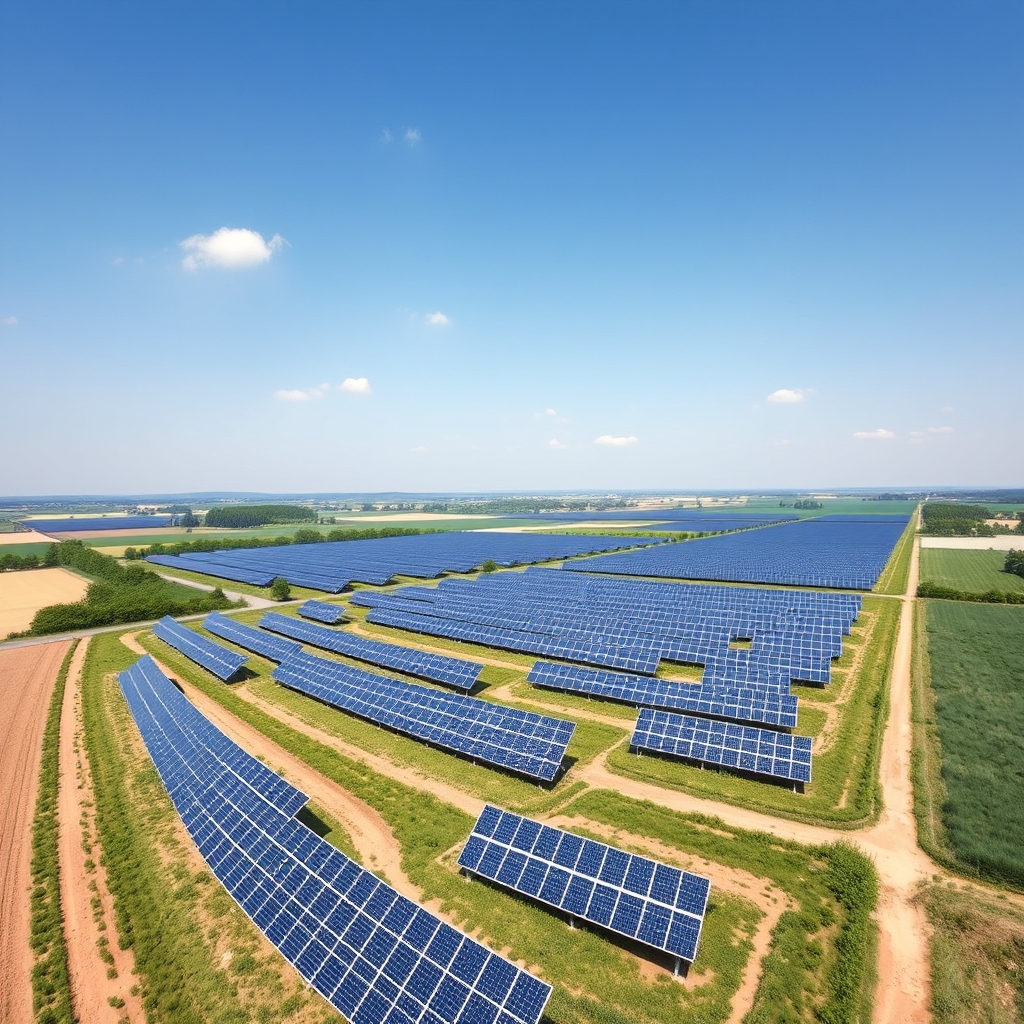
Germany added 12.76 GW of new solar capacity in the first nine months of 2026, according to data from the Federal Network Agency. This figure includes a 1,226 MW addition in September, bringing the year-to-date total slightly above the 12.56 GW recorded in the same period last year. The statistics are based on submissions received by the agency by October 13, providing a snapshot of the country’s rapid expansion in photovoltaic infrastructure.
Monthly Momentum
The pace of installation accelerated sharply in the final month of the reporting period. August 2026 saw 1,644 MW of new photovoltaic capacity come online, a substantial jump from the 920 MW recorded in the corresponding month of the previous year. This surge in monthly additions contributed significantly to the year-to-date total, highlighting a period of intense construction activity across the German grid.
Data collection for these figures involves a specific statistical adjustment to account for reporting gaps. A 15% adjustment is applied to the raw submissions to estimate the volume of unregistered installations. This methodological step is standard practice in energy statistics, as not every small-scale or residential system is immediately logged in official registries upon completion. By applying this multiplier, the Federal Network Agency aims to provide a more accurate reflection of the actual physical capacity added to the grid.
For investors and grid operators, understanding these adjustments is vital for assessing true market growth. The difference between raw submissions and adjusted totals can influence how capacity is valued in financial models. While the raw numbers represent confirmed grid connections, the adjusted figures offer a broader picture of the sector's momentum. This distinction ensures that the reported growth aligns more closely with the real-world expansion of solar infrastructure, rather than just the administrative paperwork processed by the agency. The consistent application of this adjustment factor allows for year-over-year comparisons that remain methodologically sound, despite variations in registration timing.
Segment Breakdown
- September rooftop installations comprised 38,859 systems, adding 554 MW to the grid.
- Utility-scale solar contributed 479 MW through 103 projects in September.
- The previous month’s utility-scale additions were larger, with 166 projects totaling 1,054 MW.
- Plug-in solar, often referred to as balcony power plants, accounted for 28,647 systems and 42 MW in September.
The distribution of new capacity in September reveals a balanced but distinct mix of project types. Rooftop systems formed the largest single segment by installed volume, reflecting the continued reliance on distributed generation for meeting national targets. These systems are typically installed by households or small businesses, integrating solar power directly into existing building stock. Their high number of individual units suggests widespread consumer adoption, which helps decentralize energy production and reduce transmission losses.
Utility-scale projects, while fewer in number, deliver substantial power output per site. The 103 projects added in September represent a step down from the previous month’s 166 projects, indicating variability in large-scale construction timelines. Such plants usually require extensive permitting and grid connection processes, leading to lumpy monthly additions that can fluctuate based on project completion dates rather than steady build rates.
Plug-in solar systems, though small in total megawatts, numbered nearly 29,000 units. These devices connect directly to household outlets and offer a low-barrier entry point for homeowners who cannot install full rooftop arrays. Their growth highlights a trend toward accessible, modular solar solutions that complement larger infrastructure investments.
National Totals and Trends
By the close of September, Germany’s operational photovoltaic capacity reached 130.7 GW, supported by a network of 6.34 million active systems. This cumulative stock represents the physical backbone of the country’s renewable energy strategy, integrating distributed and centralized generation into a single grid. The sheer volume of connected units highlights the technical complexity of managing such a decentralized resource, requiring sophisticated grid balancing to accommodate variable output from millions of individual sources.
In 2026, the sector added 660,445 new systems, contributing 12,762 MW to the national total. This growth was partially offset by the retirement of 29,898 older installations, which removed 136 MW from service. While decommissioning volumes remain small relative to new additions, they reflect the natural lifecycle of early-generation technology reaching end-of-life. The net gain underscores a period of strong expansion, where installation rates consistently outpace retirement, ensuring that the overall capacity base continues to climb steadily throughout the year.
Structural shifts within the new capacity reveal a decisive move toward larger-scale projects. Systems exceeding 750 kW now account for 57% of all new installations in 2026. This concentration in utility and commercial segments contrasts sharply with the trajectory of smaller units, where commercial and residential systems up to 10 kW have seen adoption drop by more than 40% since 2024. This divergence suggests that market dynamics are favoring projects with higher individual output, potentially driven by regulatory changes or economic factors that make large-scale developments more attractive than fragmented small-scale builds. The result is a solar market increasingly defined by fewer, larger assets rather than a broad base of tiny consumer units.
What to watch
The next major regulatory pivot centers on draft legislation proposing the phase-out of feed-in tariffs for small photovoltaic systems starting in 2027. This policy shift would fundamentally alter the economic model for residential and small commercial installers, who currently rely on guaranteed grid-offtake prices to ensure project bankability. As these subsidies recede, the market will likely test the viability of self-consumption strategies, where owners use their own generation to offset direct electricity costs rather than selling surplus power.
For developers, this transition demands a re-evaluation of project economics. Systems that previously depended on stable feed-in revenue must now demonstrate profitability through direct load matching or emerging peer-to-peer trading mechanisms. Investors should monitor how quickly the industry adapts to this reduced subsidy reliance, as the shift could widen the performance gap between optimized large-scale assets and smaller, less flexible installations. The coming months will reveal whether consumer appetite for solar remains strong without the safety net of guaranteed tariffs, potentially accelerating the trend toward larger, more efficient systems that can compete on price alone.
Source: pv magazine. This article is an original Luminity report based on the linked source.