
Transrail buys 49% stake in 990 MW Maharashtra solar portfolio for ₹20 crore
Transrail Lighting has acquired a 49% equity stake in a 990 MW solar power portfolio in Maharashtra for ₹20 crore. The move marks the company’s entry into renewable power generation, with projects developed under the PM-KUSUM scheme.
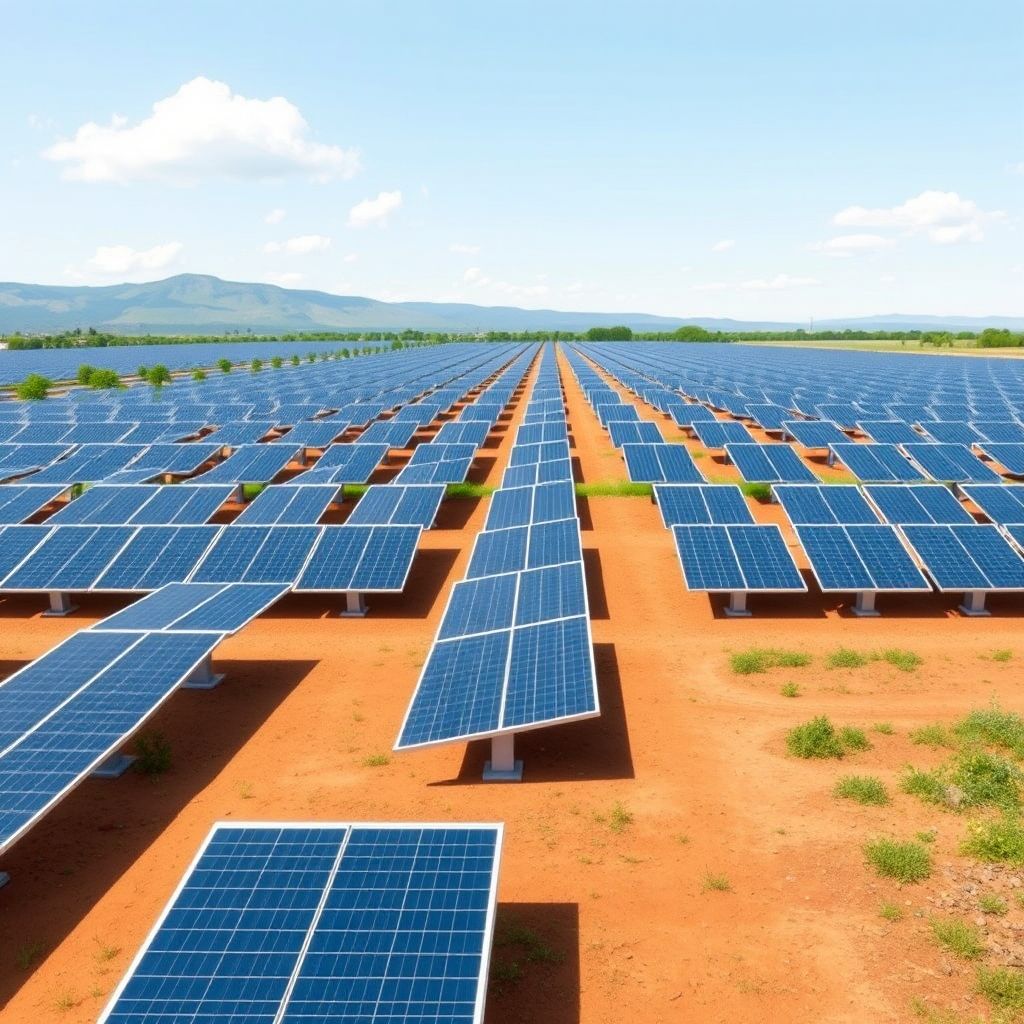
Transrail Lighting has approved the acquisition of a 49% equity stake in NOPL Pace Green Energy. The company announced the deal at a cost of ₹20 crore. This investment secures a position in a solar power portfolio with a total capacity of 990 MW, located in Maharashtra.
The transaction involves purchasing nearly half of the equity in the target entity. By taking this stake, Transrail Lighting gains exposure to the specified renewable energy assets. The deal value is fixed at the stated amount, reflecting the agreed terms for the partial ownership transfer.
This move adds substantial solar generation capacity to the buyer’s portfolio. The 990 MW figure represents the total size of the solar power assets associated with NOPL Pace Green Energy. The transaction is structured as an equity purchase rather than a full asset acquisition, allowing for shared ownership of the underlying power generation facilities.
Strategic Entry and Diversification
Transrail Lighting’s acquisition marks a distinct departure from its traditional operational focus. While the company has historically anchored its revenue in engineering, procurement, and construction services, this transaction signals a shift toward owning and operating renewable power generation assets. By taking a significant equity position in NOPL Pace Green Energy, the firm moves beyond merely building infrastructure to capturing the long-term value of electricity produced. This strategic pivot allows the company to participate directly in the energy market rather than serving solely as a service provider to other utilities or developers.
Randeep Narang, the company’s Managing Director, characterizes this move as a step toward becoming an integrated energy provider. This terminology reflects a broader industry trend where firms seek to control multiple stages of the value chain, from project development to power sales. Such integration can offer stability through diversified income streams, balancing the cyclical nature of construction contracts with the recurring cash flows typical of operational solar plants. The assets involved are situated in Maharashtra, a state that has become a central hub for large-scale solar deployment due to its favorable insolation levels and established grid infrastructure. For an EPC firm, entering the generation sector in such a mature market provides a familiar regulatory and operational environment, reducing the learning curve associated with managing utility-scale renewable energy projects.
Project Structure and Financing
The underlying assets operate within a specific regulatory framework designed to modernize rural power distribution. The projects are developed under Component C of the PM-KUSUM scheme, a central government initiative. This particular component focuses on the solarisation of agricultural feeders, which involves installing solar plants on land owned by farmers or within feeder areas. The generated power is then sold to the local distribution utility, helping to reduce peak load on the grid during daylight hours.
The commercial viability of these assets rests on long-term contractual agreements. NOPL Pace Green Energy has secured a 25-year Power Purchase Agreement (PPA) with MSEDCL. This duration provides revenue certainty, a critical factor for securing long-term debt financing. The PPA stipulates a fixed tariff of ₹3.10 per unit. This rate is set to ensure the project remains financially viable over its operational life, covering both debt service and equity returns.
The scale of the investment is substantial. The indicative total project cost for the portfolio stands at approximately ₹3,900 crore. To fund this, the project has secured debt financing from a financial institution. This sanctioned debt covers a significant portion of the capital expenditure, leaving the equity portion to be funded by the shareholders. The structure allows the developers to leverage institutional capital while retaining upside potential from the fixed tariff.
| Metric | Detail |
|---|---|
| Scheme Component | PM-KUSUM Component C |
| PPA Duration | 25 years |
| Off-taker | MSEDCL |
| Tariff | ₹3.10 per unit |
| Indicative Project Cost | ₹3,900 crore |
| Debt Status | Sanctioned by financial institution |
The fixed tariff mechanism shields the project from short-term market volatility in power prices, although it does expose developers to regulatory changes over the two-decade contract life. The sanctioned debt facility indicates that lenders have reviewed the project’s financial model and deemed the cash flows sufficient to service the loan. For equity investors, the combination of a long-term PPA and secured debt creates a predictable income stream, distinct from the variable revenues associated with spot market trading or shorter-term contracts. The focus on agricultural feeders also aligns with broader grid stability goals, as solar generation can offset the high daytime demand from irrigation pumps.
Governance and Operational Scope
- Onix Renewable retains control over financial and project management functions
- Transrail Lighting holds an option to raise its holding to full ownership
- The buyer maintains operations across six continents in more than 60 countries
- Transrail’s core expertise lies in power transmission and distribution
The partnership structure assigns distinct roles to each party, with Onix Renewable managing the day-to-day financial and project oversight. This arrangement allows the technical operator to handle complex regulatory compliance and operational maintenance while Transrail focuses on its strategic investment position. By retaining management control, Onix ensures that the assets meet performance benchmarks required under the long-term power purchase agreements, which is standard practice in joint ventures where one partner brings sector-specific operational experience.
Transrail’s ability to increase its stake to 100% provides a clear pathway for full integration if the initial partnership proves successful. This flexibility is common in renewable energy deals, allowing investors to start with a minority position to limit initial risk before committing to full ownership. For Transrail, whose existing business spans power transmission and distribution across more than 60 countries on six continents, this solar portfolio complements its core infrastructure capabilities. The company’s global footprint in T&D suggests it possesses the technical understanding of grid integration necessary to manage large-scale generation assets, even if it previously focused on the delivery rather than the production of electricity.
What to watch
The next significant development will likely center on the execution of Transrail’s contractual option to acquire the remaining equity in the portfolio. While the initial 49% stake establishes a foothold, the decision to move toward full ownership will depend on how the joint venture performs against the operational benchmarks set by Onix Renewable. Investors should monitor whether the partnership successfully maintains the performance standards required under the long-term power purchase agreement with MSEDCL, as any deviation could impact the viability of a full buyout.
The broader implementation of the PM-KUSUM scheme in Maharashtra will influence the portfolio’s value. Since these assets are tied to the solarisation of agricultural feeders, progress in grid integration and utility alignment will determine how effectively the solar output offsets daytime irrigation loads. Readers should look for updates on regulatory compliance and operational milestones that validate the financial models underpinning the sanctioned debt. The interplay between Onix’s operational management and Transrail’s strategic oversight will be the key indicator of whether this minority investment evolves into a complete asset acquisition.
Source: ETEnergyWorld Renewables. This article is an original Luminity report based on the linked source.