
Tiny Snowy Mountains solar project faces local opposition over rural character
EDPR Australia’s 4.99 MW solar and battery proposal near Old Adaminaby has drawn strong community resistance, with residents citing the cumulative impact of nearby Snowy 2.0. The developer argues the project’s sub-5 MW scale and manual glare controls address key concerns, but opponents maintain it alters the area’s rural character.
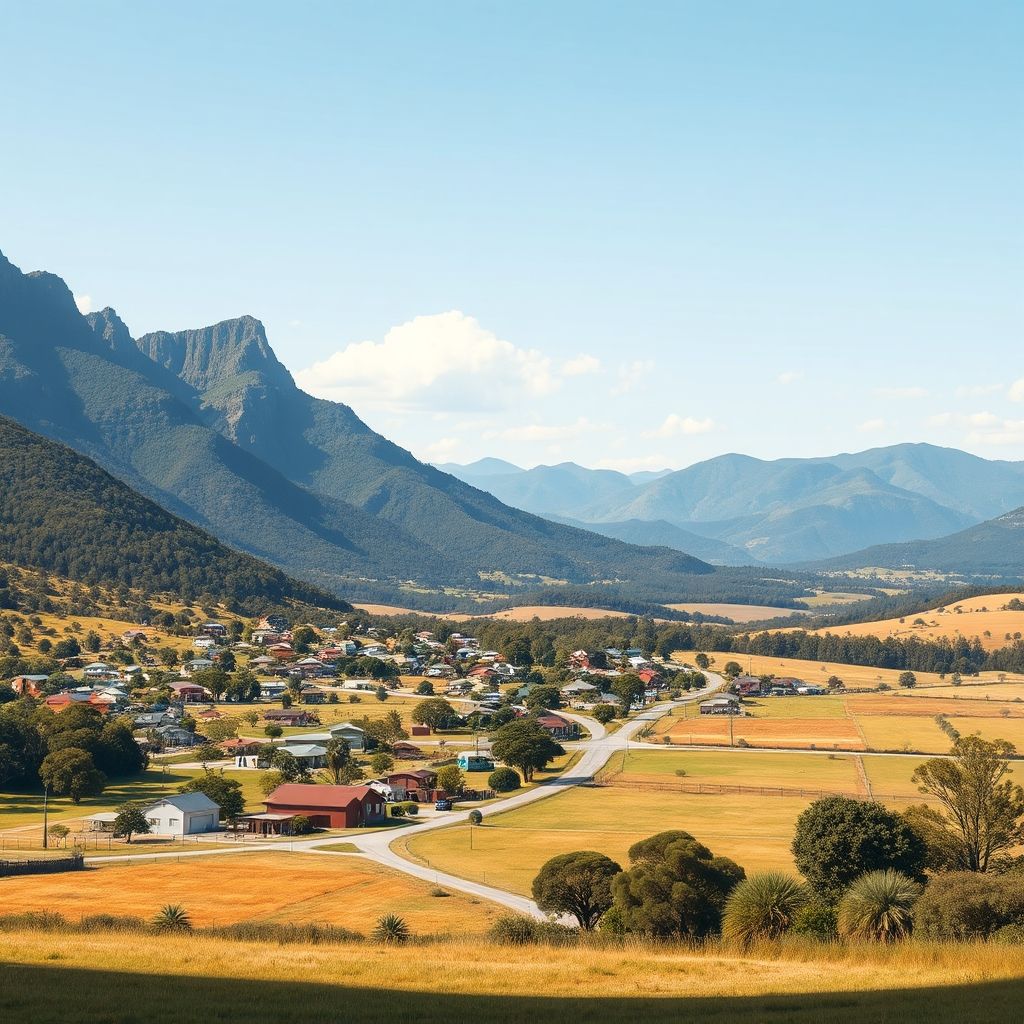
EDPR Australia has proposed a 4.99 MW solar and battery project near Old Adaminaby, New South Wales. The facility, situated just one kilometre from the rural community, has sparked local opposition over concerns regarding the area’s character.
Plans for the development were submitted for public view in late 2025. Residents have raised objections, arguing that the scale of the project may alter the rural landscape. The proposal includes both solar generation and battery storage components.
The project’s proximity to the existing settlement is a central point of contention. While the technical specifications are modest, the visual and environmental impact remains a subject of debate among locals.
Scale and Regulatory Strategy
The proposed facility is designed to sit just below a critical regulatory boundary. By capping the generation capacity at 4.99 MW, the project intentionally avoids the 5 MW threshold that typically triggers more stringent environmental review processes. This strategic sizing allows the development to proceed under a lighter administrative burden, a common tactic among developers seeking to streamline approval timelines and reduce compliance costs. While the total development cost is nearly $10 million, the physical footprint remains relatively compact compared to larger utility-scale installations.
The site itself spans 12 hectares of farmland, a land area that accommodates 10,000 solar panels. In the broader sector, such mid-sized projects often occupy the middle ground between residential rooftop systems and massive gigawatt-scale farms. They are designed to feed directly into local distribution networks rather than high-voltage transmission lines, which simplifies grid connection requirements. However, using agricultural land for energy generation introduces specific land-use conflicts. Converting 12 hectares of productive soil to a solar array changes the visual and economic character of the rural area, a factor that often intensifies local scrutiny even when the technical specifications are modest. The placement of this equipment on active farmland highlights the growing competition for land use in rural New South Wales, where energy expansion meets traditional agricultural practices.
Community Resistance
- 18 initial public submissions opposed the project in March.
- Three opponents relodged submissions after project revisions in June.
- Ineke Stephens called Snowy 2.0 a "significant hit" on the area.
- Neville Locker stated the project changes the rural character of the area.
Local opposition materialized quickly once the proposal entered the public consultation phase. In March, 18 residents submitted formal objections, signaling immediate resistance to the development. This initial wave of feedback prompted the developer to revise the project details. Following those changes, three opponents relodged their submissions in June, indicating that the proposed adjustments did not fully address their core concerns. The persistence of these objections highlights how community sentiment can remain firm even when technical or design modifications are introduced during the approval process.
The specific grievances center on the visual and cultural impact of the facility. Ineke Stephens described the initiative, referred to locally as Snowy 2.0, as a "significant hit" on the area. Neville Locker echoed these sentiments, stating that the project changes the rural character of the region. These comments reflect a common tension in rural planning, where the introduction of industrial infrastructure, even at a modest scale, is perceived to alter the established identity of a community. For residents, the issue extends beyond mere aesthetics; it touches on the preservation of the local environment and the way of life that defines the settlement. The fact that objections continued after revisions suggests that the debate is rooted in broader values rather than specific technical flaws.
Technical Mitigations
EDPR’s engineering consultants assert that the grid connection for this facility requires only a single pole and associated lines. This minimal infrastructure approach is significant because it limits the physical intrusion into the surrounding agricultural landscape. In many rural solar projects, extensive cabling or additional transmission structures can exacerbate visual concerns, but by restricting the connection to a single point, the developer aims to reduce the project’s overall footprint. This design choice addresses a common technical objection, where residents argue that the support infrastructure is as visually disruptive as the panels themselves. Keeping the connection simple also streamlines the installation process, potentially reducing construction time and the associated disturbance to the local environment.
Beyond the physical structure, the proposal includes operational controls to manage light pollution. The developer states that it can manually control the panel trackers to mitigate glint and glare. Solar trackers are mechanisms that rotate panels to follow the sun’s path, maximizing energy output throughout the day. However, this movement can sometimes reflect sunlight directly toward nearby homes or roads, causing temporary brightness issues. By retaining manual control, the operator can adjust the panel angles to avoid specific times or directions where glare is problematic. This capability offers a flexible solution to a frequent source of complaint in solar developments, allowing the project to adapt its operation based on real-time feedback from the surrounding community rather than relying solely on fixed panel orientations.
What to watch
The immediate focus shifts to how the planning authority weighs the persistent community objections against the technical assurances provided by the developer. With three residents relodging their submissions after recent revisions, the next milestone involves a formal decision on whether the proposed mitigations sufficiently address concerns about the area’s rural character. Readers should monitor whether the authority accepts the argument that a single grid connection pole and manual control of panel trackers are adequate to limit visual and operational impact on the surrounding farmland.
Open questions remain regarding the long-term compatibility of this facility with local agricultural practices. The outcome will hinge on whether the planning body prioritizes the streamlined regulatory pathway enabled by the project’s specific capacity sizing or the cumulative effect of industrial infrastructure on the landscape. If the application proceeds, the final approval will likely depend on the strength of the developer’s response to the specific grievances raised by local residents. The decision could also signal how similar mid-sized rural projects navigate the balance between energy expansion and the preservation of regional identity in New South Wales.
Source: RenewEconomy. This article is an original Luminity report based on the linked source.